
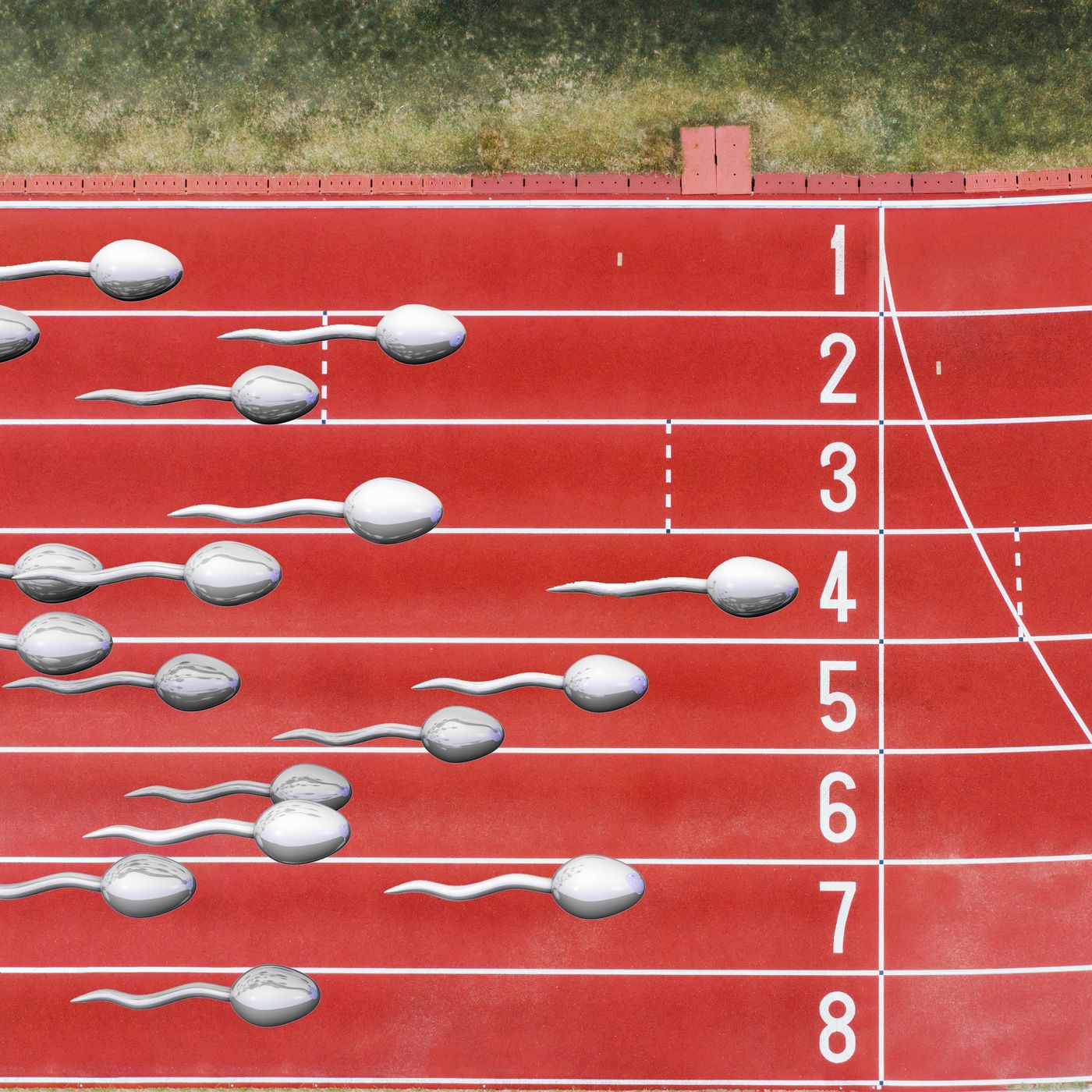
In the traditional sense, “sperm racing” refers to the biological marathon where millions of cells compete to fertilize a single egg. However, in the modern landscape of technology and medical engineering, the term has taken on a sophisticated new meaning. Today, sperm racing represents a high-stakes technological competition involving microfluidics, artificial intelligence, and bio-hybrid robotics. As global fertility rates face unprecedented challenges, the “race” is no longer just a biological event—it is a frontier for some of the most advanced software and hardware innovations in the MedTech space.
This article explores the technological evolution of sperm selection, the AI tools driving the next generation of reproductive health, and the digital security frameworks required to protect this sensitive frontier of human data.
The Engineering of the Race: Microfluidics and “Sperm-on-a-Chip”
For decades, the methods used in fertility clinics to assist in the “race” remained relatively stagnant, relying on centrifuges to spin samples and separate healthy cells. This process, while functional, often caused oxidative stress and DNA fragmentation. Enter the era of microfluidics—a field of technology that manipulates fluids at a sub-millimeter scale. This is the hardware foundation of modern sperm racing.
Mimicking the Natural Environment
The most significant tech trend in this niche is the development of “Sperm-on-a-Chip” devices. These are micro-fabricated platforms designed to mimic the female reproductive tract. Unlike a petri dish, these chips create a micro-channel environment where sperm must navigate through varying viscosities and narrow passages. By simulating the natural physical obstacles of the fallopian tubes, engineers can filter out the “winners” of the race based on physical prowess and hydrodynamic efficiency. This technology moves away from “brute force” separation toward a refined, flow-based selection process.
Precision Sorting via Micro-channels
In these microfluidic systems, researchers use “rheotaxis”—the natural tendency of high-quality sperm to swim against a current. Tech startups are now developing disposable, automated chips that use laminar flow to sort cells with surgical precision. These devices allow the healthiest, most motile cells to reach a “finish line,” where they are collected for procedures like IVF (In Vitro Fertilization) or ICSI (Intracytoplasmic Sperm Injection). The integration of this hardware into clinical workflows represents a massive shift from manual laboratory labor to automated, high-throughput technology.
AI and Machine Learning: The Digital Referees of the Race
While microfluidics provides the track, Artificial Intelligence (AI) acts as the high-speed camera and referee. Traditionally, an embryologist would look through a microscope and manually estimate the health of a sample. This is subjective and prone to human error. Today, AI-driven software is transforming “sperm racing” into a data-driven science.
Computer-Aided Sperm Analysis (CASA)
The latest iterations of Computer-Aided Sperm Analysis (CASA) utilize deep learning algorithms to track thousands of individual cells simultaneously. These AI tools analyze “kinematics”—the specific movement patterns of the sperm. The software measures curvilinear velocity, straight-line velocity, and the amplitude of lateral head displacement. By processing these data points in real-time, the AI can identify “hyperactivated” cells—those in the peak state for fertilization—with a level of accuracy that far exceeds the human eye.
Predictive Modeling for Embryo Success
The race doesn’t end at the point of contact; the ultimate goal is a successful pregnancy. Advanced AI platforms are now being trained on massive datasets of successful and unsuccessful fertilization outcomes. By analyzing the morphology (shape) and motility (movement) of the “winners” of the sperm race, these tools can predict which specific cell is most likely to result in a viable embryo. This shift toward predictive analytics is a cornerstone of “Precision Medicine,” turning a game of biological chance into a calculated technological probability.

Sperm-Bots: The Advent of Bio-Hybrid Microrobots
Perhaps the most futuristic aspect of the modern sperm race is the development of “spermbots.” This technology sits at the intersection of robotics and biology, where researchers are literally “engineering” the racers to ensure they reach the finish line.
Navigating the Reproductive Tract
Spermbots are bio-hybrid systems where a biological sperm cell is integrated into a synthetic micro-structure. One common design involves a tiny metallic helix (a micromotor) that fits around the tail of the sperm. Controlled by external magnetic fields, technicians can “drive” the sperm toward the egg. This is particularly useful for cells that have high genetic quality but lack the motility to complete the journey on their own. This high-tech intervention essentially provides a “vehicle” for the racer, ensuring that the biological payload is delivered with robotic precision.
Potential Applications Beyond Fertilization
The technology developed for sperm racing is finding applications in broader medical fields. The same microrobotic principles used to guide a sperm cell are being explored for targeted drug delivery. Because sperm cells are naturally designed to navigate the human body and are not recognized as foreign invaders by the immune system, they are the perfect “chassis” for micro-scale tech. We are seeing a convergence where reproductive technology becomes the testing ground for the future of internal medicine and non-invasive surgical tools.
The Digital Infrastructure: Apps, Gadgets, and Security
As the technology surrounding sperm racing becomes more accessible, it is moving out of the lab and into the consumer space. This transition brings about new challenges in software development, user experience, and digital security.
Home-Testing Gadgets and Mobile Integration
A new wave of tech startups has released smartphone-compatible gadgets that allow users to conduct their own “sperm race” at home. These devices consist of a small microscope attachment and a proprietary app. The user places a sample on a slide, and the app utilizes the phone’s camera and an onboard AI algorithm to provide an instant analysis of count and motility. This democratization of tech allows for proactive health monitoring, but it also necessitates high-quality app development to ensure clinical-grade accuracy on consumer hardware.
Securing Genetic Data and Digital Privacy
With the rise of digital fertility platforms, the “data” generated by the sperm race becomes incredibly sensitive. This is not just performance data; it is genetic and biological information. As we move toward cloud-based AI analysis, digital security becomes paramount.
-
Encryption and Anonymization: Tech providers must implement end-to-end encryption for all biological data transmitted from devices to the cloud.
-
Regulatory Compliance: Software must adhere to strict standards such as HIPAA in the US or GDPR in Europe, ensuring that “biological profiles” are not susceptible to data breaches.
-
Blockchain for Bio-Data: There is an emerging trend in using blockchain technology to create immutable records of reproductive health, allowing patients to own and control their data while sharing it securely with clinics.

The Future of the Race: Where Tech is Headed
The “sperm race” is no longer a silent biological process occurring in the shadows. It is a brightly lit stage for some of the most impressive technological feats of the 21st century. As we look forward, several tech trends will likely dominate the landscape:
-
Virtual Reality (VR) Training: Using VR to train embryologists in micromanipulation, allowing them to practice “guiding the race” in a simulated environment before working with live samples.
-
Quantum Computing in Genomics: Applying quantum processing power to analyze the DNA sequences of the most successful “racers” to identify the genetic markers of high fertility.
-
Wearable Tech: Developing wearables that monitor the environmental factors (temperature, pH, etc.) that affect the “track conditions” of the race in real-time.
In conclusion, “sperm racing” is a fascinating microcosm of the broader tech world. It combines the physical precision of micro-engineering, the analytical power of AI, the futuristic vision of robotics, and the rigorous demands of digital security. By viewing the quest for life through the lens of technology, we are not only improving the odds for millions of people worldwide but also pushing the boundaries of what is possible at the intersection of silicon and cell. The race is on, and technology is leading the way.
aViewFromTheCave is a participant in the Amazon Services LLC Associates Program, an affiliate advertising program designed to provide a means for sites to earn advertising fees by advertising and linking to Amazon.com. Amazon, the Amazon logo, AmazonSupply, and the AmazonSupply logo are trademarks of Amazon.com, Inc. or its affiliates. As an Amazon Associate we earn affiliate commissions from qualifying purchases.