

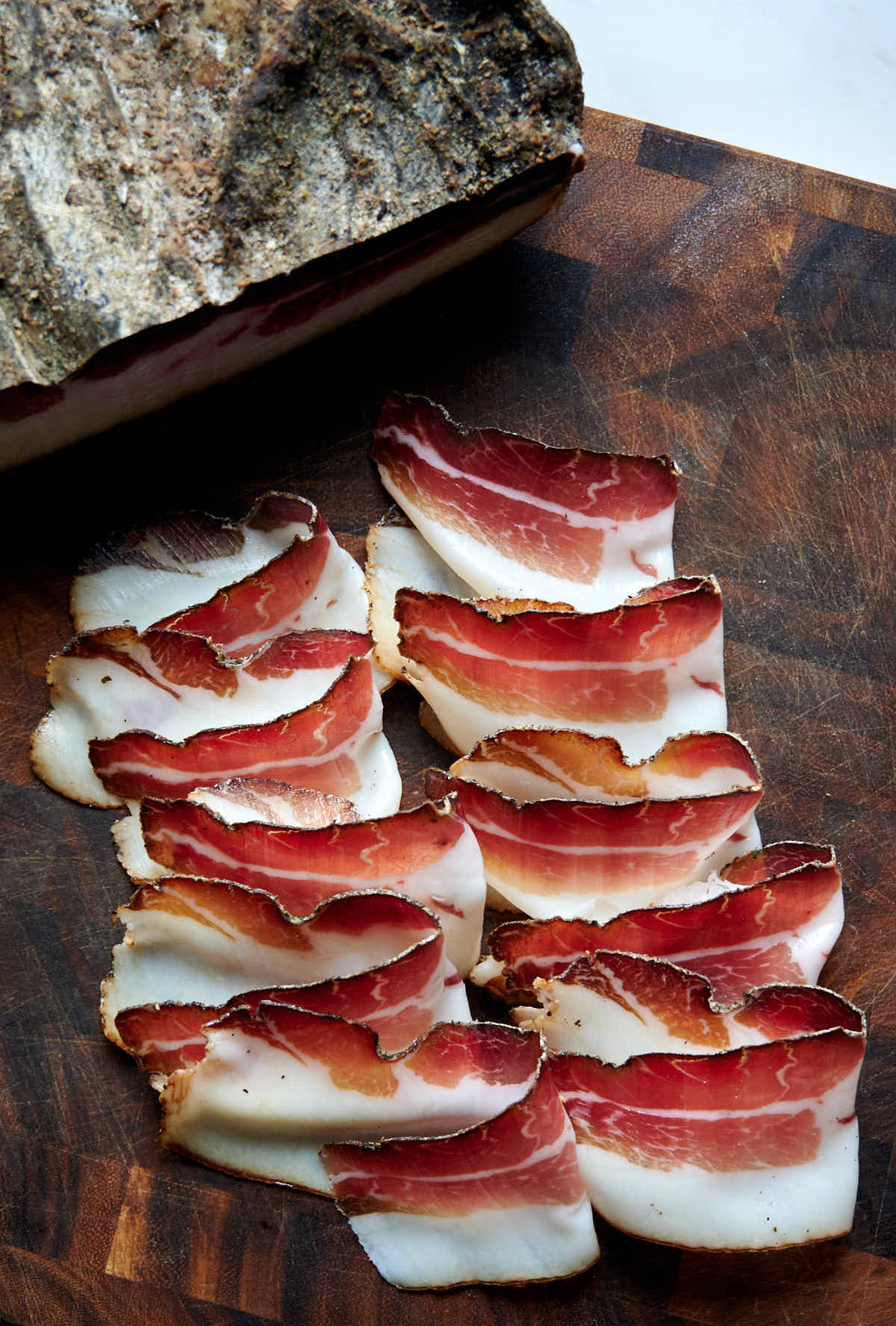
In the competitive landscape of the global food industry, products like Speck—a cured, smoked ham originating from the South Tyrol region of Italy—serve as the quintessential case study for successful brand strategy. While consumers might perceive Speck simply as a high-quality deli meat, from a branding perspective, it is a masterclass in regional identity, premium positioning, and the art of the “Protected Designation of Origin” (PDO). To understand Speck is to understand how tradition is curated, marketed, and defended in a modern marketplace.
The Architecture of Heritage Branding
Speck is not merely a product; it is a brand built on the pillar of heritage. When a product possesses a specific cultural and geographic provenance, the brand strategy shifts from competing on price to competing on authenticity. This is the cornerstone of “Origin Branding.”
Leveraging Geographic Indicators
The protection of the name “Speck Alto Adige” is a strategic move that shields the product from commodity status. In the world of branding, this is known as a Geographical Indication (GI). By legally tethering the product to a specific location—the Dolomites—the brand creates an exclusive narrative that competitors cannot replicate. This strategy dictates that no matter how similar a product is in taste, if it is not produced in South Tyrol, it is not “Speck.” This protects the market share of regional producers and allows them to command a price premium that generic cured meats cannot reach.
Authenticity as a Competitive Advantage
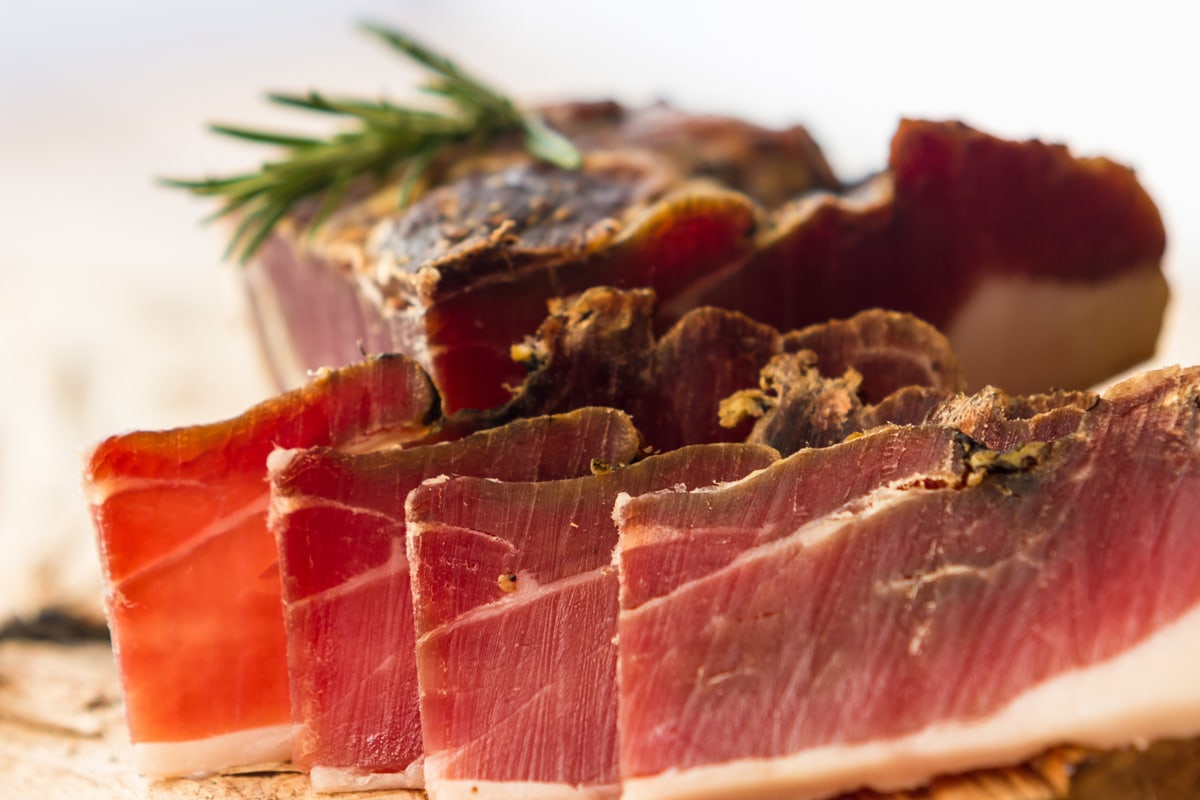
Consumers today are increasingly skeptical of mass-produced goods. Speck’s brand identity relies on the “storytelling” of its production process: “a little salt, a little smoke, and a lot of air.” By highlighting the mountain air of the Alps and the centuries-old traditional methods of curing, marketers transform a simple food item into an experiential luxury. Authenticity becomes the primary differentiator, pushing the brand into the “premium artisanal” segment, where loyalty is higher and price sensitivity is lower.
Strategic Marketing of Traditional Products
Marketing an ancient product in a contemporary market requires a bridge between legacy and modern consumer behavior. The strategy for Speck involves positioning the product not just as food, but as a lifestyle marker associated with the Mediterranean diet, gourmet home cooking, and sophisticated entertaining.
Visual Identity and Premium Packaging
The visual branding of Speck is heavily tied to the aesthetic of the Alps. Brands within this niche utilize rustic motifs, high-contrast imagery of mountain peaks, and minimalist, premium packaging that conveys “clean” and “natural” labeling. This is a deliberate strategy to appeal to the modern, health-conscious consumer who seeks transparency in ingredients. By emphasizing “non-GMO,” “nitrate-free,” or “natural wood smoke” processes, the brand reinforces its commitment to quality, a vital component of successful corporate identity in the food sector.
Influencer Marketing and Culinary Partnerships
A significant part of the Speck branding strategy involves moving the product out of the charcuterie board ghetto and into the center of creative culinary content. Partnering with high-profile chefs and food influencers allows the brand to demonstrate versatility. By showcasing how Speck can be utilized in modern fusion dishes—far beyond the traditional sandwich—the brand expands its total addressable market. This content-led strategy shifts the perception of Speck from a “traditional relic” to a “versatile ingredient for the modern kitchen.”
Managing Brand Integrity and Global Scaling
As any brand grows, the challenge of maintaining quality while scaling distribution becomes a primary concern for business strategists. The Speck industry provides a fascinating look at how collective branding works to manage this delicate balance.
Collective Branding vs. Individual Labels
In the Speck industry, producers operate under a collective umbrella—the Consortium of Speck Alto Adige. This is an advanced form of brand strategy where individual companies cooperate to maintain a set of quality standards that protect the entire category. For the business owner, this means that a smaller, boutique producer benefits from the massive marketing efforts of the entire region. This collective identity ensures that the brand equity of “Speck” remains high globally, preventing individual companies from cutting corners that would damage the reputation of the entire product category.
The Role of Certification in Trust
Trust is the currency of the modern food brand. Certification marks, such as the EU’s PDO seal, function as “trust badges.” In marketing, these are essential for overcoming the “risk-aversion” barrier. When a customer stands in front of a deli counter, they are often overwhelmed by choices. The PDO mark acts as a visual signal that reduces the cognitive load on the consumer. It is a promise that the product has undergone a rigorous audit, a concept that translates seamlessly from high-end food to any sector requiring trust-based marketing, such as cybersecurity or professional financial services.
The Future of Artisan Branding
As we look at the evolution of food brands, the strategy applied to Speck provides a blueprint for any business dealing in legacy products or artisanal goods. The future of this branding niche lies in digital integration and hyper-personalization.
Digital Transparency and Supply Chain Visibility
Modern consumers want to know the journey of their food. We are seeing a move toward QR-coded packaging where a consumer can scan the label and see the specific region or even the master-curer responsible for their particular batch of Speck. This is the next stage of brand strategy: the marriage of rustic tradition with cutting-edge supply chain transparency. Integrating blockchain or simple digital traceability interfaces is no longer just a “tech” feature; it is a branding imperative to prove the authenticity claims of the product.
Global Expansion Strategies
For traditional products, expansion is a double-edged sword. Increasing production volume often threatens the artisanal perception. The successful brand strategy here is “scarcity-based marketing.” By positioning Speck as an exclusive, finite product of a specific landscape, brands maintain high perceived value even while entering larger international markets. It is the same strategy utilized by luxury fashion houses; by never fully saturating the market, the brand maintains its aspirational quality.
Conclusion: The Lessons for Business
Ultimately, “What is Speck?” is a question of brand positioning. It is the result of decades of protecting a corporate identity, refining a narrative, and ensuring that the quality remains consistent with the promise made to the customer. Whether you are selling tech software, personal consulting services, or artisanal food, the lessons remain identical: define your origin, protect your quality with rigorous standards, and leverage the power of a compelling, authentic story to build a brand that transcends the product itself. In the arena of business, Speck proves that when a brand stays true to its identity, it does not just survive—it commands the market.
aViewFromTheCave is a participant in the Amazon Services LLC Associates Program, an affiliate advertising program designed to provide a means for sites to earn advertising fees by advertising and linking to Amazon.com. Amazon, the Amazon logo, AmazonSupply, and the AmazonSupply logo are trademarks of Amazon.com, Inc. or its affiliates. As an Amazon Associate we earn affiliate commissions from qualifying purchases.