
In the modern marketplace, coffee is no longer just a caffeinated beverage; it is a sophisticated cultural artifact, a design statement, and a masterclass in brand positioning. When we ask, “what is specialty coffee?” we are not merely discussing a biological classification of the Coffea arabica plant. Instead, we are examining a multi-billion dollar segment of the beverage industry that has successfully transitioned a global commodity into a luxury experience. For brand strategists and marketers, specialty coffee represents the pinnacle of “Third Wave” branding—a movement that prioritizes transparency, craftsmanship, and the narrative of origin over mass-market convenience.
Defining the Specialty Brand: Beyond the 80-Point Scale
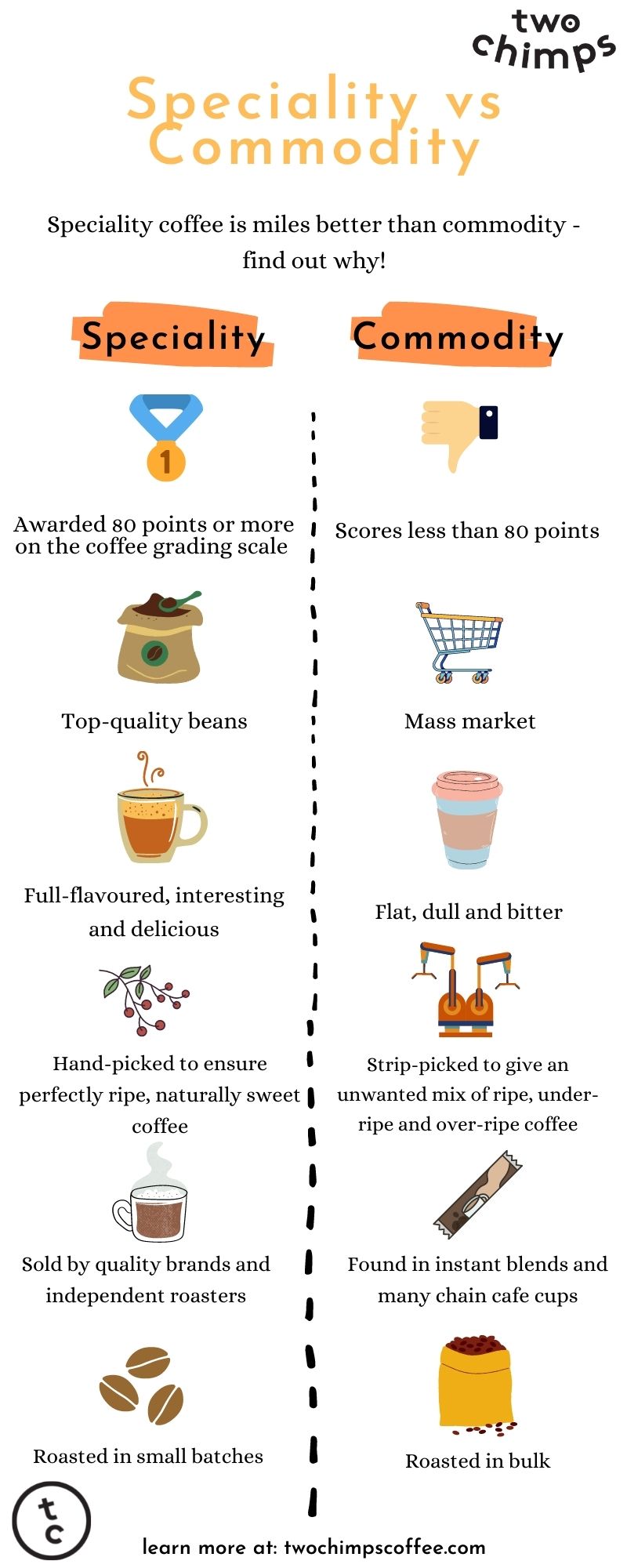
From a technical perspective, specialty coffee is defined by the Specialty Coffee Association (SCA) as any coffee that scores 80 points or higher on a standardized 100-point scale. These points are awarded by certified “Q-Graders” who evaluate the beans for defects, aroma, flavor, acidity, body, and balance. However, from a brand perspective, that 80-point threshold is the baseline for a premium value proposition.
The SCA Standard as a Quality Guarantee
In the world of corporate identity, certifications act as a shorthand for trust. Just as a “Certified B Corp” logo communicates social responsibility, the “specialty” designation communicates an inherent quality that justifies a higher price point. For a brand, this technical score serves as the “Reason to Believe” (RTB) in the marketing mix. It allows roasters to differentiate their product from “commercial grade” coffee—the mass-produced, undifferentiated tins found on supermarket shelves—by grounding their brand in objective excellence.
From Commodity to Craft: The Power of Positioning
The core of specialty coffee branding lies in de-commoditization. For decades, coffee was marketed as a uniform fuel. Specialty coffee brands inverted this by emphasizing the unique, the seasonal, and the finite. By focusing on micro-lots and specific varietals, brands like Blue Bottle and Intelligentsia transformed coffee from a pantry staple into a craft product akin to fine wine or artisanal spirits. This shift in positioning allows specialty brands to command prices three to five times higher than their commercial counterparts, appealing to a demographic that values connoisseurship over cost.
Storytelling as the Core Identity
If quality is the foundation of the specialty coffee brand, storytelling is its architecture. In the specialty sector, the “brand” is not just the logo on the bag; it is the entire journey of the bean from the farm to the cup. This narrative-driven approach is what builds deep emotional resonance with consumers.
Traceability and Transparency
Modern consumers, particularly Millennials and Gen Z, demand radical transparency. Specialty coffee brands leverage this by making traceability a core pillar of their identity. A typical specialty coffee label doesn’t just say “Coffee”; it lists the country of origin, the specific region, the name of the farm or washing station, the altitude at which the coffee was grown, and the processing method used (e.g., natural, washed, or honey-processed). This level of detail isn’t just information; it is a branding tool that creates an “aura of authenticity.” It signals to the consumer that the brand is deeply connected to its supply chain and committed to ethical sourcing.
The Role of Origin in Geographic Branding
Geographic branding—the idea that a specific location imparts unique qualities to a product—is essential to specialty coffee. Brands market “Ethiopian Yirgacheffe” or “Panamanian Geisha” as distinct experiences. By focusing on terroir, specialty brands create a sense of discovery. This allows them to launch “limited edition” releases based on harvest cycles, mirroring the scarcity models used by luxury fashion brands. The story of the farmer and the unique challenges of their specific micro-climate becomes a compelling piece of content that justifies the premium nature of the product.
Designing the Specialty Experience
Branding in the specialty coffee world extends far beyond the digital or print advertisement. It is a multisensory experience that encompasses visual identity, packaging, and the physical retail environment.

Visual Identity and Packaging
The packaging of specialty coffee has undergone a design revolution. Moving away from the traditional vacuum-sealed bricks, specialty roasters treat their bags as canvases for brand expression. Minimalist typography, high-quality matte materials, and vibrant, artist-commissioned illustrations are common. The design often reflects the brand’s personality: some opt for a laboratory-style aesthetic to emphasize precision and science, while others use warm, earthy tones to emphasize the human connection to the land. This visual differentiation is crucial on the “digital shelf” of Instagram and e-commerce platforms, where the aesthetic appeal of the bag is often the first point of contact with a new customer.
The Retail Environment as a Brand Touchpoint
The specialty coffee shop—often referred to as the “shrine to the bean”—is where the brand identity is fully realized. Every element is curated to reinforce the specialty message. The choice of espresso machine (often a high-end La Marzocco or Slayer), the minimalist interior design, the lack of “clutter,” and even the acoustics are designed to elevate the act of drinking coffee.
In this environment, the barista acts as the brand ambassador. Unlike a fast-food worker, the specialty barista is a trained professional who can explain the flavor profile of a pour-over or the fermentation process of a specific lot. This high-touch service model reinforces the “specialty” claim, ensuring that the consumer feels they are paying for expertise and an elevated lifestyle, not just a drink.
The Third Wave Movement: A Case Study in Market Evolution
To understand specialty coffee branding, one must understand the “Third Wave” of coffee. This term describes a movement that treats coffee as an artisanal foodstuff rather than a commodity.
Moving from Product-Centric to Experience-Centric
The First Wave (think Folgers) was about accessibility and mass consumption. The Second Wave (pioneered by Starbucks) introduced the concept of the “coffeehouse culture” and flavored lattes. The Third Wave, which is synonymous with specialty coffee, moved the focus back to the bean itself.
From a marketing strategy perspective, the Third Wave was a masterstroke in market segmentation. It identified a gap in the market for consumers who felt that Second Wave chains had become too corporate and homogenized. Specialty brands filled this gap by offering “authenticity” and “purity.” They stripped away the syrups and the whipped cream, focusing on the inherent flavors of the coffee. This “less is more” approach is a classic strategy for high-end brands looking to distinguish themselves from mid-market competitors.
Building Community and Brand Loyalty
Specialty coffee brands excel at building “brand communities.” Through cupping events (tasting sessions), brew guides, and subscription models, they engage their audience in a continuous educational loop. By teaching the consumer how to appreciate the nuances of coffee, the brand creates a more sophisticated customer who is less likely to return to commercial brands. This educational marketing creates high switching costs—not in a financial sense, but in a psychological one. Once a consumer learns to identify the notes of jasmine and bergamot in a specialty roast, a standard commercial cup feels inadequate.
Future-Proofing the Specialty Coffee Brand
As the market becomes more crowded, specialty coffee brands are evolving to maintain their edge. The next frontier of branding in this space involves deep integration of technology and social impact.
Sustainability and Ethical Marketing
In the specialty world, “Direct Trade” has become a powerful brand claim. By cutting out the middlemen, brands argue they can pay farmers more than the Fair Trade minimum. As climate change threatens coffee production, sustainability has moved from a “nice-to-have” to a core brand requirement. Brands that can prove their regenerative farming practices or their carbon-neutral shipping are gaining a competitive advantage. Here, the brand strategy is built on “moral luxury”—allowing the consumer to feel that their premium purchase is contributing to a better world.
Digital Adaptation and Direct-to-Consumer Models
The rise of the Direct-to-Consumer (DTC) model has allowed small specialty roasters to compete on a national or even global scale. Subscription services use data and AI to recommend beans based on a user’s flavor preferences, bringing the “barista’s expertise” into a digital format. This digital transformation is allowing specialty brands to scale without losing their “boutique” feel. The challenge for these brands is to maintain their premium identity in a digital space, often through high-production video content, exclusive “drop” culture, and seamless user experiences on their apps.
In conclusion, specialty coffee is a testament to the power of branding to transform a daily habit into a premium ritual. It is defined not just by a score on a sheet, but by a holistic strategy that leverages quality, storytelling, design, and community. For the brand strategist, the specialty coffee industry serves as a blueprint for how to elevate a product through the meticulous curation of every touchpoint in the consumer journey. As the industry continues to evolve, the brands that succeed will be those that can balance the technical precision of the “specialty” label with the emotional depth of a truly resonant brand story.
aViewFromTheCave is a participant in the Amazon Services LLC Associates Program, an affiliate advertising program designed to provide a means for sites to earn advertising fees by advertising and linking to Amazon.com. Amazon, the Amazon logo, AmazonSupply, and the AmazonSupply logo are trademarks of Amazon.com, Inc. or its affiliates. As an Amazon Associate we earn affiliate commissions from qualifying purchases.