
Specialist Disability Accommodation (SDA) represents a unique and crucial segment within the property and social care sectors, specifically designed to house individuals with extreme functional impairment or very high support needs. While its primary purpose is to provide appropriate living environments, SDA carries profound financial implications for participants, their families, investors, and the broader economy. Understanding SDA from a financial perspective is essential for anyone considering involvement, whether as a resident, a family member, or an investor seeking a distinctive asset class.
The Financial Framework of Specialist Disability Accommodation
The very existence and operational model of Specialist Disability Accommodation are underpinned by significant financial mechanisms, often involving government funding and specific investment incentives. Unlike conventional housing, SDA is not merely a place to live; it is a funded support designed to facilitate the delivery of personal supports in a purpose-built environment. This structure creates a distinct financial ecosystem.

Government Funding Models and Their Impact
In many countries, particularly Australia with its National Disability Insurance Scheme (NDIS), SDA is explicitly funded by the government. The NDIS provides a direct payment stream to SDA providers, making it a government-backed revenue model for property owners. This funding aims to cover the capital costs associated with building and maintaining specialized housing, recognizing that these properties are significantly more expensive to construct and manage than standard residential dwellings due to features like assistive technology, enhanced accessibility, and robust construction.
The value of SDA payments is determined by several factors, including:
- Design Category: Payments vary based on the level of accessibility and specialized features (e.g., Improved Liveability, Fully Accessible, High Physical Support, Robust). Higher specifications typically attract higher payments.
- Building Type: Apartments, villas, group homes, and larger dwellings each have specific payment rates, reflecting their typical construction costs and suitability for different support models.
- Location: Geographical factors can influence payments, often recognizing differing property values and construction costs across regions.
- Number of Residents: Payments are calculated per participant, but the overall efficiency and attractiveness of a dwelling often relate to the number of residents it can accommodate, impacting the total revenue stream for the provider.
This guaranteed revenue stream, often indexed to inflation, makes SDA an attractive proposition for investors and developers. It de-risks a significant portion of the property’s income, contrasting sharply with traditional rental markets where vacancy rates and market fluctuations pose greater financial uncertainties. The government’s commitment to funding SDA underscores its recognition of the economic and social benefits of providing appropriate housing solutions for its most vulnerable citizens, reducing long-term healthcare costs and improving quality of life.
The Role of Regulatory Bodies and Financial Oversight
Regulatory bodies play a critical role in overseeing the financial integrity and quality of SDA provisions. They establish standards for accommodation, ensuring that funding is allocated to properties that genuinely meet the high support needs of participants. This oversight includes auditing providers to ensure compliance with financial reporting, safeguarding participant funds, and verifying that accommodations meet the specified design categories. For investors and developers, navigating these regulations is a key financial consideration, as non-compliance can lead to funding withdrawal or penalties. Understanding the regulatory landscape is paramount for accurate financial projections and risk assessment.
SDA Property as an Investment Class
Specialist Disability Accommodation has emerged as a distinct and increasingly popular investment class, particularly attractive to those seeking stable, long-term returns with a social impact. Its unique financial structure sets it apart from conventional residential or commercial real estate investments.
Returns, Risks, and Financing Strategies
Investing in SDA property typically offers significantly higher rental yields compared to the broader residential market. These elevated yields are directly attributable to the substantial government funding provided per participant. Gross yields can often range from 8% to 15%, depending on the property’s design, location, and tenancy arrangements. This strong cash flow generation is a primary driver for investors.
However, like any investment, SDA comes with its own set of risks:
- Vacancy Risk: While demand for SDA often outstrips supply, finding the right participant match can take time. Extended vacancies can significantly impact cash flow, despite the attractive per-participant funding.
- Regulatory Changes: Government funding models, policies, and regulations can change over time, potentially impacting the financial viability of existing or planned SDA properties.
- Operational Complexity: Managing an SDA property involves more than just collecting rent. It requires understanding disability support needs, coordinating with support providers, and ensuring the property meets specific standards. This often necessitates partnering with experienced SDA providers and property managers, adding to operational costs.
- Illiquidity: Like all property investments, SDA can be illiquid. Selling a specialized property might take longer than selling a standard residential home, and the buyer pool is narrower.
Financing SDA properties often involves traditional mortgage products, but lenders may require a deeper understanding of the SDA funding model. Some financial institutions are developing specialized loan products for SDA, recognizing its unique risk and return profile. Investors also explore various structures, including direct ownership, syndicates, and funds dedicated to SDA, each with different capital requirements and risk exposures. Understanding the financing landscape is crucial for optimizing leverage and managing capital.
Market Drivers and Future Growth
The growth of the SDA market is driven by fundamental demographic and policy factors. The increasing number of NDIS participants with high support needs, coupled with a historical undersupply of appropriate housing, creates a strong demand-side imperative. Government commitments to providing choice and control for people with disabilities further fuel this demand.
Future growth is also influenced by:
- Innovation in Design: Advancements in assistive technology and universal design principles lead to more efficient and desirable SDA properties, enhancing their long-term value.
- Growing Awareness: As SDA becomes more widely understood, more investors are entering the market, contributing capital and driving development.
- Social Impact Investment: The opportunity to generate strong financial returns while contributing to a vital social cause appeals to a growing segment of impact investors.
These drivers suggest a sustained period of growth for the SDA sector, making it an attractive prospect for long-term capital appreciation and consistent income generation, provided investors conduct thorough due diligence and manage risks effectively.
Navigating the Costs: Participants’ Financial Considerations
For individuals with disabilities and their families, understanding the financial aspects of residing in Specialist Disability Accommodation is paramount. While SDA funding covers the capital costs of the property, participants are still responsible for certain financial contributions, impacting their personal finance and budgeting.
Rent and Reasonable Rent Contributions
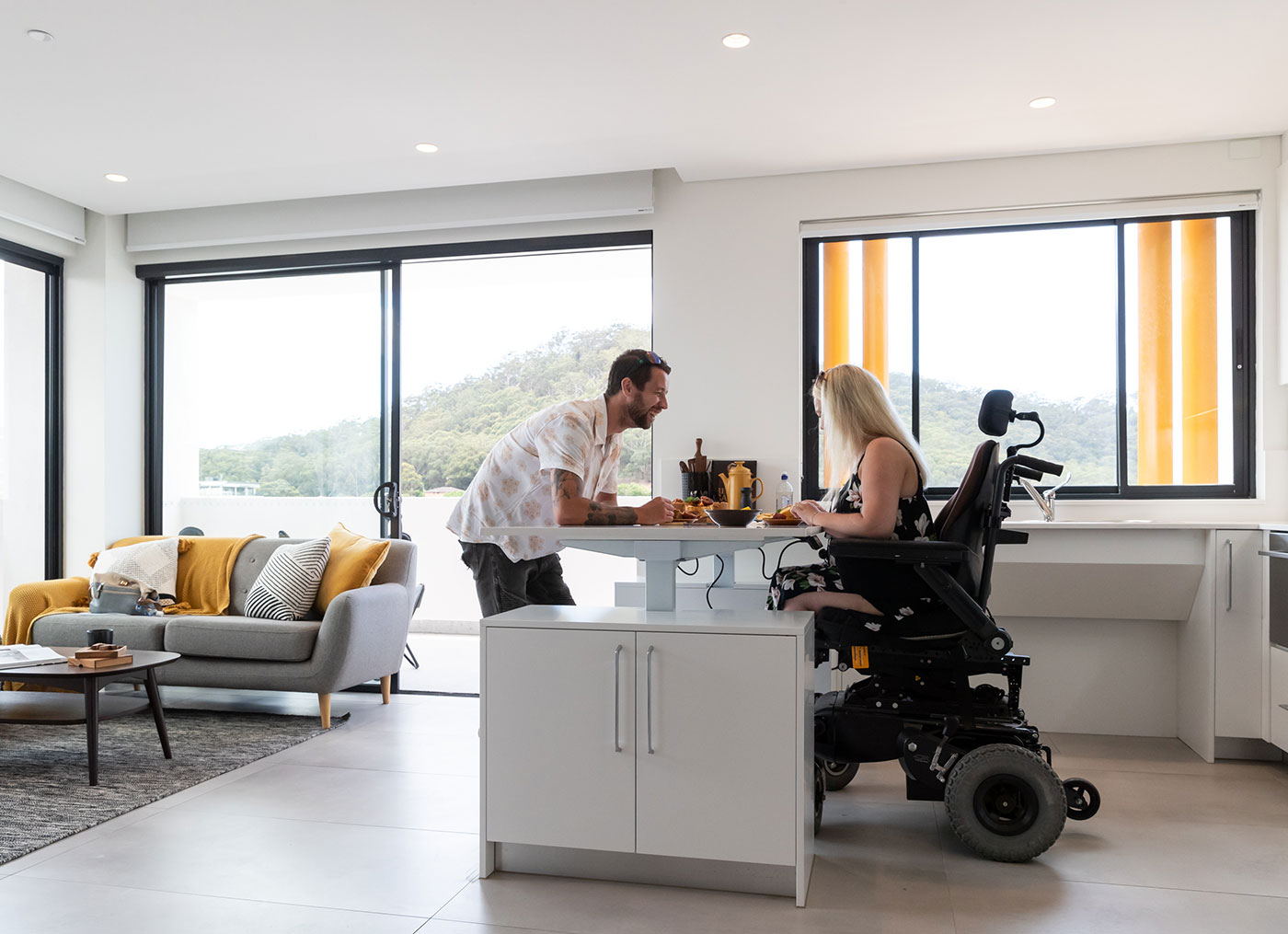
A key financial responsibility for participants in SDA is the payment of rent. While the government (e.g., NDIS) funds the specialized features and capital costs, participants are generally expected to pay a “reasonable rent contribution” from their own income or disability support pensions. This contribution is typically set at 25% of the Commonwealth Rent Assistance (CRA) component of their income, plus 100% of any additional CRA they receive.
Understanding this calculation is crucial for budgeting:
- Income Source: Most participants receive a Disability Support Pension (DSP) or similar government allowance. Their rental contribution is directly tied to a percentage of this income.
- Commonwealth Rent Assistance: This supplementary payment, received by eligible individuals, forms a significant part of the rent calculation.
- Transparency: SDA providers must clearly communicate the rental contribution amount and its calculation to participants and their nominees.
Careful financial planning is necessary to ensure that the rental contribution, alongside other living expenses, remains affordable within the participant’s overall income. Financial advisors specializing in disability planning can assist families in understanding these costs and integrating them into a broader financial strategy.
Managing NDIS Plan Budgets and Other Expenses
Beyond rent, participants in SDA still need to manage their NDIS plan budgets for a range of other supports and living expenses. SDA funding only covers the dwelling itself, not the daily supports (e.g., personal care, community participation), utilities, groceries, or general household items.
- Core Support Budget: Participants’ NDIS plans will include a Core Support budget to fund personal care and daily living activities, which are provided by support workers within the SDA dwelling. This budget must be carefully managed to ensure adequate support hours are available.
- Utilities and Household Bills: Like any tenant, SDA residents are typically responsible for their share of utility bills (electricity, water, gas, internet). In shared living arrangements, these are often split equally.
- Personal Expenses: Groceries, transport, recreation, and personal items are also funded from the participant’s own income or other NDIS plan budgets (e.g., Capacity Building).
Families and nominees often play a vital role in assisting participants with budgeting, paying bills, and managing their NDIS funds to ensure financial stability and access to all necessary supports. Financial literacy and planning around these varied expenses are critical for a successful and sustainable SDA living arrangement.
Funding and Developing SDA Projects
For developers and providers, bringing Specialist Disability Accommodation projects to fruition involves complex financial strategies, capital raising, and astute management of project costs. It operates as a distinct business model requiring specialized financial acumen.
Capital Raising and Project Finance
Developing SDA properties requires substantial upfront capital. Developers often combine various financing methods:
- Commercial Loans: Traditional commercial property loans are a primary source, though lenders may require detailed financial models demonstrating the project’s viability and understanding of the SDA funding mechanism.
- Equity Investment: Private equity, impact investors, or high-net-worth individuals often provide equity capital, attracted by the social good and potentially strong returns.
- Government Grants or Incentives: While direct grants for SDA construction are less common than the ongoing operational funding, some regional or innovative projects might qualify for specific government incentives or land concessions.
- Joint Ventures: Partnerships between developers, social housing providers, and disability service organizations can pool resources and expertise, sharing financial risk and reward.
The ability to present a robust business case, including detailed financial projections, risk assessments, and a clear exit strategy, is crucial for securing funding. Project finance for SDA must account for the specialized nature of construction, longer development timelines, and the regulatory environment.
Operational Costs and Sustainability
Once an SDA property is built and tenanted, providers must manage ongoing operational costs to ensure financial sustainability:
- Property Management: Specialized property management services are often required, given the unique needs of SDA properties and their tenants. This includes maintenance, repairs, and tenant liaison.
- Compliance and Reporting: Adhering to NDIS regulations and other housing standards involves administrative costs, including auditing and reporting requirements.
- Vacancy Management: Proactive strategies to minimize vacancy periods are essential. This includes effective marketing, building relationships with support coordinators, and managing the participant matching process.
- Insurance: Specialized insurance policies may be necessary to cover the specific risks associated with properties housing individuals with high support needs.
- Ongoing Maintenance and Upgrades: To maintain the property’s value and eligibility for SDA funding, regular maintenance and potential upgrades (e.g., new assistive technology) are necessary investments.
Successful SDA providers implement rigorous financial management systems to track income and expenditure, optimize operational efficiencies, and build reserves for future capital expenditure. Their business finance strategies must balance maximizing returns with maintaining a high quality of accommodation and support for participants.
Long-Term Financial Planning for SDA
Whether one is a participant, a family member, or an investor, a long-term financial perspective is crucial when engaging with Specialist Disability Accommodation. The enduring nature of disability and the significant capital involved necessitate foresight and strategic planning.

Future-Proofing Financial Arrangements
For families of participants, long-term financial planning involves ensuring continued access to appropriate housing and support. This might include:
- Trusts and Estate Planning: Establishing trusts or incorporating SDA considerations into estate plans can secure a participant’s financial future and housing arrangements beyond the lifetime of primary caregivers.
- Advocacy and NDIS Plan Reviews: Regularly reviewing NDIS plans to ensure SDA eligibility and adequate funding continues is vital, requiring ongoing advocacy and understanding of NDIS review processes.
- Financial Guardianship: For participants unable to manage their own finances, legal arrangements such as financial guardianship or power of attorney are essential for long-term stability.
For investors, future-proofing involves:
- Diversification: While SDA offers strong returns, diversifying a property portfolio across various asset classes or even different types of SDA properties can mitigate risk.
- Market Analysis: Continual monitoring of policy changes, demographic shifts, and regional demand for SDA is essential for making informed long-term investment decisions.
- Property Maintenance and Upgrades: Allocating funds for ongoing maintenance and potential future upgrades ensures the property remains attractive, compliant, and continues to command optimal SDA payments.
The long-term success of SDA, both as a support solution and an investment, hinges on robust financial planning that anticipates challenges, adapts to changes, and sustains the provision of high-quality, specialized housing.
aViewFromTheCave is a participant in the Amazon Services LLC Associates Program, an affiliate advertising program designed to provide a means for sites to earn advertising fees by advertising and linking to Amazon.com. Amazon, the Amazon logo, AmazonSupply, and the AmazonSupply logo are trademarks of Amazon.com, Inc. or its affiliates. As an Amazon Associate we earn affiliate commissions from qualifying purchases.