
In the rapidly evolving landscape of health technology, the “quantified self” movement has moved far beyond counting steps or monitoring heart rate variability. We are entering an era of deep-tissue and metabolic insights, where biomarkers that were once the sole province of clinical laboratories are now being integrated into wearable tech and smart home ecosystems. One such critical biomarker is urine specific gravity (often abbreviated as “spec grav”).
While traditionally a metric used by physicians to assess kidney function and hydration, specific gravity is becoming a cornerstone of the next generation of health-tech devices. By measuring the ratio of the density of urine to the density of water, technology is unlocking real-time data on metabolic efficiency, athletic performance, and chronic disease management.
Digital Health and the Quantified Self: Decoding the “Spec Grav” Metric
To understand the technological integration of this metric, we must first look at what urine specific gravity represents in a digital data context. In medical terms, it measures the concentration of all chemical particles in the urine. From a tech perspective, this is a high-fidelity data point that indicates how well an organism is maintaining homeostasis.
The Science Behind the Data Point
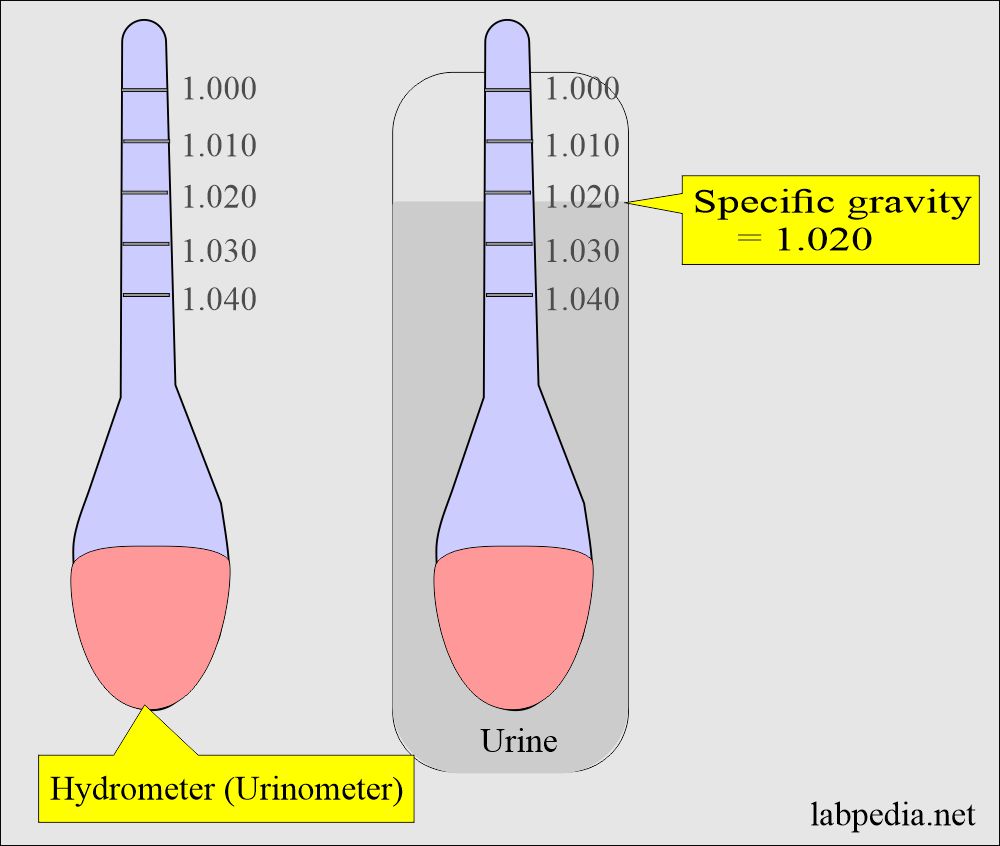
Specific gravity is a dimensionless unit. Pure water has a specific gravity of 1.000. In humans, typical values range from 1.002 to 1.030. Tech developers are focusing on this range because it provides a granular look at hydration levels that thirst—a subjective and often delayed signal—cannot match. Digital sensors can now detect minute fluctuations in this range, providing early-warning systems for dehydration or overhydration (hyponatremia).
Integration with Wearable Ecosystems
Modern health platforms, such as Apple HealthKit and Google Fit, are increasingly looking for ways to ingest biochemical data. Specific gravity serves as a “ground truth” for hydration. While smartwatches use photoplethysmography (PPG) to estimate hydration via pulse wave analysis, these are often estimations. The integration of direct specific gravity data allows these AI-driven ecosystems to calibrate their algorithms, leading to more accurate recovery scores for athletes and health insights for the elderly.
From Dipsticks to Digital Sensors: The Evolution of Urinalysis Tech
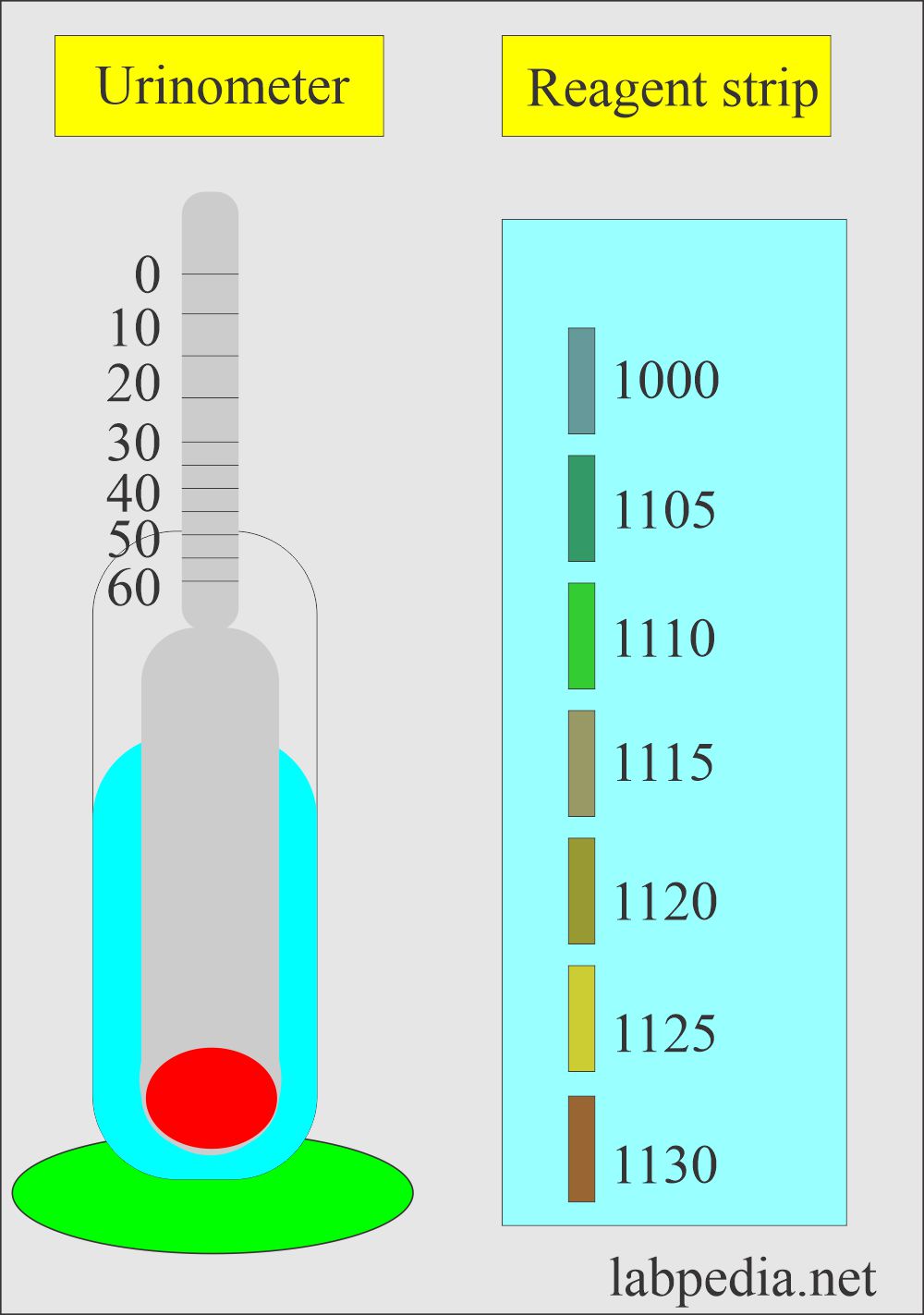
For decades, measuring specific gravity required manual labor: a patient would provide a sample, and a technician would use a refractometer or a chemical dipstick. This “snapshot” approach is being replaced by “streaming” health data, thanks to innovations in microfluidics and optical sensing.
Optical Refractometry and Smartphone Integration
One of the most significant leaps in this niche is the development of smartphone-connected urinalysis kits. Companies like Healthy.io have pioneered the use of computer vision to turn a standard smartphone camera into a clinical-grade diagnostic tool. By using a specialized kit and a mobile app, users can scan a test strip; the app’s AI then corrects for lighting conditions and provides an instant, digitized reading of specific gravity. This moves the lab into the living room, reducing the friction of data collection.
IoT and the Rise of the Smart Toilet
The ultimate frontier for monitoring specific gravity is the “Smart Bathroom.” Tech giants and startups alike (such as Withings and Toto) are developing sensors that integrate directly into the toilet bowl. These IoT (Internet of Things) devices use reagent-less optical sensors—often employing infrared spectroscopy—to measure the refractive index of urine as it passes.
This creates a seamless, passive data collection stream. Unlike a wearable that must be charged or a dipstick that requires manual effort, the smart toilet collects specific gravity data every time a user uses the bathroom. This longitudinal data allows AI models to establish a “personal baseline,” identifying anomalies that could indicate underlying issues like diabetes insipidus or acute kidney injury long before physical symptoms appear.
AI and Predictive Analytics: Beyond Simple Hydration Tracking
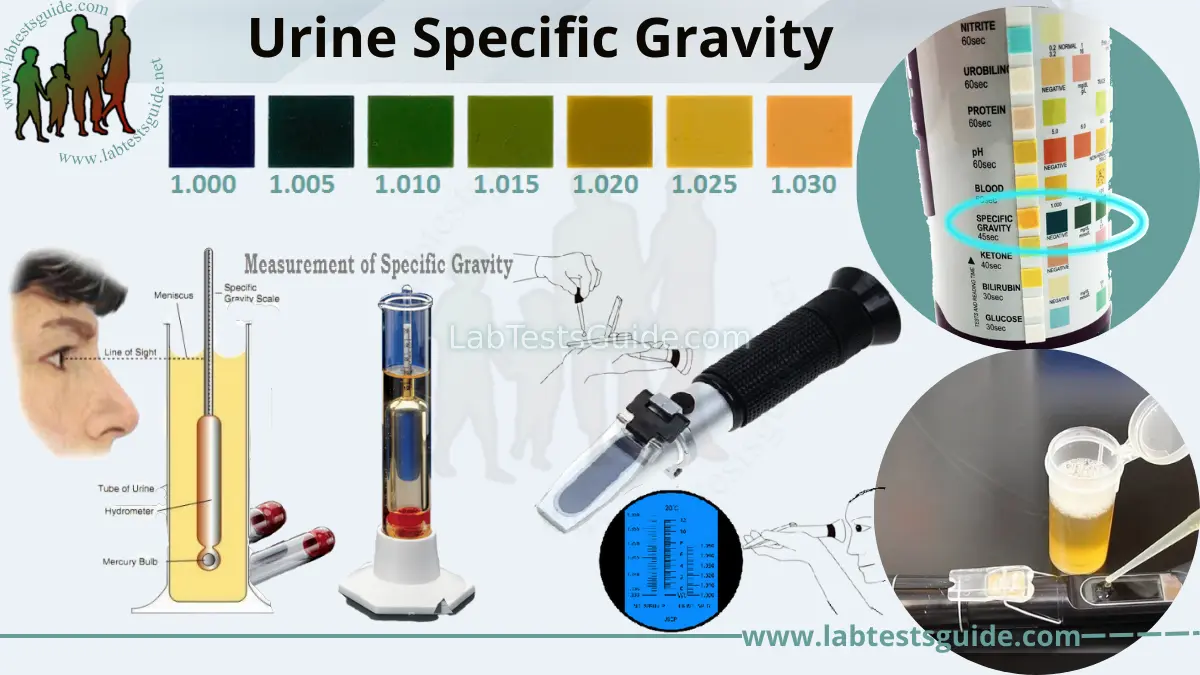
The value of specific gravity data increases exponentially when processed through machine learning (ML) algorithms. On its own, a spec grav reading of 1.025 might just mean you need a glass of water. However, when aggregated with other digital biomarkers, it becomes a powerful predictive tool.
Correlation with Performance and Recovery
In the realm of elite sports tech, AI platforms are using specific gravity to optimize training loads. By analyzing the delta (change) in specific gravity before and after a workout, combined with sleep data and heart rate recovery, ML models can predict an athlete’s risk of injury. If the technology detects a trend of high specific gravity despite reported high fluid intake, it may signal metabolic stress or an impending “overtraining syndrome,” prompting the coach’s dashboard to recommend a rest day.
Chronic Disease Management and Remote Patient Monitoring (RPM)
For patients with congestive heart failure or chronic kidney disease (CKD), specific gravity is a vital sign. Tech-driven Remote Patient Monitoring (RPM) systems use these readings to monitor fluid retention. If a patient’s specific gravity drops significantly while their weight (monitored by a smart scale) increases, AI-driven alerts can notify a healthcare provider of potential fluid overload. This proactive tech intervention can prevent emergency room visits and allow for real-time medication adjustments.
The Smart Bathroom Revolution: Integrating Diagnostics into Daily Life
The transition of specific gravity monitoring from the clinic to the home is part of a broader “ambient sensing” trend in technology. The goal is to make health monitoring invisible and frictionless, removing the “patient” stigma and replacing it with “user experience.”
The Engineering Challenges of In-Situ Sensors
Developing sensors that can accurately measure specific gravity in a toilet environment is a significant engineering feat. The hardware must be corrosion-resistant, bio-foul resistant, and capable of self-calibration. Tech firms are experimenting with ultrasonic sensors and advanced colorimetry to ensure that the presence of cleaning chemicals or varying water volumes does not skew the specific gravity data.
User Experience (UX) and Data Visualization
Collecting the data is only half the battle; the other half is presenting it. High-end health apps are moving away from showing raw numbers like “1.018.” Instead, they use intuitive UX design—color-coded scales, “hydration energy” scores, and haptic feedback—to inform the user. The tech focuses on “actionable insights.” For example, an app might send a push notification: “Your concentration levels are rising; your cognitive performance may dip in the next hour. Drink 12oz of water now.”
Data Privacy and the Ethics of Digital Bio-monitoring
As we move toward a world where our bathrooms and smartphones are constantly analyzing our biological output, we encounter the complex intersection of digital security and bio-ethics. Specific gravity data, while seemingly benign, is a component of a person’s “biological signature.”
Securing the “Internet of Bodies”
The data generated by smart urinals or smartphone-based kits is highly sensitive. Tech companies in this space must employ end-to-end encryption and comply with rigorous standards like HIPAA in the US or GDPR in Europe. The risk of “bio-hacking”—where an individual’s health status could be leaked to insurers or employers—is a primary concern. The next generation of diagnostic tech must be “secure by design,” using decentralized identifiers or on-device processing (edge computing) to ensure that raw biological data never leaves the user’s local network unless explicitly authorized.
The Ethics of Constant Monitoring
There is also a psychological component to this technology. Tech developers are currently debating the “over-diagnosis” trap. If a user receives an alert every time their specific gravity fluctuates slightly, it can lead to health anxiety (cyberchondria). The challenge for software engineers and UI/UX designers is to build “intelligence buffers”—algorithms that filter out insignificant noise and only alert the user when a genuine, sustained trend requires attention.
Conclusion: The New Frontier of Biological Intelligence
What was once a simple lab value—urine specific gravity—has become a vital data point in the digital transformation of healthcare. Through the integration of IoT hardware, smartphone-based AI, and sophisticated predictive analytics, “spec grav” is being transformed from a medical footnote into a pillar of personalized wellness.
As technology continues to shrink the distance between the laboratory and the home, we are gaining unprecedented agency over our own biology. The future of health tech lies in these invisible streams of data, where the mundane act of using the bathroom becomes a high-tech diagnostic event, allowing us to optimize our performance, manage our health, and predict illnesses before they even arrive. In this new era, the most important computer you own might not be the one on your desk, but the sensors integrated into the very fabric of your daily life.
aViewFromTheCave is a participant in the Amazon Services LLC Associates Program, an affiliate advertising program designed to provide a means for sites to earn advertising fees by advertising and linking to Amazon.com. Amazon, the Amazon logo, AmazonSupply, and the AmazonSupply logo are trademarks of Amazon.com, Inc. or its affiliates. As an Amazon Associate we earn affiliate commissions from qualifying purchases.