
The Core Components of an Enduring Brand Staple
The SPAM brand, a culinary icon with global recognition, owes much of its enduring success and distinct identity to a surprisingly simple yet strategically formulated set of ingredients. Far from being a complex concoction, the original SPAM luncheon meat is built upon a foundation of fundamental components that have remained largely consistent since its inception in 1937. This intentional simplicity is not merely a manufacturing convenience; it is a critical element of its brand strategy, contributing to its reliability, shelf-stability, and unique flavor profile that consumers have recognized and trusted for decades. Understanding these core components is key to appreciating how the SPAM brand has cultivated such widespread and lasting appeal.

Unpacking the Original Recipe
At its heart, the original SPAM luncheon meat comprises six primary ingredients: pork with ham, salt, water, potato starch, sugar, and sodium nitrite. This concise list is a testament to focused product development, aiming for efficiency in production, extended shelf life, and a consistent sensory experience. The clarity and relative transparency of this ingredient list have become an implicit part of the brand’s narrative, especially in countering misconceptions about “mystery meat.”
The primary protein source is a blend of pork and ham. This isn’t just “any” pork; the inclusion of ham suggests specific cuts or preparations that contribute to the distinct texture and savory flavor profile that SPAM is known for. This choice of protein immediately positions SPAM within a particular culinary tradition, offering a familiar and satisfying base that appeals to a broad consumer base.
Salt is perhaps the most critical ingredient after the meat itself. Beyond its fundamental role as a flavor enhancer, salt is a potent preservative. Its high concentration in SPAM contributes significantly to the product’s legendary shelf-stability, a defining characteristic that was crucial during its early adoption as a wartime staple and remains a key brand differentiator today.
Water serves as a binding agent, helping to achieve the characteristic smooth, gelatinous texture of SPAM, while also ensuring proper emulsification of fats and proteins. Its presence contributes to the product’s overall mouthfeel and consistency, which are vital for maintaining consumer expectations across countless servings.
Potato starch (or modified potato starch) acts as a binder and thickener, helping to create the firm, sliceable texture that SPAM is famous for. It ensures that the product holds its shape, whether sliced cold or fried, contributing to the consistent user experience that reinforces brand quality.
A touch of sugar (typically refined sugar) is included to balance the saltiness and enhance the overall flavor profile, adding a subtle sweetness that rounds out the savory notes. This delicate balance of sweet and savory is a signature of the SPAM brand, making it versatile for various culinary applications.
Finally, sodium nitrite is a curing agent, serving multiple vital functions. It plays a crucial role in preventing the growth of harmful bacteria, further extending shelf life. Moreover, it is responsible for the characteristic pink color of cooked cured meats, a visual cue that is instantly recognizable and intrinsic to the SPAM brand’s identity. It also contributes to the distinct cured meat flavor that differentiates SPAM from fresh pork.
Brand Identity Forged Through Simplicity and Consistency
The genius of SPAM’s ingredient strategy lies not just in what goes into the can, but in how these ingredients contribute to an unshakeable brand identity. Consistency across taste, texture, and visual appeal has been paramount to building and maintaining consumer trust and recognition.
The Power of a Recognizable Flavor Profile
The unique blend of salty, savory, and subtly sweet notes, combined with the distinctive cured pork flavor, forms a recognizable profile that is synonymous with the SPAM brand. This consistent flavor across millions of cans sold globally means that a consumer in Hawaii will experience the same taste as one in South Korea or the UK. This unwavering flavor profile has fostered a powerful brand association, creating a loyal consumer base that trusts the product to deliver the same satisfying experience every time. It’s a flavor that evokes nostalgia for some, and culinary comfort for others, anchoring its place in diverse food cultures. The distinctness of this flavor has allowed the brand to stand out in a crowded market of processed meats, creating its own niche.
Unwavering Product Uniformity
From its texture that allows for perfect slicing to its uniform pink hue, SPAM’s product uniformity is a cornerstone of its brand promise. This consistency is a direct result of precise ingredient ratios and meticulous manufacturing processes. For a brand that gained prominence during challenging times, reliability was paramount. Consumers knew exactly what they were getting with every can of SPAM – a predictable, high-quality product. This consistency builds immense brand equity, reducing purchase risk for the consumer and fostering a sense of familiarity and security with the product. When a brand consistently delivers the same experience, it builds an almost unbreakable bond with its audience.
Adapting to Modern Palates While Maintaining Core Identity
While the original recipe remains sacrosanct for preserving the core brand identity, Hormel Foods, the parent company, has strategically introduced variations to cater to evolving consumer preferences and dietary trends. Products like SPAM Lite, SPAM Less Sodium, and SPAM with Real Bacon are carefully crafted modifications, not radical departures. These variants often involve adjusting proportions of existing ingredients (e.g., reducing fat or sodium content) or adding complementary components (like real bacon) while ensuring the essence of the SPAM brand – its texture, versatility, and convenience – remains intact. This approach demonstrates a delicate balance: innovating to expand market reach without diluting the powerful brand heritage tied to the original ingredient formulation. The core brand promise, defined by the original ingredients, acts as the anchor for all extensions.
Marketing the Unassuming: Ingredient Transparency and Consumer Trust
The narrative surrounding SPAM’s ingredients has played a significant role in its marketing and public perception, evolving from a wartime necessity to a global culinary phenomenon. The brand’s ability to communicate its simple ingredient list effectively has been crucial in building and maintaining consumer trust.
From Wartime Ration to Household Name
SPAM’s initial rise to prominence was heavily influenced by its simple, stable ingredients. During World War II, the product’s long shelf life (due to its curing salts and canning process) and robust nutritional profile made it an ideal and indispensable protein source for soldiers. This period indelibly linked SPAM to themes of reliability, sustenance, and resilience. The brand’s identity was forged in a context where its very ingredients offered solutions to pressing logistical and nutritional challenges. This historical context provides a powerful, if sometimes understated, narrative for the brand, symbolizing endurance and utility. The ingredients weren’t just components; they were a lifeline.
Addressing Ingredient Perceptions and Misconceptions
Despite its simple list, SPAM has, at times, faced skepticism and urban myths regarding its contents, often being labeled “mystery meat.” The brand has actively combated these misconceptions through transparent ingredient labeling and direct communication. By clearly stating “Pork with Ham,” the brand demystifies its primary component. This commitment to transparency is a crucial aspect of modern brand management, where consumers increasingly demand to know what they are consuming. Hormel Foods’ sustained effort to educate consumers about SPAM’s straightforward ingredients reinforces trustworthiness and combats negative brand perceptions, turning potential detractors into informed consumers. This ongoing dialogue about ingredients is a testament to the brand’s commitment to clarity and authenticity.
The Role of Ingredients in Global Brand Penetration
The simplicity and stability of SPAM’s ingredients have been instrumental in its remarkable global penetration. These properties allow the product to be shipped and stored in diverse climates without refrigeration for extended periods, making it accessible in markets where fresh meat or complex food supply chains are challenging. This inherent robustness, born from its ingredient list, allowed SPAM to seamlessly integrate into various international cuisines. In Hawaii, South Korea, the Philippines, and the United Kingdom, SPAM’s ingredients have been embraced and adapted into local culinary traditions, from Spam Musubi to budae jjigae. This versatility, directly enabled by its core components, has transformed SPAM from an American processed meat into a truly global ingredient, strengthening its brand recognition and cultural relevance worldwide. Its ability to transcend cultural barriers is a powerful brand story rooted in its fundamental makeup.
The Brand’s Nutritional Dialogue and Evolving Strategy
In an era of heightened health consciousness, the discussion around SPAM’s ingredients inevitably touches upon its nutritional profile. The brand’s strategic approach to addressing these concerns and innovating with its ingredient list reflects a dynamic engagement with consumer health trends.
Ingredient Profile and Dietary Trends
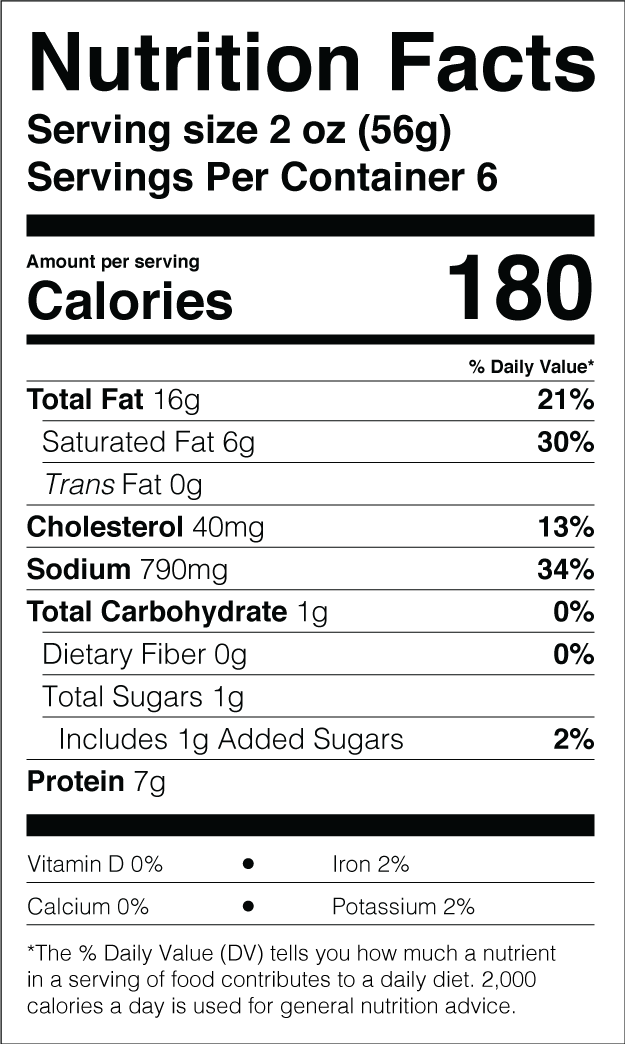
The original SPAM, due to its ingredients, is relatively high in protein, fat, and sodium. While these attributes were once seen purely as benefits (energy, preservation), modern dietary trends often scrutinize them. The brand, however, doesn’t shy away from this. Instead, it positions its product as a component of a balanced diet or as an occasional indulgence. Its ingredient transparency allows consumers to make informed choices. The discussion isn’t about hiding ingredients but contextualizing their role and presence. For many, the protein content offers satiety, and the fat provides flavor. The challenge for the brand is to manage perceptions around sodium and saturated fat while maintaining the distinct flavor profile consumers expect.

Ingredient-Driven Product Extensions
Hormel’s strategy of introducing ingredient-modified variants is a masterclass in brand evolution. SPAM Lite, for instance, reduces fat and sodium, primarily by adjusting the proportions of pork, water, and starch, while still retaining the essential ‘SPAMness.’ SPAM Less Sodium directly targets a key consumer concern by modifying the salt content. These ingredient-driven product extensions are not merely new products; they are strategic brand moves designed to broaden SPAM’s appeal to health-conscious consumers without alienating the loyal base of the original product.
By offering these choices, the brand demonstrates an understanding of evolving consumer needs, showing adaptability while remaining true to its heritage. Each variant is a careful recalibration of the original ingredient formula, proving that even a legacy brand can innovate from within, using its foundational ingredients as a springboard for strategic growth and enhanced market relevance. This careful balance ensures the SPAM brand remains vibrant and relevant across generations and changing dietary landscapes.
aViewFromTheCave is a participant in the Amazon Services LLC Associates Program, an affiliate advertising program designed to provide a means for sites to earn advertising fees by advertising and linking to Amazon.com. Amazon, the Amazon logo, AmazonSupply, and the AmazonSupply logo are trademarks of Amazon.com, Inc. or its affiliates. As an Amazon Associate we earn affiliate commissions from qualifying purchases.