
The gritty, adrenaline-fueled world of Sons of Anarchy captivated audiences for seven seasons with its tales of brotherhood, violence, and the complexities of outlaw life. But beyond the dramatic narratives and unforgettable characters, many viewers have pondered a fundamental question: what is Sons of Anarchy based on? While the series presents a fictionalized narrative, its roots are firmly planted in a blend of historical events, cultural archetypes, and the enduring allure of the American outlaw motorcycle club. This article will delve into the real-world inspirations that shaped the iconic FX drama, examining its thematic parallels with historical outlaw biker gangs, the Shakespearean tragedy that served as its literary bedrock, and the broader cultural fascination with rebels and counter-cultures.
The Shadow of Real-Life Outlaw Motorcycle Clubs
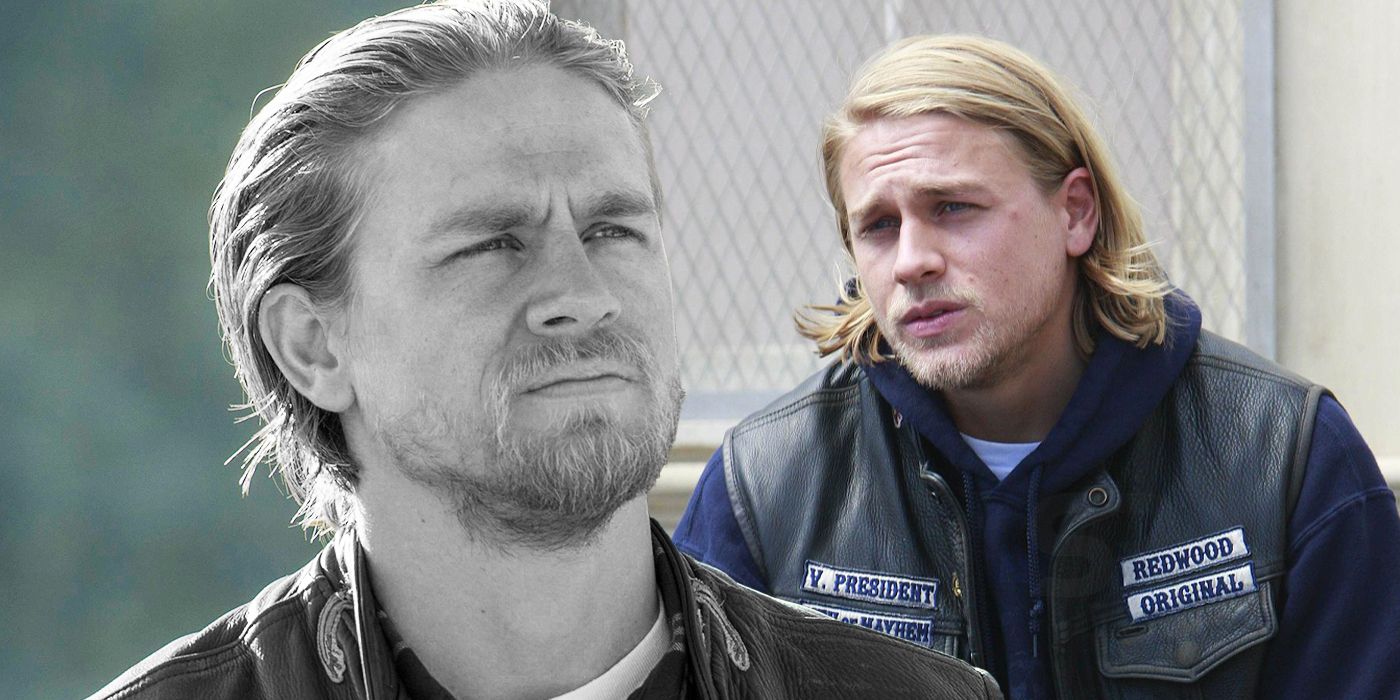
The most apparent influence on Sons of Anarchy is undoubtedly the existence and history of outlaw motorcycle clubs (OMCs) in the United States. While the specific club depicted, the Sons of Anarchy Motorcycle Club, Redwoods Chapter (SAMCRO), is fictional, its portrayal draws heavily from the characteristics, organizational structures, and notorious reputations of real-world OMCs like the Hells Angels, the Outlaws, and the Bandidos.
The Genesis of the Biker Subculture
The emergence of motorcycle clubs in the post-World War II era was deeply intertwined with the cultural landscape of the time. Returning soldiers, many of whom had experienced a sense of camaraderie and a thirst for freedom, found solace and a new sense of identity in riding motorcycles. The motorcycle itself became a symbol of rebellion against conformity, an emblem of a lifestyle that rejected mainstream societal norms. These early clubs, initially focused on shared passion for riding and mechanical prowess, gradually evolved.
Over time, particularly from the 1950s and 60s onwards, a segment of these clubs began to embrace a more overtly anti-establishment and even criminal element. This shift, amplified by sensationalized media portrayals and high-profile incidents, cemented the image of the “outlaw biker” in the public consciousness. Sons of Anarchy masterfully tapped into this established cultural archetype, exaggerating certain aspects for dramatic effect while retaining the core elements that define these groups.
Structure, Hierarchy, and Rituals
The internal workings of SAMCRO in Sons of Anarchy mirror many of the organizational structures found in real OMCs. The president, vice-president, sergeant-at-arms, and treasurer roles are all standard positions within these clubs, each with specific responsibilities. The concept of “patches” – the vests adorned with club insignias – is also a crucial element, representing loyalty, rank, and a shared identity. The show meticulously depicts the rituals involved in becoming a member, the voting processes for crucial decisions, and the fierce loyalty demanded by the club, all of which are hallmarks of authentic OMC culture.
The “old lady” dynamic, the relationships between club members and their female partners, and the often complex and violent entanglements that arise from these relationships are also explored with a realism that reflects the harsh realities faced by women associated with OMCs. While the show often sensationalizes these dynamics for narrative impact, the underlying themes of possessiveness, control, and the impact of club life on personal relationships are rooted in observed realities.
The Criminal Underbelly
Perhaps the most significant parallel between Sons of Anarchy and real OMCs is the exploration of their involvement in criminal activities. The show depicts SAMCRO engaging in gun-running, pornography, extortion, and murder. While not all motorcycle clubs are criminal enterprises, it is undeniable that many notorious OMCs have been implicated in and convicted of various criminal offenses. Law enforcement agencies have long monitored these groups, recognizing the significant threat they can pose to public safety.
Sons of Anarchy doesn’t shy away from the brutal consequences of this criminal lifestyle. The constant threat of law enforcement intervention, rival club warfare, and internal betrayals are central to the show’s plot. This portrayal, while dramatized, reflects the real dangers and precarious existence that many individuals within the outlaw motorcycle club scene face. The show’s writers did extensive research, consulting with former law enforcement officers who specialized in OMC investigations, to lend authenticity to their depiction of the criminal elements at play.
A Shakespearean Foundation: Hamlet’s Echoes in Charming’s Reign
Beyond the literal depiction of biker culture, Sons of Anarchy is profoundly influenced by one of literature’s most enduring tragedies: William Shakespeare’s Hamlet. Creator Kurt Sutter has openly acknowledged this literary inspiration, and the parallels, once recognized, are strikingly evident. The core narrative of Hamlet – a prince grappling with revenge, moral ambiguity, and the corrupting nature of power – finds a powerful echo in the story of Jax Teller and the Sons of Anarchy.
The Prince of Denmark Meets the Prince of Charming
Hamlet, the titular prince of Denmark, is tasked with avenging his father’s murder by his uncle, Claudius, who has usurped the throne and married Hamlet’s mother. Similarly, Jax Teller, the son of the club’s deceased co-founder, John Teller, is haunted by his father’s legacy and the perceived betrayal of his mother and stepfather, Clay Morrow, who now runs SAMCRO. Jax is thrust into a position of leadership and moral reckoning, constantly torn between the violent, pragmatic demands of the club and his own evolving sense of morality and desire for a different future.
The character of Hamlet is plagued by indecision, introspection, and a deep sense of melancholy, often questioning his own sanity and the morality of his actions. Jax, too, undergoes a similar internal struggle. He grapples with the violence he perpetuates, the lies he is forced to tell, and the sacrifices he makes in the name of the club. His journey is one of increasing disillusionment, as the romanticized ideal of his father’s vision of SAMCRO crumbles under the weight of its brutal reality.
Betrayal, Deception, and the Corrupting Nature of Power
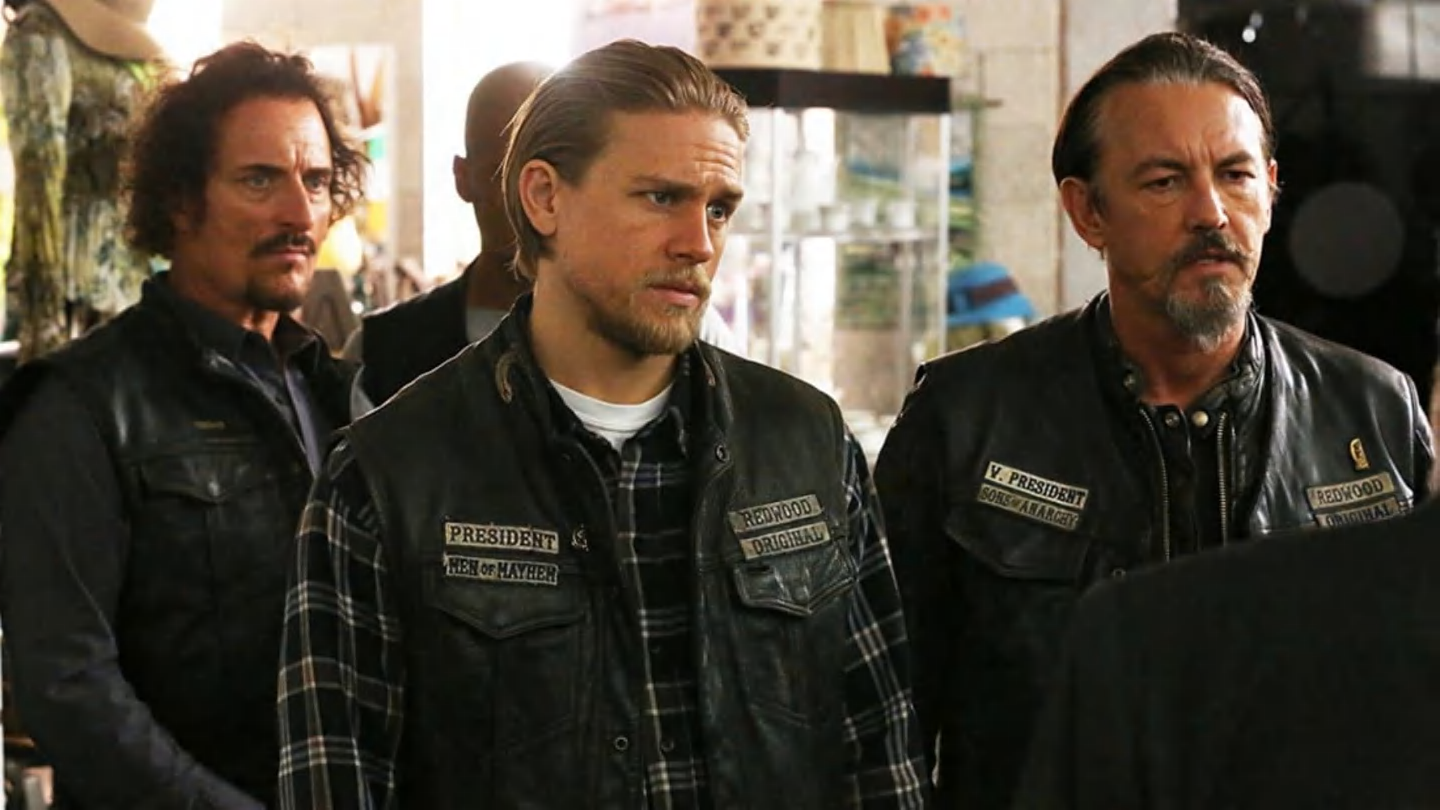
The themes of betrayal and deception are central to both Hamlet and Sons of Anarchy. Claudius’s murder of his brother and his subsequent scheming to maintain power mirrors Clay Morrow’s calculated actions within SAMCRO. Clay, driven by ambition and a lust for control, repeatedly betrays those closest to him, including his wife Gemma and his stepson Jax, in his ruthless pursuit of power. The web of lies and manipulation that ensnares the characters in Sons of Anarchy creates a sense of impending doom, much like the unfolding tragedy in Hamlet.
Furthermore, both narratives explore the corrupting influence of power. Hamlet, in his quest for vengeance, becomes increasingly isolated and morally compromised. Similarly, Jax, as he ascends to leadership within SAMCRO, finds himself making increasingly brutal decisions and shedding his former idealism. The show effectively demonstrates how the pursuit and maintenance of power within a violent, lawless organization can erode one’s humanity.
The Ghostly Presence of the Past
In Hamlet, the ghost of his father reveals the truth of his murder, setting Hamlet on his path of vengeance. In Sons of Anarchy, the “ghost” of John Teller manifests through his journals, which Jax discovers. These journals offer a glimpse into his father’s original vision for SAMCRO – a club focused on community and positive change, rather than the criminal enterprise it has become. This literary device serves as a constant reminder to Jax of what the club was meant to be, fueling his internal conflict and his desire to honor his father’s true legacy, even if it means dismantling the current structure of SAMCRO.
The parallels extend to other characters as well. Ophelia’s descent into madness and tragic end finds a thematic resonance in the fates of several female characters in Sons of Anarchy, particularly Tara Knowles, whose aspirations for a life outside the club are ultimately consumed by its violence. Polonius, the meddling counselor, can be seen in characters like Unser, whose attempts to navigate the complexities of the club often lead to unintended and tragic consequences.
The Broader Cultural Fascination with Rebels and Counter-Cultures
Beyond the specific influences of real OMCs and Shakespearean tragedy, Sons of Anarchy taps into a broader, enduring cultural fascination with rebels, outlaws, and those who choose to live outside the boundaries of mainstream society. This fascination is a recurring theme in popular culture, from classic Westerns to contemporary crime dramas.
The Allure of the “Bad Boy” Archetype
The outlaw biker archetype, as depicted in Sons of Anarchy, embodies a powerful allure. These characters often exude a rugged masculinity, a fierce sense of loyalty to their chosen family, and a rejection of societal expectations. They are individuals who live by their own codes, unburdened by conventional morality, and possess a freedom that many in the audience may secretly envy. This “bad boy” archetype, while often romanticized, speaks to a primal desire for independence and a rebellion against the perceived constraints of modern life.
Sons of Anarchy doesn’t shy away from the dark side of this archetype. The characters are often violent, reckless, and prone to destructive behavior. However, the show skillfully balances this darkness with moments of profound loyalty, unexpected tenderness, and a deep sense of brotherhood that resonates with viewers. This complexity is what makes the characters, despite their often reprehensible actions, so compelling and relatable on a fundamental human level.
The Romance of the Open Road and Freedom
The motorcycle itself is a potent symbol of freedom and the open road. For many, riding a motorcycle represents an escape from the mundane, a chance to experience the world with a raw, visceral connection. Sons of Anarchy effectively captures this romantic notion, showcasing the freedom and exhilaration of riding, but also highlighting the inherent dangers and the constant pursuit by law enforcement that comes with such a lifestyle. The visual imagery of the club riding in formation, against the backdrop of vast landscapes, reinforces this sense of liberation.
However, the show also reveals the illusion of this freedom. For the members of SAMCRO, their chosen path of outlawry ultimately leads to a gilded cage, where they are trapped by their past actions, their enemies, and the relentless cycle of violence. The freedom they initially sought becomes a self-imposed prison.
The Appeal of the “Chosen Family”
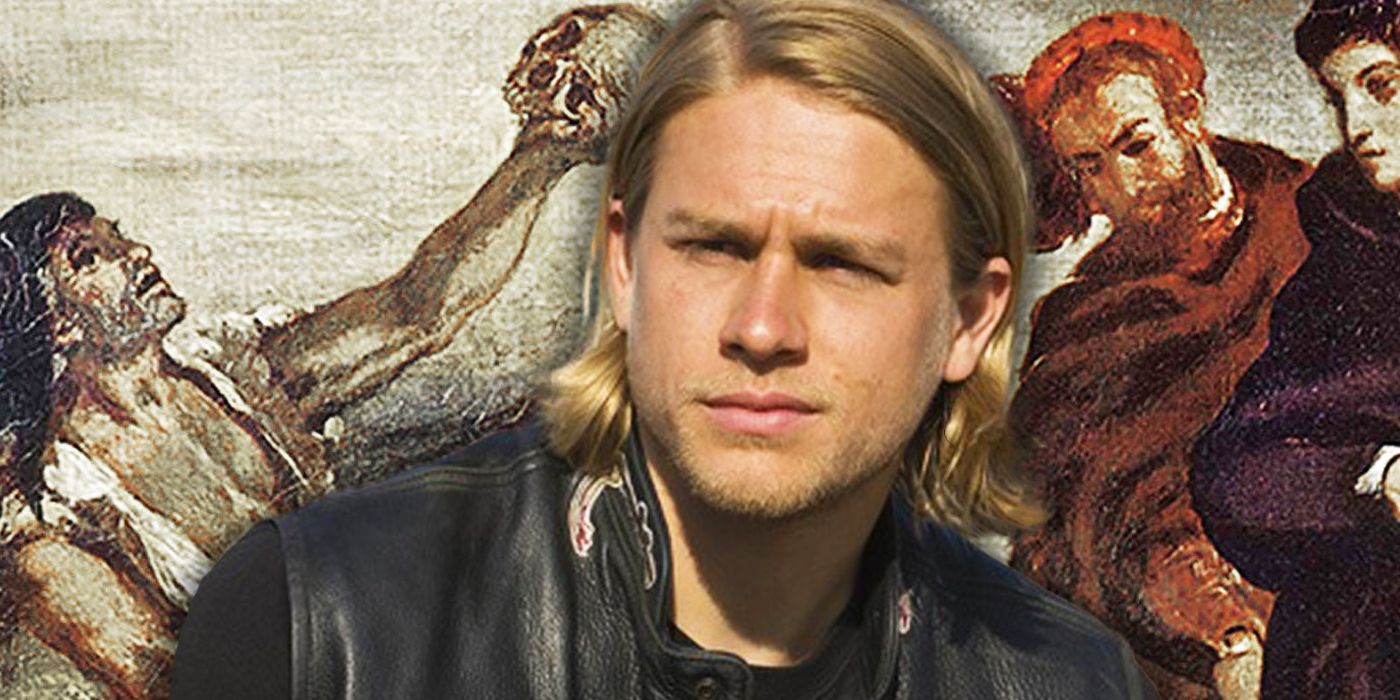
In a world that can often feel isolating and disconnected, the strong bonds of loyalty and brotherhood depicted within SAMCRO hold a significant appeal. For individuals who may feel alienated from traditional family structures or societal norms, the idea of a “chosen family” – a group of like-minded individuals who offer unwavering support and acceptance – is incredibly compelling. The members of SAMCRO, despite their flaws and the often brutal nature of their interactions, demonstrate a profound loyalty to one another. They are willing to risk their lives for their brothers, a testament to the strength of their collective identity and shared purpose.
This theme of chosen family is crucial to the show’s enduring appeal. It speaks to a universal human need for belonging and connection, even within the context of a violent and morally compromised subculture. The sacrifices they make for each other, while often driven by the club’s demands, also highlight the deep emotional ties that bind them together.
In conclusion, Sons of Anarchy is a meticulously crafted drama that draws its power from a rich tapestry of influences. By blending the gritty realities of outlaw motorcycle clubs, the timeless themes of Shakespearean tragedy, and the enduring cultural fascination with rebels and counter-cultures, creator Kurt Sutter crafted a series that was both a thrilling exploration of violence and loyalty, and a profound examination of the human condition. The fictional SAMCRO, while a creation of the screen, owes a significant debt to the real world, its history, and the universal narratives that continue to captivate our imaginations.
aViewFromTheCave is a participant in the Amazon Services LLC Associates Program, an affiliate advertising program designed to provide a means for sites to earn advertising fees by advertising and linking to Amazon.com. Amazon, the Amazon logo, AmazonSupply, and the AmazonSupply logo are trademarks of Amazon.com, Inc. or its affiliates. As an Amazon Associate we earn affiliate commissions from qualifying purchases.