
The quest to identify “something good to invest in” is a cornerstone of personal finance, a perpetual question that echoes across generations, income brackets, and economic cycles. It’s a question without a single, universal answer because “good” is inherently subjective, deeply intertwined with an individual’s financial goals, risk tolerance, time horizon, and current financial standing. Investing is not merely about picking the next hot stock or trending asset; it’s a strategic process of allocating capital with the expectation of generating income or profit. This comprehensive guide will navigate the diverse landscape of investment opportunities, helping you understand how to define “good” for your unique situation and build a robust financial future.

Understanding Your Investment Landscape
Before diving into specific assets, the most crucial first step is to cultivate a clear understanding of your personal financial landscape. This self-assessment forms the bedrock of any sound investment strategy, ensuring that your choices align with your objectives and comfort levels.
Defining Your Financial Goals
What are you investing for? The clarity of your financial goals will dictate the types of investments you pursue and the strategies you employ.
- Short-Term Goals (1-3 years): These might include saving for a down payment on a car, a significant vacation, or building an emergency fund. For such goals, capital preservation and liquidity are paramount, often favoring lower-risk assets like high-yield savings accounts, money market funds, or short-term certificates of deposit (CDs). The aim is to avoid volatility that could diminish your principal when you need it soon.
- Mid-Term Goals (3-10 years): Saving for a home down payment, a child’s education, or a significant business expansion might fall into this category. Here, you can afford to take on a moderate amount of risk, potentially incorporating a diversified mix of stocks and bonds, or balanced mutual funds, aiming for growth while still being mindful of potential market fluctuations.
- Long-Term Goals (10+ years): Retirement planning is the quintessential long-term goal. With a horizon spanning decades, you have the luxury of weathering market ups and downs, allowing you to prioritize growth. This typically involves a higher allocation to equities (stocks), which historically offer the best long-term returns, coupled with a growing allocation to fixed-income assets as you approach your target date.
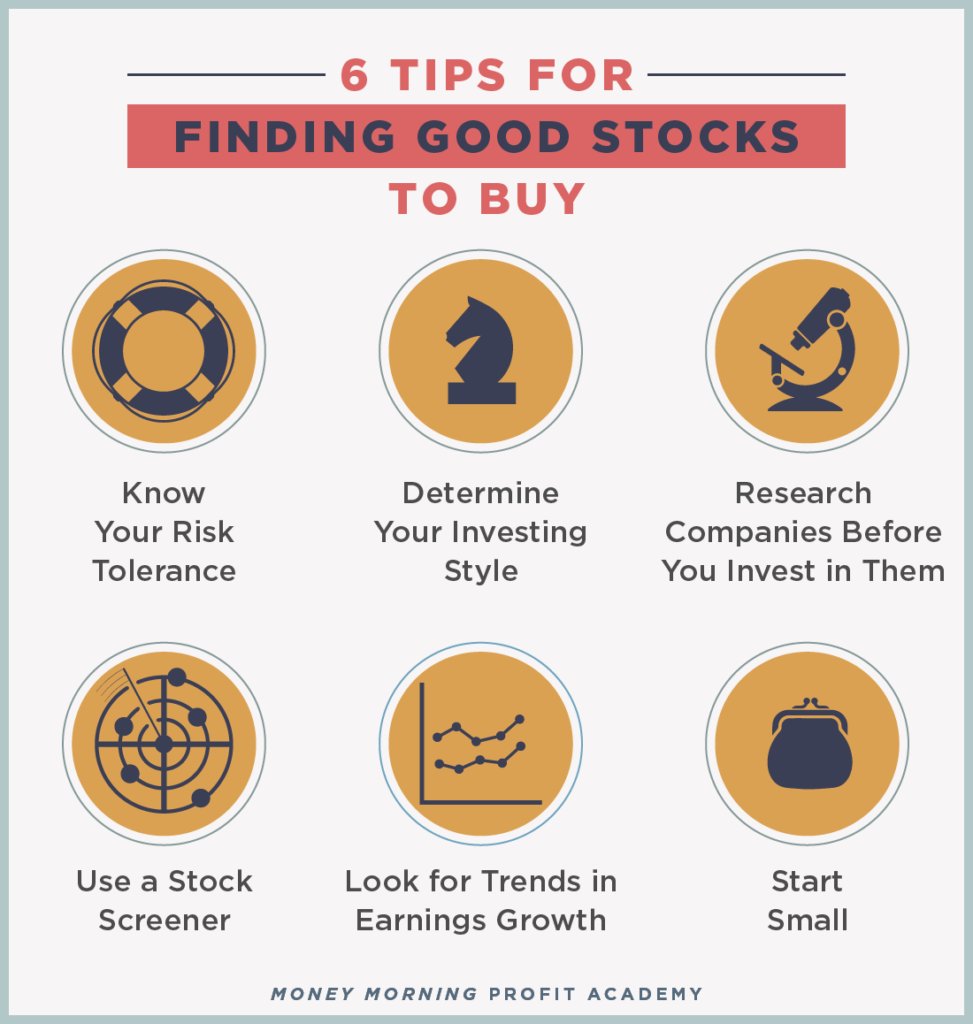
Assessing Your Risk Tolerance
Risk tolerance is your emotional and financial capacity to handle potential losses in your investments. It’s a critical determinant of your asset allocation.
- Conservative Investors: Prioritize capital preservation and stability. They prefer investments with low volatility, even if it means lower returns. Examples include bonds, CDs, and money market accounts.
- Moderate Investors: Are comfortable with some market fluctuations in exchange for potentially higher returns. They often seek a balanced portfolio of stocks and bonds.
- Aggressive Investors: Are willing to accept significant risk and potential short-term losses in pursuit of maximum long-term growth. They often have a high allocation to equities, including individual stocks, growth funds, and potentially alternative investments.
Understanding your risk tolerance isn’t a one-time exercise; it can evolve with age, life events, and financial circumstances. Being honest about your comfort level with risk prevents emotional decisions during market downturns.
Time Horizon and Liquidity Needs
The length of time your money will be invested (time horizon) and your need to access that money easily (liquidity) are also vital considerations. A longer time horizon generally allows for greater risk-taking, as market downturns have more time to recover. Conversely, a shorter horizon necessitates a more conservative approach. Similarly, if you anticipate needing funds soon, less liquid assets like real estate or certain alternative investments might not be appropriate, regardless of their potential returns.
Traditional Pillars of Sound Investment
Once you’ve defined your personal parameters, you can explore the foundational asset classes that form the backbone of most diversified portfolios.
Stocks: Growth and Equity Ownership
Stocks represent ownership shares in a company. When you buy a stock, you’re buying a piece of that business. The value of your investment can grow if the company performs well and its stock price increases, or you might receive regular payments through dividends.
- Individual Stocks vs. ETFs/Mutual Funds: Directly investing in individual stocks requires significant research and carries higher idiosyncratic risk (risk specific to that company). For most investors, Exchange-Traded Funds (ETTs) or Mutual Funds are a better option. These are professionally managed portfolios that hold a basket of stocks (and sometimes bonds), offering instant diversification across many companies or even entire market indices.
- Dividend Stocks: Companies that regularly distribute a portion of their earnings to shareholders. These can provide a steady stream of income, making them attractive for income-focused investors or those seeking to reinvest dividends for compound growth.
- Growth Stocks: Companies expected to grow at an above-average rate compared to the market. They often reinvest most of their earnings back into the business, so they might not pay dividends but offer potential for significant capital appreciation.
- Diversification within Equities: Even within stocks, diversification is key. Spread your investments across different sectors (technology, healthcare, finance), geographies (domestic, international), and company sizes (small-cap, mid-cap, large-cap) to mitigate risk.
Bonds: Stability and Income
Bonds represent a loan made by an investor to a borrower (typically a corporation or government entity). In return for the loan, the borrower promises to pay regular interest payments over a specified period and return the principal amount at maturity.
- Government Bonds: Issued by national, state, or municipal governments. Often considered very low risk, especially those from stable governments, making them ideal for capital preservation.
- Corporate Bonds: Issued by companies to raise capital. These carry slightly more risk than government bonds, as a company could default, but generally offer higher interest rates to compensate.
- Role in a Diversified Portfolio: Bonds typically provide stability and a steady income stream. They often behave inversely to stocks during market downturns, acting as a buffer for your portfolio. As such, they are crucial for moderate and conservative investors, and for anyone nearing retirement.
Real Estate: Tangible Assets and Income Potential
Investing in real estate involves acquiring properties, whether for rental income, capital appreciation, or both. It offers a tangible asset and can be a powerful hedge against inflation.
- Direct Ownership (Rental Properties): Involves purchasing physical properties (residential, commercial, or land) and managing them yourself or through a property manager. This can generate rental income and benefit from property value appreciation, but it also comes with responsibilities, maintenance costs, and illiquidity.
- Real Estate Investment Trusts (REITs): These are companies that own, operate, or finance income-generating real estate. You can buy shares in REITs just like stocks, allowing you to invest in a diversified portfolio of real estate without the direct hassle of property management. REITs typically pay high dividends and offer more liquidity than direct property ownership.
Cash Equivalents and Money Market Accounts
While not growth investments, cash equivalents are essential for liquidity and capital preservation.
- High-Yield Savings Accounts: Offer better interest rates than traditional savings accounts while keeping your funds readily accessible.
- Money Market Accounts: Similar to savings accounts but often with higher interest rates and sometimes limited check-writing privileges.
- Certificates of Deposit (CDs): Time deposits where you agree to keep your money invested for a fixed period (e.g., 6 months, 1 year, 5 years) in exchange for a fixed interest rate. They offer slightly higher returns than savings accounts but lock up your funds.
These are ideal for emergency funds, short-term goals, or holding capital you plan to deploy into other investments soon.

Diversifying Beyond the Basics: Exploring Modern Avenues
As markets evolve, so do investment opportunities. While traditional assets remain foundational, understanding broader categories can further enhance your portfolio’s resilience and potential.
Exchange-Traded Funds (ETFs) and Mutual Funds
These pooled investment vehicles are excellent for diversification and professional management.
- Benefits: They allow you to invest in a broad basket of securities (stocks, bonds, commodities, etc.) with a single purchase, immediately diversifying your holdings. They also benefit from professional management, which selects and monitors the underlying assets.
- Index Funds: A type of mutual fund or ETF that aims to replicate the performance of a specific market index (e.g., S&P 500). They are passively managed, have low fees, and historically outperform most actively managed funds over the long term.
- Actively Managed Funds: Funds where a professional manager makes buy and sell decisions to try and beat the market. While some managers succeed, they often come with higher fees, and consistent outperformance is rare.
Alternative Investments (with caution)
Alternative investments are assets that fall outside the conventional categories of stocks, bonds, and cash. They can offer diversification benefits but often come with higher risk, less liquidity, and require more specialized knowledge.
- Commodities: Raw materials like gold, silver, oil, or agricultural products. Gold, in particular, is often seen as a “safe haven” asset that can hedge against inflation and economic uncertainty. However, commodity prices can be highly volatile.
- Cryptocurrencies: Digital or virtual currencies like Bitcoin and Ethereum, secured by cryptography. They offer the potential for extremely high returns but also carry immense volatility and regulatory risk. They are a highly speculative investment and should only constitute a very small portion of an aggressive investor’s portfolio, with funds they can afford to lose entirely.
- Private Equity/Venture Capital: Investments in companies that are not publicly traded. This is typically reserved for accredited investors due to high capital requirements and illiquidity but represents an important part of the investment ecosystem for startups and growing businesses.
Investing in Yourself: The Best Return
Perhaps the most underrated, yet consistently high-return, investment is in yourself. This isn’t about financial assets but rather human capital.
- Education and Skills Development: Furthering your education, acquiring new certifications, or learning in-demand skills can directly increase your earning potential and career mobility. The return on investment for a college degree or specialized vocational training can be substantial over a lifetime.
- Health and Well-being: Investing in your physical and mental health through healthy eating, exercise, and stress management can lead to a longer, more productive life, reducing healthcare costs and enhancing your capacity to earn and enjoy your wealth.
- Networking and Personal Growth: Building professional connections, developing leadership qualities, and continually seeking personal growth can open doors to new opportunities and significantly impact your financial trajectory.
Strategic Approaches to Investment Success
Beyond choosing the right assets, the way you invest is equally crucial. Implementing sound strategies can enhance returns, mitigate risk, and build long-term wealth.
The Power of Compound Interest
Often called the “eighth wonder of the world,” compound interest is the interest you earn on both your initial principal and the accumulated interest from previous periods.
- Starting Early: The single most powerful factor in harnessing compounding is time. The earlier you start investing, even small amounts, the more time your money has to grow exponentially.
- Regular Contributions: Consistently adding to your investments, even modest sums, significantly amplifies the compounding effect over the long term. This disciplined approach builds wealth steadily regardless of market conditions.
Dollar-Cost Averaging (DCA)
This strategy involves investing a fixed amount of money at regular intervals (e.g., $100 every month), regardless of the asset’s price.
- Mitigating Market Volatility: DCA helps to smooth out the impact of market fluctuations. When prices are high, your fixed sum buys fewer shares; when prices are low, it buys more shares. Over time, your average cost per share tends to be lower than if you tried to time the market (which is notoriously difficult).
- Consistent Investing: It instills discipline, encouraging regular saving and investing habits without the emotional stress of trying to predict market movements.
Diversification: The Golden Rule
Diversification is the strategy of spreading your investments across various asset classes, industries, geographies, and investment types to minimize risk.
- Spreading Risk: By not putting all your “eggs in one basket,” you reduce the impact of any single investment performing poorly. If one sector or company struggles, others might be performing well, balancing out your overall portfolio.
- Asset Allocation: This refers to the mix of different asset classes (e.g., 60% stocks, 40% bonds) in your portfolio. Your optimal asset allocation depends on your risk tolerance and time horizon.
Regular Rebalancing
Over time, market movements can cause your asset allocation to drift from your target percentages. Rebalancing is the process of adjusting your portfolio back to your desired allocation.
- Maintaining Target Allocation: If stocks have performed exceptionally well, they might now constitute a larger percentage of your portfolio than you intended, increasing your risk. Rebalancing involves selling some of those outperforming assets and buying underperforming ones to restore your target percentages.
- “Buy Low, Sell High”: While not a market-timing strategy, rebalancing inherently encourages this principle by prompting you to trim positions that have grown significantly and add to those that have lagged. This systematic approach helps manage risk and can enhance long-term returns.
Conclusion
The question “what is something good to invest in” is an entry point into a lifelong journey of financial learning and adaptation. There isn’t a single, static answer, but rather a dynamic interplay of your personal circumstances and the ever-evolving economic landscape. “Good” investments are those that align with your specific financial goals, respect your risk tolerance, and fit within your time horizon.
Ultimately, a good investment strategy is not about chasing the highest returns or succumbing to market fads. It’s about building a diversified, disciplined portfolio, understanding the foundational principles of wealth creation, and continuously investing in yourself. Whether through stocks, bonds, real estate, or your own human capital, the most successful investors are those who embark on this journey with clarity, patience, and a commitment to continuous learning. Seek professional advice when needed, stay informed, and remain consistent – for these are the true ingredients of long-term financial success.
aViewFromTheCave is a participant in the Amazon Services LLC Associates Program, an affiliate advertising program designed to provide a means for sites to earn advertising fees by advertising and linking to Amazon.com. Amazon, the Amazon logo, AmazonSupply, and the AmazonSupply logo are trademarks of Amazon.com, Inc. or its affiliates. As an Amazon Associate we earn affiliate commissions from qualifying purchases.