
Solid surface countertops have emerged as a popular and versatile choice for kitchens, bathrooms, and commercial spaces. Unlike natural stone or laminate, solid surface is a manufactured material, meticulously engineered to offer a unique blend of aesthetics, durability, and functionality. Understanding the nuances of this material is crucial for homeowners, designers, and contractors making informed decisions about surfaces that will define the look and performance of their spaces for years to come. This comprehensive exploration delves into the composition, characteristics, benefits, and considerations of solid surface countertops, providing a clear picture of why it has become a staple in modern design.

The Genesis and Composition of Solid Surface
The innovation behind solid surface materials represents a significant step forward in surfacing technology. Born from advancements in material science, these countertops are not simply a coating or a veneer but a homogeneous composite, meaning their color and pattern extend throughout the entire thickness of the material. This uniformity is a key differentiator and contributes to many of its practical advantages.
A Blend of Acrylic and Minerals
At its core, solid surface is a non-porous composite material typically made from a blend of acrylic polymers and mineral fillers, primarily aluminum trihydrate (ATH). ATH is a byproduct of bauxite ore, the same mineral used in the production of aluminum. This mineral content contributes to the material’s strength, fire resistance, and opacity. The acrylic polymers, usually polymethyl methacrylate (PMMA), act as a binder, providing flexibility, durability, and resistance to UV light and chemical degradation.
The precise formulation can vary slightly between manufacturers, leading to subtle differences in properties like hardness, heat resistance, and translucency. However, the fundamental composition of acrylic resin and mineral fillers remains consistent. This carefully controlled manufacturing process allows for a high degree of consistency in color, pattern, and performance, ensuring that each slab or sheet of solid surface offers predictable results.
The Manufacturing Process: From Raw Materials to Finished Product
The creation of solid surface involves a sophisticated manufacturing process that ensures the material’s integral consistency. Liquid acrylic resins are mixed with mineral fillers and pigments to achieve the desired color and aesthetic. This mixture is then poured into molds or cast into large sheets. The curing process, often accelerated by heat or chemical catalysts, solidifies the mixture, creating a dense, solid material.
Once cured, the sheets are cut to size and can be further processed to achieve various finishes, from matte to high gloss. The ability to cast solid surface into sheets of various thicknesses and sizes is a significant advantage, enabling designers to create seamless designs and intricate shapes that would be challenging or impossible with other materials. This controlled manufacturing environment minimizes defects and ensures a high-quality, uniform product.
Unpacking the Advantages: Why Choose Solid Surface?
The appeal of solid surface countertops lies in a compelling array of benefits that address both aesthetic desires and practical needs. Its non-porous nature, seamless installation possibilities, and ease of maintenance make it a highly attractive option for a multitude of applications.
The Non-Porous Advantage: Hygiene and Stain Resistance
One of the most celebrated attributes of solid surface is its non-porous composition. Unlike natural stone, which can have microscopic pores that absorb liquids and harbor bacteria, solid surface is completely impermeable. This inherent quality translates into exceptional hygiene, as spills, bacteria, and mold have no way to penetrate the surface. This makes it an ideal choice for environments where cleanliness is paramount, such as kitchens, bathrooms, healthcare facilities, and food preparation areas.
The non-porous nature also means that solid surface is highly resistant to stains. Common household spills from coffee, wine, oil, and other staining agents will simply bead up on the surface, allowing for easy cleanup with a damp cloth and mild soap. Even deeply colored liquids are unlikely to penetrate and leave a permanent mark, a stark contrast to some natural stones that can require immediate attention to prevent staining.
Seamless Integration and Design Flexibility

The ability to create virtually seamless installations is a hallmark of solid surface countertops. Because it can be cut, routed, and shaped, and then joined together with specialized adhesives that cure to become as strong and as uniform as the original material, seams are rendered almost invisible. This means that long runs of countertop, integrated sinks, and complex designs can be fabricated and installed without the distracting grout lines or visible joints common with materials like tile or even some natural stones.
This seamlessness not only contributes to a sleek, modern aesthetic but also enhances hygiene by eliminating potential crevices where dirt and bacteria can accumulate. Furthermore, the material’s flexibility in fabrication allows for creative design solutions, including curved edges, custom inlays, and integrated drainage channels. This unparalleled design freedom empowers architects and homeowners to achieve unique and personalized visions for their spaces.
Durability and Repairability: A Long-Term Investment
Solid surface countertops are engineered for longevity. They are inherently durable, resisting chipping, cracking, and impact under normal use. While not entirely impervious to damage, their uniform composition offers a significant advantage in terms of repairability. Unlike materials with a thin veneer or intricate patterns, minor scratches, dents, or even deeper gouges can often be sanded out and buffed to restore the surface to its original condition.
This repairability transforms a potential concern into a valuable asset. For commercial applications or high-traffic residential kitchens, the ability to refresh and renew the countertop surface extends its lifespan considerably, making it a sound long-term investment. Major repairs, if necessary, can also be performed by trained technicians, further enhancing the material’s resilience and appeal as a sustainable surfacing solution.
Considerations for Solid Surface Countertops
While the advantages of solid surface are numerous, it’s important to approach its selection and use with an understanding of its specific characteristics. By being aware of these considerations, users can maximize the performance and longevity of their solid surface installations.
Heat Sensitivity and Protective Measures
One area where solid surface differs from materials like granite or quartz is its sensitivity to extreme heat. While it possesses a reasonable level of heat resistance, placing extremely hot pots or pans directly from a stove or oven onto the surface without a trivet or hot pad can cause thermal shock, leading to discoloration, scorching, or even cracking.
This is not to say that solid surface is unsuitable for kitchens; rather, it necessitates a mindful approach to heat. The use of cutting boards for chopping and trivets or mats for hot cookware is essential to protect the surface. Most manufacturers provide specific guidelines regarding heat exposure, and adhering to these recommendations will ensure the countertop maintains its pristine appearance. Modern formulations have improved heat resistance, but a degree of caution remains prudent.
Scratch Resistance and Everyday Care
While durable, solid surface is not entirely scratch-proof. The same properties that allow for easy repair through sanding also mean that it can be scratched by sharp objects or abrasive cleaning materials. However, the depth of potential scratches is often shallower compared to some other materials, and as mentioned, they are typically repairable.
Routine cleaning is straightforward and involves warm water, mild soap, and a soft cloth or sponge. For tougher stains, a non-abrasive cleaner can be used, following the manufacturer’s recommendations. Avoiding abrasive scouring pads or harsh chemicals will help maintain the surface’s integrity and sheen over time. Regular, gentle care is the key to preserving the beauty and functionality of solid surface countertops.
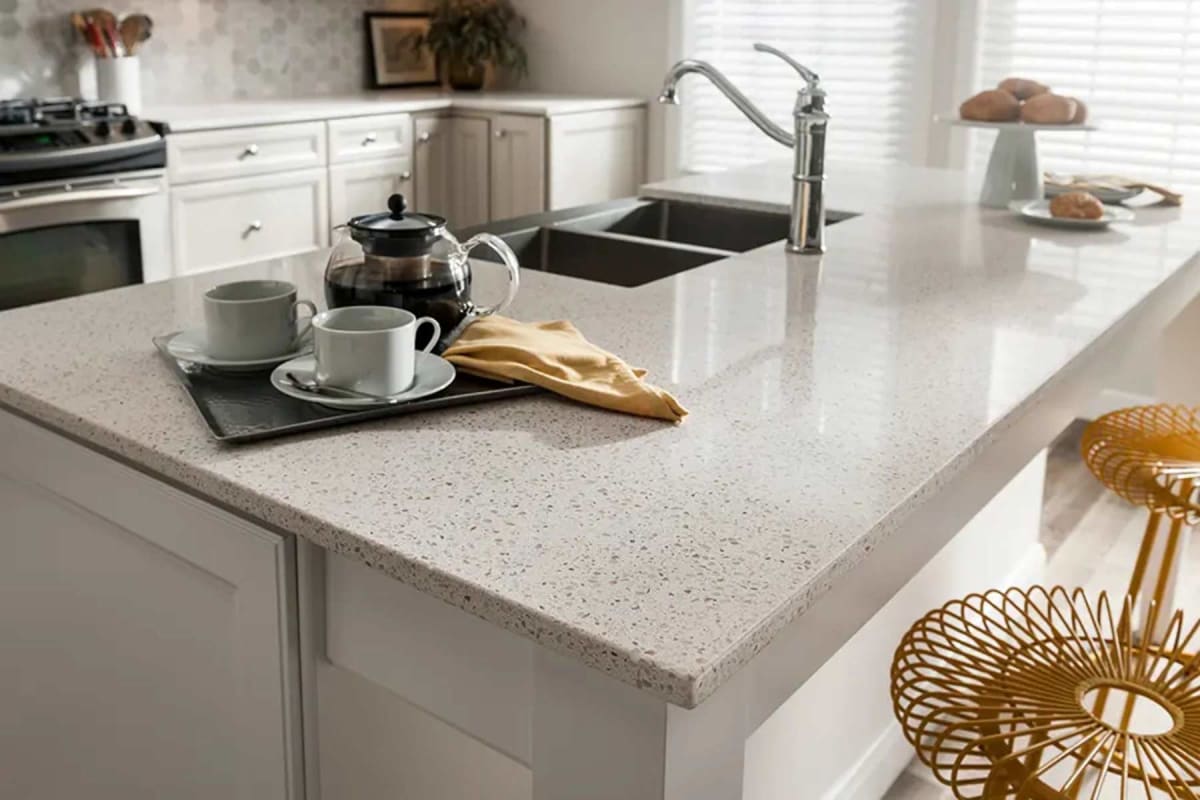
Cost and Value Proposition
The cost of solid surface countertops can vary widely depending on the brand, color, pattern, and complexity of the fabrication. Generally, solid surface falls within a mid-to-high price range, often comparable to or slightly more expensive than quality laminate and some natural stones like granite, but typically less expensive than premium quartz or marble.
However, the value proposition of solid surface is significant when considering its combined benefits: exceptional hygiene, seamless aesthetics, design flexibility, and long-term repairability. For projects where these attributes are paramount, solid surface offers a compelling return on investment. Its ability to be repaired rather than replaced can lead to substantial savings over the life of the countertop, particularly in commercial settings or busy family homes. When evaluating countertop options, it’s crucial to consider not just the initial purchase price but also the total cost of ownership and the unique advantages the material brings to the space.
aViewFromTheCave is a participant in the Amazon Services LLC Associates Program, an affiliate advertising program designed to provide a means for sites to earn advertising fees by advertising and linking to Amazon.com. Amazon, the Amazon logo, AmazonSupply, and the AmazonSupply logo are trademarks of Amazon.com, Inc. or its affiliates. As an Amazon Associate we earn affiliate commissions from qualifying purchases.