
In the modern landscape of organizational management, the line between spiritual movements and global branding often blurs. Soka Gakkai, a lay Buddhist organization founded in Japan, represents one of the most sophisticated examples of global brand scaling in the 20th and 21st centuries. While its core is rooted in the Nichiren Buddhist tradition, its public-facing identity—often referred to as Soka Gakkai International (SGI)—has been meticulously crafted to resonate as a premier “Brand of Peace.”
Understanding Soka Gakkai through the lens of brand strategy reveals how a small group of educators transformed into a global powerhouse with millions of members across 192 countries and territories. This analysis explores the strategic identity, visual consistency, and messaging architecture that define the Soka Gakkai brand.

The Evolution of a Spiritual Identity: From Local Educators to a Global Peace Brand
The Soka Gakkai brand did not begin as a religious entity. Its origins lie in the “Soka Kyoiku Gakkai” (Value-Creating Education Society), established in 1930. The initial brand promise was rooted in educational reform and the “creation of value” (Soka). This foundational identity is crucial because it established the organization as a proactive, intellectual movement rather than a passive, monastic one.
The Founding Pillars: Values as the Brand Foundation
At the heart of any successful brand is a core value proposition. For Soka Gakkai, this is the concept of “Human Revolution”—the idea that a fundamental change in a single individual can lead to a change in the destiny of a nation and the world. From a brand perspective, this serves as a powerful “personal transformation” hook. It positions the organization not just as a place for worship, but as a platform for self-improvement and social impact.
Shifting from Propagation to Global Citizenship
In the post-WWII era, the brand underwent a significant pivot. To expand beyond Japan, the organization had to move away from exclusionary religious rhetoric and toward the universal language of “Global Citizenship.” This strategic shift allowed Soka Gakkai to enter Western markets and diverse cultural landscapes with a brand identity centered on peace, culture, and education. This “triple threat” of values allowed the organization to partner with international bodies like the United Nations, further legitimizing its brand on the world stage.
Visual and Symbolic Consistency: The SGI Aesthetic
A brand is nothing without visual recognition. Soka Gakkai has developed a highly consistent visual language that reinforces its identity across different geographies. This consistency builds trust and creates a sense of belonging among its global “stakeholders” (the members).
The Meaning Behind the Tricolor Flag
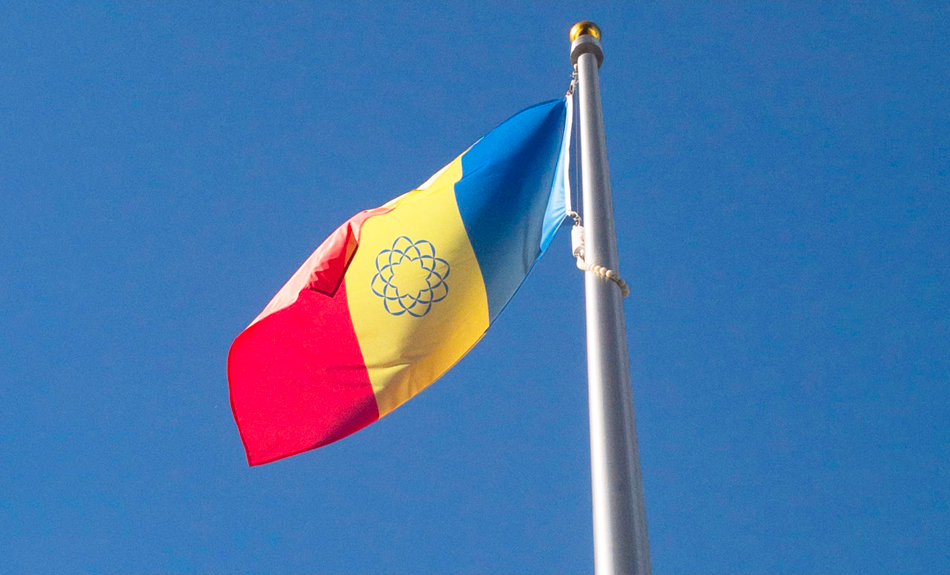
The SGI flag—blue, yellow, and red—is perhaps the most recognizable visual asset of the brand. In branding terms, these colors are chosen for their psychological resonance: blue for peace, yellow for glory (or happiness), and red for victory. By flying this flag at every cultural center and event worldwide, the organization maintains a “franchise-like” visual unity. It ensures that a member in New York feels the same brand connection as a member in Tokyo or Nairobi.
Architectural Branding: The Grand Main Hall and Cultural Centers
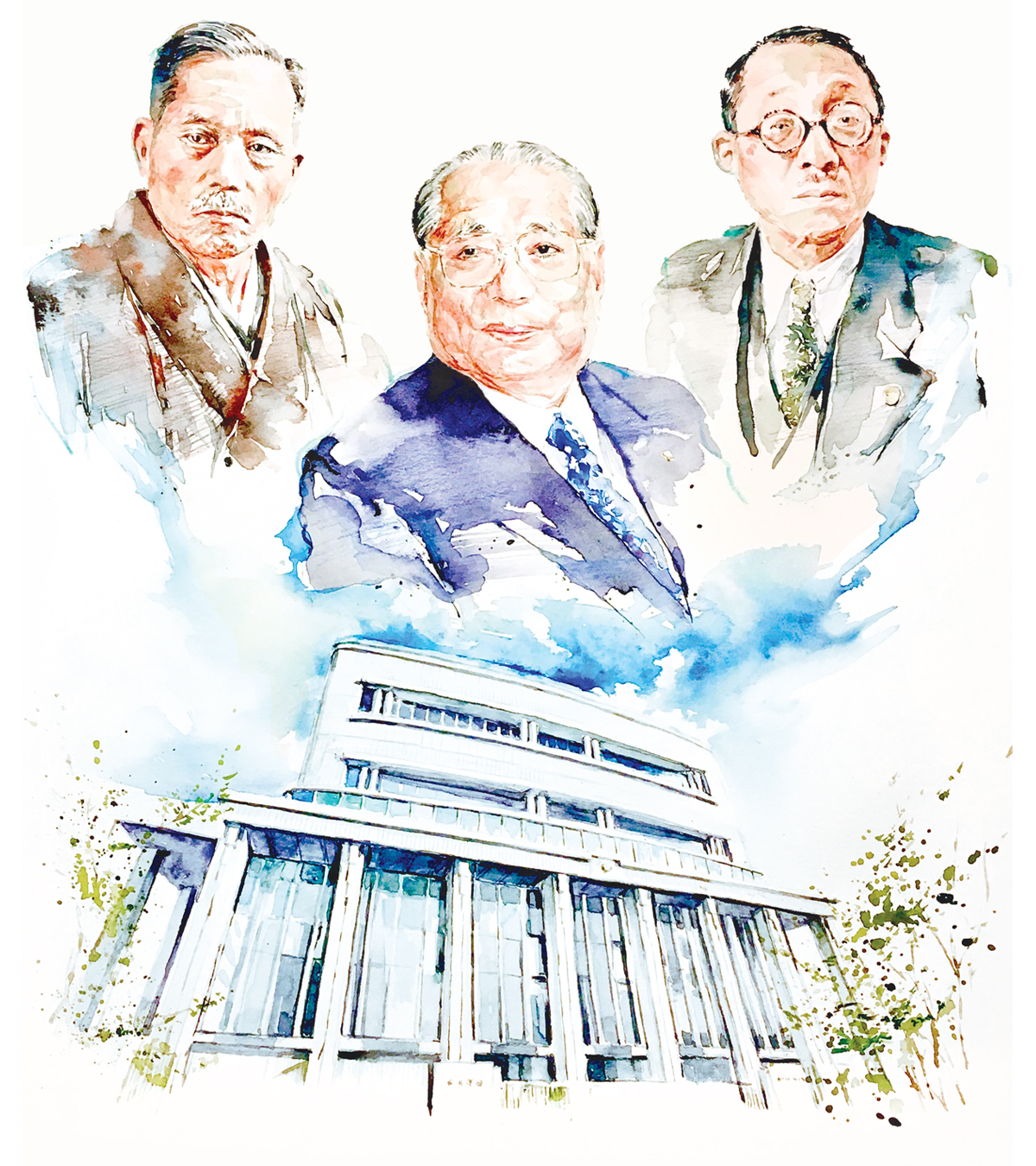
The organization’s physical footprint is a masterclass in architectural branding. Soka Gakkai’s facilities, such as the Grand Main Hall (Daiseido) in Tokyo or various SGI centers in major world cities, often feature a blend of modernism and functionality. These buildings are designed to be “Community Hubs” rather than traditional temples. This choice reflects a brand that is forward-looking, accessible, and integrated into the modern urban fabric, reinforcing the identity of a “lay movement” rather than a secluded religious sect.
Strategic Communication and Media Influence
Control over the narrative is essential for any global brand. Soka Gakkai has mastered the art of owned media, ensuring that its message remains undiluted by external interpreters.
The Seikyo Shimbun: A Masterclass in Owned Media
The Seikyo Shimbun, the organization’s daily newspaper in Japan, is one of the highest-circulation dailies in the country. From a brand strategy perspective, this is a massive internal marketing engine. It serves to reinforce the brand’s values daily, highlight “customer success stories” (member experiences), and disseminate the leadership’s vision. By owning the medium, Soka Gakkai ensures its brand narrative is consistent, frequent, and pervasive.
Leveraging Soft Power Through Cultural Exchange
Soka Gakkai’s brand strategy heavily utilizes “soft power.” Through the Min-On Concert Association and the Tokyo Fuji Art Museum, the brand associates itself with high culture and the arts. This strategy elevates the brand’s social status and creates positive associations with beauty and international cooperation. When an organization sponsors a world-class orchestra or a prestigious art exhibition, it borrows the “equity” of those cultural icons to bolster its own reputation as a sophisticated, culturally-minded entity.
Personal Branding in Leadership: The Legacy of Daisaku Ikeda
Perhaps the most significant component of the Soka Gakkai brand is the personal branding of its third president, Daisaku Ikeda. In many ways, the organization’s brand and Ikeda’s personal brand are inextricably linked.
The Leader as the Face of the Organization
Ikeda’s prolific output—hundreds of books, dialogues with global intellectuals (like Arnold Toynbee), and peace proposals—positioned him as a “Global Sage.” This personal branding served as a gateway for the organization. For many non-members, their first interaction with the Soka Gakkai brand was through an Ikeda book or a quote on peace. This “Founder-as-Brand-Ambassador” model is similar to how Steve Jobs represented Apple or Elon Musk represents Tesla; the leader’s vision becomes the brand’s North Star.
Institutionalizing a Vision Beyond the Founder
A major challenge for any personality-driven brand is succession. Soka Gakkai has spent decades institutionalizing Ikeda’s “brand guidelines.” By framing his writings as the definitive “mentor-disciple” roadmap, the organization has ensured that the brand identity can persist long after the founding era. The focus has shifted from the physical presence of the leader to the “spirit” of the leader, allowing the brand to remain stable during transitions.
Brand Equity in Social Action: Humanism as a Market Differentiator
In a “crowded market” of NGOs, religions, and social movements, Soka Gakkai differentiates itself through its commitment to “Buddhist Humanism.” This positioning allows it to engage in social issues without appearing overly dogmatic.
Education as a Core Brand Extension
The creation of the Soka Education System—including Soka Universities in Japan and the USA—is the ultimate brand extension. These institutions provide a tangible product (education) that embodies the brand’s philosophy. They serve as “incubators” for the brand’s values, producing graduates who carry the “Soka Brand” into various professional sectors, from law to the arts. This creates a powerful network effect, where the brand’s influence is spread through the achievements of its alumni.
Navigating Crisis and Public Perception Management
No global brand is without its controversies. Soka Gakkai has faced significant scrutiny regarding its political influence in Japan (via the Komeito party) and its historical aggressive proselytization. The modern SGI brand strategy has responded to this by doubling down on transparency, interfaith dialogue, and humanitarian work. By aligning the brand with universally respected causes—such as nuclear abolition and environmental sustainability—Soka Gakkai has successfully managed its public perception, pivoting from a “controversial group” to a “respected NGO partner.”
Conclusion: The Resilience of the Soka Brand
The story of Soka Gakkai is a testament to the power of a clear, consistent, and adaptable brand identity. By rooting its identity in the universal desire for “value creation” and peace, the organization has transcended its cultural origins to become a global household name in the realm of humanitarianism.
For brand strategists, the Soka Gakkai model offers several key takeaways: the importance of a core personal transformation promise, the power of consistent visual symbolism, the necessity of owned media channels, and the effectiveness of using high-culture “soft power” to build reputation. As the organization moves into its next century, its ability to maintain its brand integrity while adapting to a digital-first world will be its next great challenge. However, with its deeply embedded values and robust organizational structure, the “Soka Brand” remains one of the most resilient and influential spiritual identities in the world today.
aViewFromTheCave is a participant in the Amazon Services LLC Associates Program, an affiliate advertising program designed to provide a means for sites to earn advertising fees by advertising and linking to Amazon.com. Amazon, the Amazon logo, AmazonSupply, and the AmazonSupply logo are trademarks of Amazon.com, Inc. or its affiliates. As an Amazon Associate we earn affiliate commissions from qualifying purchases.