
In the vast and rapidly evolving digital landscape, software has become the lifeblood of industries, businesses, and personal lives. From the operating system powering your computer to the smallest app on your smartphone, virtually every piece of software you interact with is governed by a set of rules and permissions that dictate how you can use it. This intricate framework is collectively known as software licensing, a fundamental concept often overlooked but critical for both software creators and users.
At its core, software licensing is a legal instrument that grants an individual or entity the right to use a specific software product. It defines the terms and conditions under which the software can be accessed, installed, modified, distributed, or otherwise utilized. Without a license, using software would inherently violate the intellectual property rights of its creator, leading to potential legal ramifications and ethical breaches. Understanding software licensing isn’t just about avoiding legal trouble; it’s about comprehending the ecosystem that enables innovation, protects creators, and provides structure for software consumption. This article delves into the intricacies of software licensing, exploring its various forms, implications, and its indispensable role in the tech world.

The Foundational Principles of Software Licensing
To grasp the full scope of software licensing, it’s essential to understand the underlying principles that govern it. Software is not merely a product you purchase outright; it’s often a copyrighted work, and what you’re truly buying is a license to use it under specific conditions. This distinction is crucial.
Defining Software Licenses and Intellectual Property
A software license is a legally binding agreement between the owner/developer of a software program and the end-user. It outlines the permissible uses of the software and any restrictions that apply. This agreement serves to protect the intellectual property (IP) of the software creator. Intellectual property, in the context of software, primarily refers to copyright, which grants the creator exclusive rights to reproduce, distribute, perform, display, and create derivative works from their original piece of code. A license is essentially a permission slip from the copyright holder, detailing what parts of these exclusive rights are temporarily or permanently extended to the user.
Without a license, any use, copying, or distribution of software would infringe upon these inherent copyright protections. Licenses ensure that developers can monetize their creations, fund further development, and maintain control over their proprietary technology, while users gain legal access and often support for the software.
The Role of End-User License Agreements (EULAs)
The most common manifestation of a software license for consumers and businesses is the End-User License Agreement (EULA). This is the contract that typically pops up during software installation, often presented as a lengthy scrollable text that many users quickly click “Accept” on without reading. Despite this common behavior, EULAs are legally binding documents.
A EULA typically covers:
-
Permitted Use: How many copies can be installed, on how many devices, and by how many users.
-
Restrictions: Prohibitions on reverse engineering, modifying, renting, selling, or distributing the software.
-
Warranty Disclaimers: Limitations on the developer’s liability for defects or damages.
-
Termination Clauses: Conditions under which the license can be revoked.
-
Data Collection: Information the software might gather.
While often complex and filled with legal jargon, understanding key aspects of a EULA is vital for ensuring compliance and being aware of your rights and obligations as a software user.
Diverse Models and Types of Software Licenses
The world of software licensing is not monolithic; it encompasses a wide array of models, each designed to suit different software types, business strategies, and user needs. These models dictate everything from cost and usage rights to distribution and modification capabilities.
Proprietary vs. Open Source Licenses
The most fundamental distinction in software licensing lies between proprietary and open-source models:
-
Proprietary Licenses: These are the most common for commercial software. Under a proprietary license, the software’s source code is typically kept secret and cannot be accessed, modified, or redistributed by users. The license grants limited rights to use the compiled program, often tied to a specific number of users, devices, or a subscription period. Examples include Microsoft Windows, Adobe Creative Suite, and most enterprise software. The primary goal is to protect the intellectual property of the developer and ensure revenue streams.
-
Perpetual Licenses: The user pays a one-time fee for indefinite use of a specific software version. Updates or major version upgrades may require additional purchases.
-
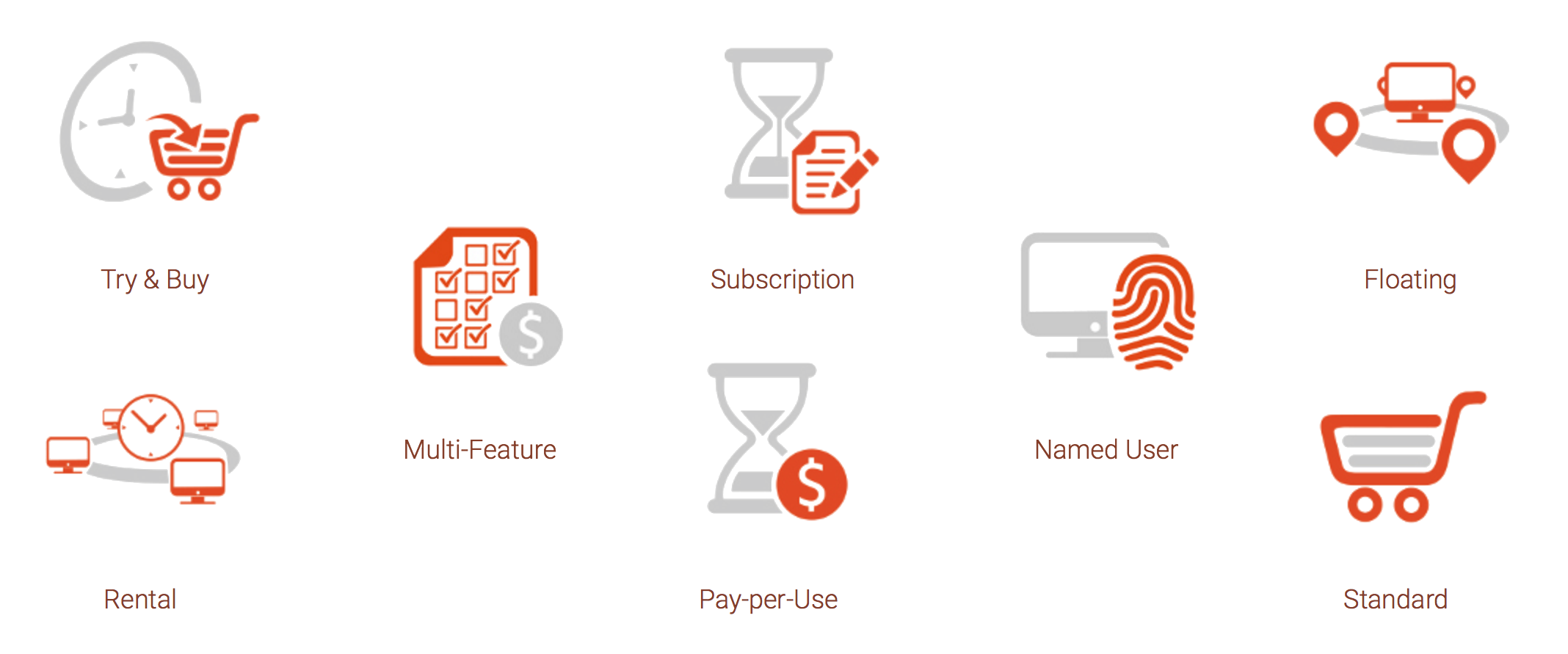
Subscription Licenses: The user pays recurring fees (monthly or annually) to use the software. Access is typically revoked if payments stop. This model often includes ongoing updates and support.
-
Volume Licensing: For businesses, allowing the purchase of multiple licenses at a reduced per-unit cost, simplifying management for large organizations.
-
-
Open Source Licenses: These licenses promote collaboration and transparency by allowing users to access, modify, and distribute the software’s source code. The core philosophy is freedom of use and modification, often with conditions.
-
Permissive Licenses (e.g., MIT, Apache): Allow users to do almost anything with the code, including using it in proprietary software, with minimal restrictions, usually just requiring attribution.
-
Copyleft Licenses (e.g., GNU General Public License – GPL): Are more restrictive, requiring that any derivative works or modifications also be distributed under the same copyleft license, ensuring that the software remains “free” (in the sense of freedom, not necessarily cost) for future users.
-

Licensing for Modern Software Deployment
Beyond the fundamental proprietary vs. open-source dichotomy, modern software deployment methods have given rise to specific licensing considerations:
-
Software-as-a-Service (SaaS) Licenses: With SaaS, users don’t install software locally but access it over the internet via a web browser. The license here typically governs access to the service rather than direct ownership or installation of software. Users pay for access and usage, often on a subscription basis, with the provider managing all infrastructure, maintenance, and updates. Examples include Google Workspace, Salesforce, and Microsoft 365. The “license” is more of a service agreement.
-
Cloud-Based and API Licensing: As more applications rely on cloud services and interact through Application Programming Interfaces (APIs), licensing models have adapted. Cloud-based licensing might involve usage-based billing (e.g., per transaction, per amount of data processed) or tiered access to cloud resources. API licensing often dictates how developers can integrate with a service, setting limits on requests, data access, and commercial use of the API.
The Strategic Importance and Challenges of Licensing
Software licensing is far more than a legal formality; it’s a strategic tool that impacts product development, revenue generation, market reach, and user experience. For both developers and end-users, understanding its implications is crucial.
Benefits for Developers and Businesses
For software creators, licensing is the cornerstone of their business model and a vital tool for safeguarding their innovations:
-
Revenue Generation and Sustainability: Licenses provide the primary means for developers to monetize their work, funding ongoing development, support, and innovation. Recurring revenue models (subscriptions) offer predictable income streams, essential for long-term planning.
-
Intellectual Property Protection: Licenses legally protect the developer’s code from unauthorized copying, modification, and distribution, preventing piracy and preserving the value of their creative efforts.
-
Control Over Software Usage: Developers can define how their software is used, ensuring it aligns with their brand, security standards, and ethical guidelines. This includes restricting use in certain industries or for specific purposes.
-
Competitive Advantage: Strategic licensing can differentiate products, create barriers to entry for competitors, and allow companies to maintain market leadership through proprietary features and exclusive technologies.
-
Support and Updates: Licensed users often receive access to customer support, bug fixes, security patches, and feature updates, which are essential for maintaining software quality and user satisfaction. This also fosters a direct relationship between the developer and their user base.
Challenges for Users and Compliance
While licensing provides structure, it also presents challenges, particularly for organizations managing a large portfolio of software:
-
Compliance and Audit Risk: Enterprises face the complex task of ensuring all software installations comply with their respective licenses. Non-compliance can lead to hefty fines, legal action, and reputational damage during a software audit (often conducted by the software vendor or a third party). This requires robust software asset management (SAM) practices.
-
Cost Management: Software licenses can represent a significant operational expenditure. Managing different licensing models, renewal dates, and usage metrics across an organization requires diligent financial and IT oversight to avoid over-licensing (buying more than needed) or under-licensing (leading to non-compliance).
-
Complexity and Lack of Transparency: EULAs can be notoriously complex, making it difficult for users to fully understand their rights and obligations. This lack of transparency can lead to unintentional breaches or a feeling of being unfairly restricted.
-
Vendor Lock-in: Proprietary licensing models can sometimes lead to vendor lock-in, where switching to a competitor becomes difficult or costly due to established software ecosystems, data formats, and user training.
Navigating the Future of Software Licensing
The digital world is dynamic, and software licensing models are continually evolving to adapt to new technologies, business strategies, and user expectations. The trends shaping the future of software licensing are already visible and will continue to impact how we acquire and use technology.
The Rise of Subscription and Usage-Based Models
The shift from perpetual licenses to subscription-based models (like SaaS) is a dominant trend. This provides more predictable revenue for developers and often lower upfront costs for users, alongside continuous updates and support. Looking ahead, granular usage-based licensing—where users pay precisely for what they consume (e.g., per API call, per data processed unit, per active user hour)—is gaining traction, especially in cloud environments and for specialized services. This model offers flexibility and cost optimization for both parties.
Licensing in the Age of AI, IoT, and Edge Computing
Emerging technologies bring unique licensing challenges:
-
Artificial Intelligence (AI): Licensing AI models, the data they are trained on, and the algorithms themselves is complex. Questions arise around licensing derivative works created by AI, the use of open-source components in proprietary AI, and ensuring ethical use of AI capabilities.
-
Internet of Things (IoT): With millions of interconnected devices, licensing software embedded in IoT devices requires scalable and secure solutions. This might involve per-device licenses, usage-based fees for data processed, or tiered access to cloud services that manage IoT fleets. Security and update mechanisms within the licensing framework are paramount.
-
Edge Computing: As processing shifts closer to data sources at the “edge” of networks, licensing software deployed on distributed edge devices will need to account for decentralized management, intermittent connectivity, and diverse hardware environments.
Embracing Flexibility and Transparency
The future of software licensing will likely see a greater emphasis on flexibility and transparency. Users demand clearer terms, easier management of their licenses, and options that adapt to their specific needs rather than rigid, one-size-fits-all models. For developers, this means exploring hybrid licensing models, offering more tiered options, and potentially leveraging blockchain or other distributed ledger technologies for more secure, transparent, and automated license management and compliance verification. The goal will be to strike a better balance between protecting intellectual property and empowering users with greater control and understanding of their software investments.
In conclusion, software licensing is an indispensable and constantly evolving pillar of the technology industry. Far from being a mere legal formality, it dictates how software is created, distributed, consumed, and monetized. A thorough understanding of its principles, diverse models, and strategic implications is vital for developers safeguarding their innovations and for users navigating the complex digital landscape ethically and efficiently. As technology continues its relentless march forward, software licensing will undoubtedly adapt, continuing to shape the future of our digital world.
aViewFromTheCave is a participant in the Amazon Services LLC Associates Program, an affiliate advertising program designed to provide a means for sites to earn advertising fees by advertising and linking to Amazon.com. Amazon, the Amazon logo, AmazonSupply, and the AmazonSupply logo are trademarks of Amazon.com, Inc. or its affiliates. As an Amazon Associate we earn affiliate commissions from qualifying purchases.