
Software implementation is the systematic process of adopting, configuring, and integrating a software application into an organization’s digital ecosystem. While many often mistake it for a simple installation process, software implementation is a multifaceted technical journey that bridges the gap between theoretical software capability and practical operational utility. In the modern tech landscape, where SaaS (Software as a Service) and complex enterprise resource planning (ERP) systems dominate, the success of a technology stack depends less on the purchase and more on the precision of the implementation.
At its core, implementation involves translating functional requirements into technical realities. This includes everything from data migration and API orchestration to system configuration and security hardening. Without a structured implementation framework, even the most sophisticated AI-driven tools or cloud platforms can fail to deliver their promised value, leading to technical debt, security vulnerabilities, and fragmented workflows.

The Core Phases of the Software Implementation Lifecycle
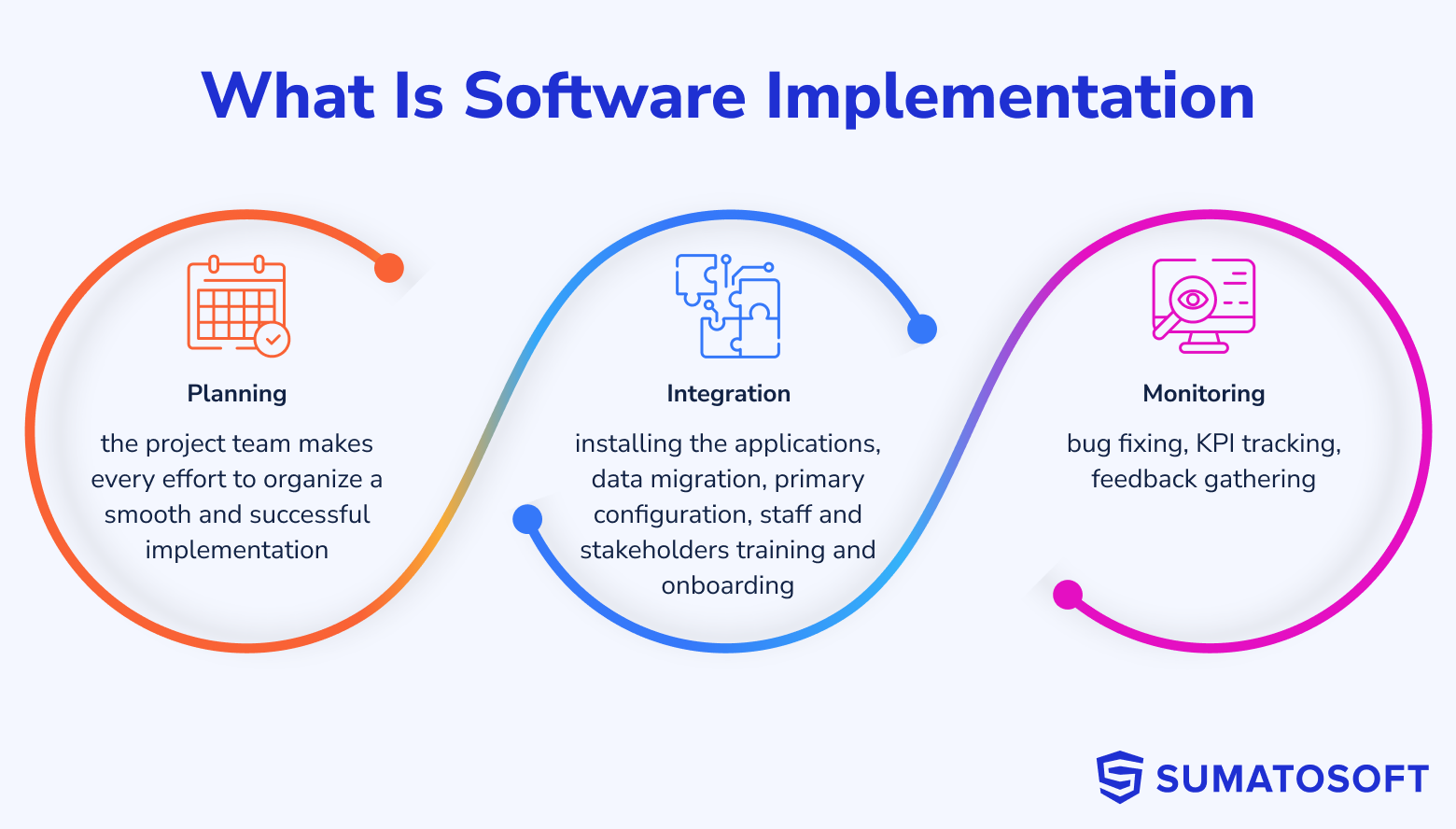
The process of moving from a software procurement decision to a fully functional live environment follows a rigorous lifecycle. Each stage requires specific technical expertise to ensure that the new system harmonizes with existing infrastructure.
Discovery and Technical Assessment
Before a single line of code is configured or a database is migrated, a deep technical assessment must occur. This phase focuses on identifying the architectural requirements of the software and how it will interface with the current tech stack. Engineers and system architects evaluate server requirements, cloud compatibility, and bandwidth constraints. For on-premise solutions, this might involve hardware provisioning; for cloud-native tools, it involves setting up virtual environments and defining instances.
System Configuration and Customization
Software is rarely used “out of the box” in enterprise environments. Configuration involves adjusting the software’s native settings to align with specific organizational processes. This includes setting up user hierarchies, defining permissions through Role-Based Access Control (RBAC), and establishing automation rules. Customization goes a step further, often involving the development of custom scripts or plugins to add functionality that the core software lacks. In this phase, developers work with APIs and SDKs to ensure the software can “speak” to other tools in the ecosystem.
Data Migration and ETL Processes
Data migration is arguably the most critical and high-risk component of software implementation. It follows the ETL (Extract, Transform, Load) protocol. Engineers must extract data from legacy systems, clean it to remove redundancies or errors, transform it into a format compatible with the new software, and load it into the new database. Ensuring data integrity during this transition is paramount, as corrupted or missing data can render a new software deployment useless from day one.
Quality Assurance and User Acceptance Testing (UAT)
Before the system goes live, it must undergo rigorous testing. Quality Assurance (QA) teams perform functional testing to ensure all features work as intended, performance testing to see how the system handles high loads, and security testing to identify potential entry points for breaches. User Acceptance Testing (UAT) is the final hurdle, where a select group of end-users operates the system in a controlled environment to provide feedback on usability and workflow logic.
Strategic Deployment Methodologies
The way a piece of software is “rolled out” depends on the complexity of the tech and the risk tolerance of the organization. Choosing the right deployment methodology is a strategic technical decision.
The Big Bang Approach
The Big Bang implementation involves a total switch-over where the old system is turned off and the new system is activated instantly. This is common for smaller applications or non-critical tools. While it is the fastest method and prevents the need for maintaining two systems simultaneously, it carries high risk. If the new software encounters a critical bug upon launch, there is no safety net, often leading to immediate downtime.
Phased Rollout
In a phased rollout, the software is introduced in stages. This can be done by department (e.g., the IT department gets it first, then Marketing) or by functionality (e.g., core database functions go live before the analytics dashboard). This modular approach allows the implementation team to isolate issues and fix bugs on a smaller scale before the software is deployed across the entire enterprise.
Parallel Deployment
Parallel deployment is the most conservative and resource-intensive method. In this scenario, the legacy system and the new software run concurrently for a set period. Users enter data into both systems. This allows for a direct comparison of outputs to ensure the new software is producing accurate results. Once the new system has proven its reliability over several cycles, the old system is decommissioned.
Overcoming Technical Barriers in Implementation
Software implementation is rarely a linear path. Technical hurdles often emerge that require creative engineering solutions and proactive management.
Legacy System Integration and Middleware
One of the most common challenges is “legacy friction.” New software must often communicate with outdated systems that lack modern APIs. To bridge this gap, implementation teams may need to deploy middleware—software that acts as a translator between two different systems. Developing these “connectors” is a sophisticated task that requires deep knowledge of various protocols, such as SOAP, REST, or GraphQL.
Security Hardening and Compliance
Every new piece of software added to a network is a potential attack vector. During implementation, IT security teams must ensure that the software complies with industry standards such as SOC2, GDPR, or HIPAA. This involves configuring firewalls, setting up Multi-Factor Authentication (MFA), and ensuring that data is encrypted both at rest and in transit. Implementation is the optimal time to establish a “Zero Trust” architecture for the new application.
Scalability and Performance Optimization
A system that works for ten users during testing might crash when accessed by ten thousand users after launch. Implementation experts must focus on horizontal and vertical scalability. This might involve setting up load balancers, optimizing database queries, or utilizing Content Delivery Networks (CDNs) to reduce latency for global users. Performance monitoring tools are often integrated during this phase to track CPU usage, memory leaks, and response times in real-time.
The Role of AI and Automation in Modern Implementation
The rise of artificial intelligence has revolutionized how software is implemented. What used to take months of manual configuration can now be streamlined through automation and intelligent systems.
Automated Testing and CI/CD Pipelines
Modern software implementation often utilizes Continuous Integration and Continuous Deployment (CI/CD) pipelines. This allows for the automated testing of code changes and configurations. Instead of waiting for a manual testing phase, automated scripts can run thousands of scenarios in minutes, identifying regressions and deployment errors instantly. This reduces the time-to-value for new software significantly.
AI-Driven Data Mapping
Data migration is becoming faster thanks to machine learning algorithms that can automatically map fields between disparate databases. AI can recognize that “CustID” in a legacy system corresponds to “ClientNumber” in a new system, automating much of the “Transform” part of the ETL process. This reduces the manual labor involved in data cleansing and minimizes human error.
Self-Configuring Software and Low-Code Tools
We are seeing a shift toward software that can self-configure based on the environment it detects. Using containerization technologies like Docker and orchestration tools like Kubernetes, software can be deployed in “containers” that include everything the software needs to run, making it platform-independent. Furthermore, the rise of low-code and no-code implementation tools allows non-developers to handle minor configurations, freeing up senior engineers to focus on high-level architecture and security.
Measuring Success: The Post-Implementation Review
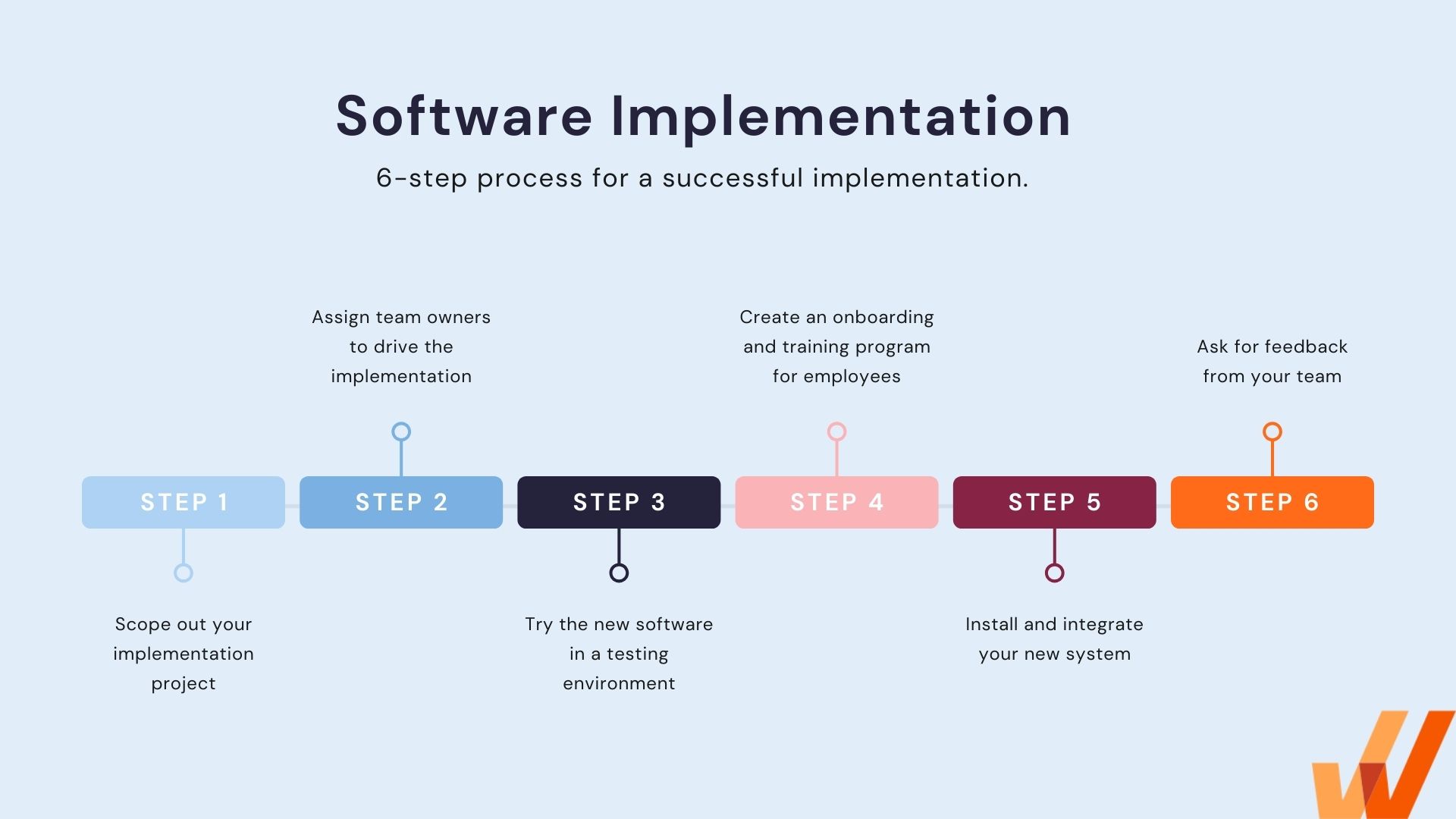
An implementation project is not finished the moment the software goes live. The final stage is the Post-Implementation Review (PIR), which evaluates whether the technical and operational goals were met.
Technical Performance KPIs
Success is measured through specific technical Key Performance Indicators (KPIs). These include system uptime, average response time, the number of critical bugs reported in the first 30 days, and the successful completion rate of automated backups. If the software is slower than the legacy system it replaced, the implementation may need optimization, even if all features are technically present.
Continuous Optimization and Version Control
Software is dynamic. Post-implementation, the focus shifts to maintenance and continuous optimization. This includes managing version updates, applying security patches, and refining configurations based on actual user behavior data. Robust version control systems (like Git) are essential here to ensure that any changes made post-implementation can be tracked and, if necessary, rolled back without disrupting the live environment.
In summary, software implementation is the critical technical bridge between software acquisition and organizational transformation. It demands a rigorous blend of architectural planning, data engineering, security protocols, and methodical deployment. By understanding the complexities of the lifecycle—from the initial assessment to AI-enhanced automation—tech leaders can ensure that their software investments translate into powerful, scalable, and secure operational tools.
aViewFromTheCave is a participant in the Amazon Services LLC Associates Program, an affiliate advertising program designed to provide a means for sites to earn advertising fees by advertising and linking to Amazon.com. Amazon, the Amazon logo, AmazonSupply, and the AmazonSupply logo are trademarks of Amazon.com, Inc. or its affiliates. As an Amazon Associate we earn affiliate commissions from qualifying purchases.