
The humble soda pop. It’s a ubiquitous presence in refrigerators, convenience stores, and at gatherings worldwide. From the crisp, refreshing cola to the bubbly, citrusy lemon-lime, soda has cemented itself as a beloved beverage for billions. But have you ever paused, mid-sip, to truly consider what goes into that colorful, carbonated concoction? Beyond the immediate sensation of sweetness and fizz, lies a surprisingly complex blend of ingredients, each playing a crucial role in delivering that signature taste and experience.
Understanding what makes soda tick isn’t just about satisfying curiosity; it touches upon themes that resonate deeply with the core interests of our website: Tech, Brand, and Money. The technologies behind its production, the intricate branding that makes us crave specific flavors, and the economic forces that drive its global accessibility are all intertwined with the very composition of soda.
Let’s peel back the layers of carbonation and dive into the fascinating world of soda ingredients.
The Building Blocks of Bubbly Bliss
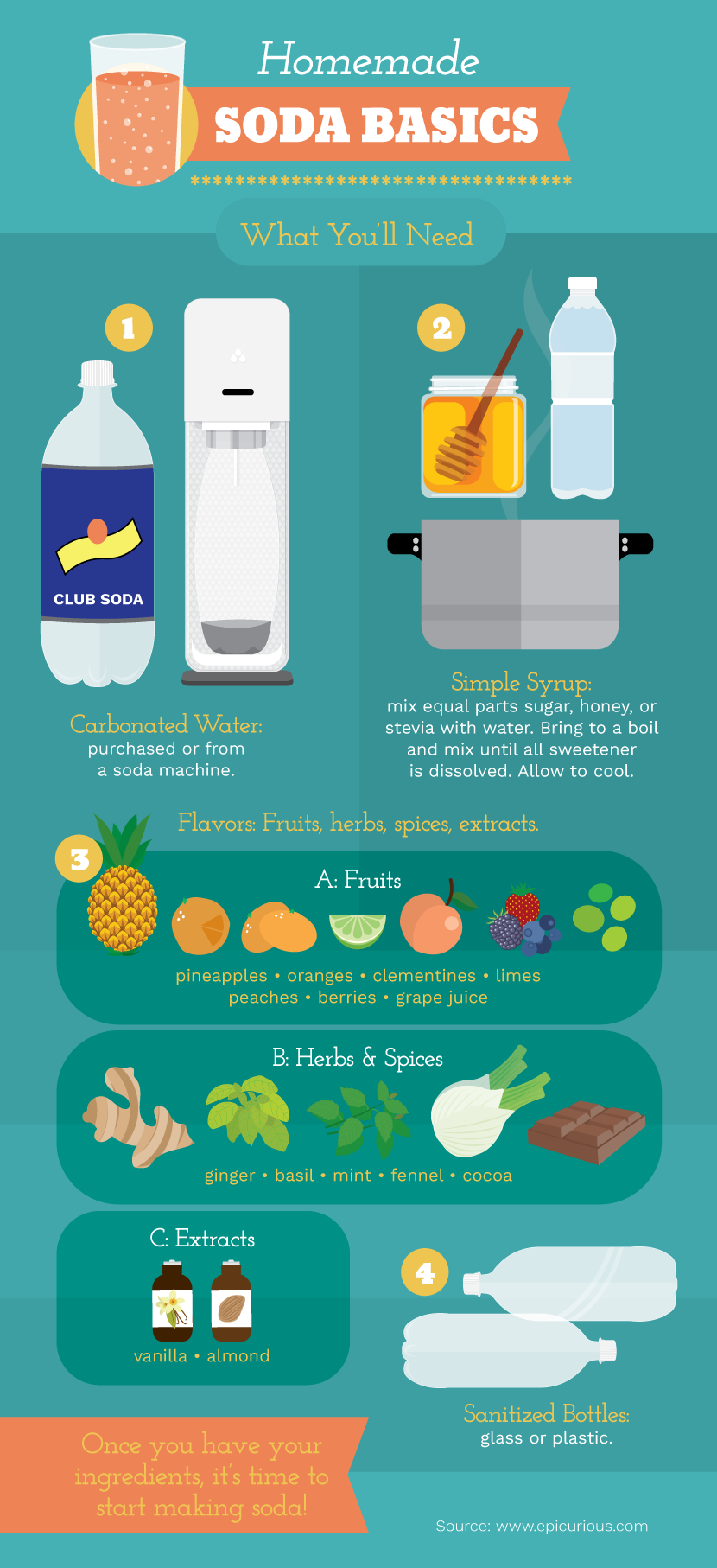
At its core, soda, or carbonated soft drink, is a relatively simple formula, but the devil, as always, is in the details. The primary components are water, sweetener, carbonation, and flavorings. However, the specific choices within each category contribute significantly to the final product and its appeal.
The Foundation: Water
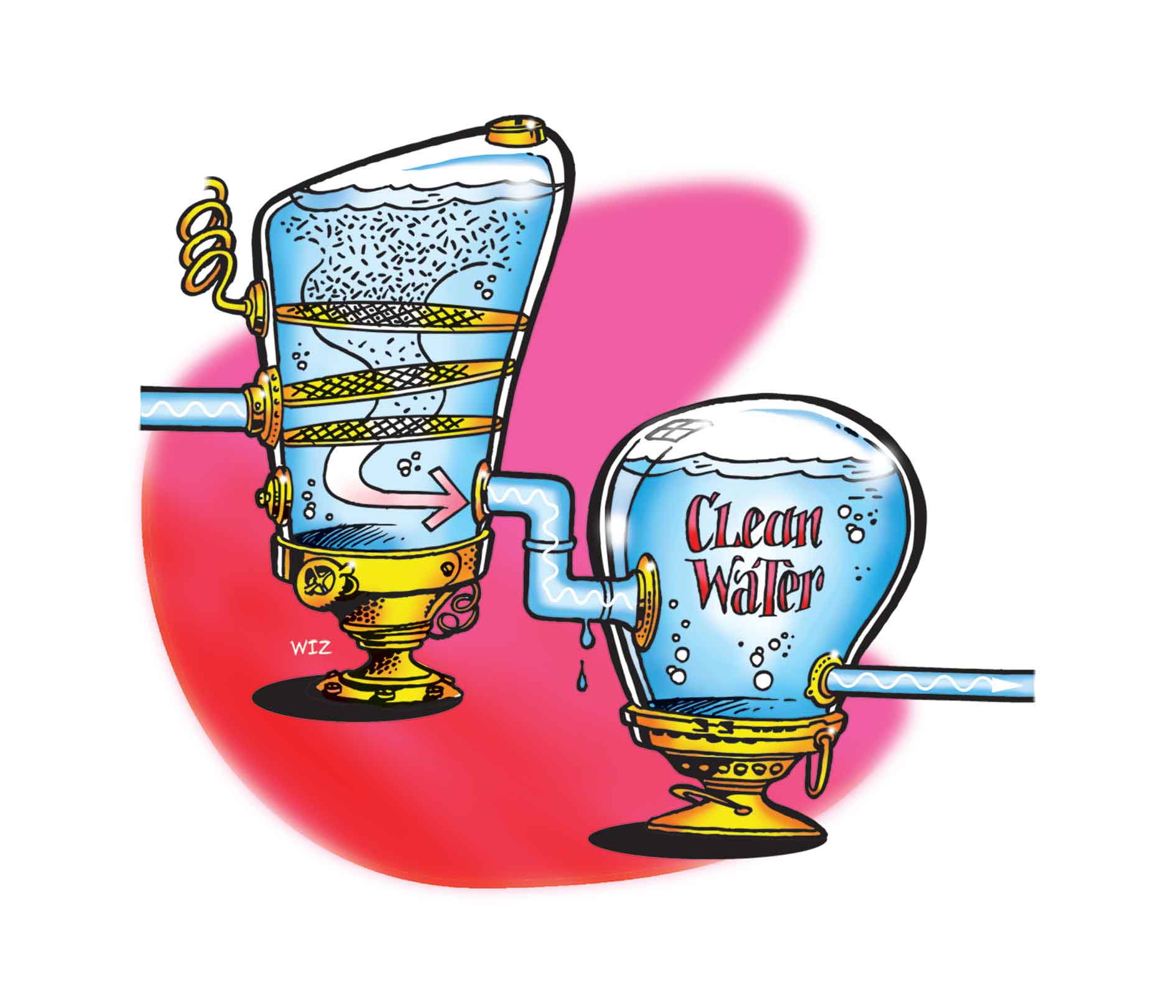
It might seem obvious, but high-quality water is the absolute bedrock of any good beverage, including soda. The type of water used can influence the final taste, though manufacturers often treat their water extensively to ensure consistency and remove any impurities that might interfere with the intended flavor profile. This often involves filtration and purification processes, a testament to the Tech that underpins even seemingly simple products.
The Sweet Symphony: Sweeteners
This is where a lot of the magic (and often, controversy) happens. The choice of sweetener is paramount to the taste and perceived value of a soda. Historically, and still for many traditional sodas, sugar (specifically high-fructose corn syrup or sucrose) has been the sweetener of choice. The natural sweetness and mouthfeel provided by sugar are well-loved and contribute to the overall sensory experience.
However, the rise of health consciousness and concerns about sugar intake have led to a revolution in sweetener technology. This is where the Tech aspect truly shines, as innovations in food science have brought about a range of artificial and natural low-calorie sweeteners. These include:
- Aspartame: A popular artificial sweetener, known for its intense sweetness with a very low calorie count. Its development and widespread adoption highlight the advancements in chemical synthesis and sensory science.
- Sucralose (Splenda): Another artificial sweetener derived from sugar, but with a significantly different molecular structure that prevents the body from metabolizing it. This allows for high sweetness without calories.
- Stevia: A natural sweetener extracted from the leaves of the Stevia rebaudiana plant. Its growing popularity signifies a shift towards more “natural” alternatives, even within the processed food industry.
- Monk Fruit Extract: Similar to stevia, this natural sweetener comes from a small, round fruit native to Southeast Asia.
The selection of sweeteners directly impacts the Brand positioning of a soda. A classic cola might emphasize its traditional sugar-based recipe, appealing to nostalgia and a certain taste preference. Conversely, a diet or zero-sugar variant will prominently feature its low-calorie sweeteners, targeting health-conscious consumers and leveraging the Brand image of being “lighter” or “healthier.” The ongoing research and development in sweetener Tech constantly offer new options, allowing brands to adapt and cater to evolving consumer demands.
The Effervescent Spark: Carbonation
The signature “fizz” of soda is achieved through carbonation, the process of dissolving carbon dioxide (CO2) gas into the liquid under pressure. This isn’t just for show; the tiny bubbles create a unique sensory experience, enhancing the perceived crispness and aiding in the delivery of flavor to our taste buds.
The level of carbonation can vary greatly between different soda types and even different brands, impacting the overall mouthfeel and intensity of the drink. Achieving the perfect level of carbonation requires precise Tech in manufacturing, controlling pressure and temperature during the filling and capping process. Too little, and the soda feels flat; too much, and it can be overpowering and lead to excessive burping.
The Soul of the Sip: Flavorings and Acids
This is where the true artistry of soda creation comes into play, defining the unique identity of each beverage.
Natural and Artificial Flavors
The distinct taste of your favorite soda comes from a complex blend of flavorings. These can be derived from natural sources like fruits, herbs, spices, and even roasted coffee beans (for colas), or they can be created synthetically by food chemists. The pursuit of replicating complex natural flavors with artificial compounds is a remarkable feat of Tech and sensory science.
- Citrus Flavors: Often derived from oils extracted from citrus peels (lemons, limes, oranges) or synthesized artificial compounds that mimic these profiles.
- Cola Flavors: The classic cola taste is a closely guarded secret, but it’s widely believed to involve a blend of citrus oils, cinnamon, vanilla, nutmeg, and other spices. The exact recipe is a prime example of a proprietary Brand secret.
- Root Beer Flavors: Traditionally made with extracts from the root of the sassafras tree (though sassafras has fallen out of favor due to health concerns, and synthetic or alternative flavorings are now used), along with vanilla, anise, and wintergreen.
- Fruity Flavors: Strawberry, grape, cherry – these often rely on a combination of natural fruit extracts and sophisticated artificial flavor compounds to achieve a consistent and vibrant taste.
The development and precise measurement of these flavorings are critical to a soda’s success. A slight miscalculation can result in a product that tastes “off” or fails to meet consumer expectations, directly impacting Brand perception and sales.

The Tangy Touch: Acids
To balance the sweetness and enhance the flavor, sodas often contain acids. These are crucial for providing that characteristic “zing” and preventing the beverage from tasting cloying or overly sweet. Common acids used include:
- Phosphoric Acid: Widely used in cola-type beverages. It provides a sharp, tart taste and also acts as a preservative. Its presence is a key differentiator in the taste profile of many popular sodas.
- Citric Acid: Commonly found in citrus-flavored drinks and many other fruit-flavored sodas. It provides a clean, tart flavor that is often associated with natural fruitiness.
- Malic Acid: Another fruit-derived acid that can add a smoother, more rounded tartness.
The careful selection and balancing of these acids, in conjunction with the sweeteners and flavorings, are essential for creating a well-rounded and appealing beverage. This precision in formulation is a hallmark of sophisticated food Tech.
Beyond the Basics: Additives and Colorings
While the core ingredients are water, sweetener, carbonation, and flavorings, many sodas also contain other components that play specific roles.
Preservatives: Extending Shelf Life
To prevent spoilage and ensure that soda remains safe and palatable for extended periods, preservatives are often added. Common preservatives include:
- Sodium Benzoate: A widely used antimicrobial agent that helps inhibit the growth of yeast, mold, and bacteria.
- Potassium Sorbate: Another effective preservative that works similarly to sodium benzoate.
The use of preservatives is a direct result of the need for efficient distribution and Money management in the global beverage industry. It allows for larger production runs, wider distribution networks, and reduced waste, all contributing to profitability. However, consumer demand for “cleaner” labels has led some brands to explore preservative-free formulations or rely on natural alternatives.
Colorings: The Visual Appeal
The vibrant colors of soda – the rich brown of cola, the bright red of cherry, the clear yellow of lemon-lime – are achieved through colorings. These can be natural or artificial:
- Caramel Coloring: This is a very common coloring agent, particularly for brown sodas like colas. It’s produced by heating carbohydrates, and its exact shade can be manipulated to achieve different brown hues.
- Artificial Food Colorings: A range of synthetic dyes (e.g., Red 40, Yellow 5, Blue 1) are used to achieve specific, bright colors.
Color plays a significant role in Branding. Consumers often associate specific colors with particular flavors and brands. The visual appeal created by these colorings is a powerful marketing tool, influencing purchasing decisions before the first sip is even taken. The careful selection of colors, combined with packaging design, forms a crucial part of a soda’s Brand identity.
The Business of Bubbles: Technology, Branding, and Economics
The seemingly simple act of producing soda is a massive global enterprise, deeply intertwined with Tech, Branding, and Money.
The Tech of Production
From the purification of water to the precise mixing of ingredients, the bottling, and the carbonation process, every step in soda manufacturing is underpinned by advanced Tech. Large-scale beverage plants utilize sophisticated machinery and quality control systems to ensure consistency and safety. The development of new bottling technologies, such as aseptic filling and advanced packaging materials, also contributes to the efficiency and sustainability of the industry. The ongoing research into novel flavor profiles and healthier sweetener alternatives is another testament to the continuous technological innovation in the food and beverage sector.
The Power of Brand
Soda is a prime example of how Branding can elevate a product beyond its basic ingredients. Iconic brands have cultivated strong emotional connections with consumers through decades of marketing, advertising, and memorable slogans. The distinctive logos, packaging designs, and advertising campaigns create a sense of familiarity, trust, and desire. Think of the instantly recognizable red and white of Coca-Cola or the classic green of Sprite. These elements are meticulously crafted to build and maintain a powerful Brand identity that transcends mere taste. The success of a soda often hinges less on its unique ingredient list and more on its ability to connect with consumers on an emotional level, a testament to sophisticated Brand strategy.
The Economics of Soda
The soda industry is a multi-billion dollar global market. The cost of ingredients, manufacturing, marketing, and distribution all contribute to the final price of a can or bottle. The pursuit of cost-effectiveness has driven innovations in ingredient sourcing and production methods. For instance, the widespread adoption of high-fructose corn syrup in some regions was largely driven by its economic advantages over sugar. Similarly, the development of low-calorie sweeteners has opened up new market segments and revenue streams, catering to diverse consumer needs and preferences. The ability to produce and distribute soda at scale, making it affordable and accessible to a vast population, is a testament to the economic efficiencies achieved through advanced Tech and robust Brand management.
In conclusion, while “what is soda made out of” might sound like a simple question, the answer reveals a fascinating intersection of science, art, and commerce. It’s a story of carefully selected ingredients, sophisticated production Tech, powerful Brand narratives, and the intricate economic forces that bring these bubbly beverages to our tables. The next time you crack open a can of your favorite soda, take a moment to appreciate the complex journey it took to get there – a journey defined by innovation, marketing prowess, and the enduring human desire for a little sweet, fizzy refreshment.
aViewFromTheCave is a participant in the Amazon Services LLC Associates Program, an affiliate advertising program designed to provide a means for sites to earn advertising fees by advertising and linking to Amazon.com. Amazon, the Amazon logo, AmazonSupply, and the AmazonSupply logo are trademarks of Amazon.com, Inc. or its affiliates. As an Amazon Associate we earn affiliate commissions from qualifying purchases.