
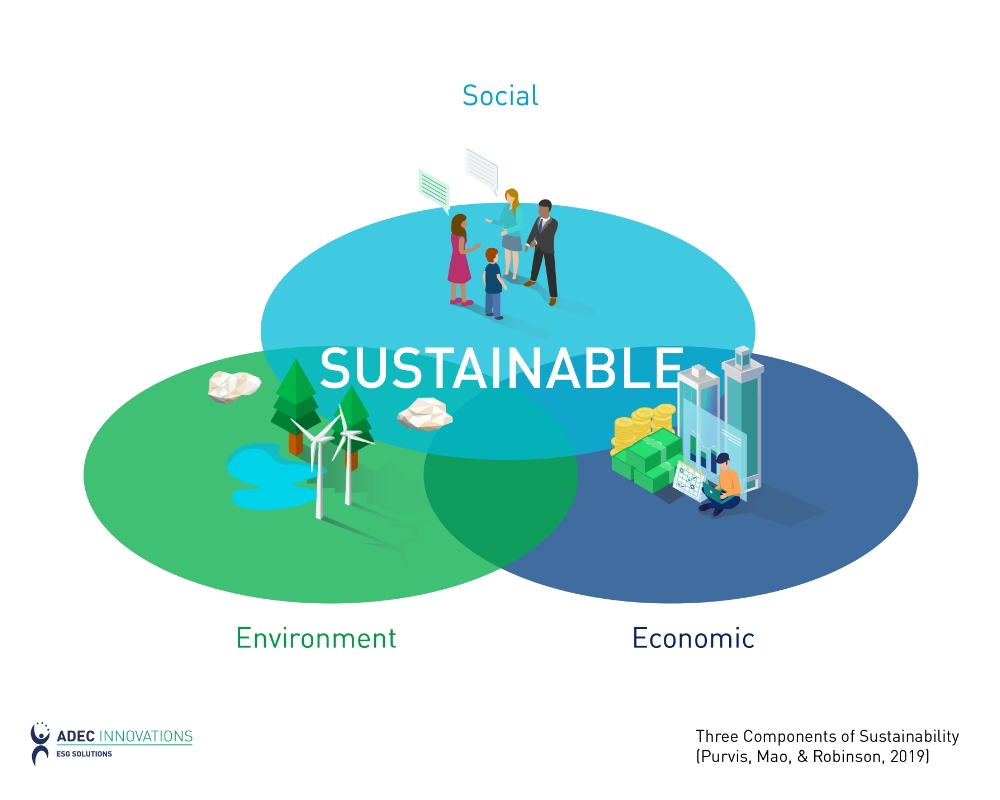
In the contemporary business landscape, the concept of sustainability is often synonymous with “green” initiatives—carbon offsets, plastic reduction, and renewable energy. However, as global markets evolve and consumer expectations shift, a second, equally critical pillar has emerged: Social Sustainability. While environmental sustainability focuses on the planet, social sustainability focuses on the people. For modern brands, understanding and integrating this concept is no longer an optional ethical add-on; it is a fundamental component of brand strategy, corporate identity, and long-term viability.
Social sustainability is the process of creating successful, places, and businesses that promote well-being by understanding what people need from the places they live and work. For a brand, it translates to the management of impacts—both positive and negative—on people. This includes employees, workers in the supply chain, customers, and the local communities where a business operates.
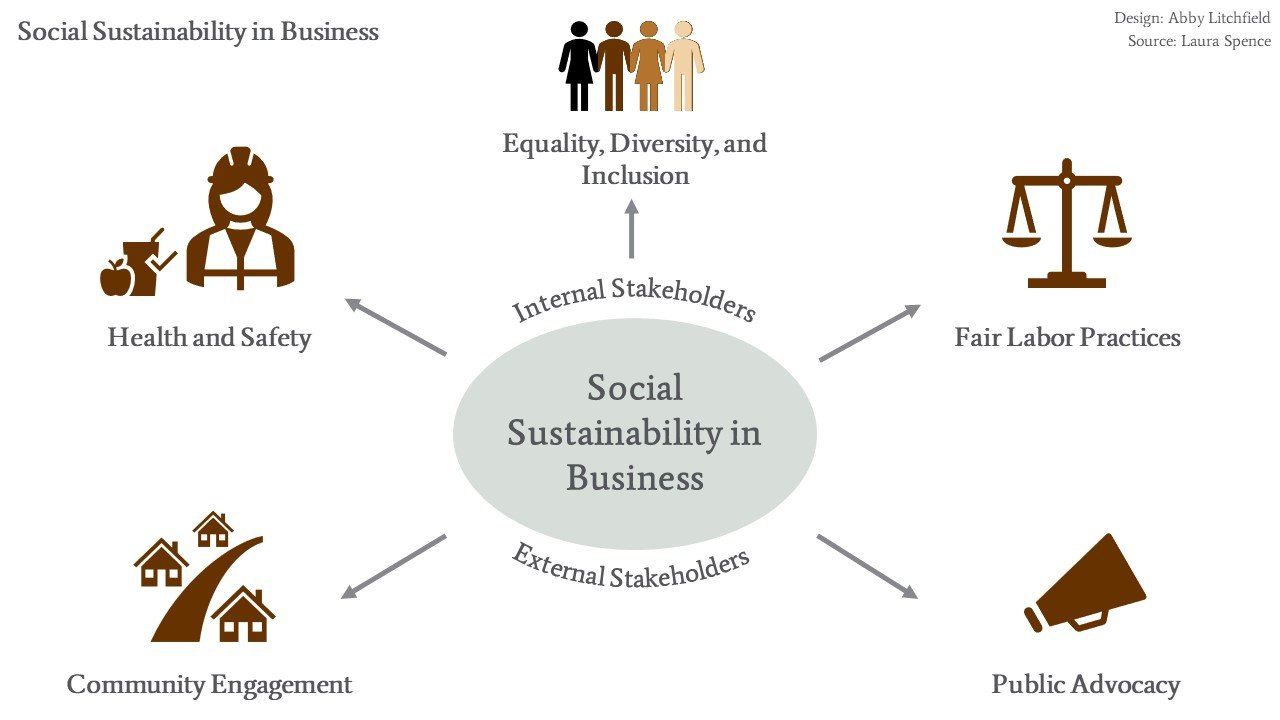
Defining Social Sustainability in the Context of Brand Strategy
To understand social sustainability through the lens of branding, one must look beyond traditional Corporate Social Responsibility (CSR). While CSR is often treated as a peripheral department or a year-end report, social sustainability is woven into the very fabric of a brand’s identity. It is about the “S” in ESG (Environmental, Social, and Governance) and how that “S” defines a brand’s relationship with humanity.
The Shift from CSR to Integrated Social Impact
In the past, brands engaged in “philanthropy” as a way to offset less-than-ideal business practices. Today, the market demands integration. Social sustainability means that the social impact is a byproduct of the business model itself. A brand that practices social sustainability doesn’t just give money to a charity; it ensures that its internal culture is equitable, its supply chain is free from exploitation, and its products solve genuine human problems. This shift represents a move from “doing good as a side project” to “being good as a core brand value.”
The Four Pillars of Social Sustainability for Brands
For a brand to be truly socially sustainable, it must address four key dimensions:
- Equity: Ensuring that the brand provides equal opportunities and treatment for all stakeholders, regardless of demographic.
- Diversity and Inclusion: Actively seeking and celebrating different perspectives within the workforce and the brand’s messaging.
- Social Cohesion: Building a sense of community and belonging among employees and customers.
- Quality of Life: Contributing to the health, safety, and education of the people the brand touches.
Why Social Sustainability is the New Competitive Advantage
In a saturated market where product features are easily replicated, a brand’s values become its primary differentiator. Social sustainability has transitioned from a moral obligation to a powerful tool for brand positioning and risk management. Brands that ignore the social dimension of their operations risk reputational damage, boycotts, and the loss of high-quality talent.
Earning Consumer Trust in the Age of Transparency
We live in an era of radical transparency. Social media and digital journalism mean that a brand’s internal failings—whether it is an unfair wage structure or a lack of diversity in leadership—can become global news in hours. Modern consumers, particularly Gen Z and Millennials, are “belief-driven” buyers. They view their purchases as a vote for the kind of world they want to live in. By prioritizing social sustainability, a brand builds a “trust reservoir.” When consumers believe a brand genuinely cares about people, they are more likely to remain loyal during crises and become organic brand advocates.
Attracting and Retaining Top-Tier Talent
A brand is only as strong as the people behind it. The “Great Resignation” and the rise of “Quiet Quitting” have highlighted a fundamental shift in the workforce: people want to work for brands that have a soul. Social sustainability is a magnet for talent. Prospective employees are looking for more than a paycheck; they are looking for psychological safety, inclusive environments, and a sense of purpose. Brands that can demonstrate a commitment to the well-being and growth of their people will always outperform those that treat labor as a mere commodity.
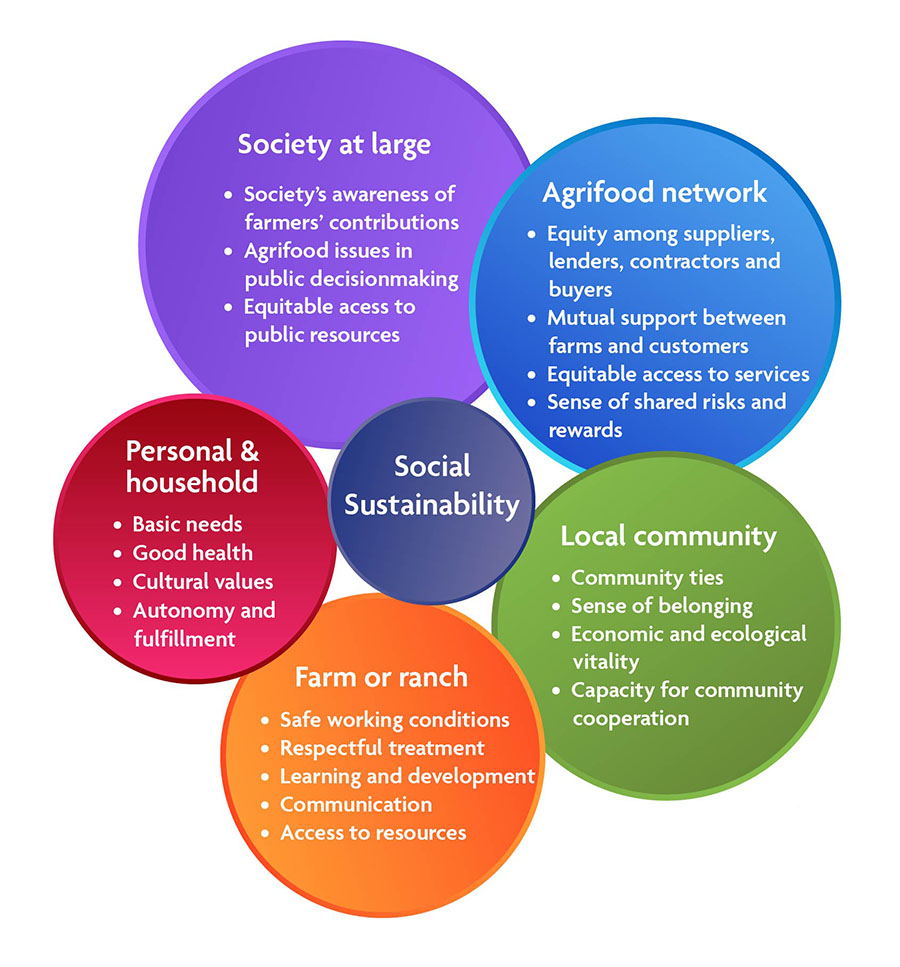
Implementing Social Sustainability: Internal vs. External Strategies
For a brand to be authentic, its social sustainability efforts must be holistic. Discrepancies between what a brand says in its marketing and how it treats its employees lead to “social washing”—a practice that can be more damaging to a brand’s reputation than doing nothing at all. Implementation must happen on two fronts: internal culture and external impact.
Internal: Ethical Labor and Inclusive Culture
The foundation of a socially sustainable brand starts within its own walls. This involves:
- Fair Compensation: Moving beyond minimum wage to “living wage” standards.
- Mental Health and Well-being: Recognizing that employees are humans first and workers second, providing the support systems necessary for a healthy work-life balance.
- Professional Development: Investing in the long-term career arcs of employees, ensuring that the brand is a vehicle for social mobility.
- Democratic Governance: Giving employees a voice in the direction of the company, which fosters a sense of ownership and pride in the brand identity.
External: Community Engagement and Value Chain Equity
Once the internal house is in order, the brand must look outward. Social sustainability in the supply chain is one of the most significant challenges and opportunities for modern brands.
- Supply Chain Traceability: A brand’s social footprint extends to the farmers, factory workers, and logistics drivers who make its products possible. Ensuring fair labor practices across the entire value chain is essential.
- Local Impact: Brands should strive to be “good neighbors.” This means supporting local economies, engaging in community development, and ensuring that their presence in a region provides more value than it extracts.
- Inclusive Marketing: Ensuring that the brand’s visual and verbal identity reflects the diversity of the world, avoiding stereotypes, and promoting a more inclusive narrative.
Measuring the Success of Your Social Sustainability Efforts
“What gets measured gets managed.” In the realm of branding, social sustainability can often feel intangible. However, to maintain credibility with stakeholders and investors, brands must move toward data-driven assessments of their social impact.
Key Performance Indicators (KPIs) for Brand Social Impact
Brands can track their progress through several metrics:
- Employee Net Promoter Score (eNPS): Measures employee satisfaction and their likelihood to recommend the brand as a place to work.
- Diversity Ratios: Tracking representation across all levels of the organization, particularly in leadership and board positions.
- Pay Gap Audits: Regularly reviewing compensation to ensure there are no disparities based on gender, race, or ethnicity.
- Supplier Compliance: The percentage of suppliers that meet third-party social responsibility certifications (e.g., Fair Trade, B Corp).
Storytelling and Authentic Communication
Data is the skeleton, but storytelling is the skin. For a brand, the goal is to communicate social sustainability in a way that resonates emotionally without appearing self-congratulatory. Authentic storytelling focuses on the impact rather than the intent. Instead of a brand saying “We care about workers,” it should highlight the stories of the workers whose lives have been improved by the brand’s policies. This creates a human connection that reinforces the brand’s identity in the mind of the consumer.
The Future of Socially Sustainable Branding
The trajectory of global commerce is clear: the future belongs to brands that can balance profit with a profound commitment to people. As artificial intelligence and automation change the nature of work, the “human element” of a brand will become its most precious asset.
Social sustainability is not a destination, but a continuous journey of improvement. It requires brands to be humble, to listen to their critics, and to be willing to restructure their operations in favor of human dignity. In the long run, brands that prioritize social sustainability will not only survive the shifts in consumer sentiment—they will lead the way in creating a more equitable and resilient global economy. By placing people at the center of the brand strategy, companies can build an enduring legacy that transcends mere financial success, creating a brand that is truly worth following.
aViewFromTheCave is a participant in the Amazon Services LLC Associates Program, an affiliate advertising program designed to provide a means for sites to earn advertising fees by advertising and linking to Amazon.com. Amazon, the Amazon logo, AmazonSupply, and the AmazonSupply logo are trademarks of Amazon.com, Inc. or its affiliates. As an Amazon Associate we earn affiliate commissions from qualifying purchases.