
Social studies in high school is a multifaceted academic discipline that aims to equip students with a comprehensive understanding of the human experience, society, and the world around them. Far from being a single subject, it’s an integrated curriculum that draws upon various fields such as history, geography, civics, economics, sociology, and psychology. The overarching goal is to foster informed, engaged, and responsible citizens capable of navigating the complexities of modern life, understanding diverse perspectives, and contributing meaningfully to their communities and the global society.
In the context of high school, social studies transcends rote memorization of facts and dates. It emphasizes critical thinking, analysis, research skills, and the ability to interpret information from various sources. Students are encouraged to explore cause and effect, understand patterns of human behavior, and develop empathy for different cultures and historical periods. This foundational knowledge is crucial for understanding contemporary issues, from technological advancements and economic shifts to the intricacies of branding and personal development.
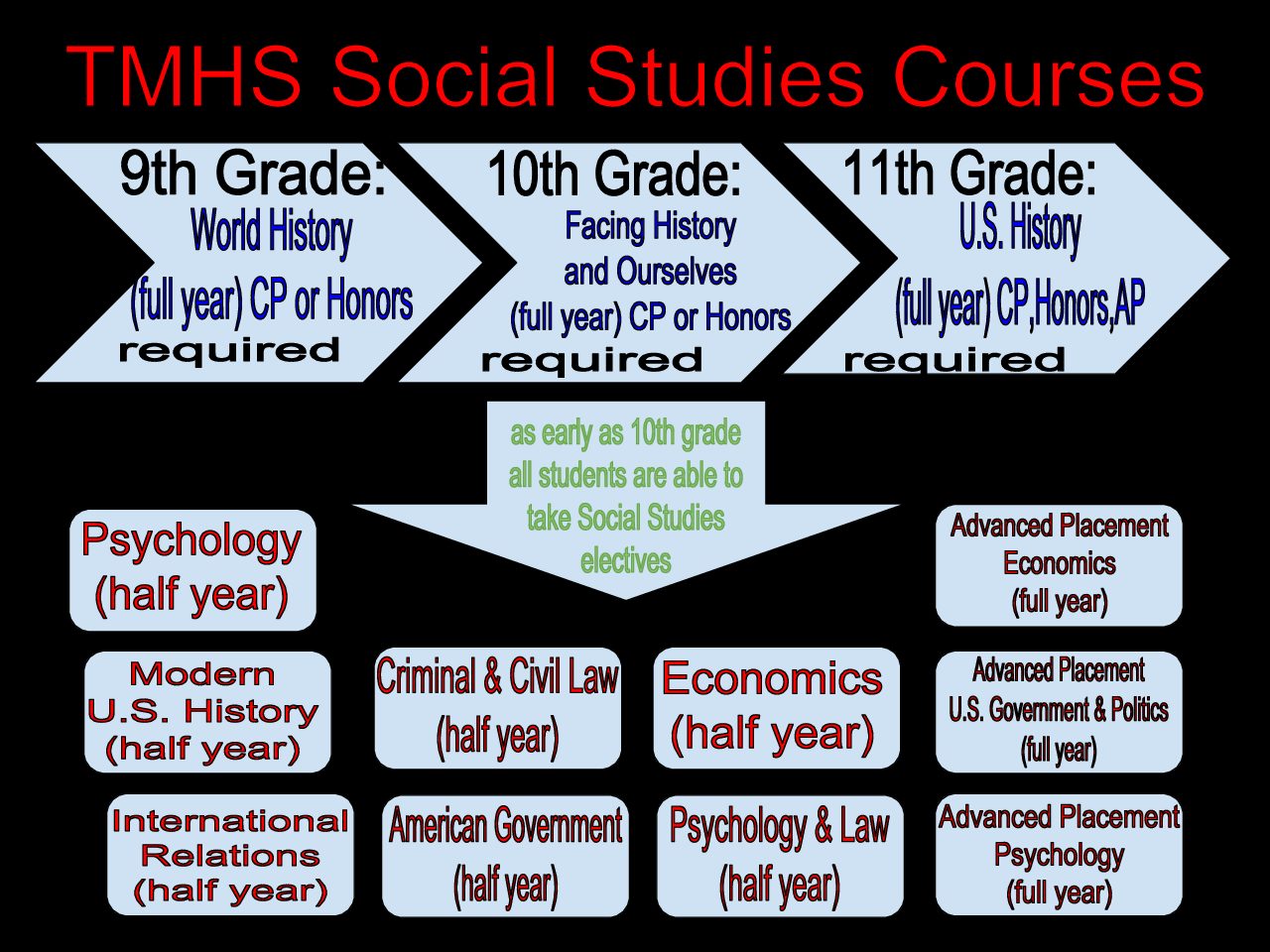
The Pillars of Social Studies: Building Blocks for Understanding
To grasp the essence of social studies, it’s vital to explore its core components, each contributing a unique lens through which to view human society. These pillars provide the foundational knowledge and analytical tools that empower students.
History: The Tapestry of Human Experience
History, at its heart, is the study of the past. In high school, it’s not just about memorizing timelines of kings and wars, but about understanding the narrative of human civilization. Students learn how past events have shaped present-day societies, institutions, and conflicts. This includes exploring:
- Chronological Understanding: Grasping the sequence of events and their interconnectedness.
- Causality: Analyzing the reasons behind historical occurrences and their consequences.
- Primary and Secondary Sources: Learning to critically evaluate evidence and understand different historical interpretations.
- Global and Local Perspectives: Understanding how events in one part of the world can impact others, and appreciating the history of their own communities.
The study of history provides a crucial context for understanding contemporary technological advancements, the evolution of branding and marketing strategies, and the historical roots of economic systems and financial inequalities. For instance, understanding the industrial revolution is essential for appreciating the current technological revolution. Similarly, historical patterns of trade and commerce shed light on modern global economics and financial markets.
Geography: The Spatial Dimensions of Society
Geography explores the Earth’s surface, its physical features, and the human populations that inhabit it. In high school, this goes beyond simply identifying continents and capitals. It delves into:
- Physical Geography: Understanding landforms, climates, and ecosystems and how they influence human settlement and activity.
- Human Geography: Examining population distribution, migration patterns, cultural landscapes, and the spatial organization of societies.
- Geopolitics: Analyzing how geographical factors influence political power, international relations, and resource distribution.
- Environmental Issues: Understanding the human impact on the environment and the challenges of sustainability.
Geographical knowledge is intrinsically linked to the other core areas. It informs our understanding of resource availability, which is crucial for economic development and technological innovation. The global reach of brands and marketing campaigns is directly influenced by geographical considerations, including cultural nuances and logistical challenges. Understanding regional economic disparities, often rooted in geographical factors, is fundamental to comprehending personal finance and investment opportunities.
Civics and Government: The Framework of Society
Civics and government education focuses on the rights and responsibilities of citizens, the structure of government, and the principles of democracy. High school courses aim to:
- Understand Political Systems: Learning about different forms of government, from local to national and international levels.
- Civic Participation: Encouraging students to understand their roles in the democratic process, including voting, advocacy, and community involvement.
- Constitutional Principles: Examining the foundations of law, rights, and liberties.
- Current Events Analysis: Applying knowledge of government and civics to understand contemporary political issues.

The principles learned in civics are directly applicable to understanding how regulations impact technology, how corporate governance influences branding, and how economic policies affect personal finance and investment. A well-informed citizenry is essential for a healthy democracy, and social studies plays a pivotal role in cultivating this.
Economics: The Study of Scarcity and Choice
Economics is the social science that studies how individuals, businesses, and governments make choices in the face of scarcity. High school economics courses typically cover:
- Microeconomics: Focusing on individual decision-making, supply and demand, market structures, and consumer behavior.
- Macroeconomics: Examining aggregate economic phenomena, such as inflation, unemployment, economic growth, and fiscal and monetary policy.
- Personal Finance: Introducing concepts like budgeting, saving, investing, and debt management.
- Global Economics: Understanding international trade, financial markets, and economic development.
Economics is a cornerstone of social studies, directly informing our understanding of personal finance, investment strategies, and the dynamics of business and corporate identity. It also provides the context for understanding the economic implications of technological innovation and the effectiveness of different branding and marketing approaches.
Interconnectedness: Social Studies in the Modern World
The strength of social studies lies not in its isolated components but in their interconnectedness and relevance to the modern world. The skills and knowledge gained are not confined to the classroom; they are essential for navigating an increasingly complex and interconnected global landscape.
Navigating the Digital Frontier: Tech and Social Studies
The rapid advancement of technology presents both opportunities and challenges that social studies directly addresses. Understanding the historical trajectory of innovation, the ethical implications of AI, and the societal impact of digital security is paramount.
- Technology Trends and Society: Social studies explores how new technologies reshape communication, social interactions, and political landscapes. For instance, the rise of social media has profound implications for civic engagement and the dissemination of information, a topic deeply rooted in civics and sociology.
- AI and Ethical Considerations: As AI tools become more prevalent, social studies examines the ethical dilemmas surrounding their development and deployment. This includes discussions on bias in algorithms, job displacement, and the future of work, all of which have economic and sociological dimensions.
- Digital Security and Privacy: Understanding the importance of digital security and privacy is a critical component of modern citizenship. Social studies courses can educate students on the risks of cyber threats and the importance of protecting personal data, linking to aspects of civics and personal responsibility.
- Productivity and Digital Literacy: The ability to effectively use technology for learning, communication, and problem-solving is a vital skill. Social studies can foster digital literacy by incorporating research using online resources and collaborative digital projects.
The Art and Science of Influence: Brand and Social Studies
The concept of “brand” extends far beyond mere logos and advertisements. It encompasses reputation, identity, and the perception of value, all of which are deeply intertwined with social studies.
- Brand Strategy and Consumer Behavior: Economics and psychology, core components of social studies, provide insights into consumer behavior. Understanding why certain brands resonate with audiences, how marketing campaigns exploit psychological triggers, and the economic principles behind brand loyalty are all informed by social studies.
- Personal Branding in the Digital Age: In an era where individuals increasingly manage their online presence, the concept of personal branding has gained significant traction. Social studies can help students understand how to cultivate a positive online identity, the ethics of self-promotion, and how their digital footprint can influence future opportunities, linking to aspects of sociology and civics.
- Corporate Identity and Social Responsibility: Businesses today are increasingly judged not only on their products but also on their corporate identity and social responsibility. Social studies examines how companies build trust, engage with diverse communities, and navigate ethical challenges, connecting to principles of economics, sociology, and civics.
- Case Studies and Reputation Management: Analyzing historical and contemporary case studies of successful and failed branding efforts provides valuable lessons. Students learn how reputation is built over time and how quickly it can be damaged, often influenced by historical context, societal trends, and public perception.

The Engine of Society: Money, Finance, and Social Studies
The study of money and finance is a direct and indispensable part of social studies, crucial for individual well-being and societal stability.
- Personal Finance and Financial Literacy: High school social studies programs often incorporate personal finance education, teaching students essential skills like budgeting, saving, managing debt, and understanding credit. This empowers them to make sound financial decisions throughout their lives, directly impacting their personal economic security.
- Investing and Wealth Creation: Understanding the principles of investing, from stocks and bonds to real estate, is a key aspect of building financial independence. Social studies provides the economic framework for understanding these concepts, including risk management and long-term financial planning.
- Online Income and Side Hustles: In the evolving economic landscape, understanding various avenues for generating income, including online opportunities and side hustles, is increasingly important. Social studies can explore the economic principles behind entrepreneurship and the changing nature of work.
- Business Finance and Economic Systems: A broader understanding of business finance, including how companies operate, raise capital, and manage their finances, provides context for the global economy. This knowledge is crucial for understanding economic policies, market fluctuations, and the overall health of national and international economies.
- Financial Tools and Technology: The digital age has revolutionized access to financial tools and services. Social studies can explore the impact of fintech, online banking, and investment platforms, helping students navigate these advancements responsibly and effectively.
In conclusion, social studies in high school is a vital and dynamic field that provides students with the knowledge, skills, and critical thinking abilities necessary to thrive in the 21st century. By exploring the past, understanding the present, and contemplating the future, students are empowered to become informed citizens, discerning consumers, and responsible individuals capable of contributing positively to society in an increasingly interconnected world, where technology, branding, and financial literacy are paramount.
aViewFromTheCave is a participant in the Amazon Services LLC Associates Program, an affiliate advertising program designed to provide a means for sites to earn advertising fees by advertising and linking to Amazon.com. Amazon, the Amazon logo, AmazonSupply, and the AmazonSupply logo are trademarks of Amazon.com, Inc. or its affiliates. As an Amazon Associate we earn affiliate commissions from qualifying purchases.