
The concept of a “social relationship” has been a cornerstone of human existence since the dawn of civilization. It speaks to the fundamental human need for connection, belonging, and mutual understanding. Traditionally, these relationships were forged through face-to-face interactions, shared experiences within physical communities, and the slow, organic growth of bonds. However, the relentless march of technology has irrevocably reshaped the landscape of social connection, birthing entirely new paradigms and challenging our very definitions of what constitutes a “social relationship.”
In today’s hyper-connected world, where digital interactions often precede or even substitute for physical ones, understanding social relationships requires a nuanced perspective. It’s no longer a monolithic concept but a multifaceted phenomenon influenced by the very tools and platforms we use to communicate and connect. This article will delve into the evolving nature of social relationships, exploring how technology, branding, and even financial considerations intertwine with our quest for meaningful connections.
The Evolving Definition of Social Relationships
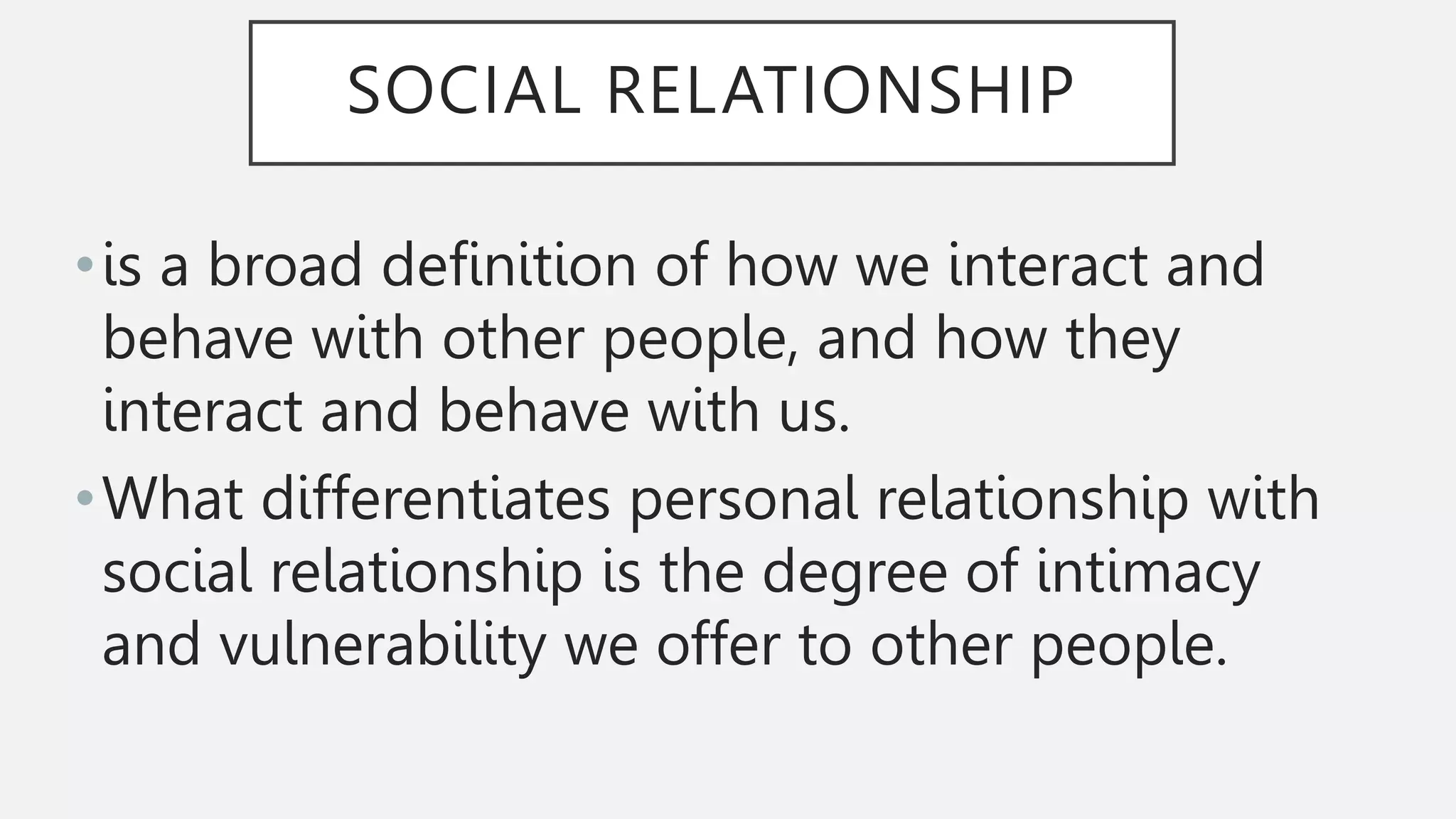
At its core, a social relationship is a sustained pattern of social interaction between two or more individuals. These interactions are characterized by a degree of familiarity, mutual awareness, and a shared understanding of roles and expectations. They can range from fleeting acquaintances to deeply intimate and lifelong bonds.
Historically, social relationships were primarily defined by proximity, shared activities, and direct, unmediated communication. Think of the strong bonds formed within families, close-knit neighborhoods, or dedicated work colleagues who spent their days together. These relationships were often built on trust, loyalty, and a shared history that unfolded in real-time.
The advent of the internet, and subsequently social media, shattered these geographical and temporal limitations. Suddenly, individuals could connect with others across continents, share their thoughts and experiences instantly, and maintain relationships that might have otherwise faded due to distance. This digital revolution has not only expanded the reach of social relationships but has also fundamentally altered their texture and dynamics.
The Digital Fabric of Connection: Tech’s Impact
Technology is arguably the most significant driver behind the redefinition of social relationships. The tools we use to communicate have become integral to the very fabric of our social lives.
Communication Platforms: From Letters to Likes
The evolution of communication tools mirrors the evolution of social relationships. The slow, deliberate act of writing and sending a letter, with its inherent anticipation and thoughtful composition, fostered a different kind of connection than the rapid-fire exchanges of instant messaging or the fleeting validation of a “like” on a social media post.
- Instant Messaging and Chat Apps: Platforms like WhatsApp, Telegram, and Signal have facilitated continuous, real-time communication, making it easier to maintain daily contact with friends and family, regardless of their location. This has fostered a sense of constant presence and availability, blurring the lines between personal and professional communication.
- Social Media Networks: Facebook, Instagram, X (formerly Twitter), LinkedIn, and TikTok have created vast digital public squares where individuals can share aspects of their lives, engage in discussions, and form connections based on shared interests, beliefs, or even aspirational identities. These platforms allow for the maintenance of a broad network of weak ties, offering a sense of belonging and access to diverse perspectives.
- Video Conferencing Tools: Zoom, Google Meet, and Microsoft Teams have become indispensable for maintaining deeper connections, especially in the context of remote work and long-distance relationships. They bring back some of the non-verbal cues lost in text-based communication, allowing for more nuanced and personal interactions.
- Online Gaming and Virtual Worlds: These platforms offer immersive environments where individuals can collaborate, compete, and build strong, often intimate, relationships with others they may never meet in person. These digital communities can provide a powerful sense of belonging and shared purpose.
The technology we employ shapes not only how we connect but also what we prioritize in our relationships. The immediacy of digital communication can sometimes lead to a preference for superficial interactions over deep, meaningful engagement. The curated nature of online profiles can create an illusion of perfection, leading to social comparison and feelings of inadequacy. Conversely, these technologies can also be powerful tools for forging new connections, sustaining existing ones through difficult times, and fostering a sense of global community.
The Digital Footprint and Identity:
Our online presence, our digital footprint, plays a significant role in how we present ourselves and how others perceive us. This intersects heavily with branding.
The Art of Connection: Branding and Social Relationships
In the digital age, individuals and even brands are increasingly engaged in a form of self-branding, carefully curating their online personas to foster specific perceptions and attract particular connections. This is where the realm of “brand” becomes intrinsically linked to “social relationship.”
Personal Branding: Crafting Your Digital Identity
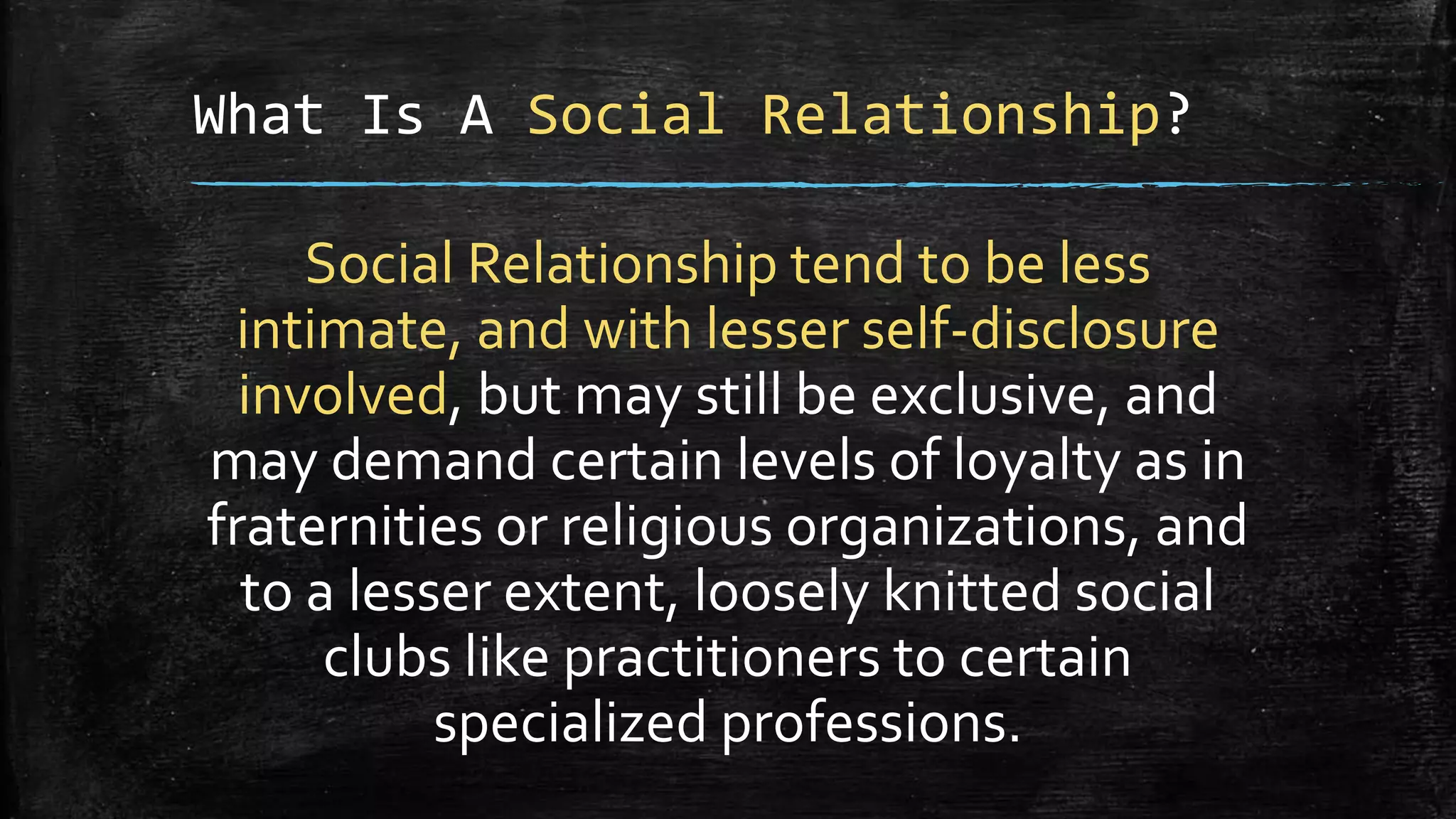
Personal branding is the conscious effort to shape how you are perceived by others, both online and offline. It involves identifying your unique strengths, values, and expertise, and then strategically communicating them to build a recognizable and trusted identity. In the context of social relationships, personal branding can:
- Attract Like-Minded Individuals: A strong personal brand can signal your interests and values, making it easier for others who share them to find and connect with you. This is particularly evident on platforms like LinkedIn, where professionals build their brand to network and seek opportunities.
- Build Trust and Credibility: When your online persona aligns with your offline actions and interactions, it builds trust. This trust is the bedrock of any strong social relationship, whether it’s a friendship, a professional partnership, or a romantic connection.
- Facilitate Deeper Engagement: A well-defined personal brand can invite more meaningful conversations. When people understand who you are and what you stand for, they are more likely to engage with you on a deeper level, moving beyond superficial pleasantries.
Corporate Identity and Community Building:
Brands themselves are increasingly recognizing the importance of cultivating social relationships with their customers. This goes beyond transactional exchanges and focuses on building loyalty, fostering community, and creating emotional connections.
- Brand as a Social Hub: Many brands leverage social media to create communities around their products or services. This can involve hosting online forums, running social media campaigns that encourage user-generated content, or creating exclusive online groups for loyal customers. These initiatives foster a sense of belonging and shared identity among customers, transforming them from passive consumers into active community members.
- Authenticity and Transparency: In an era where consumers are increasingly savvy and demand authenticity, brands that are transparent about their values, their practices, and even their mistakes are more likely to build strong, lasting relationships. This honesty fosters trust, a critical component of any robust social connection.
- Customer Relationship Management (CRM): While often seen as a business function, CRM tools are fundamentally about managing and nurturing relationships. By understanding customer preferences and interactions, businesses can personalize their communication and offerings, making customers feel valued and understood, thus strengthening the relationship.
Ultimately, both personal and corporate branding, when executed authentically, contribute to the formation and maintenance of social relationships by creating clarity, fostering trust, and inviting meaningful engagement.
The Financial Underpinnings of Connection: Money and Social Relationships
While often perceived as separate domains, money and social relationships are more intertwined than one might initially assume, particularly in the digital age.
The Economy of Attention:
In the attention economy, where our time and focus are valuable commodities, the act of giving someone our attention is an implicit social investment. This is evident in:
- Engagement Metrics: The likes, comments, and shares on social media are a form of social capital. The more engaged someone is with your content or your interactions, the more they are investing their attention in you, signifying a level of social interest.
- Influencer Marketing: The rise of social media influencers is a testament to the monetization of social relationships. Influencers leverage their perceived trust and connection with their audience to promote products and services. The audience’s willingness to follow, engage with, and be influenced by these individuals is a form of social currency.
Shared Financial Goals and Experiences:
Money, or the pursuit of it, can also be a powerful catalyst for social relationships.
- Investment Communities: Online forums and groups dedicated to investing or personal finance often foster strong social bonds. Individuals share advice, celebrate successes, and commiserate over losses, building camaraderie around shared financial goals.
- Side Hustles and Entrepreneurship: The collaborative nature of many side hustles and entrepreneurial ventures requires strong interpersonal skills and the ability to build trust and rapport with partners, clients, and customers. Shared financial aspirations can be a significant motivator for these connections.
- Financial Literacy and Support Networks: The sharing of financial knowledge and the provision of support for those facing financial challenges can create deep and meaningful social relationships. These networks offer a sense of solidarity and mutual aid in navigating the complexities of personal finance.
The Cost of Connection:
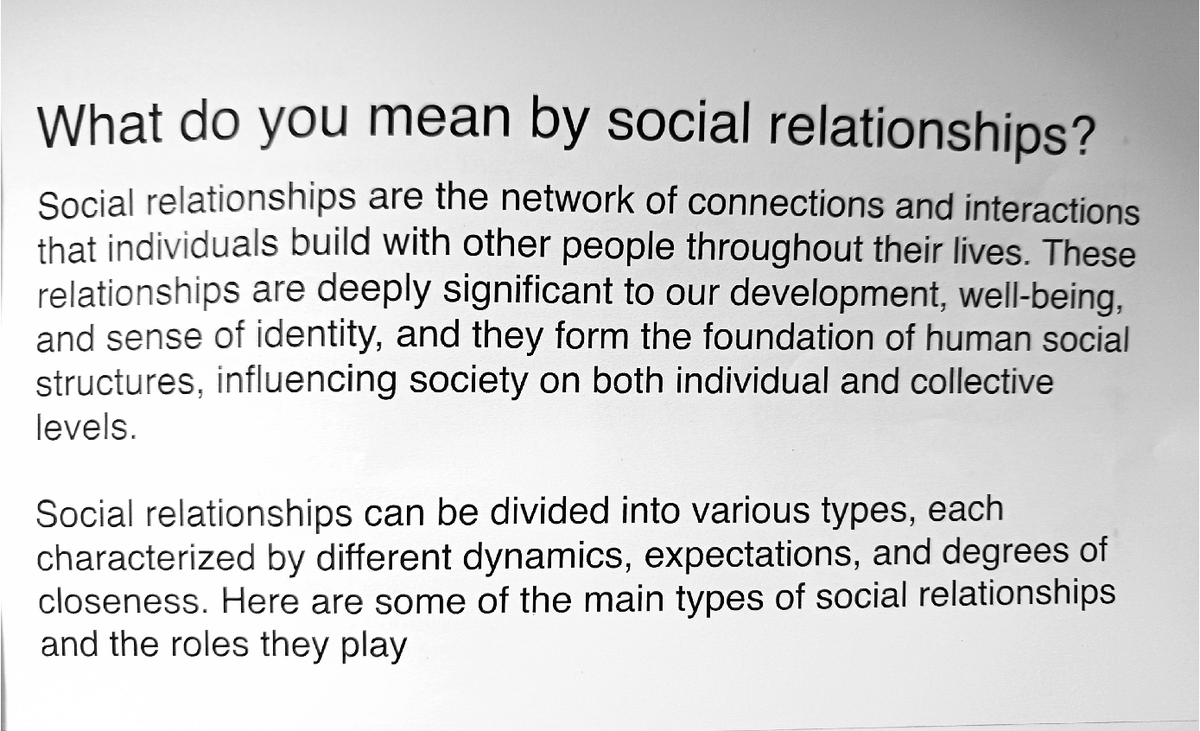
Maintaining social relationships, even in the digital realm, can have a “cost,” not always monetary, but in terms of time, energy, and emotional investment.
- Subscription Services and Digital Tools: While many communication platforms are free, premium features or specialized tools for community building or enhanced communication can incur costs.
- The Time Investment: The time spent curating online profiles, engaging in conversations, and maintaining digital networks is a significant investment of our most precious resource.
In conclusion, social relationships in the digital age are a complex and dynamic interplay of technology, branding, and even financial considerations. Technology provides the infrastructure for connection, branding helps us define our presence and attract others, and the economic realities of attention and shared goals influence the nature and depth of our bonds. Understanding these interwoven threads is crucial for navigating the modern landscape of human connection and fostering relationships that are both meaningful and sustainable. The fundamental human need for connection remains, but the ways in which we fulfill it are continuously being reshaped by the ever-evolving digital world.
aViewFromTheCave is a participant in the Amazon Services LLC Associates Program, an affiliate advertising program designed to provide a means for sites to earn advertising fees by advertising and linking to Amazon.com. Amazon, the Amazon logo, AmazonSupply, and the AmazonSupply logo are trademarks of Amazon.com, Inc. or its affiliates. As an Amazon Associate we earn affiliate commissions from qualifying purchases.