
In the modern marketplace, a brand is no longer just a logo or a product line; it is a living entity that exists within a complex web of social relationships. To understand how a brand moves from a mere name on a shelf to a cornerstone of a consumer’s lifestyle, we must look toward interpersonal psychology. Specifically, Social Penetration Theory (SPT)—originally developed by psychologists Irwin Altman and Dalmas Taylor in 1973—provides a masterful blueprint for brand strategy.
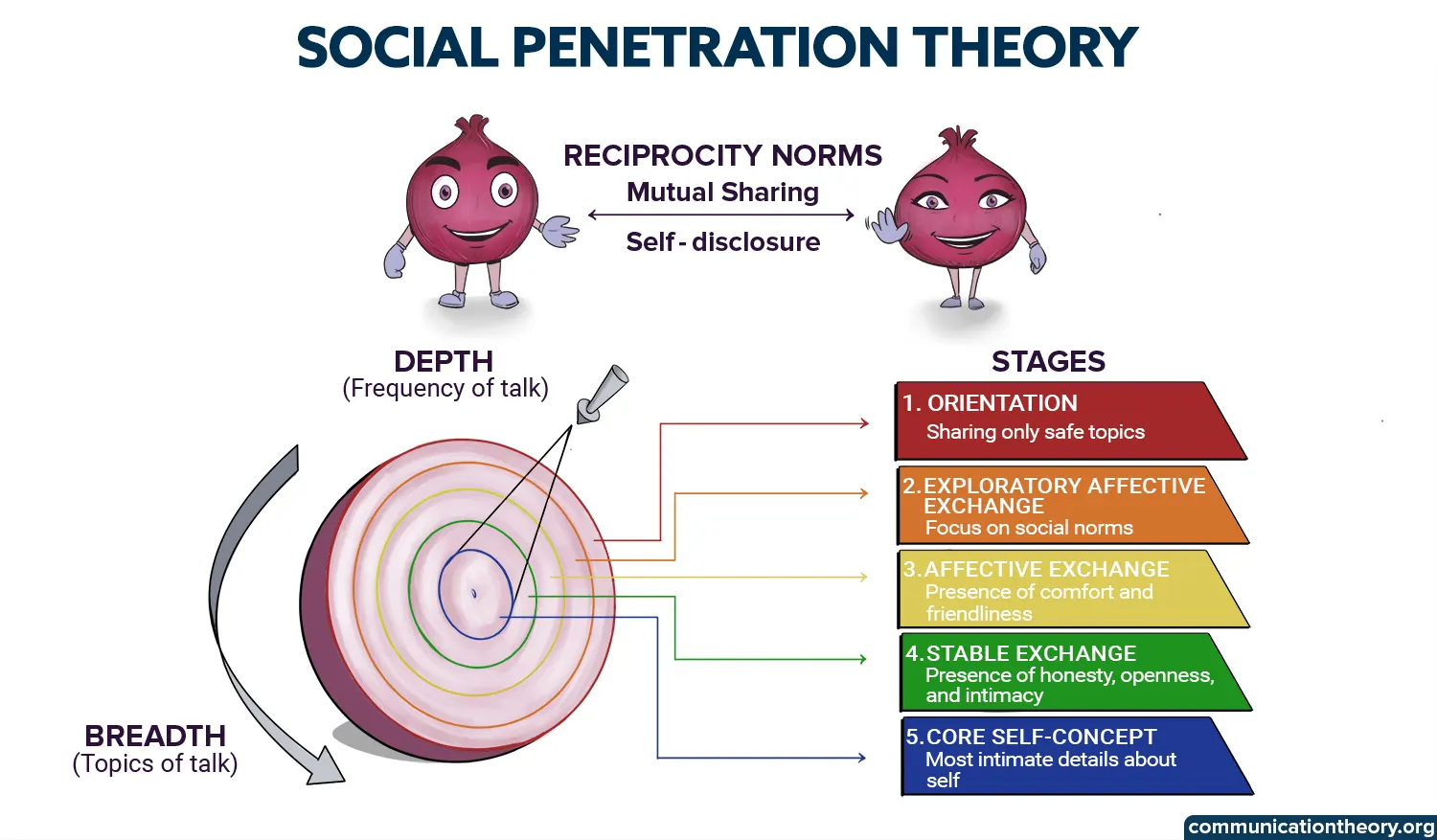
Social Penetration Theory posits that as relationships develop, interpersonal communication moves from relatively shallow, non-intimate levels to deeper, more personal ones. In the context of branding, this theory explains the process of “brand intimacy.” For a brand to achieve true loyalty, it must systematically “peel back the layers” of its identity, moving the consumer from superficial awareness to a profound emotional core.
Understanding the Layers: The “Onion Metaphor” in Brand Identity
The central metaphor of Social Penetration Theory is the onion. Just as an onion has many layers, brand identity is structured in stages of depth. For a brand to penetrate the consumer’s consciousness, it must navigate these layers with precision, ensuring that each disclosure is consistent with the one before it.
The Peripheral Layer: Visual Identity and First Impressions
The outermost layer of the brand onion consists of public, visible characteristics. This includes the logo, color palette, typography, and initial advertising slogans. At this stage, the relationship is transactional and cautious. The consumer is “sizing up” the brand based on aesthetic appeal and basic utility.
In brand strategy, the peripheral layer is about visibility. If the visual identity is cluttered or inconsistent, the consumer will never attempt to reach the next layer. Effective brands use this stage to establish a “public face” that is approachable and professional, signaling that they are worthy of further exploration.
The Intermediate Layer: Value Proposition and Brand Voice
As a consumer interacts with a product or follows a brand on social media, they move into the intermediate layer. Here, the brand begins to disclose its personality. This is where “brand voice” becomes critical. Is the brand humorous, authoritative, rebellious, or nurturing?
At this level, the brand shares its semi-private information—its unique selling propositions (USPs), its history, and its operational standards. This stage is crucial because it moves the conversation from what the brand does to how it does it. It creates a sense of familiarity, much like an acquaintance who begins to share their opinions and tastes.
The Core Layer: Belief Systems and Radical Transparency
The core of the onion represents the brand’s “why”—its fundamental values, ethics, and long-term vision. This is the deepest level of social penetration. When a brand reaches this level with a consumer, the relationship shifts from preference to advocacy.
For a brand to penetrate to this depth, it must practice radical transparency. This involves sharing the brand’s stance on social issues, its sustainability efforts, and even its failures. When a consumer aligns with a brand at the core level, they are not just buying a product; they are affirming their own identity through the brand’s values.
The Mechanics of Disclosure: Reciprocity and Breadth vs. Depth
Social Penetration Theory suggests that relationship development is governed by two key factors: breadth and depth. In branding, these factors dictate how much a brand shares and how quickly it tries to get “close” to its audience.
Strategic Reciprocity: Creating a Two-Way Dialogue
One of the hallmarks of SPT is the “norm of reciprocity.” In human relationships, when one person shares a secret, the other feels compelled to share one in return. Brands can trigger this psychological response through engagement strategies.
When a brand shares “behind-the-scenes” content or “vulnerable” stories about its origins, it invites the consumer to engage back. This might manifest as user-generated content, detailed reviews, or participation in community forums. By being “open” first, the brand earns the right to ask the consumer for their data, their feedback, and ultimately, their trust.
Balancing Breadth and Depth in Multi-Channel Marketing
“Breadth” refers to the range of topics a brand discusses, while “depth” refers to the intimacy of those topics. A common mistake in brand strategy is trying to achieve depth too quickly without sufficient breadth.

Imagine a brand that only talks about its mission (depth) without ever explaining what it actually sells or how it works (breadth). This creates a vacuum of information that feels untrustworthy. Conversely, a brand that talks about a million different things (breadth) but never reveals its true values (depth) remains a “shallow” acquaintance. A successful brand strategy balances these by using different platforms for different layers: Instagram might provide breadth through varied lifestyle content, while a dedicated podcast or founder’s newsletter provides the depth necessary for penetration.
Applying Social Penetration Theory to Modern Brand Strategy
In the digital age, the “penetration” of a brand into a consumer’s life happens faster but is also more fragile. Marketers must use specific tools to ensure the onion is peeled at the right pace.
The Role of Content Marketing as Controlled Disclosure
Content marketing is the primary vehicle for social penetration. Every blog post, video, and whitepaper is a “disclosure” event. To use SPT effectively, brands must map their content to the consumer journey:
- Awareness Stage (Peripheral): Infographics and short-form videos that emphasize aesthetics and basic utility.
- Consideration Stage (Intermediate): Case studies, “how-to” guides, and webinars that showcase expertise and voice.
- Decision Stage (Core): Impact reports, founder interviews, and community stories that reveal the brand’s soul.
By structuring content this way, the brand ensures it isn’t overwhelming the consumer with “too much, too soon,” which SPT warns can lead to a “social withdrawal” or a rejection of the relationship.
Leveraging Influencer Partnerships for Accelerated Intimacy
Influencers act as “social lubricants” in the penetration process. Because an influencer already has a deep, “penetrated” relationship with their audience, their endorsement allows a brand to bypass the cautious peripheral stage.
When an influencer shares a brand’s core values, they are essentially introducing the brand as a “trusted friend.” However, this only works if the influencer’s own “onion core” aligns with the brand’s core. If there is a mismatch, the disclosure feels artificial, and the consumer’s psychological defenses go up, stalling the penetration process.
Case Studies in High-Penetration Branding
To see Social Penetration Theory in action, we can look at brands that have successfully moved from the surface to the core of their customers’ lives.
Patagonia and the Core of Environmental Activism
Patagonia is a masterclass in SPT. On the surface (Peripheral), they sell high-quality outdoor gear. In the intermediate layer, they provide expert advice on climbing and exploration. But it is at the core—their “We’re in business to save our home planet” mission—where the true penetration happens. By being radically transparent about their supply chain and encouraging customers not to buy their products unless necessary, they have reached a level of intimacy where customers feel that wearing Patagonia is an extension of their own moral compass.
Glossier and the Power of Peer-to-Peer Vulnerability
Glossier built a billion-dollar brand by focusing on the intermediate layer of disclosure: the “Real Girl” aesthetic. By moving away from the “perfect” imagery of traditional beauty brands (the cold peripheral layer) and moving toward user-generated content and relatable skincare struggles, they created a sense of peer-to-peer intimacy. They “peeled the onion” by making the consumer part of the product development process, ensuring the core of the brand was built on the collective voice of its community.
The Risks of Over-Disclosure: Managing Brand Fragility
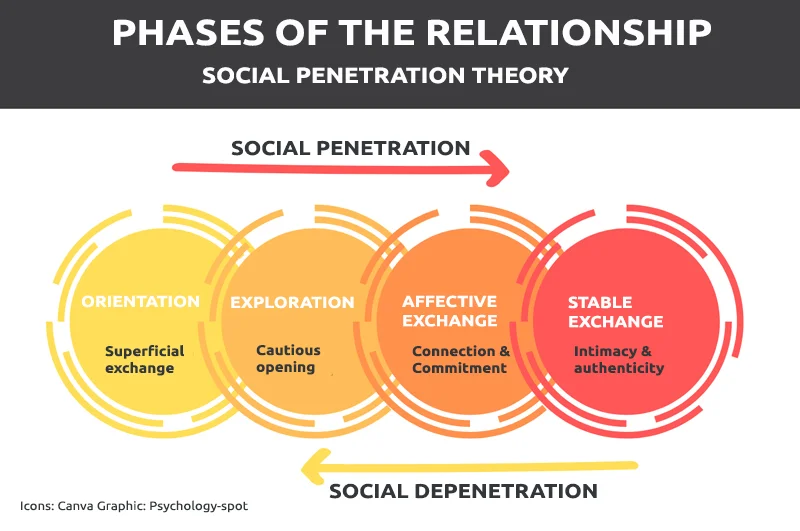
While Social Penetration Theory emphasizes the benefits of getting closer to the consumer, it also warns of “social depenetration.” This occurs when the costs of a relationship begin to outweigh the rewards, leading to a withdrawal.
In branding, this happens when a brand over-discloses or behaves in a way that contradicts its core. If a brand claims a core value of “sustainability” (Core Layer) but is caught in a greenwashing scandal, the penetration is reversed. The consumer feels a sense of personal betrayal because the relationship had reached a deep, vulnerable level.
Furthermore, “over-sharing” can be detrimental. Brands that attempt to be too “edgy” or “political” without a foundation of trust can alienate their audience. The key to SPT is the gradual nature of the process. Forcing intimacy through controversial marketing before the consumer has even understood the brand’s peripheral utility often leads to brand fatigue and rejection.
Conclusion: The Long Game of Brand Intimacy
Social Penetration Theory teaches us that brand building is a marathon, not a sprint. It is the art of moving a stranger toward a place of deep, personal connection through the strategic and reciprocal disclosure of identity. By understanding the layers of the brand onion—from the visual “skin” to the ethical “core”—strategists can create brands that do not just occupy space in the market, but occupy a meaningful space in the lives of their consumers. In a world of fleeting digital impressions, the brands that win are those that dare to be known deeply.
aViewFromTheCave is a participant in the Amazon Services LLC Associates Program, an affiliate advertising program designed to provide a means for sites to earn advertising fees by advertising and linking to Amazon.com. Amazon, the Amazon logo, AmazonSupply, and the AmazonSupply logo are trademarks of Amazon.com, Inc. or its affiliates. As an Amazon Associate we earn affiliate commissions from qualifying purchases.