
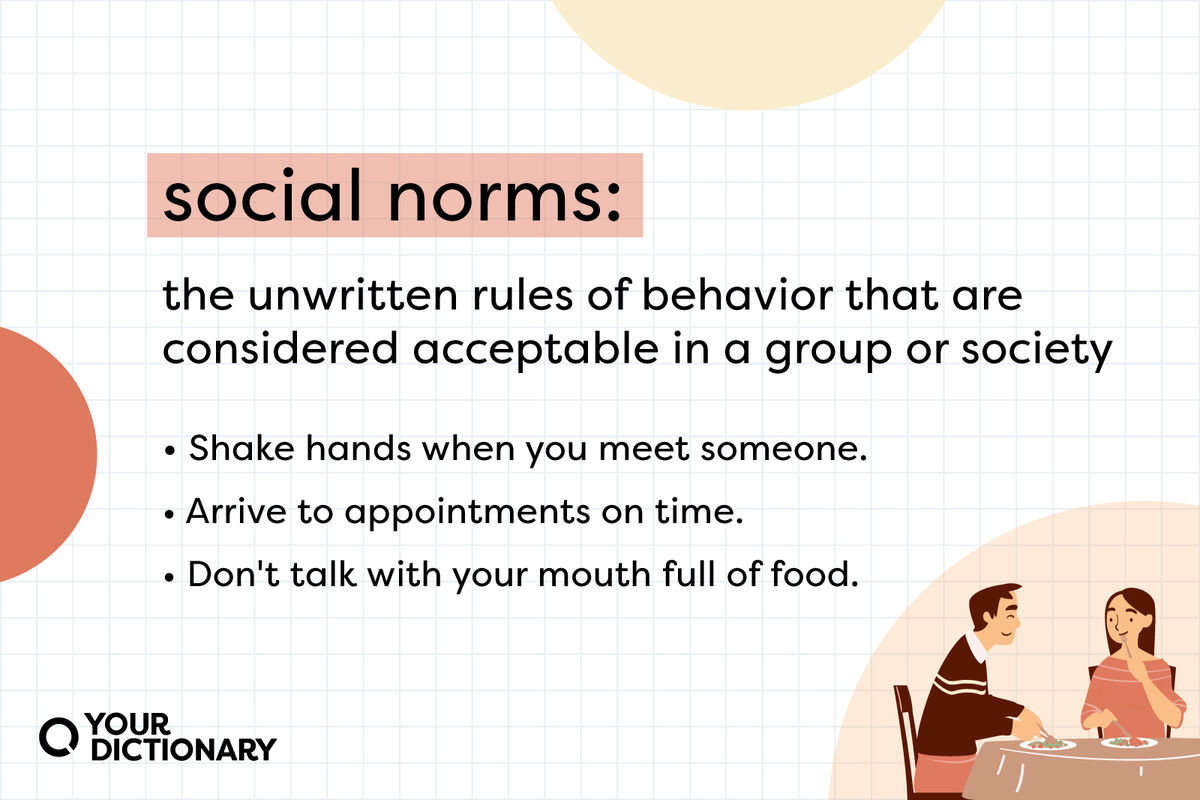
In the realm of sociology, social norms are the unwritten rules of behavior that a society or group regards as acceptable. However, in the hyper-competitive landscape of modern commerce, social norms have evolved into a critical pillar of brand strategy. For a brand to resonate with its audience, it must not only understand these invisible guardrails but also decide whether to align with them, leverage them, or strategically disrupt them.
Understanding social norms is the difference between a brand that feels like an organic part of a consumer’s life and one that feels like an intrusive outsider. This article explores the intersection of social behavior and brand identity, examining how businesses can navigate the complex web of cultural expectations to build lasting equity and influence.

Decoding Social Norms in the Brand Context
To master brand strategy, one must first recognize that social norms act as the software of human interaction. They dictate how we dress, how we speak, and—most importantly for businesses—how we consume. Brands that ignore these norms do so at their own peril, as they risk triggering a cognitive dissonance that can alienate potential loyalists.
The Psychology of Belonging and Consumption
At the heart of every social norm is the human desire for belonging. People use brands as signals to show their adherence to certain social groups. When a consumer buys a specific brand of athletic wear or chooses a particular software ecosystem, they are often signaling their alignment with the norms of a specific subculture. Brand strategy, therefore, is the art of positioning a product as a key to entry for a desired social circle. By understanding the norms of a target demographic, a brand can position itself as a facilitator of social acceptance.
Descriptive vs. Injunctive Norms in Marketing
In brand communication, it is essential to distinguish between descriptive and injunctive norms. Descriptive norms refer to what people actually do (e.g., “Most people in your neighborhood recycle”). Injunctive norms refer to what people should do based on societal approval (e.g., “It is morally right to recycle”).
High-level brand strategies often blend these two. A luxury brand might use descriptive norms by showing high-society figures using their products, while simultaneously tapping into injunctive norms by suggesting that “excellence” is a standard to which its customers should aspire. Understanding this distinction allows marketers to craft messages that appeal to both a consumer’s reality and their aspirations.
Building Brand Identity through Norm Alignment
A brand’s identity is essentially its personality. Just as individuals are judged by how well they navigate social expectations, brands are evaluated by how consistently they uphold the values and norms of their audience. Alignment is not about being “boring”; it is about establishing a foundation of trust.
Authenticity and the Reflection of Shared Values
In the current market, “authenticity” has become a buzzword, but its root lies in social norms. An authentic brand is one whose actions match the norms it claims to represent. For example, if a brand positions itself within the “eco-conscious” social norm, every part of its supply chain—from packaging to labor practices—must reflect that norm. Any deviation is seen as a violation of the social contract between the brand and the consumer, leading to a loss of brand equity that is incredibly difficult to recover.
The Shift from Product-Centric to Value-Centric Branding
Historically, branding focused on the utility of the product. Today, the focus has shifted to the values the brand represents. This shift is driven by a change in social norms where consumers, particularly Millennials and Gen Z, view their purchases as political and ethical statements.
Corporate identity is no longer just about a logo or a color palette; it is about where a company stands on social issues. Brands like Patagonia or Ben & Jerry’s have successfully built global identities by leaning heavily into the norms of environmentalism and social justice. They don’t just sell products; they sell an adherence to a specific set of progressive social norms, which creates a fierce, cult-like loyalty.
Leveraging Social Norms for Market Penetration
Once a brand understands the prevailing norms of its market, it can use them as a lever to accelerate growth. Social norms provide a shortcut for consumer decision-making, allowing brands to bypass skeptical analysis and tap into intuitive behavior.

Social Proof and the Bandwagon Effect
Social proof is perhaps the most powerful marketing application of social norms. It operates on the principle that if many people are doing something, it must be the “correct” thing to do. This is why brands prominently display “best seller” badges, user reviews, and celebrity endorsements.
In a digital-first world, social proof has transitioned from word-of-mouth to “word-of-click.” Influencer marketing is a direct application of this; by having an individual who embodies the norms of a specific group endorse a product, the brand gains immediate “normative” status within that group. The bandwagon effect ensures that as more people adopt the brand, the social pressure for others to join increases, creating a self-sustaining cycle of growth.
Breaking Norms as a Disruptive Strategy
While alignment is the safe path, disruption is often the most profitable one. Some of the most successful brand strategies in history involved intentionally violating a social norm to grab attention and carve out a new market niche.
Consider the brand “Liquid Death.” Water branding for decades followed the norms of purity, serenity, and health. Liquid Death disrupted these norms by using aesthetic cues from craft beer and heavy metal culture—using tallboy cans and “murder your thirst” slogans. By violating the traditional norms of the bottled water industry, they created a brand that appealed to a demographic that felt alienated by the “soft” imagery of competitors. Breaking a norm only works, however, if you are replacing it with a new, equally compelling social identity.
The Risks of Misinterpreting Social Norms
The margin for error in navigating social norms has never been thinner. In the age of instant communication and “call-out culture,” a brand that misreads a cultural norm can face a PR disaster within hours.
Cultural Appropriation vs. Cultural Appreciation
One of the most common pitfalls in brand strategy is the misinterpretation of cultural norms during global expansion or when targeting minority demographics. Using the symbols, language, or norms of a culture without a deep understanding of their significance is often viewed as cultural appropriation.
Brands that succeed in “cultural appreciation” do so by engaging with the community and ensuring their marketing reflects a genuine understanding of that culture’s norms. Failure to do so doesn’t just result in a failed campaign; it can lead to long-term damage to the corporate identity, as the brand becomes labeled as insensitive or exploitative.
Managing Backlash in the Age of Transparency
Social norms are not static; they evolve. A brand that was considered “edgy” ten years ago might be seen as “offensive” today. Corporate strategy must include a mechanism for monitoring the shifting sands of social expectations.
When a brand violates a norm and faces backlash, the response is as important as the mistake itself. Modern brand strategy requires a high degree of “social intelligence.” A defensive or tone-deaf response violates the norm of corporate accountability. Conversely, a transparent, humble, and action-oriented response can actually strengthen a brand’s relationship with its audience by demonstrating that the brand respects the community’s evolving standards.
The Future of Branding: Evolving Norms in a Digital-First World
As we look toward the future, the intersection of social norms and brand strategy will be shaped by two major forces: the rise of ESG (Environmental, Social, and Governance) standards and the total transparency of the digital landscape.
ESG as a New Corporate Norm
What was once a niche concern for “ethical” investors has become a mainstream social norm. Consumers now expect brands to have a positive impact on the world. ESG is no longer an optional “add-on” for a corporate identity; it is the baseline. Brands that fail to integrate sustainable and ethical norms into their core strategy will find themselves increasingly marginalized by both consumers and investors. This represents a fundamental shift in the “social norm” of business: from profit-maximization at any cost to “stakeholder capitalism.”
Personal Branding and the Norm of Transparency
The rise of the “personal brand”—from CEOs to influencers—has changed the norms of corporate communication. The old norm was “professionalism,” which often meant being polished, distant, and carefully curated. The new norm is “transparency” and “vulnerability.”
Consumers want to see the people behind the brand. They want to know the “why” as much as the “what.” This shift means that brand strategy must now include a human element. Leaders who share their challenges, failures, and processes are adhering to the new social norm of the digital age: the demand for raw, unfiltered human connection.
In conclusion, social norms are the invisible threads that weave the fabric of our markets. For a brand, these norms are both a challenge and an opportunity. By deeply understanding the rules that govern human behavior, a brand can build a strategy that is not just effective, but essential. Whether through the quiet power of alignment or the loud impact of disruption, the brands that master social norms are the ones that will define the future of the global marketplace.
aViewFromTheCave is a participant in the Amazon Services LLC Associates Program, an affiliate advertising program designed to provide a means for sites to earn advertising fees by advertising and linking to Amazon.com. Amazon, the Amazon logo, AmazonSupply, and the AmazonSupply logo are trademarks of Amazon.com, Inc. or its affiliates. As an Amazon Associate we earn affiliate commissions from qualifying purchases.