
In the rapidly evolving landscape of social media, few features have managed to embed themselves into the daily digital habits of users as effectively as the Snapchat Streak. Known officially as a “Snapstreak,” this feature has transcended being a mere software utility to become a cultural benchmark for digital relationships and platform loyalty. At its core, a Snapstreak is a visual representation of how many consecutive days two users have exchanged “Snaps” (photos or videos) with one another. While it sounds simple, the technical architecture and psychological gamification behind the feature represent a masterclass in app engagement and user retention.
Understanding the Snapstreak requires more than just knowing what the fire emoji means; it involves a look at the technical requirements, the UI/UX design choices, and the algorithmic triggers that keep millions of users returning to the app every single day.
Understanding the Mechanics of the Snapstreak
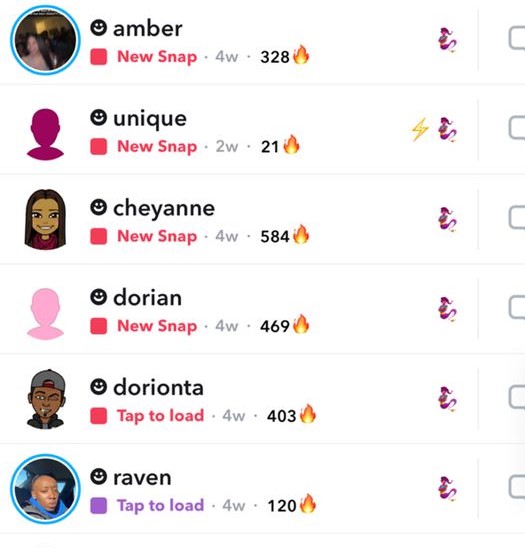
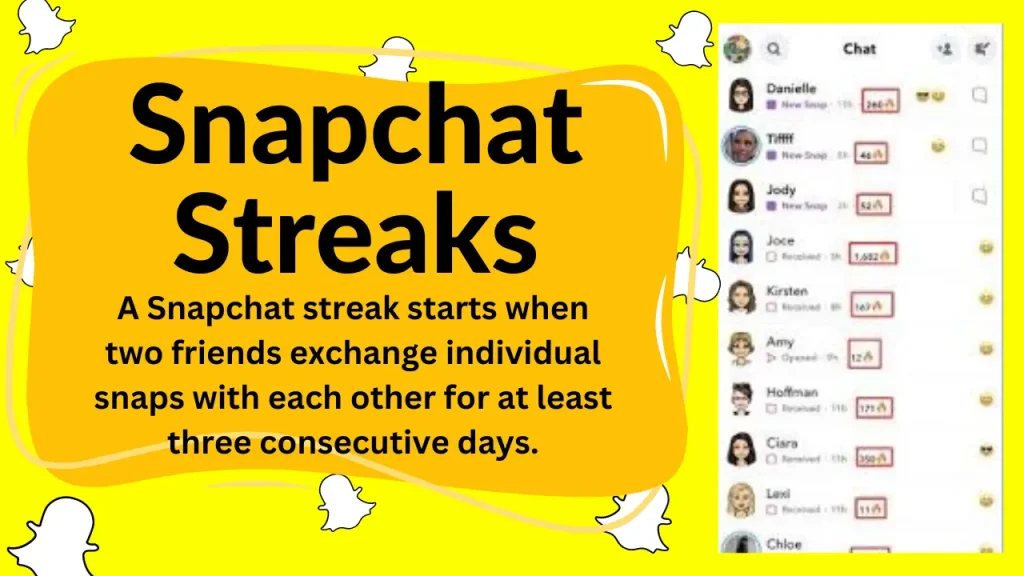
The Snapchat Streak is governed by a specific set of rules and technical parameters that distinguish it from standard messaging. For the software to register a “streak,” both parties must send a Snap to each other within a 24-hour window for at least three consecutive days. Once this threshold is met, a fire emoji ( ) appears next to the contact’s name, accompanied by a number indicating the length of the streak.
How to Start and Maintain a Streak
To initiate a streak, the technical requirement is the exchange of a direct photo or video Snap. It is important to note that the app’s logic excludes several types of interactions. For example, sending a text-based message in the chat interface does not count toward a Snapstreak. Similarly, Snaps sent to a “Story” or Snaps sent to a group chat are ignored by the streak algorithm. The focus is strictly on one-on-one, direct visual communication. This design encourages a more personalized, direct form of interaction, which is the cornerstone of Snapchat’s software philosophy.
The Visual Indicators: Fire Emojis and Hourglasses
Snapchat utilizes a variety of UI elements to communicate the status of a streak. The most famous is the fire emoji, which signifies the streak is active. As the streak reaches significant milestones—such as 100 days—the app may introduce the “100” emoji. However, the most critical UI element for many users is the hourglass emoji (⌛). This serves as a system notification indicating that the 24-hour window is nearly closed. From a technical standpoint, the hourglass is a countdown timer that prompts immediate user action, ensuring the engagement loop remains unbroken.
The “24-Hour Rule” and Technical Requirements
The backend of Snapchat operates on a rolling 24-hour clock for streaks. This is not necessarily aligned with a calendar day (midnight to midnight) but is instead tethered to the timestamp of the last Snap exchanged. This creates a continuous cycle of “check-ins.” If a user sends a Snap at 8:00 PM on Monday, the streak remains active as long as both users exchange another Snap before 8:00 PM on Tuesday. The precision of this synchronization is what makes the feature so addictive; it creates a “use it or lose it” scenario that demands constant attention to the app’s interface.
The Algorithm and Psychology Behind the Feature
From a technological trend perspective, the Snapstreak is a prime example of gamification—the application of game-design elements and principles in non-game contexts. By turning social interaction into a numerical score, Snapchat has successfully increased its Daily Active User (DAU) count and average time spent on the app.
Gamification in Social Media Design
Gamification relies on a feedback loop: Action → Reward → Investment. In the context of Snapchat, the “Action” is sending a Snap, the “Reward” is seeing the streak number increase, and the “Investment” is the time and effort spent maintaining the streak over months or even years. This digital architecture taps into the human brain’s reward system. When a user sees their streak number go up, it triggers a small release of dopamine, reinforcing the habit of opening the app. For the developers at Snap Inc., this feature is a highly effective tool for “stickiness,” ensuring that the app remains a primary destination on the user’s home screen.
User Retention Strategies and Engagement Metrics
In the competitive software market, user retention is the most valuable metric. A high number of downloads means little if users do not return. The Snapstreak serves as a powerful retention engine because it creates a social obligation. If one user fails to send a Snap, the streak breaks for both participants. This “mutual accountability” ensures that even if one user is feeling less engaged, the social pressure from their peer will likely pull them back into the app. This creates a network effect where the value of the platform increases as more of the user’s social circle becomes invested in these digital tallies.
Troubleshooting and Managing Your Streaks
As with any software-driven feature, technical glitches can occur. Users often invest years into a single streak, making the loss of that data a significant point of frustration. Consequently, Snapchat has built a support infrastructure specifically to handle streak-related issues.
What to Do When a Streak Disappears (The Appeal Process)
Server-side errors, connectivity issues, or app crashes can occasionally cause a Snapstreak to vanish even when the users believe they have met the 24-hour requirement. Snapchat provides a dedicated “I lost my Snapstreak” support form. This is a unique aspect of their digital security and support ecosystem. Users can submit an appeal, providing details about the device used and the specific contact involved. If the system confirms a technical discrepancy, the streak can be manually restored by the support team.
Snapchat+ and Streak Restores
In a more recent shift toward software monetization, Snapchat introduced “Snapchat+,” a subscription tier that offers premium features. One of the key selling points for this service is the “Streak Restore.” This allows users to undo a broken streak without going through the manual appeal process. From a product management perspective, this is a brilliant move: it takes a highly emotional and social pain point (losing a streak) and offers a technical solution behind a paywall. It further proves how valuable these digital records have become to the user base.
Managing Digital Burnout and Social Pressure
While streaks are a triumph of tech engagement, they also highlight the growing conversation around digital wellbeing. The technical design of the streak does not allow for “pauses” or “vacation modes” (unless using specific paid features). This can lead to digital burnout, where users feel a sense of fatigue from the repetitive nature of the task. Modern discussions in the tech industry regarding “Ethical Design” often point to features like streaks as examples of “dark patterns”—design choices that trick or coerce users into spending more time on an app than they might otherwise intend.
The Evolution of Snapstreaks in the Modern Social Landscape
The Snapstreak has paved the way for how other tech companies view “streaks” and “daily goals.” What began as a simple counter on a messaging app has influenced a wide array of software products, from language learning tools to fitness trackers.
From Simple Counters to Cultural Phenomena
The success of the Snapstreak has changed the way developers think about UI/UX. It showed that users are willing to perform repetitive tasks if there is a visual, quantifiable measure of progress. We now see “Streaks” in apps like Duolingo, where users maintain a streak for learning a language, or in fitness apps like Strava, where users track consecutive days of activity. Snapchat’s tech contribution here was the proof of concept: that social connectivity could be quantified and gamified to drive long-term software loyalty.
Comparison with Other Engagement Tools
Unlike Facebook’s “Likes” or Instagram’s “Hearts,” which are passive forms of engagement, the Snapstreak is active. It requires two-way synchronization. In the world of AI tools and automated content, the Snapstreak remains one of the few features that—theoretically—requires a human touch (though some users attempt to automate this with “streak bots,” which Snapchat’s security protocols work to detect and ban). As we look toward the future of social technology, the streak represents a transition from “content consumption” to “habitual interaction.”
In conclusion, a Snapchat Streak is far more than a fire emoji and a number. It is a sophisticated piece of software engineering designed to maximize engagement through gamification, social psychology, and rigid technical parameters. Whether viewed as a fun way to stay in touch or a demanding digital chore, its impact on the tech industry and the way we interact with our devices is undeniable. As Snapchat continues to iterate on this feature—through paid restores and new visual badges—the Snapstreak will likely remain the gold standard for app-based user retention for years to come.
aViewFromTheCave is a participant in the Amazon Services LLC Associates Program, an affiliate advertising program designed to provide a means for sites to earn advertising fees by advertising and linking to Amazon.com. Amazon, the Amazon logo, AmazonSupply, and the AmazonSupply logo are trademarks of Amazon.com, Inc. or its affiliates. As an Amazon Associate we earn affiliate commissions from qualifying purchases.