
In the modern digital landscape, email remains the primary medium for business communication, sensitive data exchange, and user authentication. However, the protocol that governs how these emails move across the internet was designed in an era when cybersecurity was an afterthought. As cyber threats such as data interception, spoofing, and man-in-the-middle (MitM) attacks became more sophisticated, the tech industry had to evolve. Enter SMTPS—Simple Mail Transfer Protocol Secure.
SMTPS is not a separate protocol from the standard SMTP but rather an extension that incorporates a layer of security to ensure that data remains confidential and untampered with during transit. For IT professionals, developers, and security enthusiasts, understanding SMTPS is critical for maintaining the integrity of digital communications.
1. The Evolution from SMTP to SMTPS
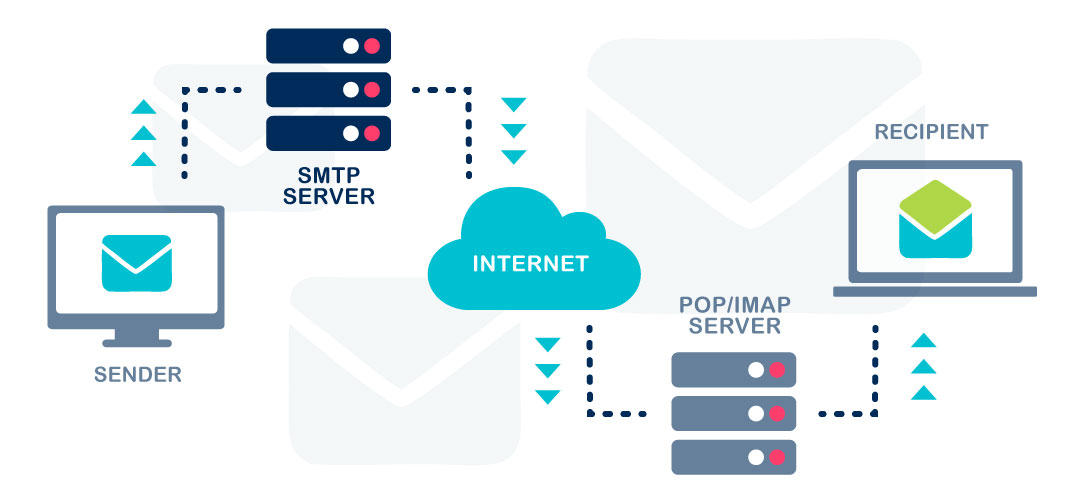
To understand what SMTPS is, we must first examine its predecessor. The original Simple Mail Transfer Protocol (SMTP) was established in the early 1980s. It was built for efficiency and reliability but lacked native encryption. This meant that any data sent via standard SMTP was transmitted in “clear text,” making it trivial for malicious actors to intercept and read the contents of an email.
The Traditional SMTP Framework
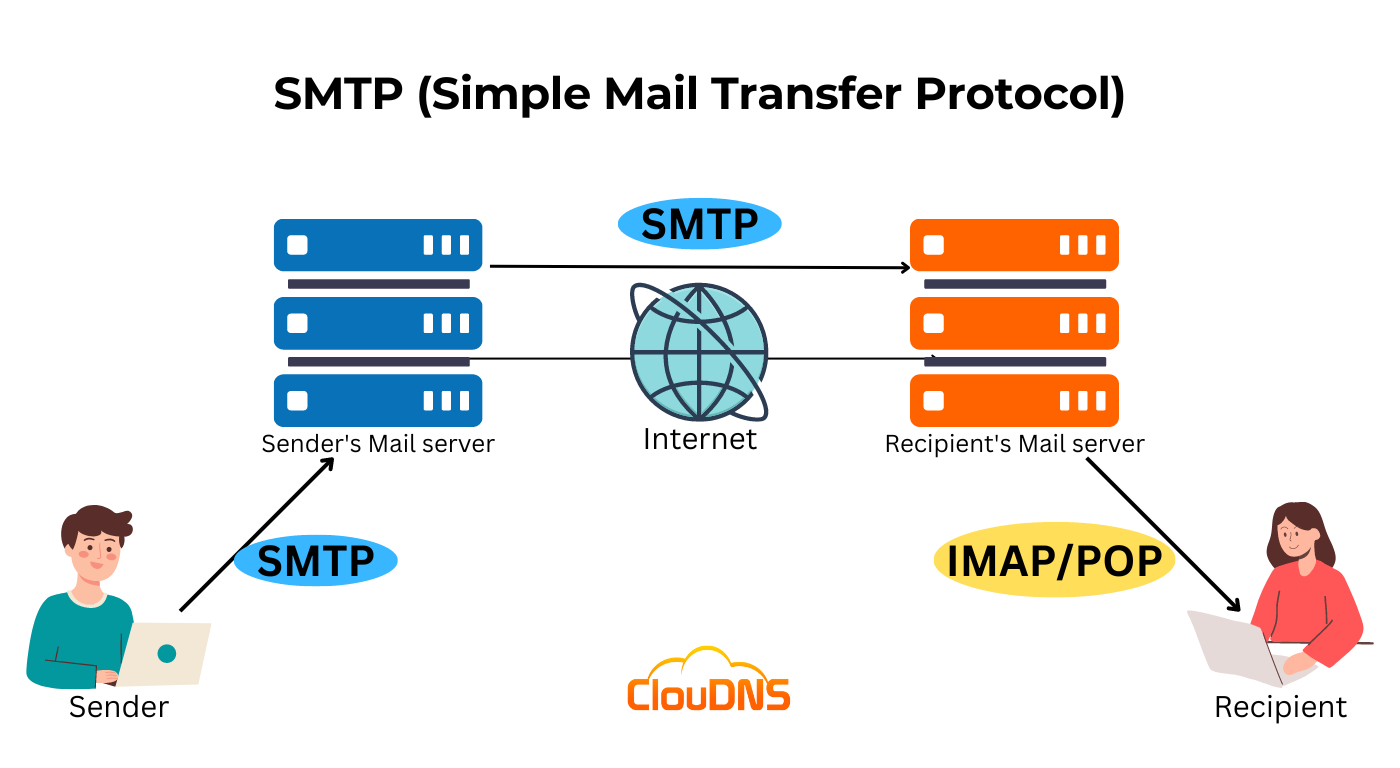
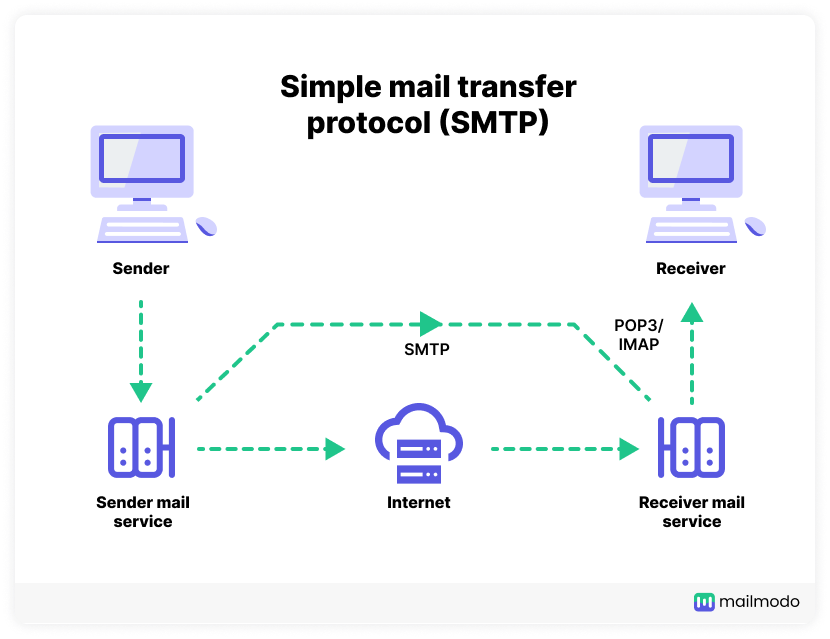
The original SMTP operates on a simple command-and-response model. When you click “send,” your mail client (like Outlook or Gmail) communicates with a mail server. These servers talk to each other to route your message to the recipient’s inbox. Without SMTPS, this conversation is essentially like sending a postcard through the physical mail—anyone handling the card can read the message.
Introducing the “S”: The Role of SSL and TLS
As the internet grew, the need for a secure “tunnel” became apparent. SMTPS was developed to wrap the SMTP communication within a Secure Sockets Layer (SSL) or, more modernly, a Transport Layer Security (TLS) connection. This encryption ensures that the data being passed between the client and the server is scrambled, making it unreadable to anyone without the correct decryption key.
SMTPS vs. STARTTLS: A Technical Distinction
In the tech community, there is often confusion between SMTPS and STARTTLS.
- SMTPS (Implicit SSL/TLS): This method establishes a secure connection before any email data is sent. If the secure connection cannot be established, the communication fails entirely.
- STARTTLS (Explicit SSL/TLS): This is a command that tells an unencrypted connection to “upgrade” to a secure one. If the upgrade fails, the system might revert to sending the email in clear text (unless configured otherwise), which poses a significant security risk.
2. Technical Mechanics: How SMTPS Functions
Behind every secure email is a series of complex handshakes and protocol negotiations. SMTPS operates at the transport layer of the OSI model, ensuring that the entire session is encrypted from the moment the connection is initiated.
The Handshake Process
When an SMTPS connection begins, the client and server undergo a “handshake.” This involves:
- Protocol Version Exchange: The two parties agree on which version of TLS they will use (e.g., TLS 1.2 or TLS 1.3).
- Cipher Suite Selection: They decide on the cryptographic algorithms that will be used to encrypt the data.
- Authentication: The server presents a digital certificate issued by a trusted Certificate Authority (CA). The client verifies this certificate to ensure the server is who it claims to be.
- Key Exchange: Once authenticated, a secure session key is generated to encrypt all subsequent data.
Navigating Port Configurations: 465 vs. 587
For system administrators, port selection is a vital part of implementing SMTPS.
- Port 465: Originally assigned for SMTPS (Implicit SSL), this port was briefly deprecated but has since been reinstated by the IANA for secure email submission. It is the preferred port for many who want to ensure a secure connection is mandatory from the start.
- Port 587: This is the standard port for email submission using STARTTLS. While widely used, it relies on the “upgrade” mechanism, which can be vulnerable to “SSL stripping” attacks if not managed correctly.
- Port 25: This remains the standard for server-to-server relaying, though it is frequently blocked by residential ISPs to prevent spam.
Data Integrity and Confidentiality
The primary technical goal of SMTPS is to provide two things: confidentiality and integrity. Confidentiality ensures that only the sender and receiver can read the message. Integrity ensures that the message has not been altered by a third party during transit. By utilizing hashing algorithms within the TLS layer, SMTPS can detect if even a single bit of the email was changed during its journey across the web.
3. Why SMTPS is Essential for Modern Digital Security
In an age of rampant data breaches and sophisticated phishing schemes, SMTPS is no longer a luxury—it is a baseline requirement. For businesses and individual developers, the consequences of using unencrypted email protocols can be devastating.
Preventing Man-in-the-Middle (MitM) Attacks
A Man-in-the-Middle attack occurs when a hacker intercepts the communication between two systems. In an unencrypted SMTP session, the attacker can see the login credentials (username and password) of the user and the content of the email. SMTPS mitigates this by encrypting the entire session. Even if an attacker intercepts the data packets, they will only see a jumbled mess of encrypted characters.
Compliance and Regulatory Standards
In the tech world, compliance is a major driver of architectural decisions. Regulations such as GDPR (General Data Protection Regulation), HIPAA (Health Insurance Portability and Accountability Act), and PCI-DSS require that sensitive personal or financial information be protected during transmission. Failure to use secure protocols like SMTPS when sending sensitive data can lead to massive fines and legal liabilities.
Building Sender Trust and Deliverability
Security isn’t just about blocking hackers; it’s also about proving your identity to other servers. Many modern receiving mail servers (like those run by Microsoft, Google, and Yahoo) look for signs of security and authenticity. If your outgoing mail server uses outdated, unencrypted protocols, your emails are more likely to be flagged as spam or rejected entirely. SMTPS, alongside other technologies like SPF, DKIM, and DMARC, forms a robust “trust stack” that improves your email deliverability.
4. Implementing SMTPS in Your Tech Infrastructure
Implementing SMTPS requires a combination of server-side configuration and client-side settings. Whether you are managing an enterprise Exchange server or setting up a simple mailer for a web application, the steps remain largely consistent.
Setting Up Your Email Server
To enable SMTPS, your server must have a valid SSL/TLS certificate. While self-signed certificates can be used for internal testing, public-facing servers should use certificates from trusted providers like Let’s Encrypt or DigiCert.
- Install the Certificate: Load the certificate and private key onto your mail server (Postfix, Exim, or Sendmail).
- Configure the Listener: Set the server to listen on Port 465 and require a TLS handshake before any SMTP commands are accepted.
- Define Cipher Suites: Disable old, insecure protocols like SSLv2, SSLv3, and TLS 1.0/1.1 to ensure that only modern, secure encryption is used.
Common Configuration Errors to Avoid
One of the most frequent mistakes in tech deployments is “partial security.” This happens when a server is configured to allow SMTPS but does not enforce it. If the server permits fallback to unencrypted communication, it remains vulnerable. Another common issue is expired certificates, which will cause mail clients to display security warnings or block the connection entirely, disrupting business operations.
The Role of SMTPS in Automated Systems and AI Tools
As we move toward a world dominated by AI and automated workflows, SMTPS plays a quiet but vital role. AI tools that send automated reports, alerts, or user notifications rely on SMTPS to ensure that the data being pushed out of the system remains secure. For developers building these tools, using a library that supports SMTPS (such as smtplib in Python or Nodemailer in JavaScript) is a fundamental best practice for secure software development.
Conclusion: A Security-First Approach to Communication
SMTPS is a foundational pillar of modern digital security. While it may seem like a behind-the-scenes technical detail, it is the barrier that protects our passwords, our personal data, and our corporate secrets from the prying eyes of the internet.
As technology continues to advance and the threats against our digital infrastructure grow more complex, the reliance on robust encryption protocols will only increase. By implementing SMTPS, enforcing modern TLS standards, and staying informed about the nuances of email ports and handshakes, tech professionals can ensure that the “S” in SMTPS truly stands for a secure and trusted future in digital communication. Whether you are an IT administrator or a software developer, making SMTPS a non-negotiable part of your tech stack is one of the most effective steps you can take toward a more secure digital world.
aViewFromTheCave is a participant in the Amazon Services LLC Associates Program, an affiliate advertising program designed to provide a means for sites to earn advertising fees by advertising and linking to Amazon.com. Amazon, the Amazon logo, AmazonSupply, and the AmazonSupply logo are trademarks of Amazon.com, Inc. or its affiliates. As an Amazon Associate we earn affiliate commissions from qualifying purchases.