
In the rapidly evolving landscape of digital communication, the term “SMS messages in Facebook” might sound like a relic from a bygone era to many users. Yet, to understand the full scope of Facebook’s communication infrastructure, it’s crucial to delve into its historical and current relationship with Short Message Service (SMS). While Facebook Messenger, WhatsApp, and Instagram DMs dominate the modern messaging paradigm, SMS played a foundational role in Facebook’s global expansion and continues to serve critical functions, particularly concerning security and accessibility. This article will explore the technological interplay between SMS and Facebook, dissecting its genesis, operational mechanisms, current status, and enduring relevance within the broader tech ecosystem.

The Genesis of SMS Integration with Facebook
Facebook’s initial foray into integrating SMS wasn’t merely a convenience; it was a strategic imperative born from the technological limitations of the early 21st century. Before the widespread adoption of smartphones and ubiquitous mobile internet, feature phones and basic internet connectivity were the norm for a significant portion of the global population. Facebook recognized the potential of SMS as a universal communication protocol to reach these users, bringing them into the nascent social network.
Bridging the Digital Divide: Early Adoption and Feature Phones
In the mid-to-late 2000s, as Facebook began its aggressive global expansion, it encountered a significant hurdle: internet access was not a given. Many potential users in developing nations, and even some in developed markets, relied on feature phones. These devices, while capable of making calls and sending SMS, lacked the sophisticated browsers or app capabilities required for a rich mobile internet experience. SMS provided a low-bandwidth, widely supported channel that could bypass these limitations. By allowing users to interact with Facebook via text messages, the platform dramatically lowered the barrier to entry, fostering rapid growth and digital inclusion. This early integration was pivotal in solidifying Facebook’s position as a truly global social network.
Core Functionalities: Updates, Notifications, and Basic Interactions
The early SMS integration allowed for a surprising array of functionalities. Users could update their status by sending a text message to a specific Facebook shortcode. They could receive notifications about new friend requests, messages, pokes, and wall posts directly to their phone as an SMS. In some regions, limited comment functionality and even simplified messaging with Facebook friends were possible through a series of text commands. This turned Facebook from an internet-only phenomenon into a more omnipresent service, accessible even when an internet connection was unavailable. This two-way communication via SMS effectively extended the social network’s reach beyond traditional web browsers, making it a truly “mobile-first” experience for many.
The Rise of Facebook Messenger and the Shifting Landscape
The advent of smartphones and the explosion of mobile internet access gradually began to shift the paradigm. With data plans becoming more affordable and widespread, dedicated messaging applications that leveraged internet connectivity offered a richer, more interactive, and often cheaper alternative to SMS. Facebook itself spearheaded this shift with the development and eventual spin-off of Facebook Messenger. Messenger, as a data-driven app, could handle rich media, group chats, voice and video calls, and a host of other features that SMS simply couldn’t. This evolution marked the beginning of the end for SMS as a primary interaction method with Facebook for most users, though its underlying infrastructure continued to serve crucial, albeit more specialized, roles.
Technical Underpinnings: How SMS Interacted with Facebook
The integration of SMS with a complex web application like Facebook was a non-trivial technical feat. It required sophisticated backend systems, partnerships with telecommunication carriers, and robust protocols to ensure reliable message delivery and interpretation. Understanding these technical elements sheds light on the engineering challenges and solutions involved.
SMS Gateways and Carrier Partnerships
At the heart of Facebook’s SMS functionality were SMS gateways. These are services that act as intermediaries, translating messages between the internet (where Facebook’s servers reside) and the cellular network (where mobile phones operate). When a user sent an SMS to Facebook, their carrier routed it to Facebook’s designated SMS gateway. Conversely, when Facebook needed to send a notification to a user’s phone, it would send a message via its gateway, which then communicated with the appropriate carrier to deliver the SMS to the user. This required complex agreements and partnerships with hundreds of mobile network operators worldwide, each with their own technical specifications and charging models. The reliability and scalability of these gateways were paramount to supporting millions of users interacting via SMS.
Two-Way Communication: Sending and Receiving Data
The SMS integration wasn’t just about sending notifications to users; it enabled genuine two-way communication. When a user sent an SMS to Facebook, the message often contained specific keywords or commands (e.g., “STATUS [your update]”, “FRIEND [friend’s name]”). Facebook’s backend systems were designed to parse these incoming texts, interpret the command, and then execute the corresponding action within the user’s account. This sophisticated parsing engine was crucial for making a text-based interface functional and intuitive. Similarly, outgoing messages were formatted to be concise and informative, often including links to the full content on the Facebook website, encouraging users to transition to a richer internet experience when possible.
Differentiating SMS from In-App Messaging Protocols
It’s vital to differentiate between actual SMS messages and messages sent within Facebook Messenger. SMS operates over the cellular network and incurs standard text message charges (or deducts from an SMS bundle). Messenger, on the other hand, uses internet data (Wi-Fi or mobile data) and its own proprietary messaging protocol. While Messenger historically did integrate SMS in some Android versions, allowing users to view and send SMS texts alongside Messenger conversations, these were distinct technologies. The in-app SMS integration was more about user convenience (centralizing all messages) rather than Facebook converting SMS into its own data-driven messages. The core Facebook-SMS integration described here refers specifically to interactions that were actual SMS messages exchanged with Facebook’s backend systems via cellular networks.
Current Status and Enduring Relevance
While the heyday of direct Facebook-via-SMS interaction has largely passed, SMS retains a significant, albeit specialized, role within Facebook’s operational framework. Its utility has shifted from a primary interaction channel to a critical support mechanism.
Diminishing Direct Messaging Role
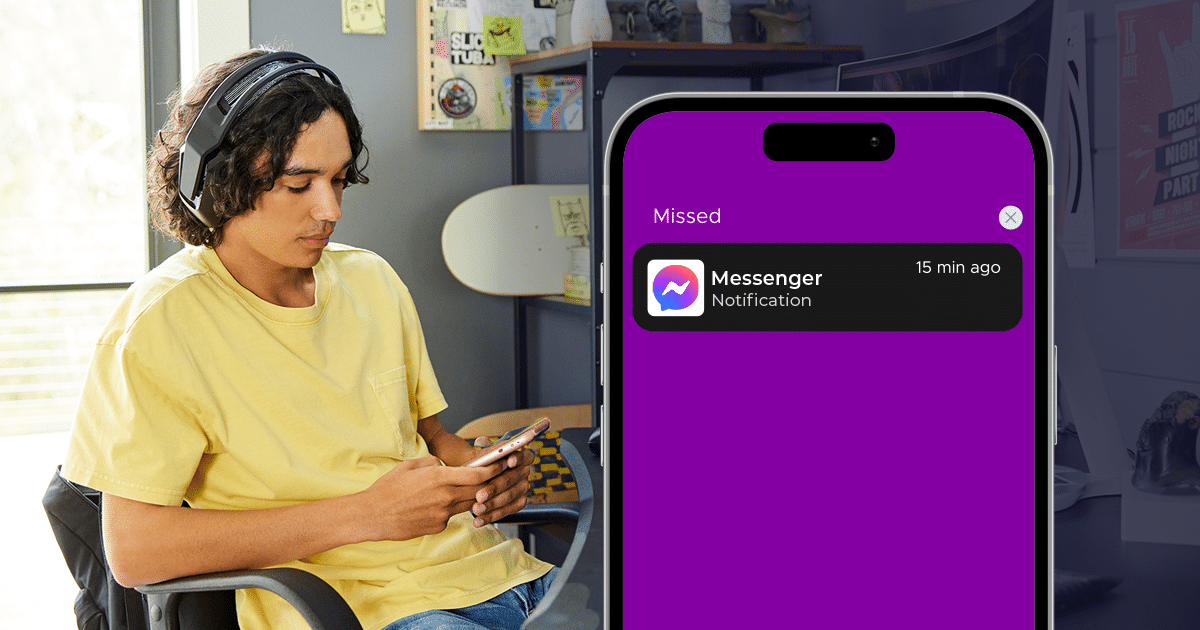
For the vast majority of Facebook users today, the idea of sending a status update via SMS is entirely foreign. The advent of high-speed mobile internet, sophisticated smartphones, and the proliferation of data-driven messaging apps (including Facebook Messenger and WhatsApp, both owned by Meta) has rendered direct SMS interaction with the core social network largely obsolete. The richer media, group chat capabilities, and lower cost of data-based messaging have made SMS an inferior option for casual social communication. Consequently, Facebook has largely deprecated or de-emphasized these direct social interaction features via SMS.
The Criticality of SMS for Security and Account Recovery (2FA)
Despite its diminished role in social interaction, SMS remains absolutely critical for security. Two-Factor Authentication (2FA) is a prime example. When you log into Facebook from an unrecognized device, the platform often sends a verification code via SMS to your registered phone number. This code serves as a second layer of security, proving your identity even if your password has been compromised. Similarly, SMS is an essential tool for account recovery. If you forget your password or your account is locked, Facebook can send a password reset link or a recovery code to your mobile number, providing a secure and widely accessible way to regain control of your account. In these scenarios, the universality and reliability of SMS are invaluable.
Opt-in Notifications and Accessibility Features
Beyond security, SMS still serves as an opt-in notification channel for certain critical alerts or for users in areas with limited data connectivity. For instance, users might choose to receive SMS notifications for significant account activity, marketplace transactions, or even specific group updates if they prefer the reliability of text messages over push notifications or email. Furthermore, for users on basic phones or in regions where data connectivity is sporadic or expensive, Facebook (and Meta more broadly) may still offer stripped-down, text-based versions of their services or provide critical updates via SMS to maintain accessibility and engagement with these populations.
Advantages, Limitations, and User Experience
The integration of SMS with Facebook presented a unique set of advantages and limitations, shaping the user experience in distinct ways. Understanding these aspects provides a fuller picture of its impact.
Accessibility and Reliability in Low-Connectivity Zones
The paramount advantage of SMS integration was its unparalleled accessibility. SMS requires only a basic cellular signal and does not depend on an internet connection, making it inherently reliable in areas with patchy or non-existent data coverage. This was transformative for users in rural areas, developing countries, or during emergencies when internet infrastructure might be compromised. For millions, SMS was their only gateway to the global social network, providing a vital connection to friends, family, and information they might otherwise have been excluded from. This reliability for critical communications, such as security codes, remains a key benefit today.
Cost Implications and Data Consumption vs. SMS Charges
The cost structure was a significant factor. While data-based messaging often felt “free” (as part of a data plan), SMS messages typically incurred per-message charges or were part of a limited bundle. For users in many parts of the world, sending and receiving SMS messages could become expensive, especially with frequent interaction. This contrasted sharply with the rising trend of unlimited data plans or Wi-Fi access, where messaging apps offered a more economical solution. Facebook, in its early days, sometimes offered “free Facebook” via SMS in partnerships with carriers, but these were exceptions. The cost dynamic ultimately pushed users towards data-driven alternatives as they became available.
Privacy Concerns and the Evolution of Messaging Security
Privacy and security considerations have always been central to messaging. Early SMS integrations, while functional, operated on a less secure protocol compared to modern end-to-end encrypted messaging apps. SMS messages are generally not encrypted from end-to-end and can be intercepted by malicious actors or even accessed by carriers under certain circumstances. As privacy became a more prominent concern, and as Facebook faced scrutiny over data handling, the move towards secure, data-driven messaging apps with robust encryption became a necessary evolution. While SMS is still deemed secure enough for one-time passcodes (as the window for interception is very narrow), it’s not suitable for private, ongoing conversations in the same way as encrypted chat apps.
The Future Trajectory of SMS in the Social Sphere
The role of SMS in the broader social sphere, particularly in relation to giants like Meta (Facebook’s parent company), continues to evolve. While its dominance as a primary communication channel has waned, its fundamental utility ensures its ongoing presence.
The Dominance of Data-Based Messaging and Push Notifications
The future of social communication unequivocally lies with data-based messaging and push notifications. Apps like Messenger, WhatsApp, Instagram, and countless others leverage internet connectivity to deliver rich, real-time, multimedia experiences. They support group chats, voice and video calls, emojis, stickers, file sharing, and sophisticated integrations that SMS simply cannot. Push notifications, delivered directly to a smartphone via data, offer instant alerts without incurring per-message charges, making them the preferred method for casual, social updates. This shift reflects a global progression towards ubiquitous internet access and more powerful mobile devices.
Persistent Role in Essential Security and Verification
Despite the rise of data-driven alternatives, SMS will retain its persistent and critical role in essential security and verification. Its universality, simplicity, and independence from an internet connection make it an ideal fallback for two-factor authentication, account recovery, and urgent alerts. As cyber threats become more sophisticated, reliable out-of-band verification methods are indispensable. SMS provides this reliable channel, acting as a robust safety net for billions of user accounts across various online services, not just Facebook. For critical operations, SMS’s inherent limitations (like lack of encryption for general messaging) become advantages (like guaranteed delivery without requiring a complex data stack).

Innovation in Communication: RCS and Beyond
While traditional SMS fades, the underlying cellular network technology isn’t static. Rich Communication Services (RCS) represents the next generation of messaging for mobile carriers, aiming to bring smartphone-like features (read receipts, typing indicators, high-quality media) to the default messaging app. While not directly Facebook’s technology, the broader evolution of cellular messaging could influence how platforms interact with users who still rely heavily on their default messaging applications. However, for a platform like Meta, their strategic focus remains on their owned and operated data-driven platforms, which offer greater control over features, privacy, and monetization. Nevertheless, the legacy of SMS integration with platforms like Facebook serves as a powerful reminder of how technology adapts to meet global needs, bridging gaps and fostering connection across diverse digital landscapes.
aViewFromTheCave is a participant in the Amazon Services LLC Associates Program, an affiliate advertising program designed to provide a means for sites to earn advertising fees by advertising and linking to Amazon.com. Amazon, the Amazon logo, AmazonSupply, and the AmazonSupply logo are trademarks of Amazon.com, Inc. or its affiliates. As an Amazon Associate we earn affiliate commissions from qualifying purchases.