
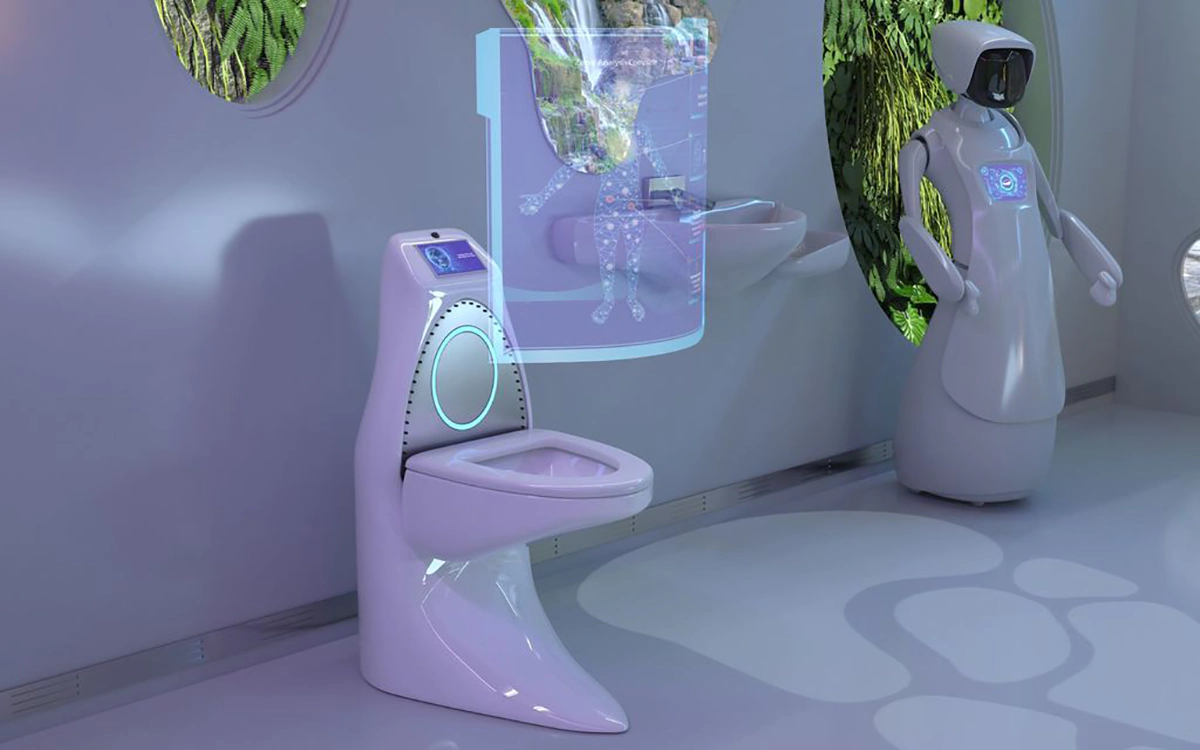
For decades, the bathroom remained the one room in the house largely untouched by the digital revolution. While kitchens gained smart refrigerators and living rooms were transformed by AI-integrated hubs, the toilet remained a strictly mechanical fixture. However, the emergence of the “Smart Toilet” has fundamentally shifted this paradigm. No longer just a functional necessity, the modern toilet has evolved into a sophisticated piece of hardware, integrating Internet of Things (IoT) connectivity, advanced sensors, and health-monitoring technology.
At its core, a smart toilet is a high-tech plumbing fixture that utilizes electronic components to automate traditional functions and provide enhanced hygiene, comfort, and data-driven insights. This article explores the technological architecture of these devices, their role in the burgeoning field of “Health Tech,” and the engineering hurdles they must overcome to become a standard in the modern home.
The Anatomy of Innovation: What Makes a Toilet “Smart”?
To understand what a smart toilet is, one must look beneath the porcelain. Unlike traditional gravity-fed models, smart toilets are complex electronic systems requiring integrated circuitry, firmware, and often a constant connection to a local network.
Integrated Sensor Technology
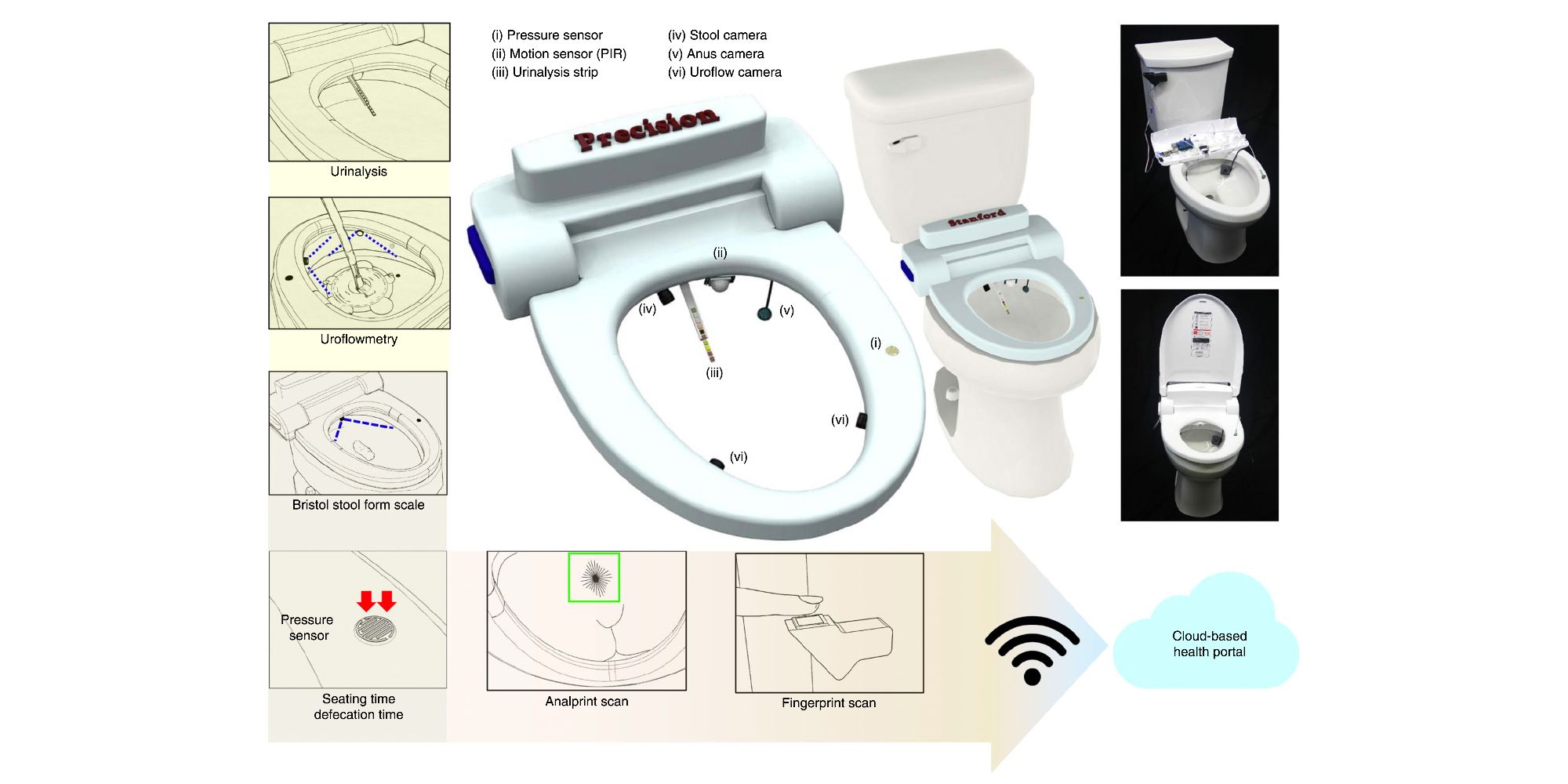
The hallmark of any smart device is its ability to perceive its environment. Smart toilets utilize a variety of sensors—including infrared, capacitive, and pressure sensors—to automate the user experience. Proximity sensors detect an approaching user to automatically lift the lid and activate internal LED lighting for nighttime use. Once the user departs, these sensors trigger an automated flush and close the lid, reducing the spread of airborne pathogens (often referred to as the “toilet plume”).
Advanced Water Management and Cleansing Systems
The integration of electronic bidet functionality is perhaps the most visible tech feature. These systems use precision-engineered nozzles that offer adjustable water temperature, pressure, and oscillation patterns. High-end models utilize instantaneous water heating technology rather than bulky tanks, ensuring a continuous flow of warm water while maintaining a slim profile. Furthermore, these systems often include air-drying modules with adjustable thermal settings, utilizing high-velocity air streams to eliminate the need for paper products.
Automated Comfort and Hygiene Features
Beyond cleansing, the technology focuses on user comfort through heated seating with programmable schedules and integrated deodorization systems. The latter often utilizes catalytic deodorizers—fans that pull air through carbon filters to neutralize odors at the source. From a hygiene perspective, many smart toilets now feature UV-C light sterilization and electrolyzed water systems that mist the bowl before and after use to prevent waste from sticking and to kill 99.9% of bacteria without the use of harsh chemicals.
The Intersection of Health and IoT: How Smart Toilets Monitor Wellness
In the tech industry, the bathroom is increasingly viewed as a “diagnostic hub.” Because the toilet is a point of daily interaction with biological waste, it represents a unique opportunity for non-invasive health monitoring.
Biometric Data Collection and Analysis
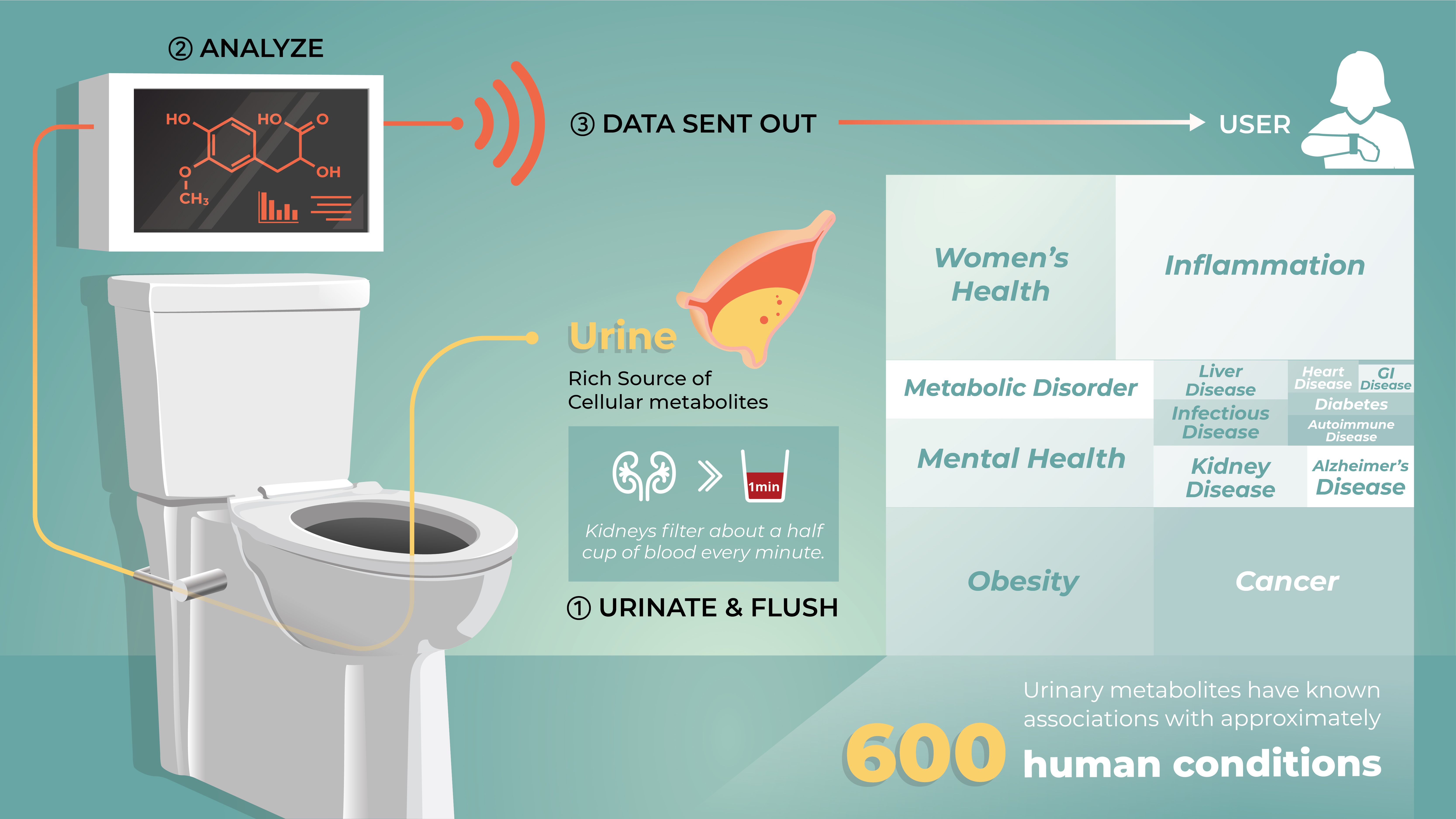
Next-generation smart toilets are being developed with the capacity to perform “in-situ” urinalysis and stool analysis. Using optical sensors and biochemical reagents integrated into the bowl, these devices can track glucose levels, hydration status, and even signs of urinary tract infections. By utilizing edge computing, the toilet processes this data locally before encrypted results are sent to a smartphone app, allowing users to track their physiological trends over months or years.
Early Detection of Medical Conditions
The potential for smart toilets in the realm of preventative medicine is immense. Researchers at institutions like Stanford University have prototyped toilets equipped with cameras and AI-driven image recognition software capable of identifying markers of inflammatory bowel disease (IBD) or early signs of urological cancers. By establishing a “baseline” for a specific user, the software can flag anomalies that might otherwise go unnoticed until a condition becomes symptomatic, effectively acting as a daily screening tool.
Syncing with the Broader Smart Home Ecosystem
True “smartness” comes from connectivity. Modern smart toilets often utilize Bluetooth or Wi-Fi to integrate with platforms like Apple HomeKit, Amazon Alexa, or Google Home. This allows users to pre-set their preferences via voice commands or mobile apps. For example, a user can set their preferred water temperature and seat warmth from their bed, or receive notifications on their phone when the device’s internal filters or UV lamps require maintenance.
Sustainability and Efficiency: The Engineering Behind Eco-Friendly Sanitation
While the “gadget” factor of smart toilets is high, much of the engineering focus is dedicated to resource management. In an era of increasing water scarcity, the tech inside a smart toilet serves a critical environmental purpose.
Precision Flushing and Water Conservation
Traditional toilets often use more water than necessary to clear the bowl. Smart toilets employ “dual-flush” or “cyclonic” flushing technologies controlled by electronic valves. These systems calculate the exact volume of water needed based on sensor data. Some models utilize a pump-assisted flush, which provides high-pressure cleaning using significantly less water than a standard gravity flush, often exceeding LEED (Leadership in Energy and Environmental Design) standards.
Self-Cleaning Mechanisms and Chemical Reduction
Maintenance is a significant pain point for consumers. Smart toilets address this through advanced material science and automated cleaning cycles. Many use hydrophilic glazes—ultra-smooth surfaces that repel waste—combined with pre-misting functions. By using electrolyzed water (which has disinfectant properties) to clean the bowl and nozzles, these devices reduce the consumer’s reliance on corrosive chemical cleaners, which are detrimental to local water ecosystems and septic systems.
Energy Efficiency in Seat Warming and Lighting
A common critique of smart toilets is their power consumption. To mitigate this, engineers have implemented “Eco-Modes.” Using machine learning, the toilet learns the household’s routine and powers down heating elements during periods of inactivity (such as when everyone is at work or asleep). Furthermore, the transition to low-draw LED components for nightlights ensures that the device remains functional without significantly impacting the home’s energy footprint.
Challenges and the Roadmap for Consumer Adoption
Despite the clear technological advantages, the transition from traditional to smart toilets faces several hurdles, ranging from digital security to technical infrastructure.
Digital Security and Data Privacy in the Bathroom
As with any IoT device, privacy is a paramount concern—especially for a device located in the most private room of the house. If a toilet is collecting biometric data or using cameras for health analysis, that data must be protected by end-to-end encryption. The tech industry must establish rigorous protocols to ensure that sensitive health information is never accessible to unauthorized third parties or subject to data breaches. The “privacy-by-design” philosophy is essential here, ensuring that data is processed locally whenever possible.
The Cost of Entry vs. Long-Term Value
Currently, the “smart” segment of the market sits at a premium price point. A high-end smart toilet can cost several thousand dollars, compared to a few hundred for a standard model. However, the tech industry argues that the value proposition lies in longevity and wellness. By reducing water usage, eliminating the need for toilet paper, and potentially catching health issues early, the “Total Cost of Ownership” may be lower over the device’s lifespan. As manufacturing scales and components like sensors and microchips become cheaper, we can expect a “trickle-down” effect where smart features become standard in mid-range models.
Future Trends: AI Integration and Predictive Maintenance
Looking forward, the integration of Artificial Intelligence will allow toilets to become even more proactive. Predictive maintenance algorithms will be able to detect a slow leak or a failing valve before it causes water damage, automatically alerting the homeowner or even scheduling a technician via an app. Additionally, as AI models for health analysis become more refined, the smart toilet could become a primary interface for telemedicine, providing doctors with real-time data that can inform treatment plans without the patient ever leaving their home.
In conclusion, the smart toilet is far more than a luxury gadget; it is a sophisticated intersection of hardware engineering, biotechnology, and IoT connectivity. By reimagining the most basic of household fixtures, the tech industry is not only improving personal hygiene and comfort but also paving the way for a future where our homes actively participate in our long-term health and environmental sustainability.
aViewFromTheCave is a participant in the Amazon Services LLC Associates Program, an affiliate advertising program designed to provide a means for sites to earn advertising fees by advertising and linking to Amazon.com. Amazon, the Amazon logo, AmazonSupply, and the AmazonSupply logo are trademarks of Amazon.com, Inc. or its affiliates. As an Amazon Associate we earn affiliate commissions from qualifying purchases.