
The Crafting of an Image: Understanding “Small Batch” as a Brand Differentiator
The term “small batch” bourbon has evolved from a practical description of production methods into a powerful marketing tool and a significant brand differentiator within the spirits industry. Far from being a regulated term with a strict legal definition, “small batch” operates primarily in the realm of perception, crafted by distilleries to evoke specific qualities in the minds of consumers. It’s a strategic choice, designed to convey attributes such as meticulous craftsmanship, exclusivity, superior quality, and a hands-on approach that stands apart from mass production. For brands, embracing the “small batch” moniker is about more than just the literal size of a distillation run; it’s about signaling a particular brand ethos and establishing a unique position in a crowded market. It allows a distillery to tell a compelling story, inviting consumers to associate their product with tradition, artistry, and a dedication to excellence that transcends mere volume.
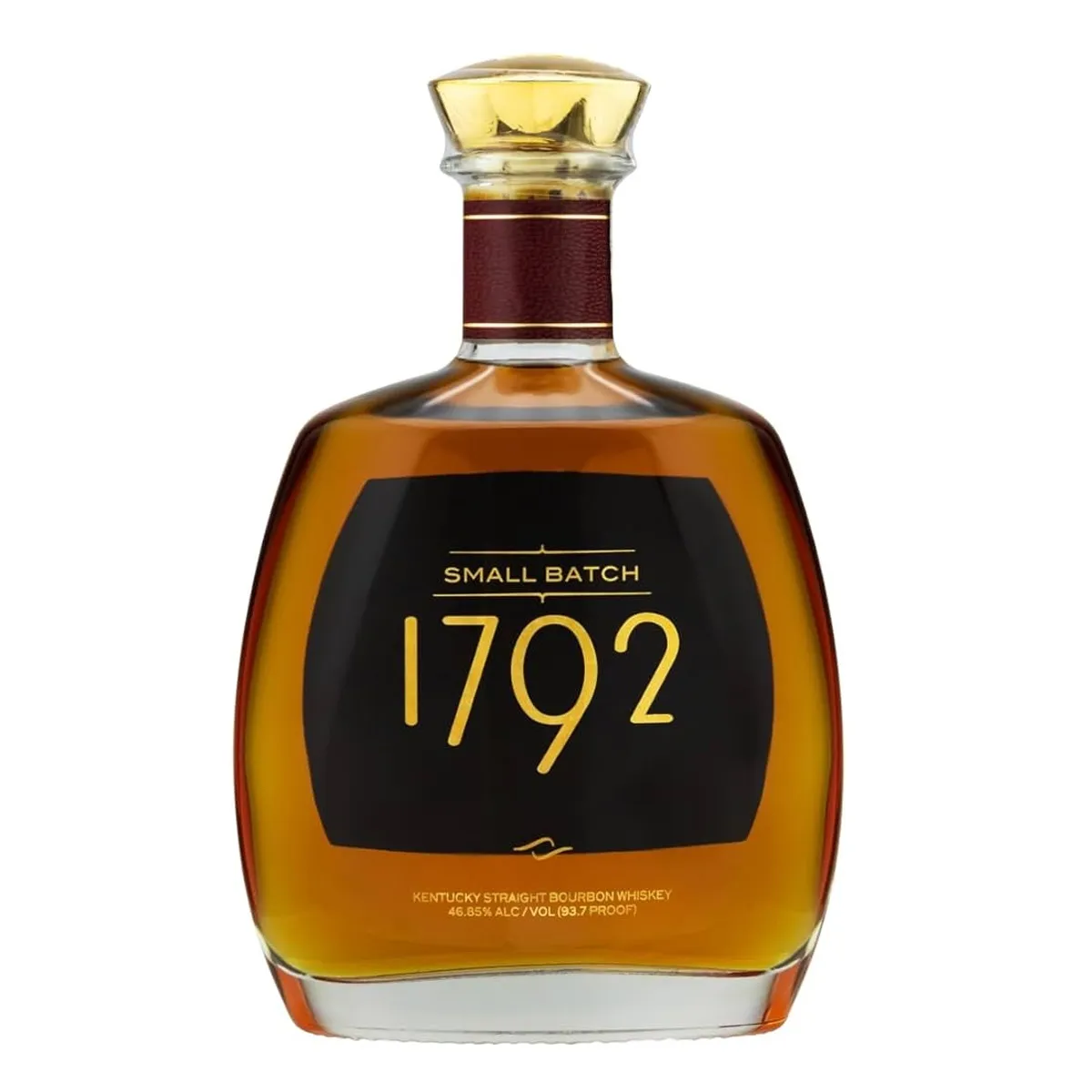
Beyond Definition: The Essence of Exclusivity
While there’s no official legal standard for what constitutes a “small batch” in the bourbon industry, the essence it communicates is clear: exclusivity. This perceived scarcity is a critical component of its branding power. By hinting at limited production, distilleries leverage psychological principles that equate rarity with value. Consumers are often drawn to products they believe are not widely available, suggesting a specialness that enhances the drinking experience. This exclusivity is not always about absolute scarcity but rather about creating an impression of it. A brand might produce a significant volume overall but brand certain expressions as “small batch,” differentiating them from their core offerings. This strategy allows the brand to cater to different segments of its audience, from everyday drinkers to those seeking a more premium, distinguished experience. The perception of limited availability fosters a sense of urgency and desire, encouraging purchase and often commanding a higher price point, thereby elevating the brand’s position in the market.
Signaling Quality and Authenticity
Perhaps the most potent aspect of “small batch” branding is its ability to signal quality and authenticity. In an era where consumers are increasingly seeking genuine, transparent products, the “small batch” label acts as a shorthand for these values. It suggests that the bourbon has been produced with greater care, attention to detail, and a less industrialized process than its large-scale counterparts. This often implies that the master distiller has had a more direct hand in selecting barrels, overseeing maturation, and blending to achieve a specific, consistent flavor profile. Brands strategically use this narrative to differentiate themselves, suggesting that their “small batch” products are a truer expression of their craft and heritage. This authenticity resonates deeply with consumers who appreciate the story behind their drink, valuing the human element and traditional methods over efficient, high-volume manufacturing. By emphasizing these aspects, distilleries build trust and credibility, transforming their bourbon into more than just a beverage but an experience steeped in tradition and quality.
Strategic Positioning: How Distilleries Utilize the “Small Batch” Label
The deployment of the “small batch” label is a deliberate strategic move by distilleries to carve out a specific market position and appeal to a discerning consumer base. It’s a cornerstone of brand architecture for many craft and even larger heritage distilleries looking to diversify their portfolio. By affixing this label, brands are not just describing a product; they are articulating a promise of quality, a commitment to a particular production philosophy, and an invitation to a more elevated experience. This strategic positioning allows brands to navigate the competitive landscape by creating perceived value that goes beyond mere ingredient lists or age statements. It enables them to cultivate a distinct brand identity that often aligns with artisan appeal, heritage, and premiumization.
Craft Narrative and Consumer Connection
A fundamental benefit of the “small batch” designation is its power to fuel a compelling craft narrative. In an age where consumers crave connection and transparency, brands leveraging “small batch” can weave stories about their origins, their unique production methods, and the passion of their distillers. This narrative often highlights human involvement—the careful selection of grains, the unique yeast strains, the specific charring of barrels, or the precise blending process. It emphasizes the “art” over the “science” of distillation, fostering an emotional bond with the consumer. This storytelling is critical for personal branding and corporate identity, as it humanizes the distillery and makes the product more relatable and desirable. By sharing the journey from grain to glass, brands establish a deeper, more meaningful connection with their audience, transforming a transactional purchase into a shared experience of appreciation for craftsmanship. This narrative differentiation is a powerful tool for building a loyal customer base that identifies with the brand’s values.
Premiumization and Pricing Strategy
The “small batch” designation is intrinsically linked to premiumization and justifies a higher price point. When a product is positioned as “small batch,” it implies increased care, selective ingredients, and potentially longer maturation, all of which contribute to higher production costs. Consumers are generally willing to pay a premium for products they perceive as superior, exclusive, or crafted with extraordinary attention. Brands strategically capitalize on this by pricing “small batch” bourbons at a higher tier than their standard offerings. This not only boosts revenue but also enhances the brand’s prestige and market standing. The pricing strategy reinforces the perception of exclusivity and quality, making the product more aspirational. It signals that this isn’t an everyday drink but something to be savored, perhaps reserved for special occasions or connoisseurship. This deliberate positioning within the pricing hierarchy effectively elevates the entire brand portfolio, suggesting that if their “small batch” is this good, their other products must also uphold high standards.
Market Segmentation and Target Audience Appeal
Utilizing the “small batch” label is also an effective strategy for market segmentation. Distilleries can target specific demographics—often more affluent consumers, enthusiasts, or those who prioritize craft and authenticity—who are willing to invest in premium spirits. These consumers are not just buying a drink; they are buying into a lifestyle, a set of values, and a statement about their own discerning tastes. By offering “small batch” expressions, brands can cater directly to this segment, creating products tailored to their preferences for unique flavor profiles, intriguing backstories, and a sense of discovery. This focused approach allows for more efficient marketing and communication, as messages can be specifically tailored to resonate with this particular audience. It reinforces the idea that the brand understands and serves the nuanced desires of its most engaged consumers, strengthening their loyalty and making them brand advocates.
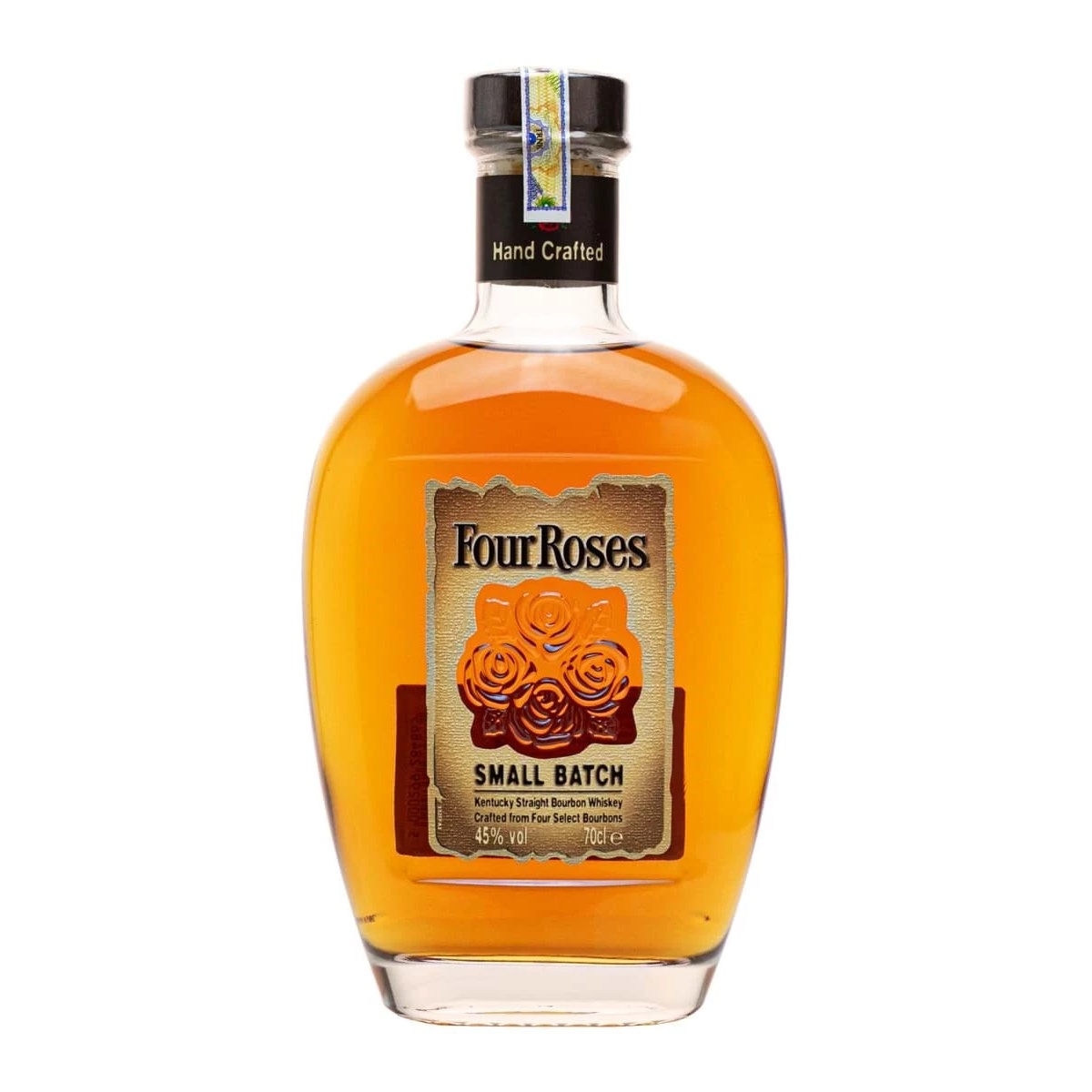
Building Brand Loyalty Through Perceived Value
Brand loyalty is the ultimate goal for any business, and in the highly competitive spirits market, “small batch” bourbon plays a crucial role in cultivating it. The perceived value inherent in the “small batch” moniker—quality, authenticity, exclusivity—translates directly into stronger brand affinity and repeat purchases. Consumers who feel they are receiving something special, something crafted with care and passion, are far more likely to remain loyal to that brand. This loyalty isn’t just about the taste; it’s about the entire experience, the story, and the emotional connection forged between the consumer and the brand’s identity.
The Role of Limited Availability
The perceived limited availability inherent in “small batch” branding is a powerful driver of brand loyalty. When consumers feel they have access to a product that is not widely available, it creates a sense of belonging and privilege. This exclusivity can turn casual buyers into dedicated followers who actively seek out and anticipate new “small batch” releases. Brands can leverage this by strategically managing allocations and releases, creating buzz and demand that solidify their premium status. The anticipation surrounding a limited release fosters excitement and deeper engagement, as consumers follow brand announcements, participate in online discussions, and share their experiences. This engagement transforms a simple purchase into an event, strengthening the emotional bond with the brand and encouraging repeated interaction and advocacy.
Storytelling and Heritage
Effective brand storytelling is the bedrock of “small batch” marketing. Brands skillfully weave narratives around their heritage, the family history of the distillery, the unique characteristics of their ingredients, or the individual passion of the master distiller. These stories imbue the bourbon with a sense of place, tradition, and personality, making it more than just an alcoholic beverage—it becomes a piece of history, a work of art. For example, a brand might highlight a specific “honey barrel” selection process for their small batch, or a unique aging environment. This narrative richness creates a powerful emotional resonance with consumers who appreciate authenticity and a sense of connection to the product’s origins. By sharing their story, brands differentiate themselves from larger, more anonymous producers and build a community around shared values and appreciation for genuine craftsmanship. This deep emotional connection is a cornerstone of enduring brand loyalty.
Fostering a Community of Connoisseurs
“Small batch” bourbon often appeals to a community of connoisseurs and enthusiasts who are deeply invested in exploring and appreciating fine spirits. Brands can intentionally foster this community through tasting events, online forums, distillery tours, and exclusive access programs for loyal customers. By engaging with these passionate individuals, brands not only gain valuable feedback but also transform consumers into brand ambassadors. Members of this community often share their discoveries, recommendations, and tasting notes, organically spreading the brand’s message. This peer-to-peer validation is incredibly powerful, as it comes across as authentic and trustworthy. By nurturing this sense of belonging and shared expertise, distilleries create a loyal following that extends beyond individual purchases, building a vibrant brand ecosystem.
Challenges and Opportunities in “Small Batch” Branding
While “small batch” offers significant branding advantages, it also presents distinct challenges that distilleries must navigate carefully. Maintaining the integrity of the “small batch” promise while pursuing growth and navigating market expectations requires strategic foresight and a commitment to brand values. However, these challenges also open doors for innovative brand strategies and deeper consumer engagement.
Maintaining Credibility and Transparency
The lack of a legal definition for “small batch” means that brands operate on an honor system, making credibility and transparency paramount. Consumers are increasingly savvy and can quickly detect incongruities between a brand’s “small batch” claims and its actual production scale or practices. A brand that labels a vast, mass-produced product as “small batch” risks alienating its discerning customers and damaging its reputation. Therefore, distilleries must strive for transparency in their branding, clearly communicating what “small batch” means to them—whether it’s about barrel selection, blending philosophy, or overall production volume. Openness about their processes, even if not legally mandated, builds trust and reinforces the authentic image they aim to project. Brands that genuinely commit to the spirit of “small batch” by maintaining a true dedication to craft will ultimately win the long-term loyalty of their target audience.
Scaling Without Diluting the Brand
One of the most significant challenges for a successful “small batch” brand is scaling operations without diluting the very essence that made it appealing in the first place. As demand grows, a distillery faces the dilemma of increasing production volume while preserving the perception of exclusivity and craftsmanship. If a “small batch” becomes too ubiquitous, it risks losing its premium appeal and perceived rarity. Strategic growth requires careful planning, potentially involving different tiers of “small batch” offerings, or expanding capacity in a way that still allows for hands-on production and quality control. Brands might choose to expand their “standard” lines while keeping specific “small batch” expressions genuinely limited. This delicate balancing act ensures that the brand can capitalize on its success without compromising the core identity that resonates with its loyal customer base, thereby protecting its valuable brand equity.
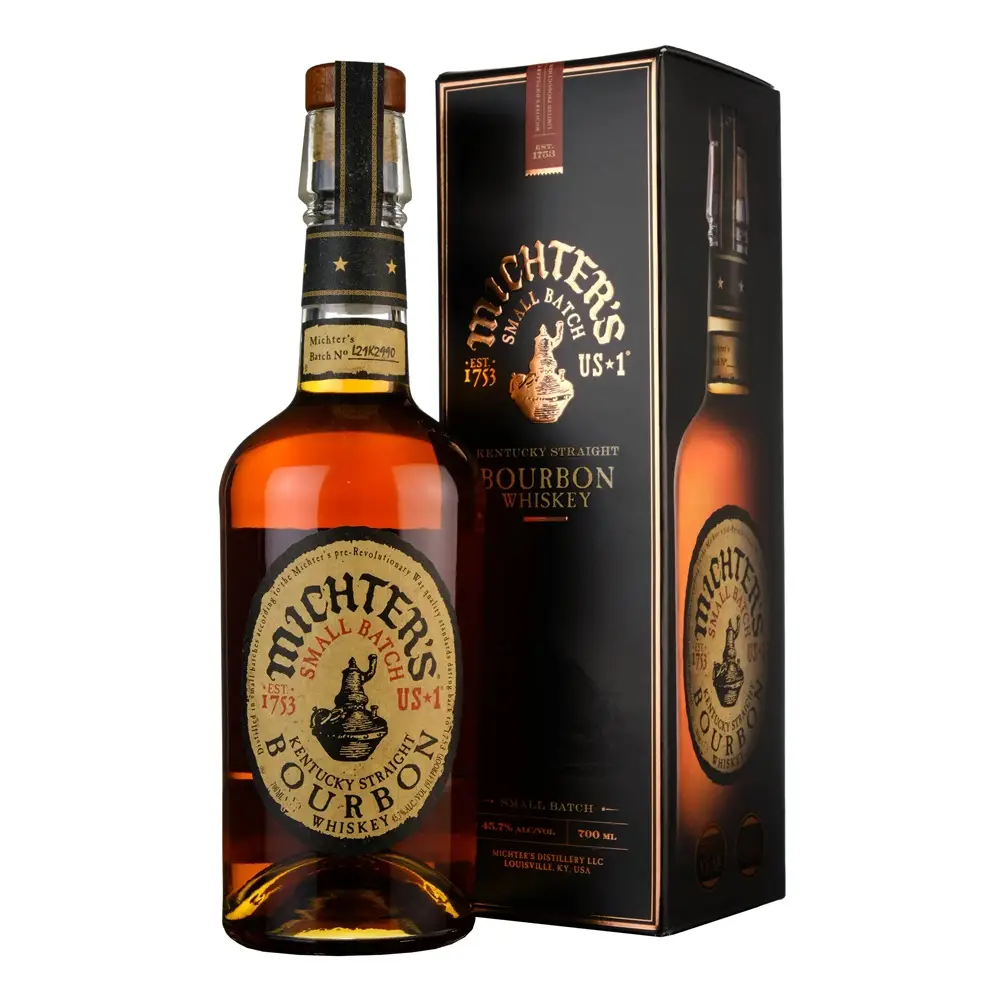
Educating the Consumer
Finally, there’s an ongoing opportunity for brands to educate consumers about what “small batch” genuinely represents within their specific context. Since the term is subjective, distilleries have the chance to define it on their own terms, inviting consumers into their world and demystifying the production process. Through marketing campaigns, distillery tours, online content, and direct interactions, brands can explain their commitment to quality, the artisanal methods they employ, and the specific criteria that qualify their bourbon as “small batch.” This education builds a more informed and engaged consumer base, turning curious drinkers into knowledgeable enthusiasts who understand and appreciate the specific nuances that make a brand’s “small batch” offerings unique. By proactively shaping the narrative around “small batch,” brands reinforce their authority, deepen consumer engagement, and solidify their distinctive place in the bourbon market.
aViewFromTheCave is a participant in the Amazon Services LLC Associates Program, an affiliate advertising program designed to provide a means for sites to earn advertising fees by advertising and linking to Amazon.com. Amazon, the Amazon logo, AmazonSupply, and the AmazonSupply logo are trademarks of Amazon.com, Inc. or its affiliates. As an Amazon Associate we earn affiliate commissions from qualifying purchases.