
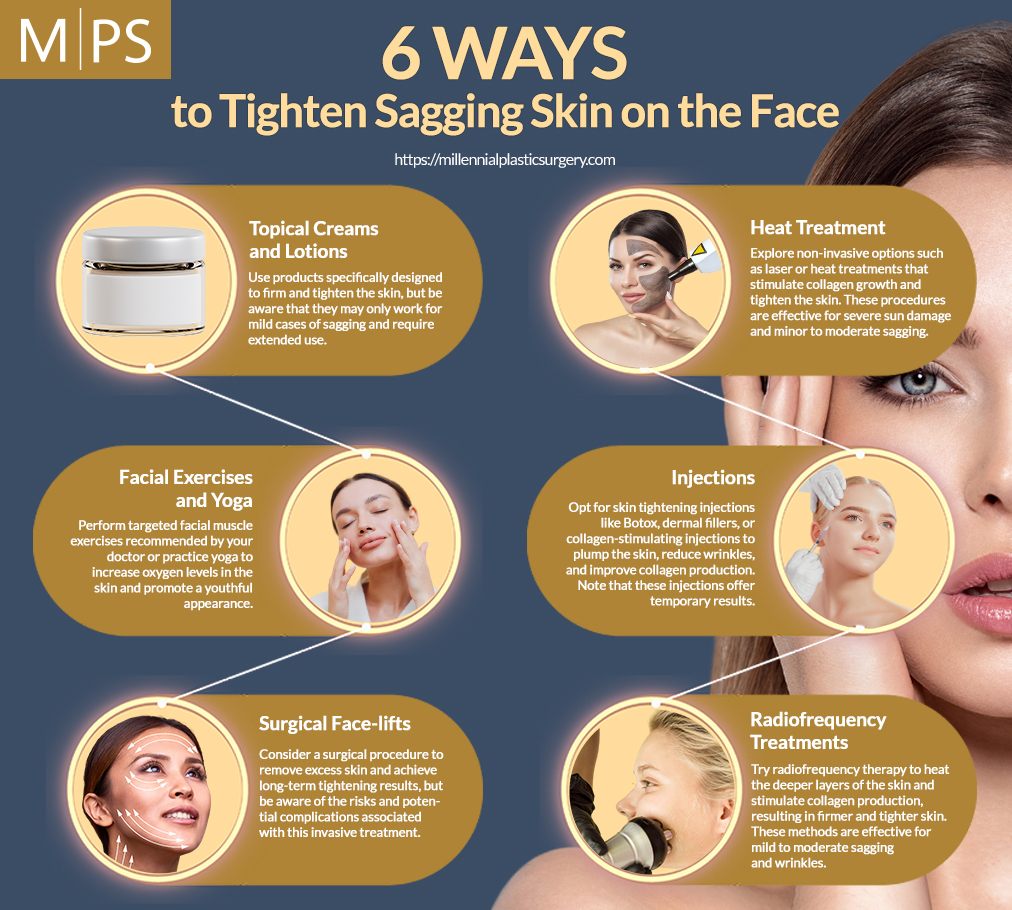
The evolution of the “facial” has moved far beyond the traditional application of topical creams and manual massage. In the modern era, the skin tightening facial represents a sophisticated intersection of bio-engineering, physics, and digital software. To understand what a skin tightening facial is today, one must look at it through the lens of medical technology. These procedures are no longer just cosmetic rituals; they are non-invasive engineering solutions designed to trigger biological responses via controlled energy delivery.
At its core, a skin tightening facial is an energy-based treatment that targets the structural layers of the skin—the dermis and the sub-dermal tissues—to stimulate collagen production and elastin remodeling. Unlike surgical facelifts, which rely on mechanical tension and excision, tech-driven tightening facials utilize modalities such as Radiofrequency (RF), High-Intensity Focused Ultrasound (HIFU), and Laser technology to achieve cellular-level rejuvenation.
The Physics of Firmness: Core Energy Modalities
The efficacy of modern skin tightening facials is rooted in the “thermal injury” principle. By precisely heating specific layers of the skin without damaging the surface (the epidermis), technology triggers the body’s natural wound-healing response. This process involves the contraction of existing collagen fibers and the synthesis of new ones, a process known as neocollagenesis.
Radiofrequency (RF) Technology
Radiofrequency is perhaps the most ubiquitous technology in the skin-tightening sector. It operates by sending an electrical current through the skin. Because the skin’s layers act as resistors in an electrical circuit, the flow of the RF current generates heat.
The engineering behind RF has evolved from Monopolar systems (where energy flows from a single electrode to a grounding pad) to Multipolar and Bipolar systems. These newer iterations allow for more controlled, volumetric heating. In a high-tech skin tightening facial, RF devices use sophisticated sensors to monitor skin impedance in real-time, adjusting the energy output to ensure the tissue reaches the optimal temperature for collagen denaturation (typically between 40°C and 42°C) without causing burns.
High-Intensity Focused Ultrasound (HIFU)
HIFU represents a more targeted approach, often referred to as “Ultherapy” in clinical settings. While RF heats a broad area, HIFU uses acoustic energy to create micro-thermal zones at specific depths. This technology is unique because it can reach the Superficial Musculoaponeurotic System (SMAS)—the same layer of tissue that surgeons manipulate during a traditional facelift.
From a technical standpoint, HIFU transducers focus ultrasound waves into a point, much like a magnifying glass focuses sunlight. At the focal point, the temperature rises rapidly, causing a minute point of coagulation. By creating thousands of these points in a grid-like pattern, the technology forces the deeper structural layers of the face to contract and lift.
Near-Infrared and Laser Systems
Laser-based skin tightening utilizes light energy rather than electrical or acoustic energy. These systems use specific wavelengths of light that are absorbed by water in the dermis. This absorption creates heat, which in turn stimulates the fibroblast cells responsible for collagen production. Advanced “Fractional” technology allows these lasers to create microscopic columns of heat, leaving the surrounding tissue intact to accelerate the healing process and minimize downtime.
The Software Revolution: AI and Precision Imaging in Aesthetics
What distinguishes a premium skin tightening facial from a generic treatment is the software backbone of the device. Modern aesthetic hardware is increasingly integrated with Artificial Intelligence (AI) and high-resolution digital imaging to provide personalized treatments.
Digital Skin Mapping and Diagnostic Tools
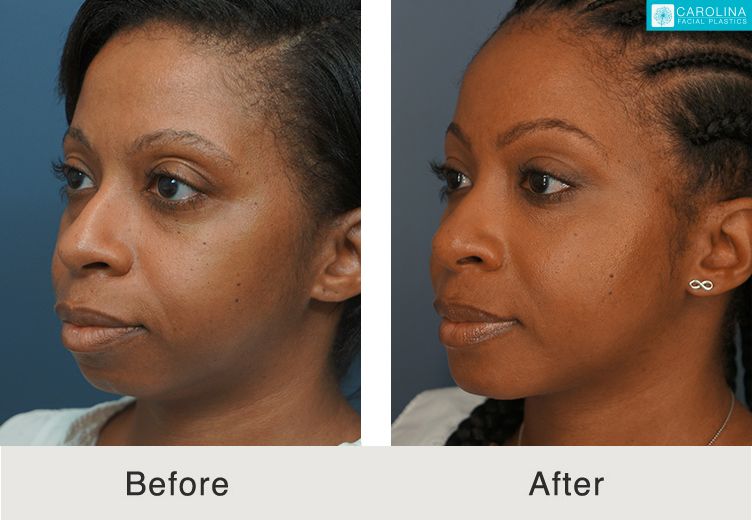
Before the energy-delivery phase begins, many modern facial protocols involve a digital diagnostic phase. Advanced imaging systems use multispectral photography to map the face in 3D. These tools analyze skin density, hydration levels, and existing collagen depletion. By feeding this data into proprietary algorithms, the software can recommend the exact depth and energy intensity required for a specific patient’s facial anatomy.
Real-time Feedback Loops
The safety and efficacy of skin tightening facials are maintained by sophisticated feedback loops integrated into the handpieces. For example, some RF devices utilize “Active Cooling” technology. While the device delivers heat to the dermis, the software simultaneously manages a cooling mechanism on the surface. Thermal sensors communicate with the central processor thousands of times per second to ensure that if the surface temperature spikes, the energy is instantly throttled. This level of digital precision has made these “facials” safer and more consistent than ever before.
Data-Driven Personalization
As aesthetic technology moves toward the “Internet of Things” (IoT), many skin-tightening machines are now cloud-connected. Manufacturers collect anonymized treatment data from around the world to refine their algorithms. This means that a skin tightening facial performed today benefits from the aggregate data of millions of previous sessions, allowing for refined pulse durations and energy densities that maximize the “tightening” effect while minimizing the inflammatory response.
Consumer Tech: The Rise of At-Home Tightening Gadgets
The demand for skin-firming technology has led to a surge in consumer-grade devices. While professional clinic-grade machines remain the gold standard due to their power output, the “home-tech” market has successfully miniaturized complex engineering into handheld gadgets.
Microcurrent and Nano-current Devices
Microcurrent technology is often described as a “gym workout for the face.” These devices deliver low-level electrical currents that mimic the body’s natural ionic flow. On a cellular level, this increases the production of Adenosine Triphosphate (ATP), the primary energy source for cells.
While professional skin tightening facials focus on the dermis, microcurrent gadgets focus on the musculature. By stimulating the facial muscles with specific waveforms, these devices help “re-train” the muscles to hold a firmer, more lifted position. The latest iterations of these gadgets sync via Bluetooth to smartphone apps, providing guided tutorials and tracking the user’s progress through facial recognition software.
LED and Low-Level Light Therapy (LLLT)
Wearable tech, such as LED masks, has become a staple of the modern skincare routine. These devices use specific light frequencies—most notably Red and Near-Infrared—to penetrate the skin. While they do not provide the immediate thermal contraction of a professional RF treatment, the technology supports long-term skin density. The engineering challenge in these devices lies in the “irradiance”—ensuring the LEDs provide enough energy over a specific period to trigger a biological change without being heavy or uncomfortable for the wearer.
The Miniaturization of RF
Recently, “mini” RF devices for home use have entered the market. These devices utilize the same principles as professional machines but operate at lower wattages for safety. They represent a significant achievement in electrical engineering, as they must maintain stable thermal output and safety protocols within a battery-operated, portable chassis.
Future Horizons: Robotics and Biometric Integration
The definition of a skin tightening facial continues to expand as we look toward the next generation of aesthetic hardware. The integration of robotics and advanced biometrics is set to redefine the industry once again.
Robotic-Assisted Delivery
One of the challenges in manual skin tightening facials is the variability of the human operator. To solve this, developers are testing robotic arms and automated scanners that deliver energy with sub-millimeter precision. By removing human error, these systems ensure that every square centimeter of the face receives the exact dose of energy required, leading to more uniform results.
Biometric Customization
Future devices may incorporate biometric sensors that measure real-time physiological responses beyond just temperature. By monitoring skin conductivity, blood flow, and even DNA markers via non-invasive sensors, the “smart” skin tightening facial of the future will be able to adjust its energy parameters on the fly based on the patient’s unique biological state on that specific day.
The Convergence of Biotech and Gadgetry
We are also seeing the rise of “Topical Tech”—nanotechnology-driven serums designed to be used in conjunction with energy devices. These serums contain “conductive” particles or heat-activated growth factors that amplify the effects of the RF or Ultrasound energy. This synergy between biochemistry and mechanical engineering is the frontier of modern facial rejuvenation.
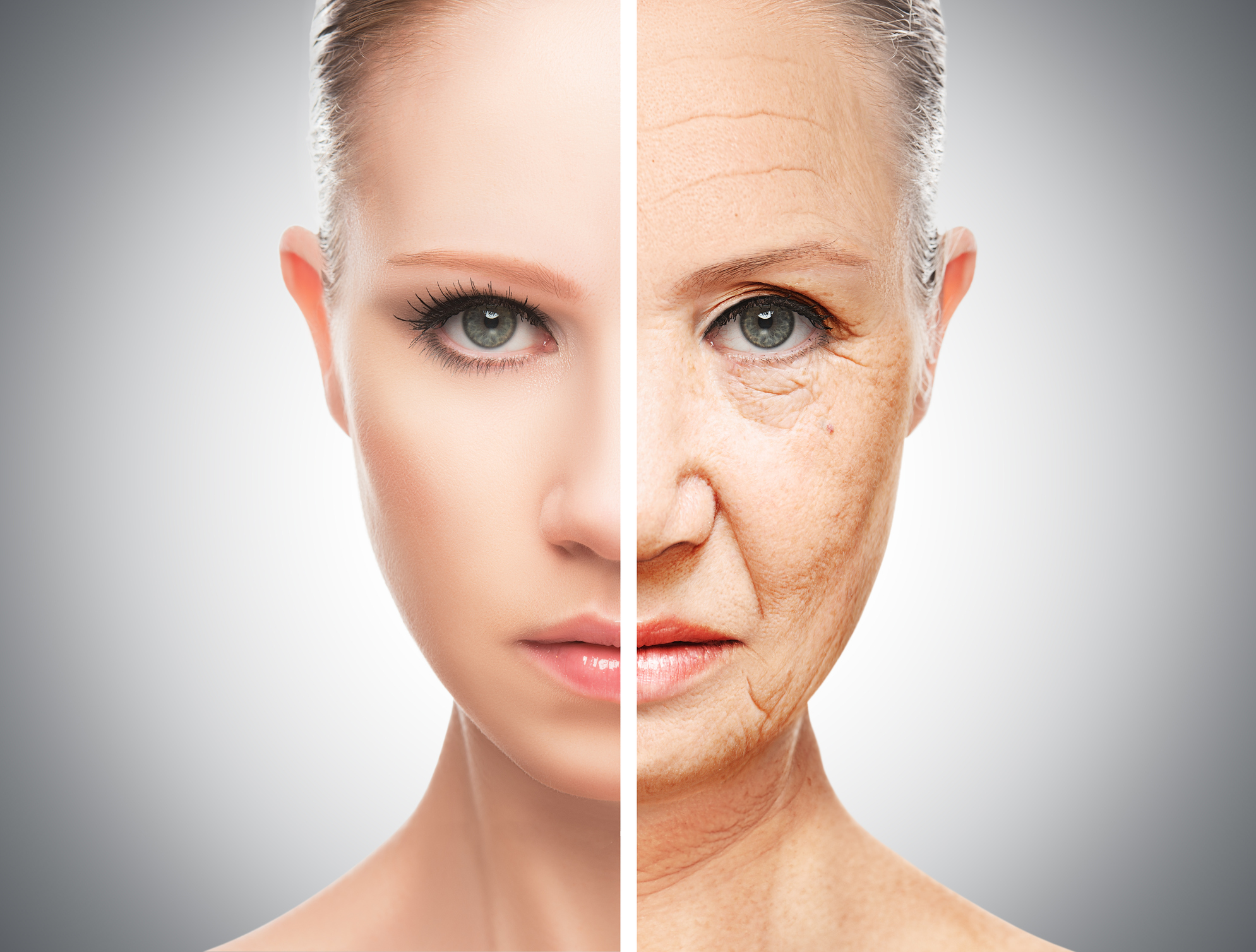
In conclusion, a skin tightening facial is no longer a simple spa service; it is a complex technological procedure. Whether it is through the controlled application of radiofrequency, the precision of focused ultrasound, or the convenience of smart home gadgets, the goal remains the same: to use engineering to reverse the biological effects of aging. As software and hardware continue to advance, the line between medical intervention and routine skincare will continue to blur, offering consumers unprecedented control over their own biology through the power of technology.
aViewFromTheCave is a participant in the Amazon Services LLC Associates Program, an affiliate advertising program designed to provide a means for sites to earn advertising fees by advertising and linking to Amazon.com. Amazon, the Amazon logo, AmazonSupply, and the AmazonSupply logo are trademarks of Amazon.com, Inc. or its affiliates. As an Amazon Associate we earn affiliate commissions from qualifying purchases.