
In the landscape of global commerce, few things are as deceptively complex as the standardization of fit. For a consumer, asking “What is a size 12 in European?” is a matter of personal utility. For a brand strategist, however, this question represents the frontline of international market penetration, consumer psychology, and brand identity.
When a brand decides to cross the Atlantic—moving from the US or UK markets into the diverse landscape of Continental Europe—the translation of a “Size 12” is not merely a mathematical exercise. It is a strategic pivot that can define a brand’s reputation for reliability, inclusivity, and luxury.

The Architecture of Brand Identity in Sizing Systems
The first hurdle any brand faces when scaling internationally is the lack of a universal language for dimensions. A “Size 12” is a ghost in the machine; it means something radically different depending on the brand’s origin and its target demographic.
The US vs. UK size 12 Paradox
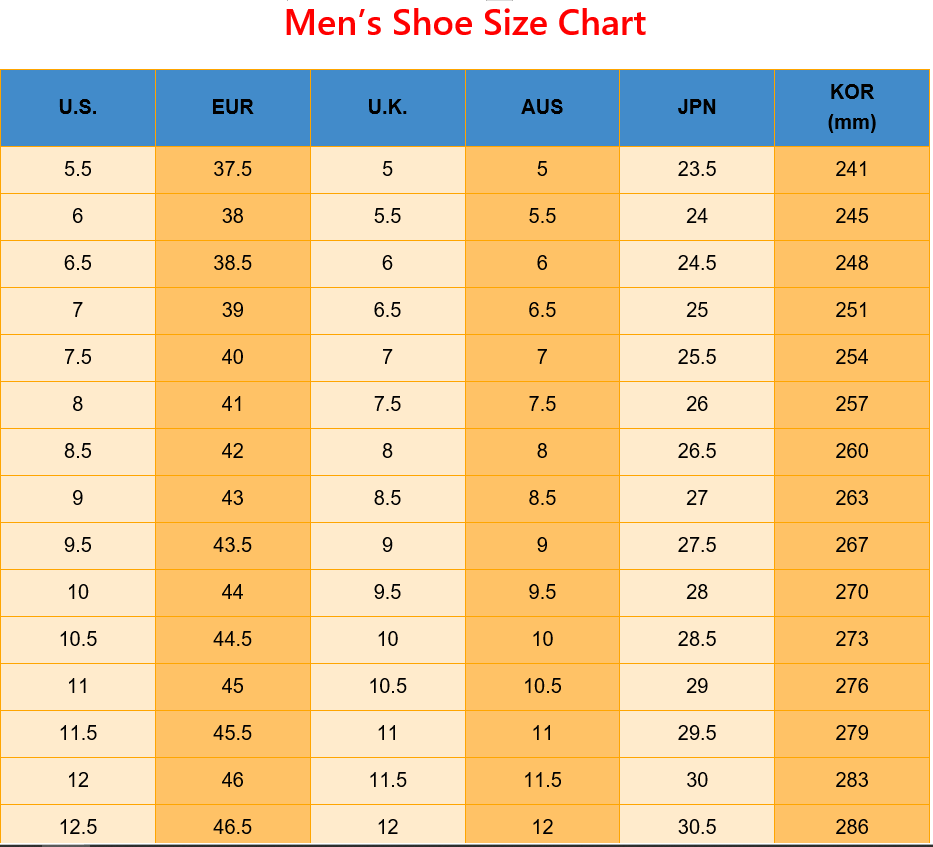
From a brand strategy perspective, the distinction between a US Size 12 and a UK Size 12 is critical. A US Size 12 typically translates to a European 44, while a UK Size 12 translates to a European 40. For a corporate identity, choosing which “Size 12” to champion is a statement of heritage.
Brands like Burberry or Barbour maintain their British identity by sticking to UK-centric sizing logic, forcing the European consumer to adapt to their “brand language.” Conversely, American giants like Ralph Lauren must carefully curate their European digital storefronts to ensure that a customer seeking a size 12 isn’t met with a garment two sizes too large or small, which would immediately erode brand trust.
Technical Specifications as Brand Values
In the high-end luxury sector, sizing is often used to signal exclusivity. Italian and French brands frequently utilize their own localized sizing (e.g., IT 48 or FR 44 for a standard US 12). By refusing to adopt a simplified “S/M/L” or a generic European 40–46 scale, these brands reinforce a sense of artisanal precision. The complexity of the conversion becomes part of the brand’s “couture” allure—it implies that the garment is so precisely engineered that a simple generic size cannot contain it.
Vanity Sizing: The Psychological Marketing Tool
One of the most potent, albeit controversial, strategies in modern branding is “vanity sizing.” This is the practice of labeling a garment with a smaller size number than its actual measurements would dictate. When we ask what a size 12 is in European, we are often uncovering a brand’s psychological positioning.
The Feel-Good Factor in Brand Loyalty
Marketing research has long shown that consumers are more likely to remain loyal to a brand that makes them feel “smaller.” If a customer is a standard Size 14 but fits into a Size 12 at a specific boutique, that brand creates an immediate positive emotional anchor.
When translating this to the European market, the strategy becomes even more nuanced. A brand might label a garment as a “European 42” (equivalent to a US 10) even if the measurements are closer to a 44. This manipulation of the “Size 12” threshold is a calculated move to boost consumer self-esteem, thereby increasing the likelihood of a purchase and reducing the friction of the “European conversion” barrier.
Consistency as a Brand Asset
While vanity sizing can provide a short-term sales spike, the most successful global brands—such as Zara or H&M—prioritize consistency over ego-boosting. For these “Power Brands,” the goal is to make the “Size 12 to European” conversion invisible. If a customer knows that they are always a 42 in Zara, whether they are in London, New York, or Berlin, the brand has achieved “Frictionless Commerce.” This consistency becomes a core part of the brand’s value proposition: reliability in an unpredictable global market.
The Operational Logistics of International Brand Expansion
Moving a brand into Europe requires more than just a translation of labels; it requires a deep dive into the anthropometric data of the target region. A “Size 12” in Sweden (where the average height is higher) is built differently than a “Size 12” in Spain.
Regional Customization vs. Global Uniformity
Global brands often face a strategic crossroads: do they maintain one “Global Size 12” or do they localize the fit?
- Uniformity: This reduces manufacturing costs and simplifies inventory management. However, it risks alienating local markets where the “European 44” might not account for regional body shape variations.
- Localization: Brands like Levi’s have mastered the art of regional fit. While the “Size 12” label might remain, the cut of the denim is subtly adjusted for the European market compared to the American one. This is a “silent” brand strategy—the customer doesn’t see the change, they just feel that the brand “understands” their body.
Navigating the Digital “Fit Gap”
In the era of e-commerce, the “Size 12 in European” question is the primary driver of product returns. For a brand, a high return rate is a branding nightmare—it signals a failure in communication.
Strategic brands now use “Fit Finders” and AI-driven size guides to bridge this gap. By turning the sizing conversion into an interactive brand experience, they move away from the static (and often confusing) conversion chart. This tech-forward approach to branding demonstrates that the company is invested in the customer’s post-purchase satisfaction, not just the initial click.
Communication Strategy: Educating the Consumer
A brand’s identity is only as strong as its communication. If a brand fails to clearly explain what its “Size 12” means in a European context, it loses the narrative.
Transparent Sizing as a Luxury Signal
In recent years, “Radical Transparency” has become a popular brand pillar. Direct-to-consumer (DTC) brands often provide the exact measurements of the garment in centimeters alongside the European size. This transparency removes the “guessing game” and positions the brand as honest, modern, and customer-centric. For these brands, the answer to “What is a size 12?” is not just “44,” but a detailed map of the garment’s soul.
The Role of Influencers and User-Generated Content
Modern brand strategy leverages social proof to solve sizing dilemmas. Brands often encourage influencers of a “Size 12” or “EU 44” to post videos demonstrating the fit. This bypasses the clinical nature of conversion charts and provides a “real-world” brand experience. When a consumer sees a brand represented by someone with their own dimensions, the “European size” becomes secondary to the visual confirmation of the fit.
Conclusion: The Metric of Trust
Ultimately, “Size 12 in European” is more than a measurement; it is a metric of trust. In the global marketplace, a brand is a promise made to a consumer. When that consumer buys a Size 12 and expects a European 44, they are testing the brand’s integrity.
Successful international brand strategy requires a delicate balance between heritage and localization. Whether a brand chooses to use vanity sizing to flatter its audience or radical transparency to empower them, the goal remains the same: to eliminate the confusion of the conversion. By mastering the nuances of international sizing, a brand transforms a potential point of frustration into a seamless touchpoint of global identity. In the end, the brands that win are those that realize a Size 12 is not just a number—it’s a person looking for a perfect fit in a world that is increasingly small, yet still frustratingly unstandardized.
aViewFromTheCave is a participant in the Amazon Services LLC Associates Program, an affiliate advertising program designed to provide a means for sites to earn advertising fees by advertising and linking to Amazon.com. Amazon, the Amazon logo, AmazonSupply, and the AmazonSupply logo are trademarks of Amazon.com, Inc. or its affiliates. As an Amazon Associate we earn affiliate commissions from qualifying purchases.