
Silver tarnishing is a natural chemical process that, while seemingly benign, has significant implications for the value, aesthetics, and long-term preservation of silver assets, ranging from investment-grade bullion to heirloom jewelry and collectible coins. For individuals and businesses holding silver as an asset, understanding tarnishing is not merely an academic exercise in chemistry; it’s a crucial element of financial stewardship and risk management. This phenomenon directly impacts market liquidity, appraisal values, and the costs associated with maintaining a silver portfolio.
The Chemistry Behind the Corrosion of Value
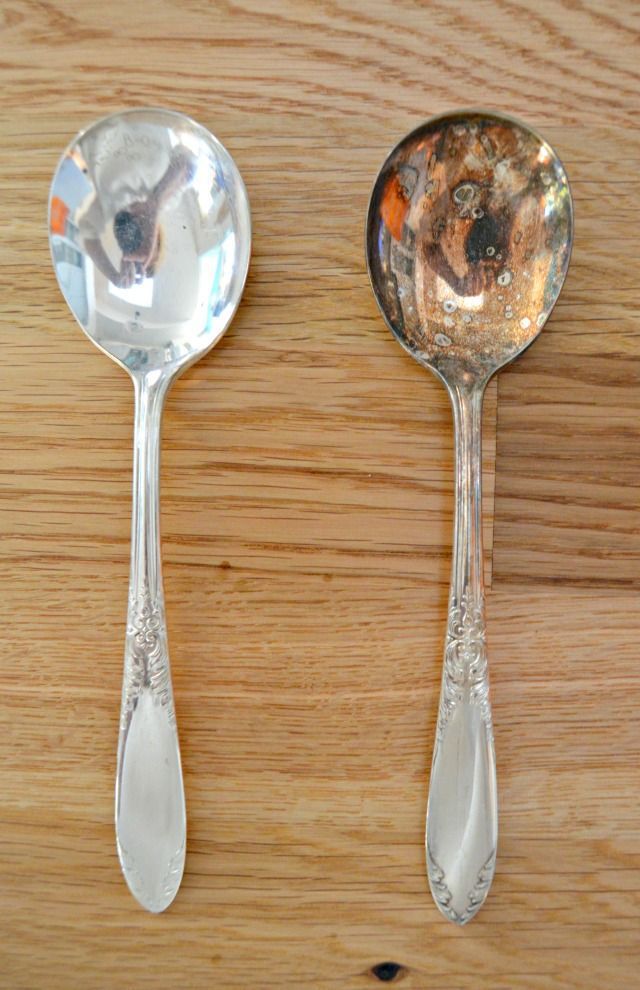
At its core, tarnishing is the result of a chemical reaction on the surface of silver, leading to the formation of a dull, dark layer that diminishes the metal’s characteristic luster and brilliance. Unlike rust, which is a form of corrosion that degrades iron, silver tarnish is primarily a surface phenomenon that can often be reversed. However, its presence significantly detracts from the perceived and actual value of silver items, making it a key concern for investors and collectors.
Understanding Silver Sulfide
The primary culprit behind silver tarnishing is hydrogen sulfide (H₂S), a ubiquitous gas present in the atmosphere, albeit in varying concentrations. This gas reacts with the silver metal (Ag) on the surface to form silver sulfide (Ag₂S). The chemical reaction can be summarized as:
2Ag(s) + H₂S(g) → Ag₂S(s) + H₂(g)
Silver sulfide is a black compound, which explains the characteristic dark appearance of tarnished silver. While pure silver (99.9% or higher) is less prone to tarnish than sterling silver (92.5% silver, 7.5% copper), even the highest purity silver can tarnish over time. Sterling silver tarnishes more readily due to the copper alloy, which can react with oxygen to form copper oxides, further accelerating the tarnishing process and contributing to a reddish or greenish hue.
Environmental Triggers and Accelerants
Several environmental factors can accelerate the tarnishing process, posing a direct threat to the pristine condition and thus the financial value of silver assets:
- Atmospheric Pollutants: Beyond hydrogen sulfide, other sulfur-containing compounds (e.g., sulfur dioxide from industrial emissions) significantly contribute to tarnishing. Ozone, a powerful oxidant, can also accelerate the process.
- High Humidity: Moisture in the air acts as a catalyst, speeding up chemical reactions on the silver’s surface. Environments with high relative humidity are notorious for rapid tarnishing.
- Contact with Certain Materials: Rubber, wool, felt, and some paints or fabrics can off-gas sulfur compounds, directly transferring them to silver. Even common household items like eggs, onions, and some foods contain sulfur.
- Fingerprints and Skin Oils: Human skin contains oils, salts, and acids that, when transferred to silver, can create localized tarnishing spots, initiating the reaction and accelerating it over time.
- Temperature Fluctuations: While not a direct cause, drastic swings in temperature can contribute to condensation, increasing local humidity and thus promoting tarnish formation.
Understanding these environmental triggers is critical for anyone looking to protect their silver investments from degradation and maintain their optimal market value.
The Financial Impact of Tarnishing on Silver Assets
The financial implications of tarnishing extend beyond mere aesthetics, affecting everything from resale value and insurance appraisals to the overall profitability of silver holdings. A tarnished asset is, by definition, a less valuable asset in most markets.
Diminished Aesthetic and Market Value
For many silver items, particularly jewelry, decorative pieces, and numismatic coins, aesthetic appeal is paramount. A lustrous, untarnished surface signifies quality, care, and originality. When silver tarnishes, its visual appeal is significantly reduced, which directly translates into a lower perceived and actual market value.
- Jewelry: Tarnished silver jewelry is harder to sell at premium prices and often requires professional cleaning before it can command its full potential value. This represents a direct cost or a reduction in sale price.
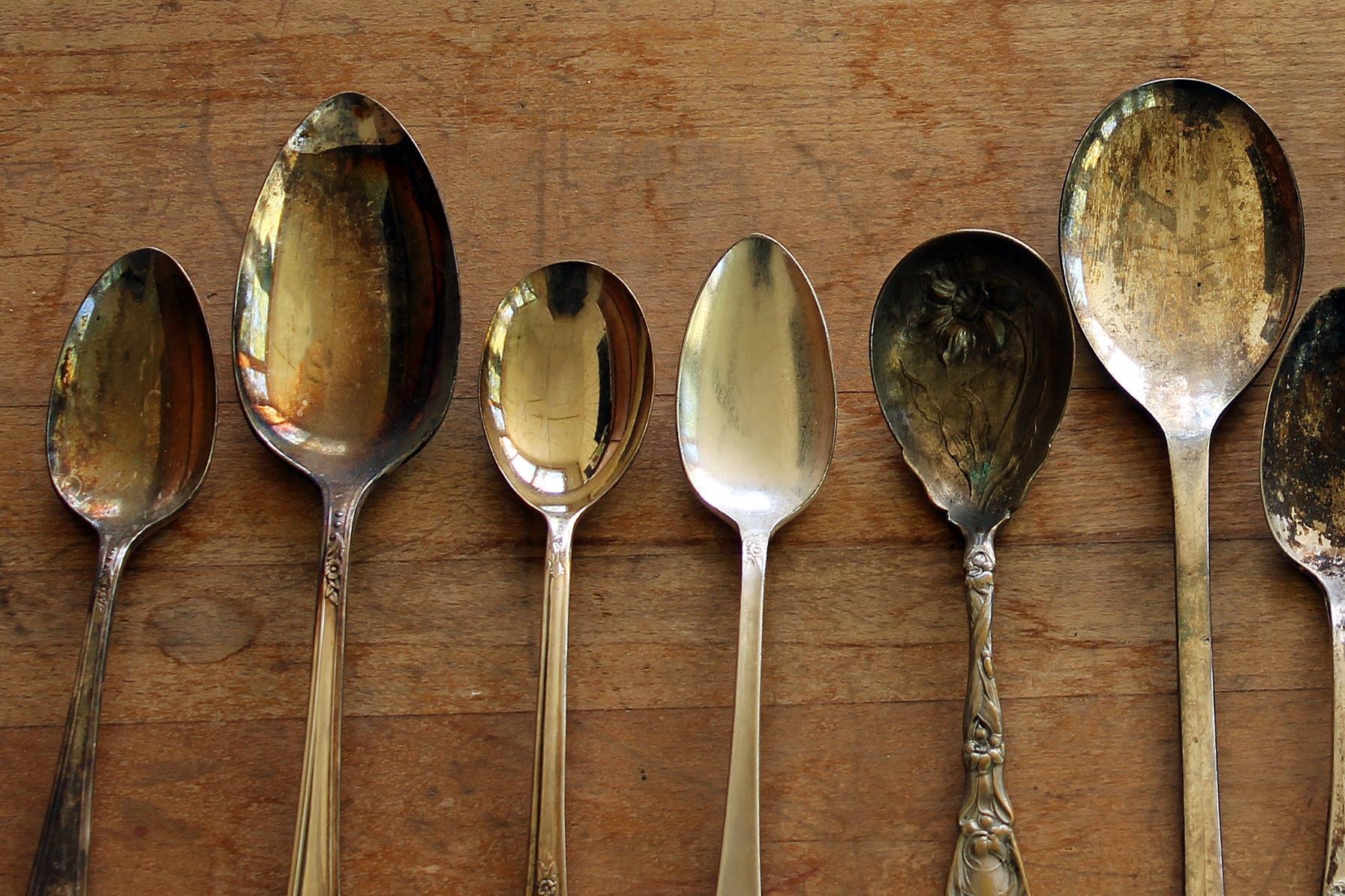
- Decorative Silverware/Heirlooms: For items valued for their craftsmanship and historical significance, tarnishing can obscure intricate details, making them less desirable to collectors and lowering their appraisal value.
- Collectible Coins (Numismatics): This is perhaps where the impact is most acute. The grade of a coin is heavily dependent on its surface condition. Tarnish, especially heavy tarnish, can significantly downgrade a coin’s numismatic value, turning a potentially rare and valuable piece into one worth little more than its melt value. Even if the tarnish is chemically removable, the act of cleaning itself can damage the coin’s surface, resulting in a permanent reduction in grade and value. Collectors often prefer coins with original, undisturbed surfaces, even if slightly toned (a natural, often desirable form of patina), over aggressively cleaned specimens.
Maintenance Costs and Preservation Strategies
Mitigating the financial impact of tarnishing involves ongoing maintenance and strategic preservation, both of which incur costs.
- Cleaning Products and Services: Regular cleaning with appropriate silver polishes and cloths is necessary for maintaining the luster of silver jewelry and decorative items. These products cost money, and professional cleaning services, especially for intricate pieces or valuable collectibles, can be expensive.
- Storage Solutions: Investing in proper storage is a critical preventative measure. Acid-free tissue paper, anti-tarnish bags, boxes lined with tarnish-inhibiting fabrics, and airtight display cases containing desiccants (like silica gel) represent an upfront and ongoing cost. For larger collections or bullion, climate-controlled vaults or secure storage facilities may be necessary, adding to the carrying costs of the investment.
- Insurance Implications: While tarnishing itself isn’t typically covered as damage by insurance (it’s a natural process), a reduced valuation due to tarnishing could impact the amount an insurer is willing to cover in the event of theft or loss, emphasizing the need for regular appraisals of high-value items.
These costs, while seemingly minor individually, can add up over time, affecting the net return on a silver investment, especially for long-term holdings.
Tarnishing as a Factor in Silver Investment and Collectibles
The distinction between silver as a commodity (bullion) and silver as a collectible (numismatics, art pieces) is crucial when considering the financial ramifications of tarnishing.
Bullion vs. Numismatic Value
- Bullion (Investment-Grade Silver): For silver bars, rounds, and generic coins valued primarily for their precious metal content, minor tarnishing typically has a negligible impact on their intrinsic melt value. A 1-ounce silver bar still contains 1 ounce of silver, whether tarnished or not. However, heavy tarnishing can sometimes deter buyers who prefer pristine condition, potentially leading to slight discounts on resale or making the item less liquid in certain markets. Furthermore, excessive tarnish might obscure hallmarks or purity stamps, requiring cleaning or closer inspection, which could introduce friction into a transaction.
- Numismatic and Collectible Silver: This category includes rare coins, antique silverware, and artistically crafted pieces where the historical significance, rarity, and aesthetic condition dictate much of the value. Here, tarnishing is a major concern.
- “Toning” vs. “Tarnish”: In numismatics, there’s a nuanced distinction. “Toning” refers to a natural, even layer of tarnish that develops slowly over decades, often forming attractive iridescent colors (e.g., “rainbow toning” on old coins). This type of toning is often desirable and can enhance a coin’s value, signaling originality and undisturbed surfaces. “Tarnish,” however, generally refers to unsightly, uneven, or heavy black deposits that detract from the coin’s appeal and value.
- “Original Surfaces”: The concept of “original surfaces” is paramount. A coin with its original, albeit toned, surface is almost always preferred over one that has been harshly cleaned to remove tarnish. Cleaning, particularly abrasive or chemical cleaning, can leave hairline scratches, alter the coin’s luster, or change its surface chemistry irrevocably, severely diminishing its numismatic grade and financial worth.
Professional Cleaning and Restoration: A Cost-Benefit Analysis
The decision to clean tarnished silver, especially for high-value collectibles, requires careful consideration and a thorough cost-benefit analysis.
- Risks of DIY Cleaning: Amateur cleaning attempts often result in irreversible damage, such as scratching, removing patina unevenly, or leaving behind chemical residues. For valuable items, this can lead to substantial financial losses.
- Professional Services: Experienced conservators and professional coin graders understand the delicate balance of removing tarnish without harming the underlying metal or its historical context. They use specialized techniques, sometimes employing electrochemical or ultrasonic methods, or gentle chemical dips. However, these services come at a cost, which must be weighed against the potential increase in the item’s market value. For some items, the cost of professional cleaning might exceed the potential uplift in value, making it a financially unwise decision. For rare coins, it’s often advised not to clean them at all, as even professional cleaning can be considered an alteration that downgrades the coin.
- Conservation vs. Restoration: True conservation aims to stabilize an object and prevent further decay without altering its original state. Restoration, conversely, aims to bring an object back to a perceived earlier state, which can involve more aggressive interventions. The financial implications differ significantly between these approaches.
Proactive Measures for Protecting Your Silver Investments
Effective management of silver assets necessitates a proactive approach to preventing tarnishing, thereby preserving their aesthetic appeal and financial value.
Storage Solutions and Environmental Control
Implementing proper storage and environmental controls is the first line of defense against tarnishing.
- Airtight Containers: Store silver in airtight containers, zip-top bags made from archival-safe plastics (like Mylar), or specialty silver storage boxes. This limits exposure to atmospheric pollutants.
- Anti-Tarnish Cloths and Bags: Many reputable suppliers offer flannel bags, wraps, and cabinet liners impregnated with activated charcoal or other chemicals designed to absorb sulfur compounds. Using these significantly reduces tarnishing rates.
- Desiccants: In humid environments, placing silica gel packets within storage containers can help absorb moisture, further inhibiting tarnishing.
- Consistent Environment: Store silver in a cool, dry place with stable temperatures. Avoid areas prone to significant temperature and humidity fluctuations, such as attics, basements, or garages.
- Avoid Harmful Materials: Never store silver directly in contact with rubber bands, newspaper, certain types of cardboard, wool, felt, or common plastics that may off-gas sulfur compounds.
- Dedicated Displays: For display items, consider display cases with sealed environments and, if possible, inert gas systems to prevent oxidation.

Regular Inspection and Gentle Cleaning Practices
Even with the best storage, some level of tarnishing may eventually occur. Regular inspection and appropriate cleaning are key.
- Routine Checks: Periodically inspect your silver items for any signs of tarnish. Early detection allows for easier, less abrasive cleaning.
- Gentle Handling: Always handle silver with clean cotton gloves to prevent transferring oils and acids from your skin.
- Mild Cleaning: For light tarnish on non-numismatic items, use a high-quality silver polish specifically designed for silver. Apply with a soft, clean cloth (like cotton flannel) and rub gently in one direction, not in circles. Rinse thoroughly with warm water and dry immediately with another soft cloth to prevent water spots, which can lead to further tarnishing.
- Avoid Harsh Chemicals: Never use abrasive cleaners, steel wool, or harsh household chemicals, as these can permanently scratch or damage the silver surface, drastically reducing its value.
- When in Doubt, Consult a Professional: For valuable or delicate items, especially numismatic coins, it is always safer to consult with a professional conservator or coin grader before attempting any cleaning. Their expertise can help you make an informed decision that preserves or even enhances your asset’s value, rather than inadvertently diminishing it.
Understanding the causes, financial repercussions, and preventive measures against silver tarnishing is not merely about preserving shine; it’s about safeguarding the tangible and intrinsic value of a significant asset. For any silver owner, this knowledge forms an essential part of sound financial management.
aViewFromTheCave is a participant in the Amazon Services LLC Associates Program, an affiliate advertising program designed to provide a means for sites to earn advertising fees by advertising and linking to Amazon.com. Amazon, the Amazon logo, AmazonSupply, and the AmazonSupply logo are trademarks of Amazon.com, Inc. or its affiliates. As an Amazon Associate we earn affiliate commissions from qualifying purchases.