
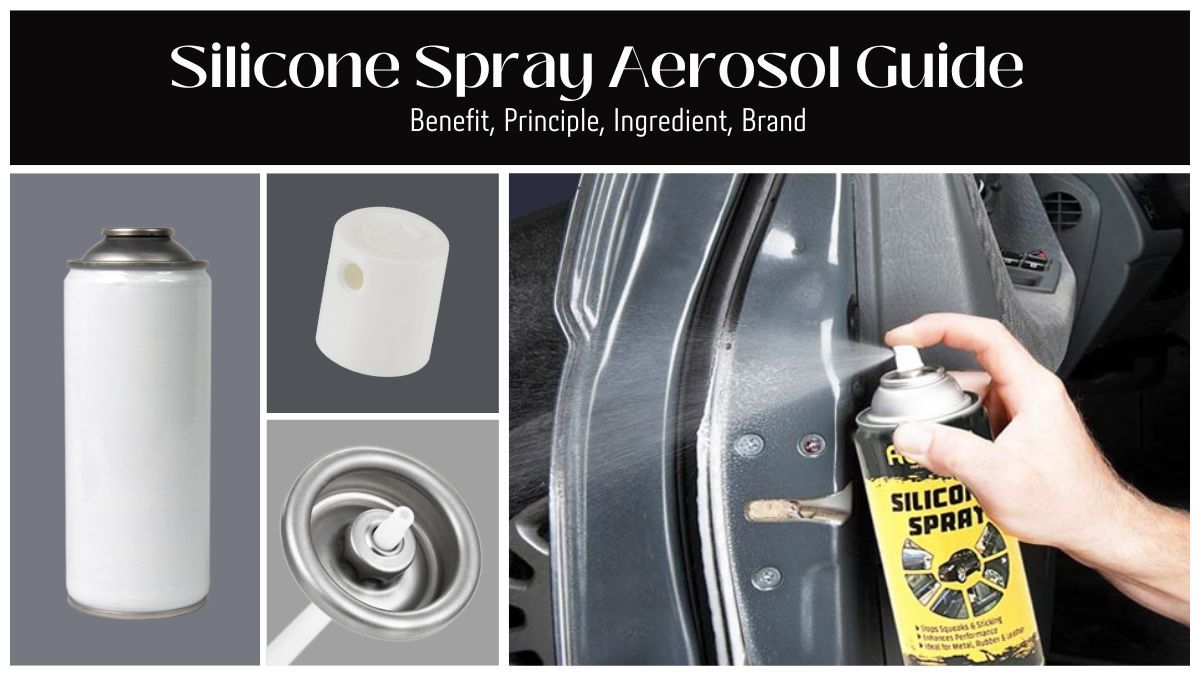
Silicone spray, a versatile lubricant and protectant, plays an often underappreciated yet crucial role in the maintenance and longevity of a wide array of technological devices and infrastructure. While commonly associated with general household or automotive applications, its unique properties—such as high heat resistance, water repellency, and non-conductive nature—make it an invaluable tool within the tech ecosystem. From safeguarding sensitive electronics against environmental damage to ensuring the smooth operation of mechanical components in sophisticated gadgets, understanding the specific applications of silicone spray can significantly enhance the lifespan and performance of technology investments.
Essential Maintenance for Gadgets and Electronics
The delicate mechanisms and intricate designs of modern gadgets and electronics often require specialized care that traditional lubricants cannot provide. Silicone spray excels in these environments, offering a clean, effective solution for various maintenance needs without the residue or corrosive potential of other petroleum-based products.
Lubricating Moving Parts
Many technological devices incorporate mechanical elements that benefit from smooth, low-friction operation. Silicone spray is ideal for these applications due to its ability to create a slick, durable film that reduces wear and tear without attracting dust or debris, which can be detrimental to sensitive electronics.
- 3D Printers: High-precision 3D printers rely on linear rails, lead screws, and other moving parts for accurate material deposition. A light application of silicone spray on these components can significantly reduce friction, leading to smoother motion, decreased motor strain, and ultimately, higher quality prints. It helps prevent sticking and binding, extending the lifespan of critical mechanical parts without gunking up with contaminants.
- Optical Drives (Legacy Systems): For older computers or specialized hardware still utilizing CD/DVD/Blu-ray drives, silicone spray can revitalize sticky trays or sluggish read heads. A very light spray on the drive rails can restore smooth operation, ensuring discs load and eject properly. Extreme care must be taken to avoid contact with the optical lens itself.
- Computer Fans and Cooling Systems (External Application): While not typically sprayed directly into a fan motor, silicone spray can be used on the housing or mounting points of external fan units (e.g., on server racks or external enclosures) to reduce vibrations or facilitate easier installation and removal. Its non-stick properties can also help prevent dust buildup on external surfaces, making cleaning more efficient.
- Mechanical Keyboard Stabilizers: Enthusiasts often use silicone-based lubricants on the stabilizers of mechanical keyboards to eliminate “rattle” and provide a smoother, more consistent key press feel. Applied sparingly, it improves the typing experience without impacting electrical contacts.
Protecting Against Moisture and Corrosion
One of silicone spray’s most critical attributes for technology is its exceptional water repellency. This forms a protective barrier that shields electronic components from moisture, preventing corrosion and short circuits, which are common causes of device failure, especially in exposed environments.
- Outdoor Security Cameras and IoT Sensors: Devices deployed outdoors are constantly exposed to rain, humidity, and temperature fluctuations. Applying a thin coat of silicone spray to the exterior housing and sealed joints of these devices (ensuring not to obscure lenses or vital sensors) creates a hydrophobic layer. This repels water, preventing ingress and protecting internal electronics from corrosion and oxidation, thereby extending operational life and reliability.
- Charging Ports and Connectors (Exterior): For gadgets frequently used outdoors or in damp conditions, a very light application around the exterior of charging ports or other exposed connectors can provide a moisture barrier. This is particularly useful for ruggedized tablets, smartphones (where allowed by manufacturer), or portable GPS devices. It acts as an additional line of defense against incidental splashes or condensation, preventing the accumulation of moisture that can lead to corrosion on metal contacts.
- Battery Terminals in Remote Controls and Wireless Peripherals: While less critical than outdoor devices, the battery terminals in frequently used remote controls, wireless mice, or keyboards can be susceptible to mild corrosion from battery leakage or atmospheric moisture. A minute amount of silicone spray can protect these terminals, ensuring better conductivity and preventing power interruptions.
Reducing Friction in Enclosures and Casing
Assembling and disassembling electronics, or managing cables within tight spaces, can be challenging. Silicone spray offers a non-damaging solution to reduce friction, making these tasks smoother and safer for the components involved.
- Facilitating Component Installation: When installing expansion cards, RAM modules, or other components into tight slots or enclosures, a tiny amount of silicone spray on the non-electrical parts of the component’s edge or the enclosure’s guides can help them slide in more easily, reducing the risk of bending pins or damaging slots due to excessive force.
- Cable Management Through Grommets and Conduits: Running multiple network cables, power cords, or data lines through tight grommets in desks or within server rack conduits can be difficult. A light spray on the cables allows them to glide through these openings with less friction, preventing snags, reducing strain on the cables, and simplifying the organization process.
Enhancing Digital Security Hardware
Digital security extends beyond software to the physical hardware that protects our data and assets. Silicone spray contributes to the robustness and reliability of these physical security measures.
Weatherproofing Outdoor Surveillance Equipment
The integrity of outdoor surveillance systems is paramount for continuous digital security. Environmental factors are a major threat, and silicone spray provides a cost-effective method for enhanced protection.
- Protecting Camera Housings and Mounts: Outdoor CCTV cameras, motion sensors, and smart doorbells are critical elements of a robust security system. Applying silicone spray to the exterior surfaces, especially around seals, screw points, and cable entries, creates a hydrophobic layer that repels rain and dew. This prevents water penetration, which can lead to internal shorts, lens fogging, or sensor malfunction. It also protects mounting hardware from rust and corrosion, ensuring cameras remain securely positioned and functional in adverse weather.
- Shielding Wiring and Junction Boxes: External wiring and junction boxes connecting security devices are vulnerable points. A coating of silicone spray on the exterior of these boxes and on exposed cable sheathing near entry points can provide an additional barrier against moisture, preventing degradation of insulation and ensuring stable data transmission.
Securing and Maintaining Access Points

Physical access points, often controlled by electronic locks or secured enclosures, benefit from the lubricating and protective qualities of silicone spray.
- Lubricating Server Rack and Cabinet Locks: Data centers and secure server environments utilize robust locks on their racks and cabinets to prevent unauthorized access. Silicone spray, being non-greasy and non-conductive, is an excellent choice for lubricating the internal mechanisms of these locks. It ensures smooth operation, prevents sticking due to dust or corrosion, and avoids attracting contaminants that could compromise the lock’s functionality, thereby maintaining physical security integrity.
- Protecting Environmental Sensor Enclosures: Many secure facilities use environmental sensors (temperature, humidity, air quality) in specialized enclosures. If these enclosures have moving parts for ventilation or inspection, silicone spray can ensure their smooth operation while protecting the housing from environmental factors, thus preserving the operational accuracy of the sensors crucial for maintaining optimal conditions for IT equipment.
Practical Applications in IT Infrastructure
Beyond individual gadgets, silicone spray finds practical utility in the larger scale of IT infrastructure, contributing to efficient installation, maintenance, and longevity of equipment in data centers and offices.
Facilitating Cable Management
Effective cable management is a cornerstone of efficient and reliable IT infrastructure. Silicone spray significantly aids in simplifying and securing complex cabling networks.
- Pulling Cables Through Conduits and Risers: In large-scale installations like data centers or smart buildings, network and power cables are often pulled through long conduits, cable trays, and risers. Friction can make this a difficult and time-consuming task, potentially damaging cable jackets. Applying silicone spray to the cables as they are fed through these pathways drastically reduces friction, allowing for smoother pulls and minimizing stress on the cables and connectors. This ensures faster deployment and prevents costly damage to expensive cabling.
- Organizing and Bundling Cable Runs: When bundling or re-routing existing cable runs in crowded server racks or wiring closets, silicone spray can help cables slide past each other more easily, preventing snags and making the task less cumbersome. It aids in creating neat, organized cable layouts that are easier to maintain and troubleshoot.
Maintaining Peripherals and Office Equipment
The daily grind of office work puts considerable strain on peripherals and shared office equipment. Silicone spray can extend the life and improve the performance of many common devices.
- Lubricating Printer Mechanisms: Office printers, particularly laser and inkjet models, contain numerous rollers, gears, and sliding trays. Over time, these parts can become stiff or noisy. A careful, targeted application of silicone spray on non-electrical, moving plastic or metal parts (e.g., paper tray guides, roller axles) can restore smooth operation, reduce paper jams, and prolong the printer’s functional life. It’s crucial to avoid spraying directly onto rubber rollers or electrical components.
- Maintaining Document Shredders: High-volume document shredders contain cutting blades and gear mechanisms that experience significant wear. Applying silicone spray (or silicone oil, often provided with shredders) to the cutting elements and internal gears can reduce friction, prevent jams, and keep the shredder operating efficiently, extending its service life and ensuring secure document disposal.
- Ensuring Smooth Operation of Office Gadgets: From the hinges of adjustable monitor stands to the retractable mechanisms of projectors or presentation remotes, any office gadget with moving parts can benefit from a judicious application of silicone spray to prevent stiffness and ensure seamless functionality.
Considerations for Tech-Specific Use
While highly beneficial, the application of silicone spray in a tech context requires careful consideration to avoid potential pitfalls and ensure optimal results. Not all silicone sprays are created equal, and improper use can lead to adverse effects.
Non-Conductivity and Material Compatibility
Crucially, when selecting silicone spray for electronics, it is paramount to choose a product that is 100% pure silicone, free of petroleum distillates, solvents, or propellants that could harm plastics, rubber, or sensitive electronic components.
- Ensuring Electrical Safety: Pure silicone spray is non-conductive, making it safe for use around electrical components once dried, as it will not create short circuits. However, always ensure the device is powered off and unplugged before application, and allow sufficient drying time to avoid any risk.
- Avoiding Plastic Degradation: Some cheaper or multi-purpose sprays contain petroleum-based solvents that can degrade certain types of plastics and rubbers commonly found in electronic housings and seals, leading to brittleness, cracking, or stickiness. Always test the spray on an inconspicuous area first or consult the manufacturer’s recommendations for the specific device and spray product.
Application Techniques for Sensitive Devices
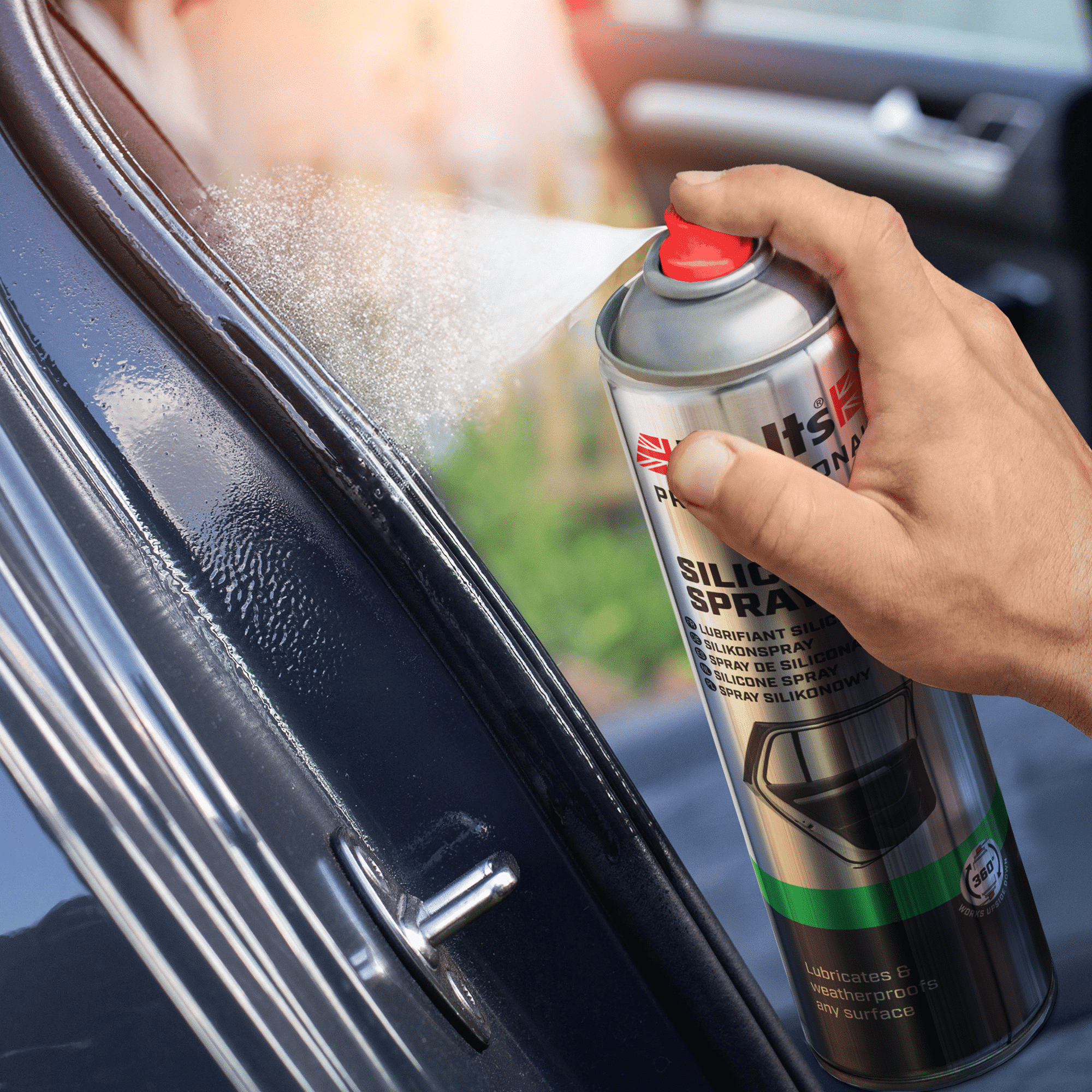
Precision and restraint are key when applying silicone spray to technological devices. Overspray or direct application onto inappropriate components can cause damage or unintended consequences.
- Spray onto a Cloth First: For intricate or sensitive areas, it is often best to spray the silicone onto a clean, lint-free cloth or cotton swab first, and then apply it precisely to the target surface. This prevents overspray from reaching electrical contacts, optical lenses, or other areas where it might interfere with performance.
- Ventilation and Drying Time: Always use silicone spray in a well-ventilated area, as the propellant can emit fumes. Allow adequate drying time before powering on or reassembling devices to ensure the carrier solvents have evaporated and only the pure silicone lubricant remains, forming a stable, protective film.
- Distinction from Cleaners: Silicone spray is a lubricant and protectant, not a cleaner. Surfaces should be cleaned of dust, dirt, and grease beforehand to maximize the effectiveness of the silicone and prevent it from trapping contaminants.
By understanding these nuanced applications and adhering to best practices, silicone spray stands as a powerful, versatile tool for maintaining, protecting, and extending the life of our increasingly complex technological landscape.
aViewFromTheCave is a participant in the Amazon Services LLC Associates Program, an affiliate advertising program designed to provide a means for sites to earn advertising fees by advertising and linking to Amazon.com. Amazon, the Amazon logo, AmazonSupply, and the AmazonSupply logo are trademarks of Amazon.com, Inc. or its affiliates. As an Amazon Associate we earn affiliate commissions from qualifying purchases.