
To the uninitiated, SHRM is simply an acronym frequently seen on LinkedIn profiles or corporate job descriptions. However, for those navigating the complex intersections of business finance, human capital, and professional development, SHRM stands for the Society for Human Resource Management. As the world’s largest professional HR association, SHRM represents more than 325,000 members across 165 countries. But beyond the name itself lies a massive financial engine and a standard-setting body that dictates how the modern workforce is valued, compensated, and managed.
In the realm of business finance, understanding SHRM is essential because human capital is often the largest line item on a balance sheet. SHRM provides the frameworks that allow organizations to optimize this investment, mitigate the financial risks of non-compliance, and drive the bottom-line performance that investors and stakeholders demand.

The Core Identity: Society for Human Resource Management
Founded in 1948 as the American Society for Personnel Administration (ASPA), the organization rebranded to SHRM in 1989 to reflect the evolving nature of the profession. This shift was more than semantic; it signaled a move from administrative “personnel” management to strategic “human resource” management. From a financial perspective, this transition marked the era where employees began to be viewed not just as costs to be minimized, but as assets to be leveraged for greater ROI.
From Membership to Movement
SHRM operates as a hub for research, advocacy, and professional networking. For a business owner or a financial manager, the value of SHRM lies in its ability to standardize HR practices. When a company follows SHRM-aligned protocols, it is adopting a set of “generally accepted” principles for managing labor. This standardization is critical for valuations and mergers, where human capital due diligence is a major factor in the final purchase price.
The Business Case for SHRM in Corporate Finance
Modern finance departments and HR departments are becoming increasingly intertwined. Financial leaders rely on HR to provide data-driven insights into labor costs, benefit expenditures, and productivity metrics. SHRM provides the educational resources that teach HR professionals how to speak the language of finance. By understanding what SHRM stands for, executives can better appreciate the rigorous data analysis that goes into workforce planning and the direct impact these strategies have on a company’s EBITDA (Earnings Before Interest, Taxes, Depreciation, and Amortization).
The Financial ROI of SHRM Certifications
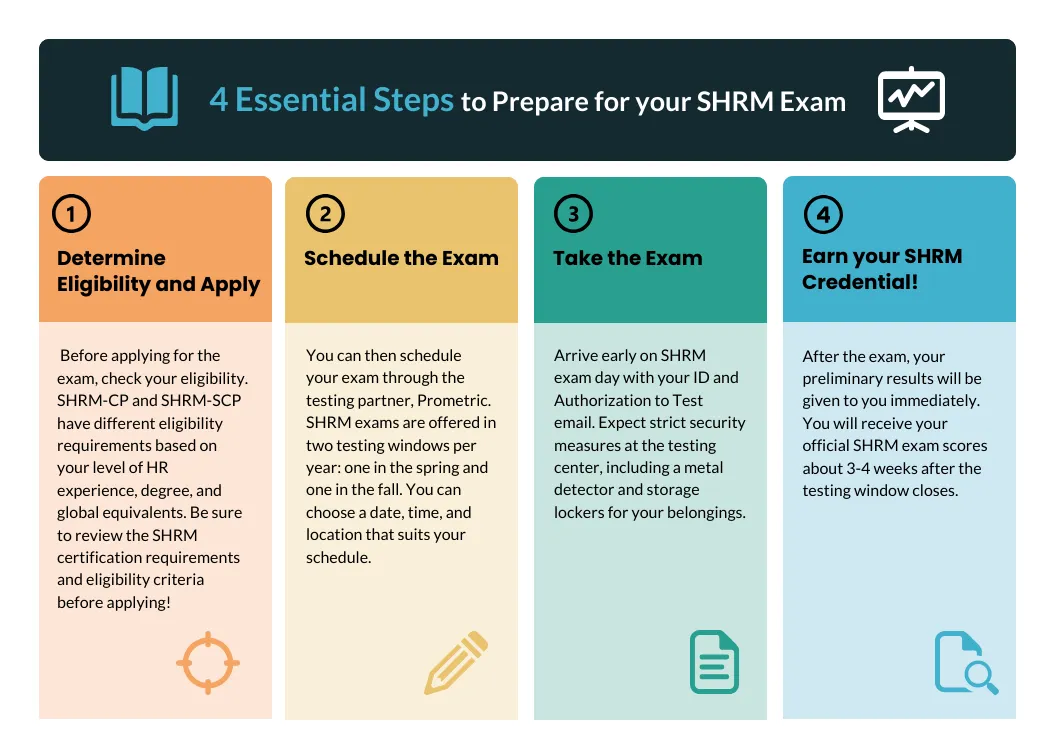
For the individual professional, SHRM is perhaps best known for its two primary certifications: the SHRM-CP (Certified Professional) and the SHRM-SCP (Senior Certified Professional). These are not merely digital badges for a resume; they are financial assets that significantly influence an individual’s lifetime earning potential and a company’s operational efficiency.
Salary Benchmarks and Earning Potential
Investing in a SHRM certification is a strategic move for any career-minded professional. Industry data consistently shows that HR professionals who hold SHRM certifications command higher salaries than their non-certified peers. On average, a SHRM-CP can see a salary increase of 10% to 15%, while the SHRM-SCP, aimed at executive-level practitioners, can push an individual into the six-figure territory much faster.
For the professional, the “internal rate of return” on the cost of the exam and study materials is exceptionally high. When you calculate the initial investment of roughly $1,000 to $1,500 against a recurring annual salary increase of $5,000 to $10,000, the payback period is often less than a single quarter.
Cost-Benefit Analysis of Certification for the Organization
From the employer’s side, sponsoring an employee’s SHRM certification is a high-yield investment. Certified professionals are trained in strategic management, meaning they are better equipped to handle complex financial decisions regarding benefits administration, payroll taxes, and talent acquisition strategies. A SHRM-certified HR manager is more likely to implement efficient hiring processes that reduce “cost-per-hire” and “time-to-fill” metrics—two key performance indicators that directly impact the company’s cash flow.
SHRM as a Tool for Business Finance and Operational Efficiency
The relationship between HR and finance is often one of tension, as finance seeks to control costs while HR seeks to invest in culture and talent. SHRM bridges this gap by providing the tools necessary to quantify the “soft” side of business.
Mitigating Financial Risk through Compliance
One of the most significant financial drains on a modern corporation is legal non-compliance. Lawsuits related to wrongful termination, wage and hour violations, and workplace discrimination can result in multi-million dollar settlements and devastating hits to a brand’s market value. SHRM stands as a guardian of compliance.
By providing up-to-the-minute resources on labor laws (such as the Fair Labor Standards Act, FMLA, and various state-level mandates), SHRM allows businesses to avoid these catastrophic financial leaks. In this context, SHRM membership is effectively a form of professional indemnity insurance, ensuring the company operates within legal frameworks that protect its financial interests.
Optimizing Human Capital Investment
Every dollar spent on payroll should, in theory, generate a return in the form of productivity or revenue. SHRM’s research into employee engagement and retention provides the methodology for maximizing this return. High turnover is a massive hidden cost; some estimates suggest that replacing a mid-level employee costs the company 1.5 to 2 times that employee’s annual salary.
By applying SHRM-certified strategies for retention and employee experience, companies can significantly reduce churn. The resulting savings go straight to the bottom line, allowing for reinvestment into research and development, marketing, or shareholder dividends.
The Global Economic Influence of SHRM
SHRM’s influence extends far beyond individual companies and into the broader macroeconomic landscape. As an advocacy group, SHRM actively lobbies for policies that impact the financial health of the global workforce.
Shaping Labor Markets and Policy
SHRM’s presence in Washington D.C. and other global political hubs ensures that the voice of the business community is heard regarding labor regulations. They weigh in on tax treatments for employee benefits, the structure of healthcare mandates, and the legalities of the gig economy. For investors, monitoring SHRM’s policy stances can provide “alpha”—insight into upcoming regulatory shifts that might affect specific sectors, such as tech or manufacturing.
Navigating the Future of Work as a Financial Strategy
The landscape of work is changing rapidly due to AI, remote work, and shifting demographic trends. SHRM is at the forefront of defining how these changes will be monetized. For example, the shift to remote work has massive implications for corporate real estate holdings—a significant portion of a company’s fixed assets. SHRM provides the framework for “hybrid” models that balance employee productivity with the financial necessity of reducing overhead costs.
Furthermore, as AI begins to automate traditional HR tasks, SHRM is guiding the profession toward “Strategic HR,” where the focus is on high-level financial planning, organizational design, and predictive analytics. This evolution ensures that HR remains a value-add department rather than a cost center.
Conclusion: The Bottom Line on SHRM
What does SHRM stand for? It stands for the Society for Human Resource Management, but in a broader financial sense, it stands for the professionalization of human capital. In an era where the most valuable assets of a company go home every evening, the ability to manage, grow, and protect those assets is the ultimate competitive advantage.
For the individual, SHRM represents a path to higher earnings and professional authority. For the business, it represents a framework for risk mitigation and the optimization of labor costs. For the global economy, it represents the standardization of the relationship between employer and employee—a relationship that forms the very foundation of the financial world. Whether you are a business owner looking to protect your margins or an HR professional looking to increase your market value, SHRM provides the intellectual and strategic capital necessary to thrive in the modern financial landscape.
aViewFromTheCave is a participant in the Amazon Services LLC Associates Program, an affiliate advertising program designed to provide a means for sites to earn advertising fees by advertising and linking to Amazon.com. Amazon, the Amazon logo, AmazonSupply, and the AmazonSupply logo are trademarks of Amazon.com, Inc. or its affiliates. As an Amazon Associate we earn affiliate commissions from qualifying purchases.