
In the dynamic world of culinary exploration, some dishes transcend geographical boundaries and become beloved staples across diverse cultures. Shoyu chicken, a seemingly simple yet profoundly flavorful preparation, is one such dish. While its name might evoke images of traditional Japanese cuisine, its influence and adaptations have spread far and wide, making it a fascinating subject for investigation, especially through the lens of technology, branding, and even the subtle economics of shared recipes.
This article delves into the essence of shoyu chicken, exploring its origins, its defining characteristics, and the ways in which modern trends in technology, brand perception, and the accessibility of culinary information have shaped our understanding and appreciation of this globally recognized dish. Think of this as a deep dive, akin to how an AI might analyze vast datasets to identify patterns and understand complex phenomena, but applied to the delectable world of food.

The Genesis and Core of Shoyu Chicken: More Than Just Soy Sauce
At its heart, shoyu chicken is a dish where chicken is braised or marinated in shoyu, which translates to soy sauce in Japanese. However, to reduce it to just that would be an oversimplification. The magic lies in the synergy of ingredients and the process by which they transform humble chicken into something truly special.
Unpacking the “Shoyu” Element
“Shoyu” is not a monolithic entity. Japanese soy sauce itself comes in various types:
- Koikuchi Shoyu (Dark Soy Sauce): The most common type, used in many shoyu chicken recipes for its rich color and balanced salty and umami flavors.
- Usukuchi Shoyu (Light Soy Sauce): Lighter in color, but often saltier. It’s used when a subtler soy flavor is desired without darkening the dish too much.
- Tamari Shoyu: Thicker and richer, often made with more soybeans than wheat, resulting in a more intense umami flavor and a less common choice for everyday shoyu chicken unless a specific depth is sought.
The choice of shoyu significantly impacts the final taste profile, color, and aroma of the chicken. This nuance is where culinary expertise, often amplified by digital resources today, comes into play.
Beyond the Soy Sauce: The Supporting Cast
While soy sauce is the star, it rarely performs alone. A well-executed shoyu chicken typically features a supporting cast of aromatics and flavor enhancers that build complexity:
- Mirin: A sweet rice wine that adds a subtle sweetness and a glossy finish to the dish. It balances the saltiness of the soy sauce and contributes to the characteristic glaze.
- Sake: Japanese rice wine used for tenderizing the meat and removing any gamey odors. It adds a layer of subtle fermentation notes.
- Sugar: Often a small amount of sugar is added to further balance the flavors, enhance caramelization, and contribute to the sticky, appealing glaze.
- Garlic and Ginger: These aromatics are fundamental to many Asian cuisines, providing a warm, pungent base that complements the soy sauce and chicken.
- Scallions (Green Onions): Often added during the braising process for a mild oniony flavor, or used as a fresh garnish to add a bright, sharp contrast.
The Transformation: Braising and Marination Techniques
The preparation methods for shoyu chicken are as varied as its global interpretations, but two common techniques define its essence:
- Marination and Pan-Frying/Braising: Chicken pieces are often marinated in a shoyu-based mixture, then pan-fried until browned before being simmered in more of the marinade or a diluted sauce. This allows the flavors to penetrate deeply while creating a succulent interior.
- Slow Braising: Some recipes involve a longer, slower braising process, resulting in incredibly tender, fall-off-the-bone chicken. This method is particularly effective for whole chickens or larger cuts.
The slow release of flavor during braising, the Maillard reaction during browning, and the reduction of the sauce all contribute to the rich, savory, and slightly sweet profile that is the hallmark of shoyu chicken.
Shoyu Chicken in the Digital Age: Technology, Branding, and Accessibility
The journey of shoyu chicken from traditional kitchens to global recognition is a fascinating case study in how technology and evolving branding strategies have democratized culinary knowledge and influenced our perception of food.
H2: Tech-Powered Culinary Exploration: AI, Apps, and the Democratization of Recipes
The advent of the internet and subsequent technological advancements have revolutionized how we discover, learn, and engage with recipes. Shoyu chicken, a dish that might once have been passed down through generations in specific households or regions, is now accessible to anyone with an internet connection.
H3: AI’s Role in Recipe Discovery and Optimization
Artificial intelligence plays an increasingly significant role in the culinary landscape. AI-powered recipe generators can analyze vast databases of ingredients and cooking techniques to suggest new variations or optimize existing ones. For shoyu chicken, this could mean:
- Personalized Variations: AI can suggest ingredient substitutions based on dietary restrictions (e.g., gluten-free tamari), ingredient availability, or flavor preferences (e.g., adding a hint of spice).
- Efficiency Optimization: AI can analyze cooking times and temperatures based on chicken cuts and desired tenderness, helping home cooks achieve perfect results with less guesswork.
- Nutritional Analysis: Understanding the nutritional breakdown of a shoyu chicken dish is now easier than ever, with AI tools providing insights into calories, protein, and sodium content.
- Virtual Cooking Assistants: As AI assistants become more sophisticated, they can guide users through the cooking process step-by-step, offering real-time advice and troubleshooting.
H3: Culinary Apps and Platforms: From Discovery to Sharing
Dedicated cooking apps and platforms have become indispensable tools for modern cooks. These platforms offer:
- Vast Recipe Libraries: Access to thousands of shoyu chicken recipes, ranging from authentic Japanese preparations to fusion interpretations.
- Interactive Tutorials: Video demonstrations and step-by-step photo guides make complex techniques accessible to beginners.
- Ingredient Management: Apps can help users create shopping lists based on chosen recipes, and even track pantry inventory.
- Community Engagement: Users can rate recipes, share their own variations, and ask questions, fostering a vibrant online culinary community. This collaborative environment allows for the rapid dissemination of successful shoyu chicken recipes and techniques.
H3: Digital Security and Culinary Integrity
While technology opens doors, it also necessitates attention to digital security and culinary integrity. Ensuring that the recipes and information accessed are from reliable sources is crucial. This involves:
- Authenticity Verification: Reputable culinary websites and influencers often have established credibility. AI could potentially assist in verifying the authenticity of traditional recipes by cross-referencing them with historical culinary texts.
- Data Privacy: When using cooking apps that track preferences or dietary needs, understanding how personal data is used and protected is important.
H2: Branding Shoyu Chicken: Perception, Identity, and Global Appeal
The way shoyu chicken is presented and perceived in the marketplace is a prime example of successful brand building in the culinary world. It’s not just about the taste; it’s about the story, the origin, and the consistent quality that consumers come to expect.
H3: Crafting a Culinary Identity: From Home Cooking to Restaurant Staple
Shoyu chicken’s journey from a humble home-cooked meal to a restaurant staple and a popular takeout item is a testament to its inherent appeal.
- The “Comfort Food” Brand: Shoyu chicken often evokes feelings of comfort and nostalgia. Its savory, slightly sweet, and deeply satisfying flavor profile makes it a go-to dish for many. This “comfort food” branding is powerful and resonates universally.
- The “Authenticity” Angle: When presented in the context of Japanese cuisine, the “authentic” aspect becomes a key selling point. Restaurants and food producers leverage this by highlighting traditional ingredients and preparation methods.
- Versatility as a Brand Asset: Shoyu chicken is incredibly versatile. It can be served as a main dish, as part of a bento box, or even as a flavorful topping for rice bowls. This adaptability makes it attractive to a wide range of consumers.
H3: Marketing and Case Studies in Culinary Success
The marketing of shoyu chicken often taps into its core strengths:
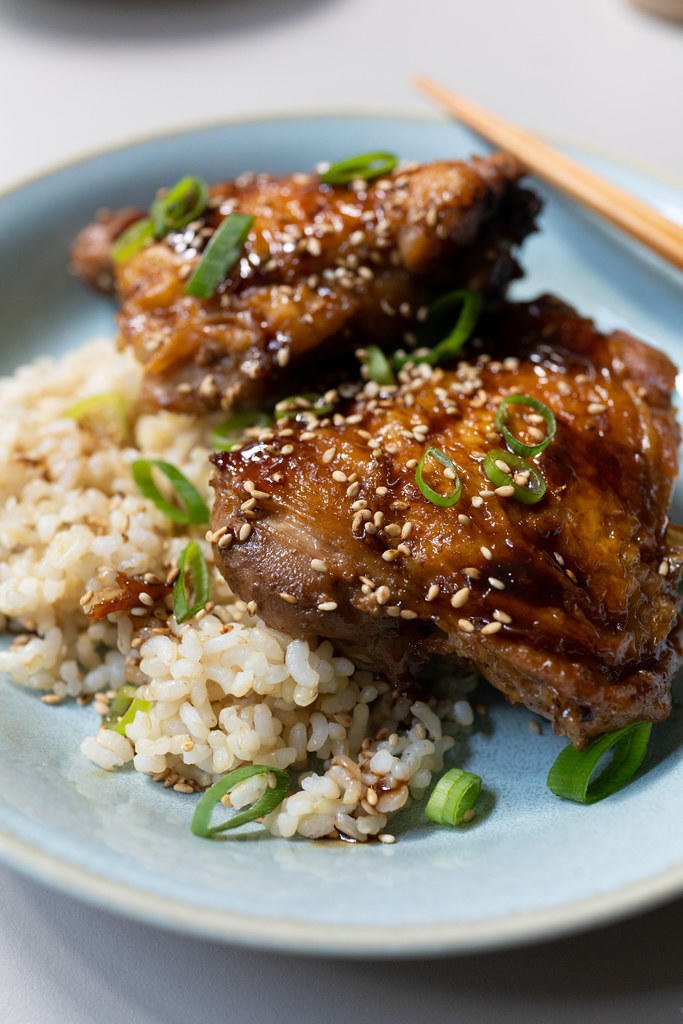
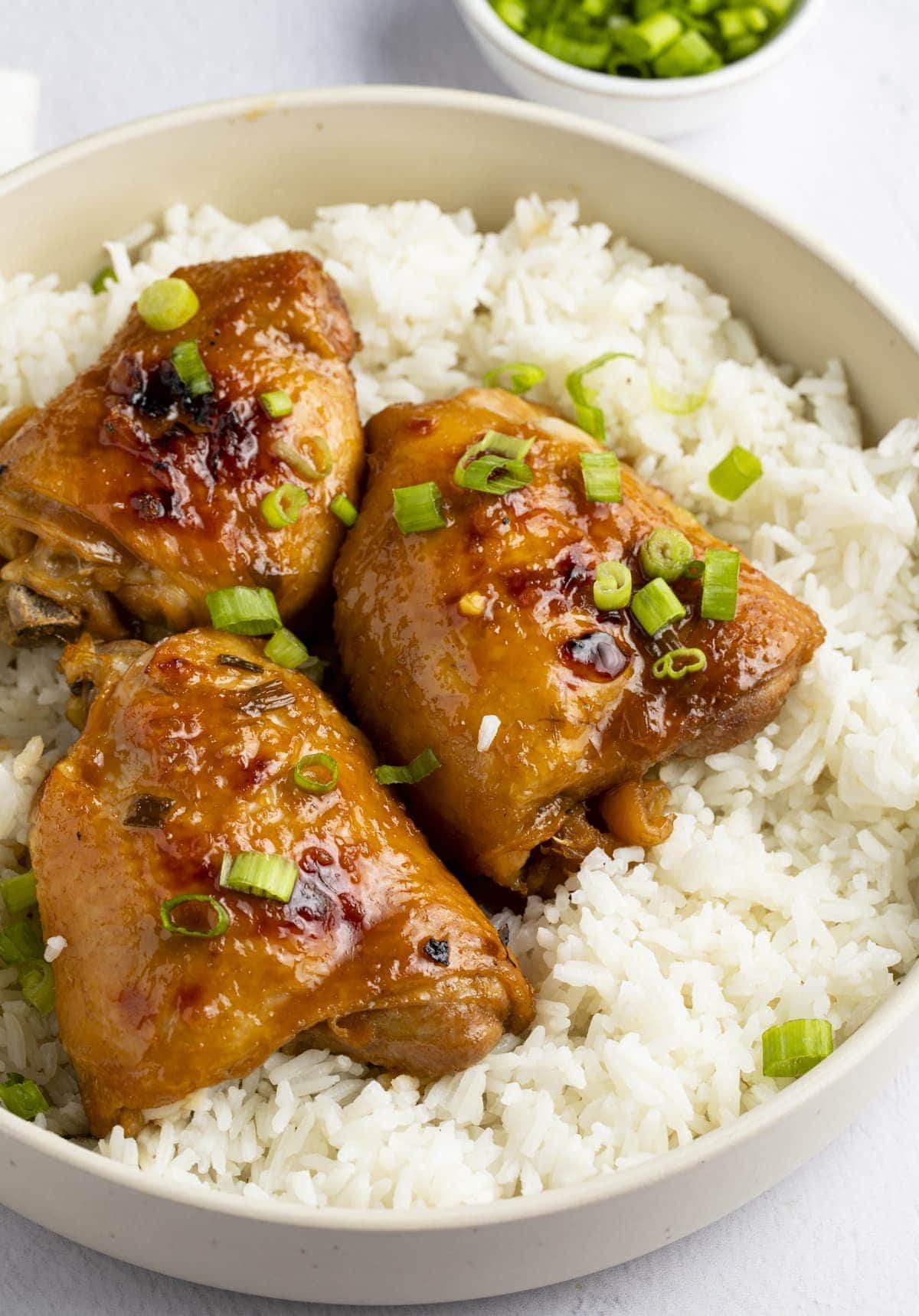
- Visual Appeal: The rich, glossy, dark brown color of well-prepared shoyu chicken is highly photogenic, making it ideal for social media marketing and food photography.
- Flavor Descriptions: Marketing materials often emphasize the “savory,” “umami-rich,” “tender,” and “slightly sweet” notes, creating an enticing sensory experience before the consumer even tastes it.
- Global Reach as a Case Study: The widespread popularity of shoyu chicken in various Asian countries and its growing presence in Western markets serve as a case study in successful culinary globalization. Brands that successfully introduce and adapt traditional dishes often find significant market traction.
H3: Reputation Management for Culinary Offerings
For restaurants and food businesses, maintaining a positive reputation for their shoyu chicken is paramount. This involves:
- Consistent Quality: Ensuring that every batch of shoyu chicken meets the expected standards for flavor, texture, and appearance.
- Customer Feedback: Actively soliciting and responding to customer reviews and feedback, whether positive or negative.
- Ingredient Sourcing: For brands emphasizing authenticity, transparently communicating the sourcing of key ingredients like premium shoyu can build trust.
H2: The Economics of Flavor: Personal Finance and Online Income from Shoyu Chicken
Beyond its culinary and cultural significance, shoyu chicken also has economic implications, influencing personal finance decisions and offering opportunities for online income.
H3: Personal Finance: Budget-Friendly and Flavorful Meals
Shoyu chicken, when prepared at home, is generally an economical dish.
- Cost-Effective Ingredients: Chicken is a relatively affordable protein, and the core flavoring agents like soy sauce, mirin, and aromatics are pantry staples for many.
- Maximizing Flavor, Minimizing Cost: The ability to create a deeply satisfying meal with simple, inexpensive ingredients makes shoyu chicken an excellent choice for budget-conscious individuals and families.
- Meal Prep Potential: Shoyu chicken can be made in larger batches and stored, providing convenient and flavorful meals for the week, thus saving money on eating out.
H3: Online Income Streams: Sharing the Shoyu Love
The internet has opened up numerous avenues for individuals to monetize their culinary skills, and shoyu chicken is no exception.
- Food Blogging and Vlogging: Aspiring chefs and home cooks can create blogs or YouTube channels dedicated to sharing their best shoyu chicken recipes and techniques. Monetization can come from advertising, affiliate marketing, sponsored content, and selling e-cookbooks.
- Online Cooking Classes: Offering live or pre-recorded online classes teaching how to make perfect shoyu chicken can be a lucrative venture.
- Selling Homemade Food Products: In regions where regulations permit, individuals can market and sell their homemade shoyu chicken through local channels or specialized online platforms.
- Affiliate Marketing of Culinary Tools and Ingredients: Recommending specific brands of shoyu, cookware, or kitchen gadgets used in shoyu chicken preparation can generate income through affiliate partnerships.
H3: Financial Tools for Culinary Entrepreneurs
For those looking to turn their passion for shoyu chicken into a business, various financial tools and resources can be beneficial:
- Budgeting Software: Essential for tracking expenses related to ingredient sourcing, packaging, and marketing.
- Online Payment Processors: Facilitating secure transactions for online sales or class bookings.
- Business Loan and Grant Information: For scaling up production or investing in professional equipment.
Conclusion: A Universally Appreciated Culinary Creation
From its humble origins to its global embrace, shoyu chicken stands as a testament to the power of simple ingredients and skillful preparation. The way we discover, understand, and even monetize this dish has been profoundly shaped by technological advancements and evolving branding strategies. Whether you’re a seasoned home cook looking for a new favorite or an aspiring culinary entrepreneur exploring income opportunities, the world of shoyu chicken offers a rich and rewarding landscape. It’s a dish that proves that with the right blend of flavor, technique, and a touch of modern ingenuity, a simple bowl of chicken can indeed conquer the world, one delicious bite at a time.
aViewFromTheCave is a participant in the Amazon Services LLC Associates Program, an affiliate advertising program designed to provide a means for sites to earn advertising fees by advertising and linking to Amazon.com. Amazon, the Amazon logo, AmazonSupply, and the AmazonSupply logo are trademarks of Amazon.com, Inc. or its affiliates. As an Amazon Associate we earn affiliate commissions from qualifying purchases.