
In the kaleidoscopic world of modern entertainment, where content abundance often blurs distinct identities, certain names resonate with an enduring clarity. Among these, “Showtime” stands out – not merely as a platform, but as a meticulously cultivated brand. For decades, Showtime has carved a significant niche within the pay-television and, more recently, streaming landscape, synonymous with compelling storytelling, premium original programming, and a distinct edgy sensibility. To truly grasp “what is Showtime” requires a deep dive into its brand strategy, its evolution, its content philosophy, and its strategic positioning in an increasingly crowded digital ecosystem. It is an examination of how a brand consistently differentiates itself, builds loyalty, and adapts to seismic industry shifts while retaining its core essence.
The Enduring Legacy: Showtime’s Brand Genesis and Evolution
The journey of Showtime is a compelling narrative of brand adaptation and strategic resilience. Born in an era dominated by traditional television, it has successfully transitioned into a formidable player in the digital streaming age, a testament to its strong foundational brand and its capacity for reinvention.
From Cable Contender to Streaming Powerhouse
Showtime officially launched in 1976 as a premium cable television service, initially conceived by Viacom to complement its existing cable operations. Its early mission was clear: to offer uncut, commercial-free movies and exclusive entertainment, differentiating itself in a market that was just beginning to explore the concept of pay-TV. In its nascent years, Showtime often found itself in direct competition with HBO, the undisputed pioneer in the premium cable space. This early rivalry profoundly shaped Showtime’s brand identity, forcing it to develop a distinct personality and content strategy to attract and retain subscribers.
Over the decades, Showtime evolved, moving beyond just movies to embrace original programming, a pivotal strategic shift that would define its brand for future generations. The late 1990s and early 2000s marked a golden age for premium cable, and Showtime capitalized on this, investing heavily in series that pushed boundaries and garnered critical acclaim. The advent of the streaming era, however, presented both an existential threat and an unprecedented opportunity. Recognizing the shifting consumer landscape, Showtime launched its standalone streaming service, Showtime Anytime (later simply Showtime, now integrated with Paramount+), in 2015. This move was crucial for the brand’s survival and growth, allowing it to reach cord-cutters and digital-first audiences while maintaining its premium appeal. The brand’s journey from a traditional linear channel to a robust multi-platform presence underscores its agility and commitment to meeting its audience wherever they are.
Cultivating a Distinct Voice: Early Brand Positioning
In the shadow of its larger competitor, HBO, Showtime deliberately cultivated a brand voice that was often perceived as edgier, more irreverent, and sometimes more willing to take creative risks. While HBO built its brand around prestige and groundbreaking dramas, Showtime often leaned into narratives with a darker humor, a psychological complexity, or a more explicit exploration of mature themes. This early positioning was not just about content; it was about building a distinct brand personality.
Showtime’s marketing campaigns often played on this “alternative” appeal, targeting viewers who sought something different, something perhaps a bit more subversive than the mainstream. They positioned themselves as the home for compelling stories that might not find a home elsewhere, fostering a brand image associated with creative freedom and artistic integrity. This strategy helped Showtime carve out a loyal viewership, establishing a brand identity that was synonymous with quality, albeit with a unique, often bold, flavor. This foundational brand work in its early years laid the groundwork for the iconic series that would later define its content strategy.
Content as the Cornerstone: Pillars of the Showtime Brand Identity
At the heart of Showtime’s brand lies its content. In the entertainment industry, content is not just programming; it is the primary expression of a brand’s identity, its values, and its promise to the audience. Showtime’s commitment to distinctive, high-quality programming has been its most potent brand differentiator.
Original Programming: The Signature of Showtime
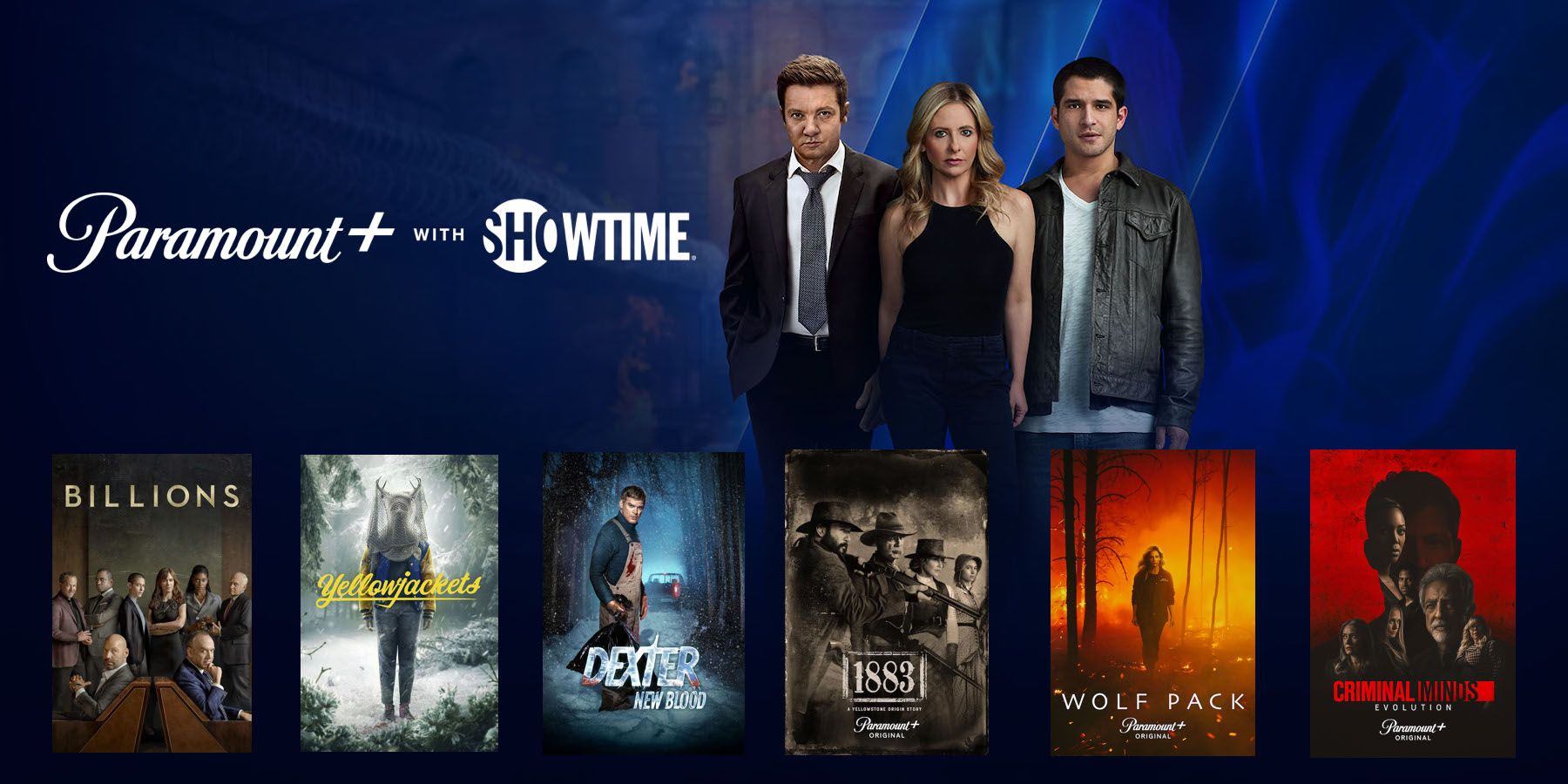
Showtime’s original series have become the indelible signature of its brand. Shows like Dexter, with its morally ambiguous protagonist; Homeland, a thrilling exploration of espionage and psychological drama; Billions, a sharp, witty dive into the world of high finance; and the critically acclaimed Yellowjackets, a genre-bending mystery, exemplify the Showtime brand. These series are not merely popular; they embody specific characteristics that define the brand:
- Complex Characters: Showtime often gravitates towards anti-heroes and multi-dimensional characters, challenging viewers to engage with moral ambiguities. This fosters a brand reputation for intelligent, thought-provoking drama.
- Genre Blending and Innovation: Many Showtime series deftly blend genres—drama with dark comedy, psychological thriller with horror—creating unique viewing experiences that stand apart. This positions the brand as a home for innovative storytelling.
- Maturity and Depth: While often explicit, Showtime’s content generally uses mature themes to explore deeper human experiences, social issues, and psychological landscapes, rather than for shock value alone. This reinforces its brand as a premium service for adult audiences seeking substantive narratives.
- Long-Form Storytelling: The commitment to multi-season arcs allows for profound character development and intricate plotlines, solidifying a brand promise of immersive and satisfying viewing experiences.
These signature series do more than just attract subscribers; they cultivate a perception of Showtime as a destination for sophisticated, often edgy, and always engaging television. They are the tangible manifestation of the brand’s promise and the primary driver of its distinct identity in the market.
Curated Experiences: Movies, Sports, and Documentaries
While original series form the backbone of the Showtime brand, its curated selection of movies, sports, and documentaries plays a crucial supporting role in reinforcing its premium status and broadening its appeal. Unlike broadcast television, Showtime’s film library has always been a key draw, offering recent blockbusters, critically acclaimed independent films, and cult classics, all presented commercial-free. This commitment to a diverse and high-quality film offering enhances the brand’s value proposition and caters to cinephiles.
Furthermore, Showtime has historically been a significant player in premium sports, particularly boxing. Its “Championship Boxing” series, featuring some of the sport’s biggest names and most anticipated matchups, became a powerful brand extension. This association with high-stakes, exclusive live events injected an element of adrenaline and prestige into the Showtime brand, attracting a different segment of the audience while reinforcing its premium tier.
Finally, Showtime’s investment in compelling documentaries, often exploring socially relevant issues, true crime, or unique cultural phenomena, adds another layer of depth to its brand. These documentaries frequently garner critical praise and awards, burnishing Showtime’s image as a platform committed to high-quality, impactful storytelling across various formats. Collectively, these curated experiences ensure that the Showtime brand delivers a comprehensive premium entertainment package, reinforcing its core identity beyond just its flagship series.
Strategic Branding in a Fragmented Market: Showtime’s Competitive Edge
The entertainment landscape has transformed dramatically, evolving from a few cable giants to an explosion of streaming services. In this fiercely competitive environment, Showtime’s ability to maintain its brand identity and differentiate itself is paramount.
Brand Differentiation in the Streaming Wars

The rise of streaming has led to an unprecedented fragmentation of content and audience attention. Netflix, Max (formerly HBO Max), Prime Video, Disney+, Hulu, Peacock, and numerous others vie for subscriber dollars. In this crowded arena, simply offering “good content” is no longer enough; a brand must articulate a clear, compelling reason for its existence.
Showtime differentiates itself by doubling down on its established brand personality:
- Niche Focus, Premium Quality: While some streamers aim for broad appeal, Showtime leverages its established reputation for specific types of mature, complex dramas and comedies. This targeted approach allows it to cultivate a dedicated fan base that values its particular brand of storytelling.
- Artistic Integrity: The brand consistently positions itself as a home for creators to tell stories that might be too unconventional or edgy for mainstream platforms. This appeals to discerning viewers who appreciate creative freedom and depth.
- Curated Experience: Unlike some platforms with an overwhelming library, Showtime emphasizes a more curated selection, suggesting that every piece of content has met a high bar of quality and fits within the brand’s aesthetic.
By adhering to these principles, Showtime avoids being just “another streaming service.” Instead, it solidifies its brand as a distinctive voice, a destination for those seeking specific kinds of premium, intelligent entertainment that resonates with its unique brand ethos.
Brand Architecture and Partnerships
A significant development in Showtime’s recent brand strategy has been its integration with Paramount+. In 2023, Paramount Global (parent company of both) rebranded the premium streaming tier of Paramount+ to “Paramount+ with Showtime,” and eventually began phasing out the standalone Showtime app. This strategic move represents a complex brand architecture challenge and opportunity.
From a brand perspective, this integration aims to achieve several goals:
- Enhanced Value Proposition: By combining two strong brands under one subscription, Paramount+ with Showtime offers a more compelling bundle, theoretically attracting more subscribers by providing a broader array of content. The Showtime brand, with its prestige dramas, elevates the perceived value of the Paramount+ offering.
- Streamlined User Experience: Consolidating content onto a single platform simplifies discovery and access for consumers, reducing subscription fatigue and enhancing the overall brand experience.
- Leveraging Synergies: The partnership allows for cross-promotion and shared resources, amplifying the reach of both content libraries. Showtime’s premium content can attract viewers to Paramount+, who might then discover other Paramount-owned franchises, and vice versa.
However, this integration also poses brand risks. The challenge lies in maintaining Showtime’s distinct identity and premium perception within a broader, more general entertainment platform. The brand needs to ensure that its signature content remains easily discoverable and that its unique voice isn’t diluted by the vastness of the Paramount+ library. The success of this brand architecture will depend on how effectively Paramount Global continues to market and position “Showtime” as a distinct, premium content pillar within the larger ecosystem, rather than just another content tab.
The Brand Experience: Engaging the Modern Audience
Beyond content and strategy, the brand experience is crucial for contemporary media entities. How users interact with the platform, and how the brand communicates, significantly shapes perception and loyalty.
Crafting the Digital Interface: UX/UI as a Brand Extension
In the streaming age, the user experience (UX) and user interface (UI) of a platform are direct extensions of its brand. A clunky, unintuitive interface can quickly erode the premium perception a brand works so hard to build. For Showtime, a brand built on quality and sophistication, its digital interface must reflect these values.
The design of the Showtime streaming app (and now, its integration within Paramount+) aims for a clean, sophisticated, and easy-to-navigate experience. Content curation, personalized recommendations, and seamless playback are not just technical features; they are brand promises. A well-designed interface that allows users to effortlessly discover and enjoy its premium content reinforces the brand’s commitment to quality and convenience. Conversely, technical glitches or a confusing layout can undermine the brand’s credibility, even if the content itself is excellent. Therefore, the continuous refinement of the digital experience is a critical component of Showtime’s brand maintenance.
Marketing and Audience Engagement: Beyond the Screen
Effective marketing and robust audience engagement are vital for sustaining a brand’s relevance. Showtime’s marketing strategies consistently amplify its brand identity. Its campaigns for new series are typically sleek, dramatic, and indicative of the edgy, high-quality content viewers can expect. These campaigns are designed not just to promote a show, but to reinforce the overall Showtime brand promise.
Social media plays a crucial role in modern audience engagement. Showtime leverages platforms like X (formerly Twitter), Instagram, and Facebook to foster communities around its shows, share behind-the-scenes content, engage in fan discussions, and build anticipation for upcoming releases. This direct interaction helps build loyalty and makes the brand feel more accessible and responsive. Furthermore, partnerships, exclusive content previews, and promotional events contribute to a holistic brand experience that extends beyond simply watching content, transforming viewers into brand advocates. By consistently communicating its unique voice and engaging its audience on multiple touchpoints, Showtime reinforces its position as a premium entertainment brand.
The Future Trajectory: Adapting the Showtime Brand for Tomorrow
The entertainment industry is in a perpetual state of flux, driven by technological advancements, evolving consumer behaviors, and intensified competition. For a brand like Showtime, maintaining relevance means constant innovation and strategic foresight.
Innovation and Content Strategy
The future of the Showtime brand will undoubtedly be shaped by its continued commitment to innovative content. This means not only investing in new seasons of beloved series but also actively seeking out fresh voices, exploring new genres, and experimenting with narrative formats. The brand must remain agile, identifying emerging trends and commissioning projects that resonate with contemporary audiences while staying true to its core identity.
Moreover, the integration with Paramount+ offers new avenues for content strategy. How will Showtime leverage Paramount’s broader production capabilities and intellectual property while preserving its distinctive creative independence? Will there be opportunities for shared universes or crossover events that enhance both brands? The intelligent expansion of its content slate, balancing artistic risk with commercial appeal, will be critical for the Showtime brand’s long-term vibrancy.

Maintaining Brand Relevance in a Dynamic Ecosystem
The challenge for Showtime, as with any established brand in a dynamic industry, is to continually adapt without losing its essence. The “Showtime” brand evokes a certain expectation of premium, sophisticated, and often boundary-pushing entertainment. As the streaming market matures and consolidates, maintaining this distinct identity becomes even more vital.
This means continuously analyzing market trends, understanding audience preferences, and being prepared to pivot where necessary, while remaining anchored to its foundational brand pillars. The success of the Paramount+ with Showtime integration will be a key determinant, as will the brand’s ability to consistently deliver critically acclaimed and culturally resonant programming. In an era where attention is the most valuable currency, the Showtime brand must continue to offer a compelling, differentiated experience that justifies its premium position and continues to captivate discerning viewers worldwide.
aViewFromTheCave is a participant in the Amazon Services LLC Associates Program, an affiliate advertising program designed to provide a means for sites to earn advertising fees by advertising and linking to Amazon.com. Amazon, the Amazon logo, AmazonSupply, and the AmazonSupply logo are trademarks of Amazon.com, Inc. or its affiliates. As an Amazon Associate we earn affiliate commissions from qualifying purchases.