
Shochu. The name itself evokes a certain mystique, a whisper from the Land of the Rising Sun. For many outside of Japan, it remains an enigma, often confused with its more globally recognized cousin, sake. Yet, shochu is a spirit with a rich history, a diverse character, and a burgeoning presence on the international stage, offering a compelling case study in Japanese craftsmanship, regional identity, and strategic brand evolution. This article delves into the multifaceted world of shochu, exploring its origins, production, varieties, and the branding strategies that are shaping its perception and market penetration.
The Genesis and Evolution of a Spirit: From Necessity to National Treasure
The story of shochu is deeply interwoven with the history of distillation in Japan. While the exact timeline is debated, it is widely accepted that distillation techniques, likely originating from China, were introduced to Japan sometime in the 15th century. Initially, distillation was a practical application, a way to concentrate the alcoholic content of fermented grains and other agricultural products, primarily for medicinal purposes or to preserve surplus harvests.
Early Distillation and Regional Beginnings
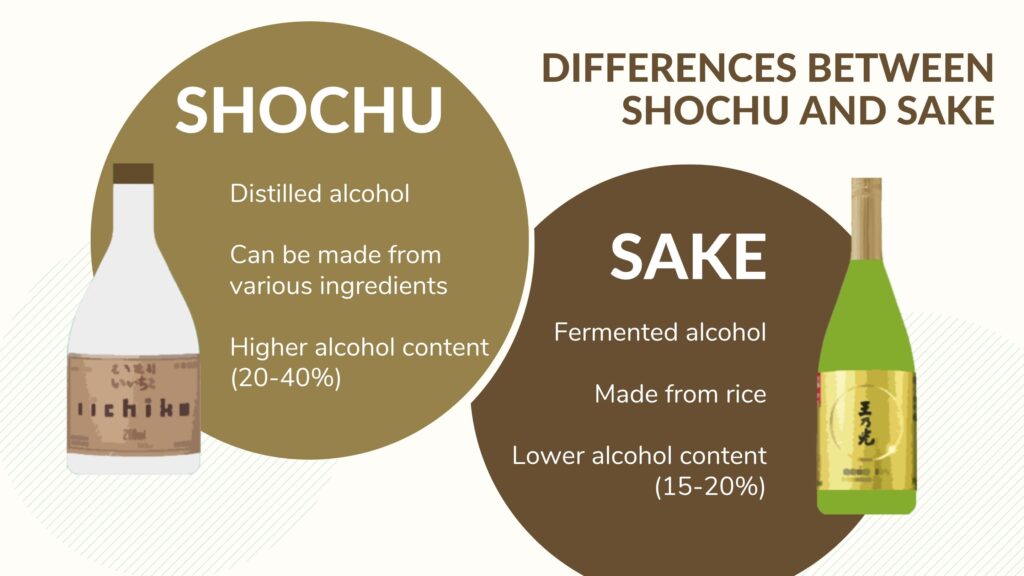
The earliest documented evidence of shochu production points to the islands of Kyushu and Okinawa. These southern regions, with their warmer climates and abundance of agricultural resources like sweet potatoes, rice, barley, and buckwheat, became the cradle of shochu making. Unlike sake, which is brewed from rice and has a lower alcohol content, shochu is distilled, allowing for a higher proof and a more concentrated flavor profile.
The initial forms of shochu were likely rudimentary, produced by local communities for their own consumption. These early spirits, often made from a single ingredient, laid the groundwork for the diverse range of shochu that exists today. The development of specialized stills and improved techniques over centuries gradually refined the process, leading to a more consistent and nuanced spirit.
The Rise of a Distinct Category
For a long time, shochu existed in the shadow of sake, Japan’s more established alcoholic beverage. However, the post-World War II era saw a significant shift. With economic reconstruction and a growing demand for affordable, yet high-quality alcoholic drinks, shochu began to gain wider popularity. The Japanese government’s involvement in standardizing production and labeling also played a crucial role in elevating its status and differentiating it from less refined spirits.
Crucially, a distinction emerged between honkaku shochu (authentic shochu) and korui shochu (multi-distilled shochu). Honkaku shochu is produced using a single distillation process, preserving the nuanced flavors of the base ingredients. Korui shochu, on the other hand, undergoes multiple distillations, resulting in a cleaner, smoother spirit with a higher alcohol content, often used as a base for cocktails. This categorization became a cornerstone of shochu’s branding, allowing consumers to understand the quality and character of the spirit they were choosing.
The Art of Shochu Production: A Symphony of Ingredients and Techniques
The defining characteristic of shochu lies in its diverse base ingredients and the meticulous, often traditional, methods employed in its production. This variety is not merely a matter of choice; it’s a testament to Japan’s agricultural heritage and the dedication of its distillers to capturing the essence of their regional terroir.
The Foundation: Diverse Base Ingredients
Unlike sake, which is exclusively made from rice, shochu can be distilled from a remarkable array of agricultural products. This broad palette of ingredients is a key differentiator and a primary driver of its diverse flavor profiles.
- Kome Shochu (Rice Shochu): Often considered the most refined and elegant, rice shochu is known for its delicate, smooth, and slightly sweet character. It frequently exhibits subtle floral or nutty notes, reminiscent of high-quality sake but with a distinct spirituous backbone.
- Imo Shochu (Sweet Potato Shochu): Hailing predominantly from Kyushu, particularly Kagoshima, imo shochu is perhaps the most iconic and widely recognized type. It’s characterized by its robust, earthy, and often slightly sweet flavor profile, with distinct notes of sweet potato that can range from deeply caramelized to subtly vegetal. It’s known for its bold character and lingering finish.
- Mugi Shochu (Barley Shochu): Primarily produced in Kyushu, mugi shochu offers a lighter, cleaner, and more approachable profile compared to imo shochu. It often exhibits nutty, slightly malty, and sometimes even subtly smoky notes, making it a versatile choice.
- Soba Shochu (Buckwheat Shochu): Originating from regions like Nagano, soba shochu is distinguished by its unique, slightly earthy, and nutty aroma and taste. It often has a clean, dry finish and can carry hints of toasted buckwheat.
- Kokuto Shochu (Brown Sugar Shochu): A specialty of the Amami Islands, kokuto shochu is made from sugarcane and black sugar (kokuto). This unique ingredient imparts a rich, complex sweetness and a deep, almost rum-like flavor, with notes of molasses, caramel, and tropical fruit.
- Other Ingredients: While less common, shochu can also be made from ingredients like rice koji alone, chestnuts, sesame seeds, and even carrots, showcasing the boundless innovation within the category.
The Alchemy of Distillation and Fermentation

The process of making shochu is a delicate balance of traditional techniques and scientific precision. It begins with the preparation of the base ingredient, which is then fermented with koji (a mold, typically Aspergillus oryzae or Aspergillus kawachii), the same essential ingredient used in sake. The koji enzyme converts the starches in the base ingredient into sugars, which yeast then ferments into alcohol.
This fermented mash, known as moromi, is then distilled. The method of distillation plays a crucial role in the final character of the shochu:
- Single Distillation (Honkaku): This method, often referred to as “pot still” or “atmospheric distillation,” is used for honkaku shochu. The moromi is distilled once, capturing a more concentrated and complex array of flavors and aromas from the base ingredient. This process is highly prized for its ability to retain the distinctive character of the raw materials.
- Multiple Distillation (Korui): This process, often using column stills, is employed for korui shochu. Multiple distillations strip away more of the congeners, resulting in a purer, lighter spirit with a higher alcohol content. This method prioritizes neutrality and smoothness, making it ideal for mixing.
Following distillation, shochu is typically aged, though often for shorter periods than whiskies or brandies. Aging can take place in stainless steel tanks, ceramic jars (kame), or wooden barrels. Each aging vessel imparts different characteristics, with wooden barrels adding complexity, color, and subtle woody notes. The final step involves dilution with water to reach the desired drinking strength, which typically ranges from 20% to 45% ABV.
Branding Shochu: Navigating Tradition and Global Appeal
The journey of shochu from a humble, regional spirit to an increasingly recognized global contender is a testament to effective branding and marketing strategies. This involves not only highlighting its unique qualities but also strategically positioning it within the competitive landscape of international spirits.
The Power of Terroir and Tradition: Regional Identity as a Brand Pillar
A significant aspect of shochu’s brand identity is its deep connection to specific regions within Japan. Like wine appellations, many shochu producers proudly emphasize their geographical origins and the unique environmental factors – soil, climate, water sources – that contribute to the distinctive character of their spirits. This concept of terroir is a powerful branding tool, evoking authenticity and a sense of place.
- Kyushu’s Dominance: Kyushu, particularly Kagoshima and Oita prefectures, is the heartland of shochu production. The sweet potato-based imo shochu from Kagoshima, with its rich, bold flavors, has become a symbol of the region. Barley shochu from Oita, often lighter and more delicate, offers a distinct regional variation.
- Okinawa’s Unique Spirit: The Amami Islands, south of Kyushu and north of Okinawa, produce kokuto shochu, a distinct category with its own heritage and flavor profile. The strong cultural identity of these islands is intrinsically linked to their unique spirit.
- Hokkaido’s Innovation: While not a traditional shochu region, Hokkaido has emerged as a producer of rice and barley shochu, often leveraging its pristine water sources and modern distillation techniques.
The branding of shochu often plays on these regional narratives. Labels, marketing materials, and producer stories frequently feature imagery and language that evoke the natural beauty, historical significance, and cultural traditions of their respective production areas. This allows consumers to connect with the spirit on a deeper level, beyond just its taste.
Evolving Perceptions: From “Everyday Drink” to “Craft Spirit”
Historically, shochu was often perceived as an everyday, affordable spirit in Japan, consumed in casual settings like izakayas (Japanese pubs) or enjoyed straight (ippon-nomi), on the rocks, or mixed with hot or cold water (oyuwari, mizuwari). While this aspect remains, there has been a deliberate and successful effort to elevate shochu’s image, particularly in international markets.
- The “Craft” Narrative: The resurgence of interest in honkaku shochu has fueled a narrative of artisanal craftsmanship. Producers are emphasizing the traditional brewing methods, the quality of ingredients, and the dedication to small-batch production. This positions shochu alongside other premium craft spirits, appealing to consumers seeking unique and authentic experiences.
- Versatility in Mixology: The versatility of shochu, especially its cleaner korui counterparts, has made it a popular choice for bartenders worldwide. As cocktail culture has flourished, shochu has found its place in a variety of modern and classic drinks, showcasing its ability to adapt and integrate into diverse beverage trends. Marketing efforts often highlight these mixological possibilities, reaching a younger, more cosmopolitan demographic.
- Educational Initiatives: Brands and industry organizations are investing in educating consumers and trade professionals about shochu. This involves tasting events, distillery tours (where possible), and providing clear information about the different types, production methods, and ideal serving suggestions. This demystification is crucial for broadening its appeal beyond the familiar.
Competing and Collaborating: Shochu in the Global Spirits Market
In the global spirits arena, shochu faces competition from established categories like vodka, gin, rum, and whisky. However, its unique origin story, diverse flavor profiles, and emphasis on tradition offer distinct advantages.
- Differentiation Strategy: Shochu’s branding often focuses on what makes it unique: its Japanese heritage, its agricultural diversity, and its singular distillation process. This differentiation is key to carving out a niche in a crowded market.
- Partnerships and Exports: Japanese shochu producers are increasingly looking to export markets. Strategic partnerships with distributors and importers, participation in international spirits competitions, and collaborations with chefs and mixologists are vital components of this expansion.
- Authenticity as an Asset: In an era where consumers increasingly value authenticity and provenance, shochu, with its deeply rooted traditions and regional identities, is well-positioned to thrive. The challenge, and indeed the ongoing branding opportunity, lies in effectively communicating this authenticity to a global audience, ensuring that the enigma of shochu transforms into a celebrated appreciation.
In conclusion, shochu is far more than just a Japanese distilled beverage. It is a product of centuries of tradition, a reflection of Japan’s agricultural bounty, and a spirit undergoing a dynamic brand evolution. From its humble beginnings to its sophisticated modern presentation, understanding shochu means appreciating the artistry of its production, the diversity of its character, and the compelling brand narratives that are propelling it onto the world stage.
aViewFromTheCave is a participant in the Amazon Services LLC Associates Program, an affiliate advertising program designed to provide a means for sites to earn advertising fees by advertising and linking to Amazon.com. Amazon, the Amazon logo, AmazonSupply, and the AmazonSupply logo are trademarks of Amazon.com, Inc. or its affiliates. As an Amazon Associate we earn affiliate commissions from qualifying purchases.