
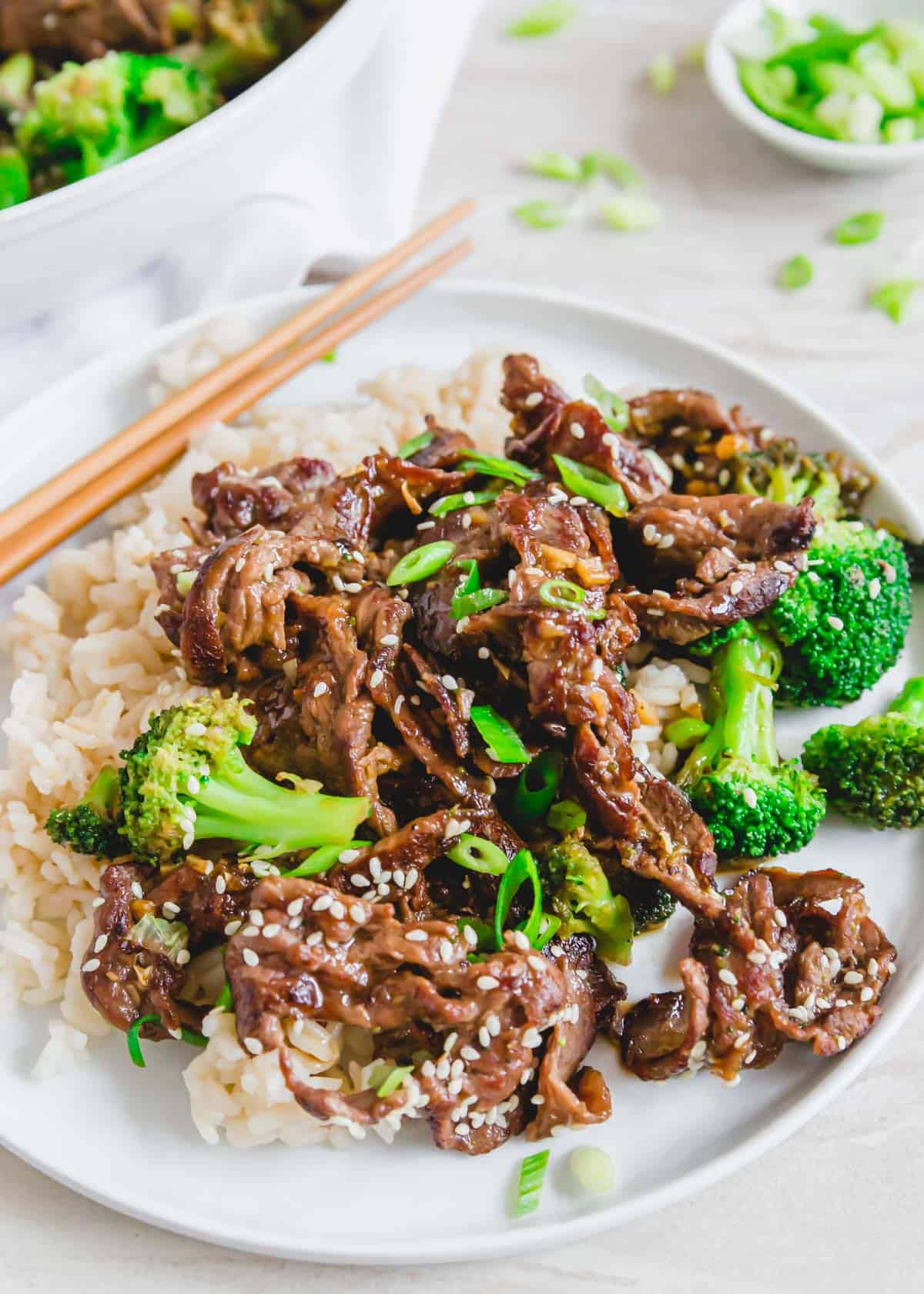
In the complex landscape of the global food commodity market, “shaved beef steak” represents more than just a culinary ingredient; it is a sophisticated solution to a fundamental economic problem: yield optimization. From a financial and business perspective, shaved beef steak refers to beef—typically sourced from specific primal cuts like the ribeye, top round, or flank—that has been mechanically sliced to a thickness often measured in millimeters. This process is a strategic maneuver within the meat processing industry to transform bulk protein into a high-margin, value-added product that serves both the retail consumer and the high-volume food service sector.
To understand the business of shaved beef, one must look past the butcher counter and into the mechanics of margin expansion, supply chain efficiency, and the shifting landscape of consumer spending. In an era of fluctuating grain prices and rising labor costs, the ability to “shave” a product allows processors to capture value that traditional butchery often leaves on the table.
The Commodity Value Chain: Defining Shaved Beef in a Financial Context
At its core, the production of shaved beef steak is a study in maximizing the “cutout value” of a bovine carcass. In the meat industry, the “cutout” refers to the total value of the individual cuts of meat derived from a carcass after processing. When a processor looks at a sub-primal cut, they are essentially looking at an asset that must be liquidated for the highest possible return.
Yield Optimization and Margin Expansion
Traditional steaks, such as a thick-cut New York Strip or a Filet Mignon, command a high price per pound but are limited by their weight and the specific physical requirements of the cut. Shaved beef steak, however, allows processors to utilize “secondary” cuts that might lack the tenderness required for a traditional steak but possess excellent flavor profiles.
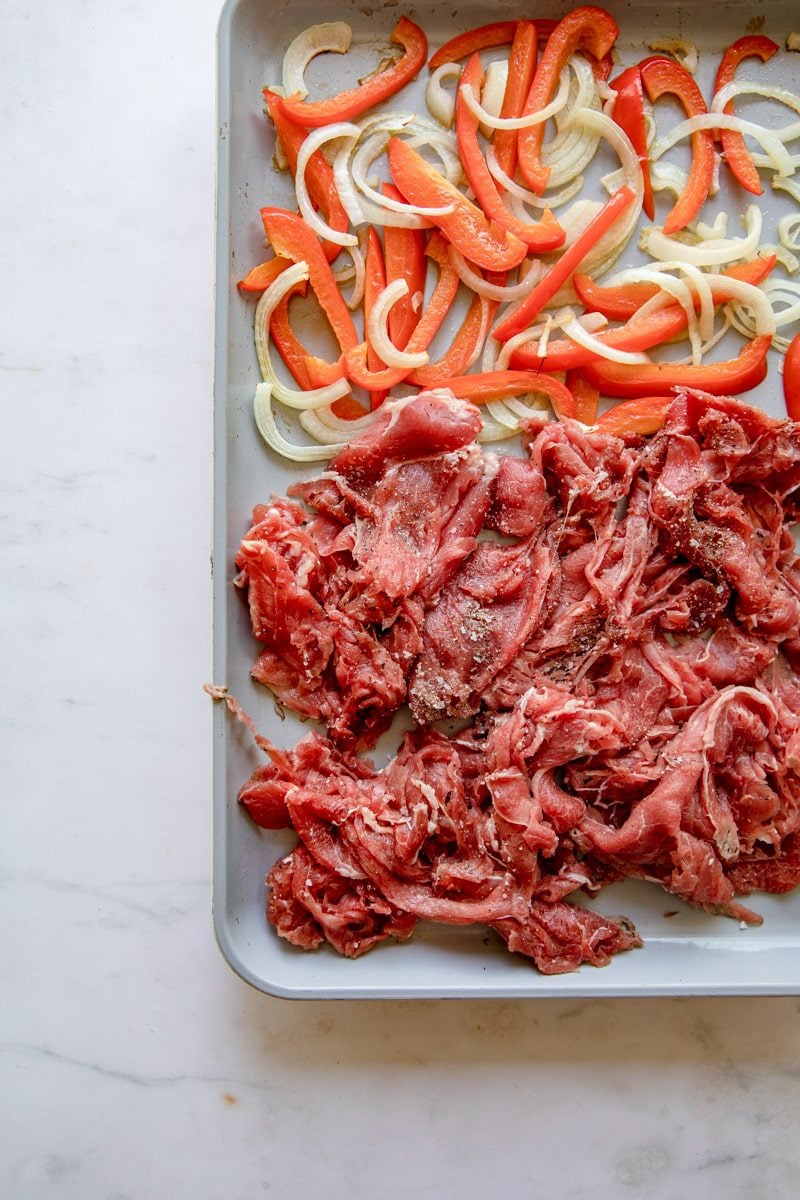
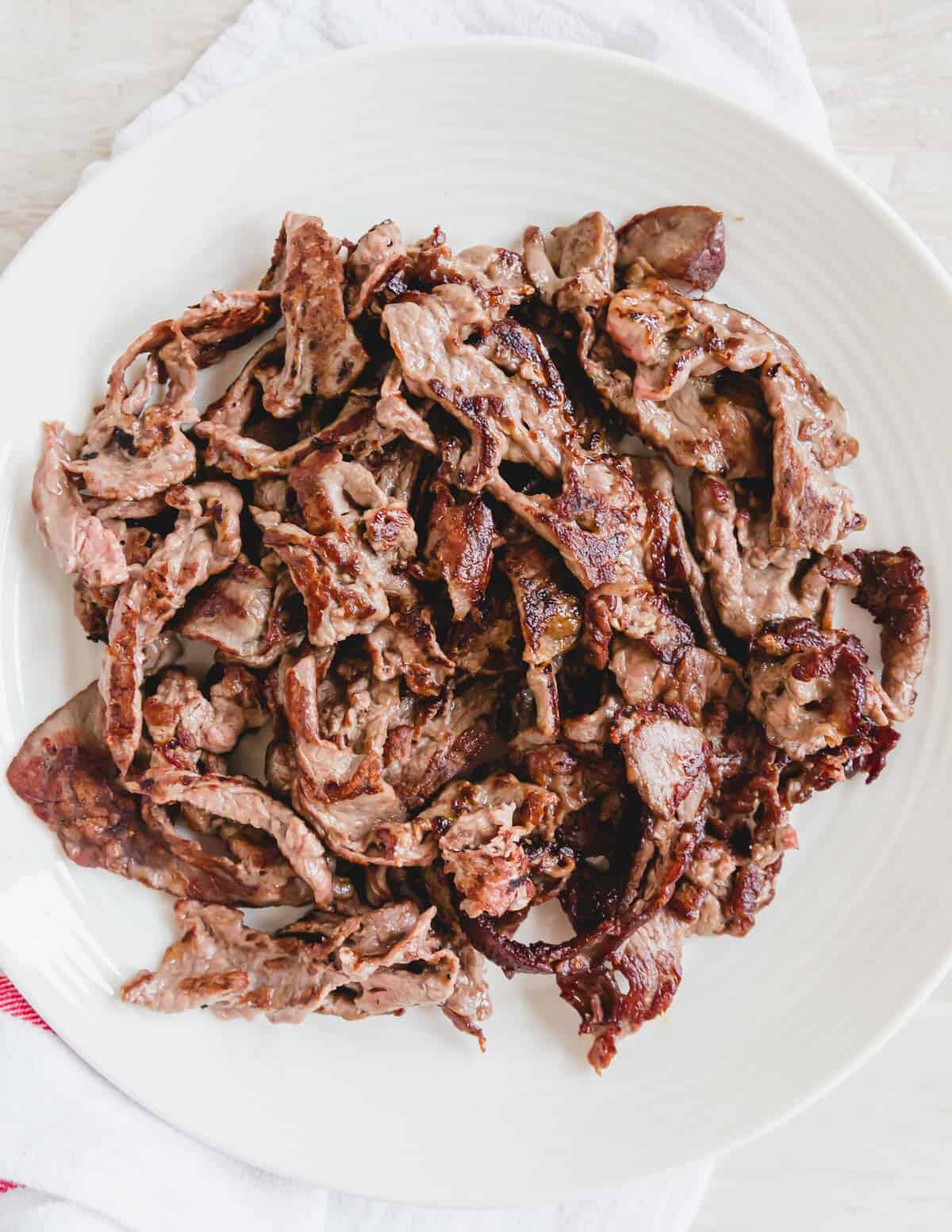
By shaving these cuts—often while semi-frozen to ensure precision—processors increase the surface area of the meat. Financially, this is significant because it changes the consumer’s perception of volume. A six-ounce portion of shaved beef appears much larger on a plate or in a sandwich than a six-ounce sirloin. This “perceived volume” allows food service operators to maintain lower food cost percentages while delivering a satisfying portion size to the end customer. For the processor, shaving beef is a way to move high volumes of sub-primal inventory at a price point that often exceeds the per-pound price of the whole muscle meat.
The Role of Industrial Processing in Cost Reduction
The business model of shaved beef relies heavily on industrial slicing technology. High-speed, automated slicers can process thousands of pounds of beef per hour with minimal human intervention. This automation is a critical component of the “Money” side of the industry. By reducing the labor-intensive nature of traditional butchery, companies can lower their operational expenditures (OPEX) and mitigate the risks associated with labor shortages in the meatpacking sector.
Furthermore, the consistency provided by industrial slicing ensures “portion control”—a holy grail in the restaurant business. When every slice is uniform, the cost per serving becomes a fixed, predictable variable in a restaurant’s profit and loss (P&L) statement. This predictability is why shaved beef is a staple in massive franchise operations, such as those specializing in Philly cheesesteaks or Mongolian barbecue.
Supply Chain Logistics and the Economics of “Thin-Cut” Inventory
The logistics of shaved beef are governed by the “cold chain”—the temperature-controlled supply chain required to maintain food safety and quality. However, shaved beef presents unique logistical challenges and opportunities that differ from whole-muscle cuts.
Inventory Turnover and Shelf-Life Management
From a retail perspective, shaved beef steak is often sold in vacuum-sealed or modified atmosphere packaging (MAP). These technologies are capital-intensive but provide a necessary extension of shelf life. In the world of grocery retail, “shrink” (spoilage) is a direct hit to the bottom line. Shaved beef, because of its high surface area, is more susceptible to oxidation than a whole roast. Therefore, the business of shaved beef is also the business of advanced packaging.
Retailers favor shaved beef because it has a high inventory turnover ratio. It is marketed as a “convenience” item—appealing to the “quick-meal” demographic. By positioning shaved beef as a solution for busy households, retailers can command a premium. The price per pound for shaved beef at a standard grocery store is often 20% to 40% higher than the price of the bulk roast from which it was cut. This “convenience tax” is a significant revenue driver for meat departments.
Global Trade and the Import/Export of Secondary Primal Cuts
The shaved beef market is also influenced by global trade dynamics. Many processors in the United States and Europe import lean beef from markets like Australia, New Zealand, or Brazil to blend or use as the base for shaved products. The financial decision to import is based on the “lean-to-fat” ratio required for specific shaved products.
For instance, if domestic corn-fed beef is too fatty for a specific shaved steak application, a company will leverage global arbitrage to find leaner, grass-fed assets abroad. This global sourcing strategy allows companies to stabilize their raw material costs against domestic price spikes, ensuring a consistent price point for their wholesale contracts.
The Market for Convenience: Consumer Spending Trends
The demand for shaved beef steak is a direct reflection of broader economic trends, specifically the “convenience economy.” As consumer time becomes more fragmented, the willingness to pay for pre-processed, “ready-to-cook” proteins has surged.
The Rise of High-Protein, Low-Effort Financial Models
The modern consumer is increasingly health-conscious but time-poor. Shaved beef fits perfectly into this niche. Because the meat is so thin, its cook time is measured in seconds rather than minutes. This utility makes it a preferred choice for the “home-meal replacement” market.
From a business strategy standpoint, companies like Steak-umm or private-label grocery brands have capitalized on this by branding shaved beef as a versatile “kit” component. Whether for stir-fry, sandwiches, or tacos, the product is sold as a time-saving tool. For the business, this means the product is less sensitive to price fluctuations than luxury cuts. Even as inflation rises, consumers are often more willing to cut back on expensive ribeyes than they are on the versatile, relatively affordable shaved beef that feeds a family quickly.
Inflation and the Shift Toward Value-Added Meat Products
During periods of high inflation, the meat industry often sees a “flight to value.” However, “value” does not always mean the cheapest total price; it often means the best utility. Shaved beef steak occupies a unique position where it can be marketed as an affordable luxury. By utilizing smaller amounts of meat to create high-impact meals, consumers feel they are stretching their dollar further.
For the producer, this shift is an opportunity to move “overstock” cuts. If the market for expensive roasts softens because consumers are tightening their belts, the processor can pivot that inventory into the shaved beef line. This ability to re-categorize assets based on real-time market demand is a crucial risk-management strategy in the volatile protein sector.
Investing in Meat Processing Technology and Automation
The future of the shaved beef market is inextricably linked to technological investment. As meat processing becomes increasingly digitized, the companies that “win” are those that can slice thinner, faster, and with less waste.
Capex and the ROI of Precision Slicing Equipment
For a meat processing firm, the decision to enter the shaved beef market involves significant capital expenditure (CAPEX). High-end industrial slicers—capable of maintaining tolerances within fractions of a millimeter while handling frozen blocks of beef—can cost hundreds of thousands of dollars.
The return on investment (ROI) for this equipment is calculated through “kerf reduction” (reducing the amount of meat lost to the blade) and increased throughput. In a high-volume environment, saving even 1% of the product weight from being lost as “meat dust” during the slicing process can result in millions of dollars in additional annual revenue. Precision is not just a quality standard; it is a financial imperative.
Labor Shortages and the Automation of the Butcher Block
The meatpacking industry has historically been one of the most labor-intensive sectors of the economy. However, the business of shaved beef is leading the charge toward a “lights-out” processing model. Automated systems can now take a sub-primal cut, scan it for fat content and bone fragments using X-ray technology, and then feed it into a slicer that adjusts its speed based on the density of the meat.
This move toward automation reduces the “human risk” factor—injuries, labor disputes, and inconsistent quality. From an investor’s perspective, companies that heavily automate their shaved beef production lines represent a more “defensible” business model. They are less exposed to the rising costs of manual labor and can maintain higher margins even in a competitive retail environment.
In summary, shaved beef steak is a masterclass in modern food business. It is a product that exists at the intersection of industrial engineering, psychological marketing, and savvy yield management. For the consumer, it is a quick dinner; for the industry, it is a high-margin vehicle for extracting maximum value from every pound of beef processed. As technology continues to evolve, the business of “shaving” will only become more precise, more automated, and more central to the financial health of the global meat industry.
aViewFromTheCave is a participant in the Amazon Services LLC Associates Program, an affiliate advertising program designed to provide a means for sites to earn advertising fees by advertising and linking to Amazon.com. Amazon, the Amazon logo, AmazonSupply, and the AmazonSupply logo are trademarks of Amazon.com, Inc. or its affiliates. As an Amazon Associate we earn affiliate commissions from qualifying purchases.