
The term “Share Bazar,” commonly used in South Asia, refers to what is globally known as the stock market or equity market. It is a vibrant, dynamic ecosystem where financial instruments, primarily shares of publicly listed companies, are bought and sold. Far from being a mere gambling den, the share bazar is a critical component of a nation’s economy, serving as a powerful engine for capital formation, wealth creation, and economic growth. For individuals, it represents an accessible avenue to participate in the success of leading businesses, potentially growing their wealth significantly over time. However, like any powerful tool, understanding its mechanics, inherent risks, and strategic approaches is paramount to harnessing its full potential.
Demystifying the Share Bazar
At its core, the share bazar is a marketplace, albeit a virtual one in today’s digital age. It connects those who want to raise capital (companies) with those who have capital to invest (investors). The primary instruments traded here are shares, which represent fractional ownership in a company. When you buy a share, you become a part-owner, with all the rights and responsibilities that come with it, including potential dividends and capital appreciation.
Definition and Core Function
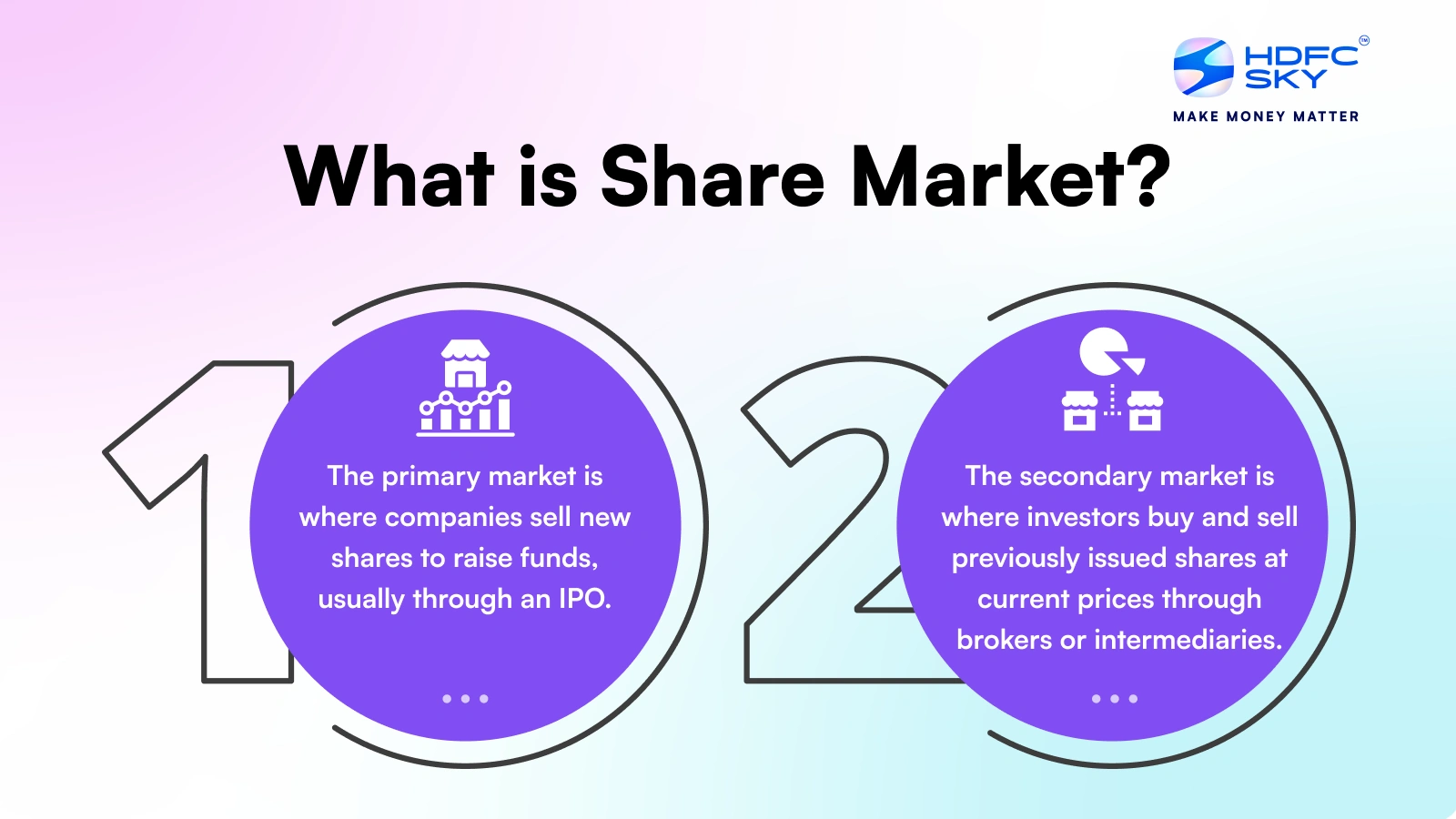
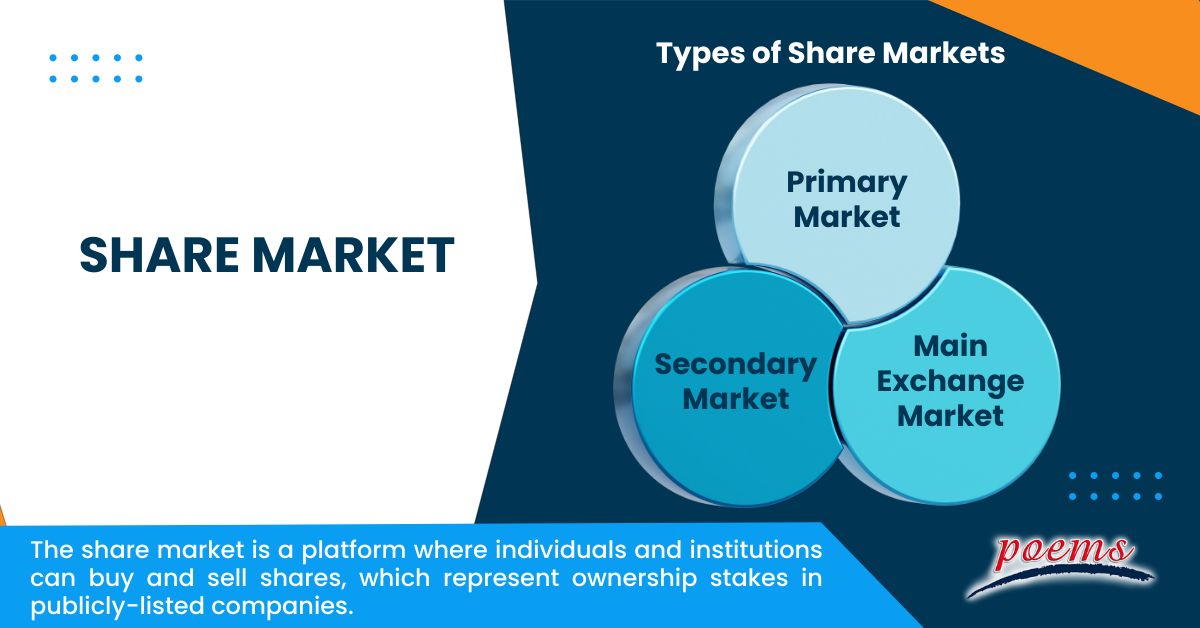
The share bazar facilitates the issuance and exchange of securities. Its dual function involves the primary market, where new securities are issued to the public for the first time (e.g., through Initial Public Offerings or IPOs), and the secondary market, where existing securities are traded among investors. The existence of a robust secondary market is crucial because it provides liquidity to investors, meaning they can easily buy or sell their shares, making primary market investments more attractive to companies seeking capital. This continuous cycle of capital raising and trading fuels economic expansion by enabling businesses to fund innovation, expansion, and job creation.
Key Participants
A diverse array of participants drives the share bazar. Investors range from individual retail investors saving for retirement to large institutional investors like mutual funds, pension funds, and insurance companies. Traders are often short-term participants who seek to profit from price fluctuations. Brokers act as intermediaries, executing buy and sell orders on behalf of investors and traders. Companies are the entities that issue shares to raise capital. Crucially, regulators (like SEBI in India or the SEC in the USA) oversee the market to ensure fairness, transparency, and investor protection, preventing fraud and market manipulation.
The Mechanics of Trading
In essence, trading in the share bazar involves matching buyers with sellers. When an investor wants to buy a share, they place an order through a broker, specifying the company, quantity, and price they are willing to pay. Similarly, a seller places an order with their desired selling price. Stock exchanges, like the National Stock Exchange (NSE) or the Bombay Stock Exchange (BSE), provide the platform where these orders meet. Thanks to sophisticated electronic trading systems, these transactions occur almost instantaneously, with prices fluctuating based on supply and demand, company news, economic indicators, and investor sentiment.
Navigating Market Types and Investment Instruments
Understanding the different market segments and the variety of financial instruments available is fundamental for anyone looking to invest in the share bazar. Each offers unique characteristics, risk profiles, and potential returns.
Primary vs. Secondary Market
As mentioned, the journey of a share often begins in the primary market through an IPO. This is when a private company decides to go public, offering its shares to institutional investors and often to the general public for the first time. The goal is to raise significant capital for expansion, debt reduction, or other corporate purposes. Once these shares are issued, they are then listed on a stock exchange, where they enter the secondary market. Here, investors trade existing shares among themselves, without the issuing company directly participating in these subsequent transactions. The price in the secondary market is determined purely by the forces of supply and demand.
Equity Shares: The Foundation
Equity shares are the most common and fundamental instrument traded in the share bazar. Holding an equity share signifies ownership in a company, entitling the shareholder to a portion of the company’s profits (if distributed as dividends) and, in many cases, voting rights on corporate matters. The value of an equity share is influenced by the company’s performance, industry trends, economic outlook, and investor sentiment. While they offer the highest potential for capital appreciation over the long term, they also carry the highest risk due to market volatility and business-specific challenges.
Other Investment Instruments in the Ecosystem
While equity shares are central, the broader share bazar ecosystem also includes other instruments that investors can utilize to diversify or hedge their portfolios:
- Bonds/Debentures: These represent debt instruments issued by companies or governments to raise capital. Unlike shares, bondholders are lenders, not owners. They receive regular interest payments and the principal amount back at maturity. Bonds are generally considered less risky than equities but offer lower potential returns.
- Derivatives (Futures & Options): These are complex financial contracts whose value is derived from an underlying asset (like stocks, indices, commodities, or currencies). Futures obligate the buyer to purchase an asset or the seller to sell an asset at a predetermined future date and price. Options give the holder the right, but not the obligation, to buy or sell an asset at a specific price within a certain timeframe. Derivatives are primarily used for hedging existing positions or for speculation and carry significant risk due to their leveraged nature.
- Mutual Funds: While not directly traded on the exchange like individual stocks, mutual funds play a huge role in connecting retail investors to the share bazar. They are professionally managed investment vehicles that pool money from multiple investors to invest in a diversified portfolio of stocks, bonds, or other securities. They offer diversification, professional management, and accessibility for smaller investors.
Why Invest in the Share Bazar? Unlocking Growth Potential
For many, the share bazar represents one of the most powerful avenues for wealth creation and financial independence. Its long-term potential, coupled with the opportunity to participate in economic growth, makes it an indispensable component of a well-rounded financial strategy.
Potential for Wealth Creation
Historically, equity markets have proven to be one of the most effective instruments for generating significant wealth over the long term. Unlike traditional savings accounts, which offer modest, fixed returns, stocks have the potential for exponential growth through capital appreciation and compounding. When a company performs well, its share price typically rises, leading to capital gains for investors. Furthermore, reinvesting dividends (if offered) allows investors to benefit from the power of compounding, where returns generate further returns, accelerating wealth accumulation.
Beating Inflation
Inflation erodes the purchasing power of money over time. If your investments do not grow at a rate higher than inflation, you are effectively losing money in real terms. The share bazar, with its potential for higher returns, offers a crucial hedge against inflation. Companies can often pass on increased costs to consumers through higher prices, protecting their profitability and, by extension, the value of their shares. This makes investing in equities a strategic move to preserve and grow your wealth in an inflationary environment.
Diversification and Income Generation

Investing in the share bazar allows for significant portfolio diversification. By investing in companies across various sectors, industries, and market capitalizations, investors can spread risk and potentially reduce the impact of poor performance by any single investment. Additionally, many companies distribute a portion of their profits to shareholders in the form of dividends. These dividend payments can provide a regular stream of income, making equities attractive not just for capital growth but also for income generation, particularly for those in or approaching retirement.
Participating in Economic Growth
When you invest in shares, you are essentially buying a stake in the economic future of companies and, by extension, the nation. As economies grow, companies expand, innovate, and become more profitable. By investing in these businesses, you become a direct beneficiary of this growth. This aligns your financial interests with the broader economic progress, offering a sense of participation beyond mere financial return.
Risks and Challenges in Share Bazar Investing
While the potential rewards of investing in the share bazar are substantial, it’s crucial to approach it with a clear understanding of the inherent risks. Ignorance of these challenges can lead to significant financial setbacks.
Market Volatility
One of the most prominent characteristics of the share bazar is its volatility. Share prices can fluctuate wildly in response to a myriad of factors, including economic data releases, geopolitical events, company-specific news, interest rate changes, and even prevailing investor sentiment. What seems like a stable investment today can see a significant drop tomorrow, leading to capital loss if an investor is forced to sell during a downturn. This volatility necessitates a long-term perspective and the emotional resilience to ride out market corrections.
Company-Specific Risks
Beyond broader market movements, individual companies face unique risks that can impact their share price. These include poor management decisions, declining sales, increased competition, regulatory changes specific to their industry, product failures, or even scandals. A thorough fundamental analysis — evaluating a company’s financial health, management quality, competitive landscape, and growth prospects — is essential to mitigate these specific risks. Investing without understanding the underlying business is akin to gambling.
Psychological Biases
Human psychology plays a significant, often detrimental, role in investment decisions. Emotions like fear (leading to panic selling during market downturns) and greed (leading to irrational buying during market bubbles) can cloud judgment and result in poor outcomes. The “herd mentality,” where investors follow the actions of the majority without independent analysis, is another common pitfall. Successful investing often requires an ability to detach emotionally from market noise and stick to a disciplined, rational strategy.
The Importance of Due Diligence
Given these risks, due diligence is not merely a recommendation; it is a necessity. This involves extensive research into potential investments. Understanding a company’s business model, financial statements, competitive advantages, and management team is crucial. Relying solely on tips or sensational headlines without verifying information can lead to severe losses. Due diligence empowers investors to make informed decisions, reducing speculative risk and increasing the probability of successful outcomes.
Navigating the Share Bazar: Strategies for Success
Engaging with the share bazar effectively requires more than just capital; it demands a strategic mindset, continuous learning, and disciplined execution. By adopting proven strategies, investors can enhance their chances of achieving their financial goals while managing inherent risks.
Start with Education and Research
The most fundamental step is to educate yourself. Understand the basics of economics, financial statements, and market mechanisms. Familiarize yourself with different investment philosophies, such as value investing (focusing on undervalued companies) or growth investing (focusing on companies with high growth potential). Engage in continuous research, staying updated on market trends, company news, and economic indicators. Utilize resources like financial news portals, company reports, and reputable investment books. Knowledge is your most powerful asset in the share bazar.
Define Your Investment Goals and Risk Tolerance
Before investing a single rupee, clearly define what you aim to achieve. Are you saving for retirement, a down payment on a house, or your child’s education? Your goals will dictate your investment horizon (long-term vs. short-term) and the level of risk you can comfortably take. Assess your risk tolerance honestly: how much volatility can you withstand without losing sleep or making impulsive decisions? This self-assessment will help you choose appropriate assets and strategies, whether conservative (focusing on stable, dividend-paying stocks) or aggressive (investing in high-growth, potentially volatile stocks).
Diversification is Key
The age-old adage, “Don’t put all your eggs in one basket,” holds immense truth in the share bazar. Diversification involves spreading your investments across various asset classes, industries, company sizes, and geographical regions. This strategy helps mitigate risk by ensuring that the poor performance of one investment does not severely impact your overall portfolio. For instance, holding stocks from different sectors (e.g., technology, healthcare, banking) can cushion the blow if one sector faces headwinds. Diversification doesn’t eliminate risk, but it manages it effectively.
Long-Term Perspective vs. Short-Term Speculation
For most individual investors, adopting a long-term perspective is the most prudent strategy. Focusing on quality companies with strong fundamentals and holding them for several years allows the power of compounding to work its magic and helps ride out short-term market fluctuations. This approach, often associated with “value investing,” contrasts sharply with short-term speculation, which attempts to profit from rapid price movements. While speculation can yield quick gains, it carries significantly higher risk, requires intense market monitoring, and is often better left to seasoned professionals.
The Role of a Financial Advisor
While self-education is crucial, there are times when professional guidance can be invaluable. A qualified financial advisor can help you define your goals, assess your risk tolerance, create a diversified portfolio tailored to your needs, and provide objective advice during market turbulence. They can also assist with complex financial planning, tax optimization, and estate planning, ensuring your share bazar investments align with your broader financial picture. Choosing a fee-only advisor can ensure their advice is unbiased and solely in your best interest.
In conclusion, the share bazar is a powerful and sophisticated financial market offering immense opportunities for wealth creation. It is not merely a place for the privileged few but an accessible platform for anyone willing to invest time in learning and discipline in execution. By understanding its fundamental workings, acknowledging its inherent risks, and adopting a strategic, long-term approach, individuals can leverage the share bazar to build substantial wealth and secure their financial future. It demands respect, continuous learning, and a steady hand, but for those who master its intricacies, the rewards can be truly transformative.
aViewFromTheCave is a participant in the Amazon Services LLC Associates Program, an affiliate advertising program designed to provide a means for sites to earn advertising fees by advertising and linking to Amazon.com. Amazon, the Amazon logo, AmazonSupply, and the AmazonSupply logo are trademarks of Amazon.com, Inc. or its affiliates. As an Amazon Associate we earn affiliate commissions from qualifying purchases.