
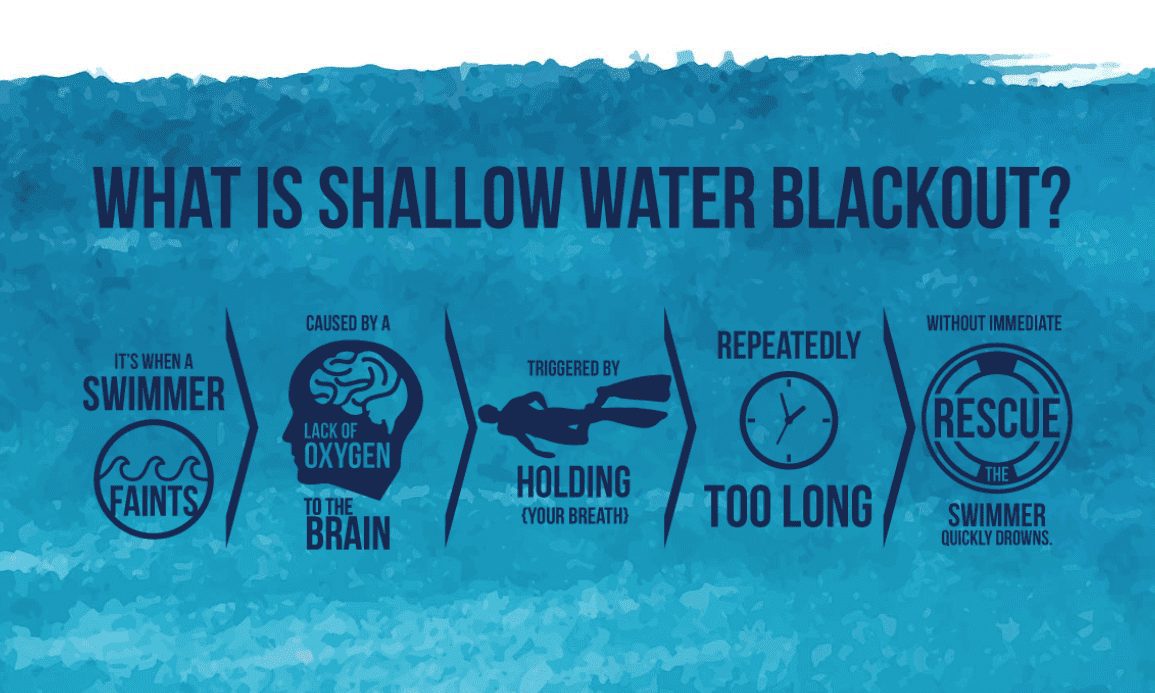
In the rapidly evolving landscape of wearable technology and biometric monitoring, few challenges are as physiologically complex or as high-stakes as preventing “Shallow Water Blackout” (SWB). To the uninitiated, shallow water blackout refers to a sudden loss of consciousness caused by oxygen deprivation during a breath-hold dive. Historically, this has been a “silent killer,” striking experienced swimmers and freedivers without warning. However, within the Tech sector, SWB is increasingly being viewed not just as a medical phenomenon, but as a data-gap problem that can be solved through advanced sensors, machine learning, and integrated hardware.
As we push the boundaries of what consumer and professional aquatic gadgets can do, the tech industry is pivoting from simple depth-tracking to sophisticated life-support monitoring. This article explores the technological innovations currently being deployed to detect, predict, and prevent shallow water blackout.
Understanding the Physiology: Why Tech Integration is Necessary
To understand why technology is the only viable solution for preventing SWB, one must first understand the “data deficiency” of the human body. Unlike many other physiological crises, SWB does not trigger the body’s natural alarm systems.
The Hypocapnia Loop: A Data-Deficient Crisis
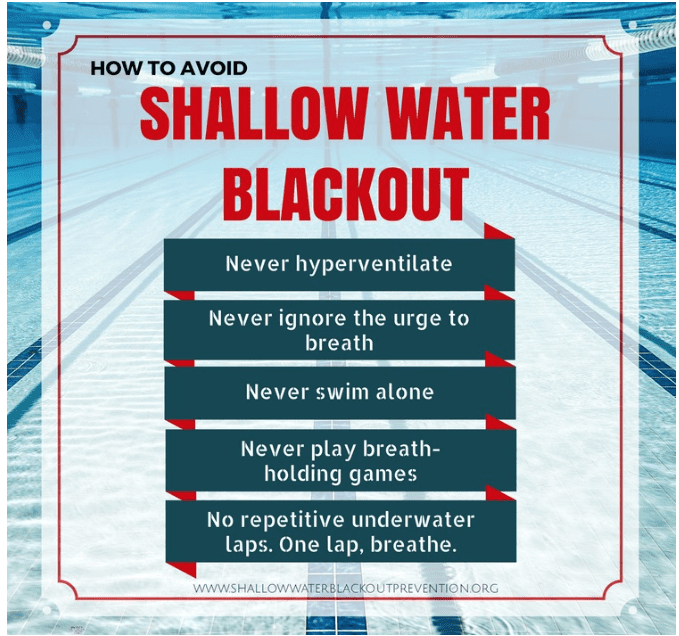
The human urge to breathe is triggered not by a lack of oxygen, but by a buildup of carbon dioxide (CO2). When divers hyperventilate before a dive—a practice known as “purging”—they artificially lower their CO2 levels. This tricks the brain into thinking it has more time than it actually does. As the diver ascends, the partial pressure of oxygen in their lungs drops rapidly. Because the CO2 levels haven’t reached the threshold to trigger a “gasp reflex,” the diver loses consciousness—the “blackout”—before they realize they are in danger.
From a technical perspective, this is a sensor failure within the human biological OS. Tech developers are now stepping in to provide an external “safety sensor” that can monitor what the human brain cannot.
Limitations of Traditional Monitoring Devices
Until recently, dive computers were primarily “environment-centric.” They tracked depth, water temperature, and bottom time. While useful for avoiding decompression sickness (the bends), these devices were blind to the diver’s internal state. A diver could have a dive computer on their wrist showing they are at 10 feet, yet be seconds away from a blackout, and the device would remain silent. The move toward “biocentric” tech represents the next frontier in aquatic safety.
The Current Landscape of Underwater Wearable Technology
The integration of biometric sensors into underwater gear has faced significant engineering hurdles, particularly regarding the physics of light and pressure. However, recent breakthroughs in optical sensing are changing the game.
Pulse Oximetry and PPG Sensors in High-Pressure Environments
Photoplethysmography (PPG) is the technology behind the green lights on the back of your smartwatch that track heart rate. In a terrestrial environment, PPG is highly accurate. Underwater, however, cold temperatures cause peripheral vasoconstriction (blood moving away from the skin to the core), making it difficult for standard sensors to get a reading.
Leading tech firms are now developing specialized PPG arrays that utilize infrared wavelengths and high-sensitivity receivers capable of penetrating deeper into the tissue. By monitoring SpO2 (blood oxygen saturation) in real-time, these sensors can provide a digital “fuel gauge” for the diver’s brain, alerting them when oxygen levels hit a critical threshold, regardless of how they “feel.”
Smart Dive Computers: Moving from Depth Tracking to Biometric Feedback
The new generation of smart dive computers, such as the Garmin Descent series and the Apple Watch Ultra (with the Oceanic+ app), are beginning to integrate these health metrics. These devices are transitioning from being passive data loggers to active safety monitors. Developers are currently working on integrating chest-strap heart rate monitors that use low-frequency acoustic signals or specialized electromagnetic induction to transmit data through water—a medium where Bluetooth and Wi-Fi notoriously fail.
AI and Machine Learning: Predicting the Blackout Before it Happens
Hardware alone is not enough to stop SWB. The true innovation lies in the software layer—the algorithms that interpret biological data to predict a blackout before it occurs.

Algorithmic Modeling of Oxygen Depletion Rates
Every individual has a unique metabolic rate and “oxygen burn” profile. AI-driven platforms are now being developed to create personalized profiles for divers. By analyzing past dive data—depth, duration, heart rate variability (HRV), and recovery times—machine learning models can predict a diver’s “red zone.”
If a diver’s heart rate spikes unexpectedly at a specific depth, the AI can cross-reference this with historical data and trigger an immediate ascent alarm. This predictive capability is essential because once a blackout begins, it is often too late for the diver to take self-corrective action.
Real-Time Alerts and Haptic Feedback Systems
Communication underwater is limited. You cannot hear a subtle beep or look at a screen when you are focused on a technical dive or spearfishing. This has led to a surge in haptic feedback technology. Tech companies are implementing high-intensity vibration patterns in wearables that mimic a “thump” on the wrist.
Advanced HUDs (Heads-Up Displays) integrated into diving masks are also being tested. These use AR (Augmented Reality) to project a simple color-coded safety bar (Green, Yellow, Red) into the diver’s field of vision. This ensures that even if a diver is experiencing the cognitive “tunnel vision” that often precedes a blackout, the visual tech remains front and center.
The Future of Aquatic Safety: Integrated IoT Ecosystems
The prevention of shallow water blackout isn’t limited to what the diver wears. The future of aquatic tech lies in an Internet of Things (IoT) approach where the environment itself is “smart.”
Smart Pools and Computer Vision Monitoring
For competitive swimmers and breath-hold practitioners in pools, computer vision (CV) is becoming a primary safety layer. Systems like Poseidon or AngelEye use overhead and underwater cameras linked to AI servers. These systems are trained to recognize the “signature” of a blackout: a lack of movement, an unnatural descent to the bottom, or irregular stroking patterns.
When the AI detects these patterns, it sends an instant notification to a lifeguard’s smartwatch or a central alarm system. This digital oversight acts as a fail-safe for human error, ensuring that a “silent” blackout is met with a loud, immediate response.
The Role of Digital Security in Biometric Data Privacy
As we collect more biometric data—heart rates, oxygen levels, and even neurological signals—digital security becomes paramount. The “Tech” behind SWB prevention must also include robust encryption. If a diver’s health data is being synced to the cloud via a smartphone app, that data must be protected under healthcare-grade security protocols (like HIPAA compliance in the US). Tech firms are now prioritizing blockchain-based data logging to ensure that a diver’s physiological history is both immutable and private, preventing unauthorized access to sensitive medical profiles.
Investing in the “Blue Tech” Revolution
The niche of “Blue Tech”—technology specifically designed for maritime and aquatic use—is seeing a massive influx of venture capital. Preventing SWB is a flagship goal for many of these startups.
Market Growth for Aquatic Safety Gadgets
The global market for diving equipment is projected to grow significantly as more people enter the sport of freediving, which has seen a surge in popularity on social media. This has created a lucrative market for “Safety-as-a-Service” (SaaS) in the diving world. Subscription-based apps that provide advanced dive analytics and safety monitoring are becoming the norm.
We are also seeing the emergence of “smart buoys” and automated surface support robots. These gadgets use sonar and computer vision to track divers from the surface. If a diver stays down longer than their programmed “safe time,” the surface tech can deploy a flotation device or signal for help using satellite-linked emergency beacons (PLBs).
Conclusion: The Convergence of Safety and Innovation
Shallow water blackout is a physiological problem that found a technological solution. We are moving away from an era where we rely on the “buddy system” and intuition alone. In its place, we are building a digital safety net woven from high-precision sensors, predictive AI, and robust hardware.
As biometric technology continues to miniaturize and become more resilient to the harsh underwater environment, the “silent killer” of the deep will find it increasingly difficult to remain hidden. For the tech-savvy diver, the future isn’t just about going deeper or staying longer—it’s about using the power of data to ensure that every dive ends with a safe return to the surface. The marriage of biology and technology is not just an evolution of the sport; it is a fundamental shift in how we survive in environments where we were never meant to breathe.
aViewFromTheCave is a participant in the Amazon Services LLC Associates Program, an affiliate advertising program designed to provide a means for sites to earn advertising fees by advertising and linking to Amazon.com. Amazon, the Amazon logo, AmazonSupply, and the AmazonSupply logo are trademarks of Amazon.com, Inc. or its affiliates. As an Amazon Associate we earn affiliate commissions from qualifying purchases.