
Shake Shack represents a pivotal case study in modern brand development, transcending its origins as a humble hot dog cart to become a globally recognized “fine casual” dining phenomenon. Far more than just a purveyor of burgers and fries, Shake Shack has meticulously cultivated a distinctive brand identity built on quality, community, and an elevated yet approachable customer experience. Its journey offers profound insights into how a brand can disrupt a crowded market, maintain authenticity during rapid expansion, and forge a deep connection with its audience.
The Genesis of a Modern Icon: From Cart to Culinary Phenomenon
Shake Shack’s brand narrative is deeply rooted in its unconventional beginnings, a story that defines its character and underpins its strategic positioning. Understanding its origin is key to appreciating the authenticity it projects.
Humble Beginnings and Core Philosophy
The Shake Shack story began in 2001 as a modest hot dog cart in New York City’s Madison Square Park, a brainchild of restaurateur Danny Meyer and his Union Square Hospitality Group (USHG). This impromptu pop-up was conceived not as a full-fledged restaurant, but as an initiative to support the park’s conservancy project. From this seemingly casual genesis, a powerful brand ethos emerged. Meyer’s overarching philosophy of “enlightened hospitality”—a commitment to putting employees first, who in turn provide exceptional service to guests, suppliers, and the community—was intrinsically woven into the fabric of this nascent operation.
This initial, community-focused approach immediately differentiated Shake Shack. It wasn’t about rapid expansion or maximizing profit; it was about quality ingredients, genuine hospitality, and creating a pleasant public space. This organic growth and dedication to experience over mere transaction laid the groundwork for a brand that felt inherently authentic and community-oriented. The cart’s overwhelming popularity and subsequent transformation into a permanent kiosk in 2004 affirmed the market’s appetite for a brand that delivered both exceptional taste and a genuine, convivial atmosphere.
Redefining Fast-Casual with “Fine Casual”
Shake Shack’s most significant brand innovation lies in its creation and popularization of the “fine casual” dining category. This strategic positioning addressed a gap between traditional fast food and more upscale casual dining, offering consumers the speed and convenience of the former with the quality, ambiance, and ethical sourcing standards typically associated with the latter.
The “fine casual” distinction isn’t just a marketing buzzword; it’s a foundational element of the brand’s promise. It communicates a commitment to premium, responsibly sourced ingredients, such as 100% all-natural Angus beef, never-ever (no hormones or antibiotics) vegetarian-fed beef, and cage-free chicken. It also signifies an elevated dining environment, often featuring thoughtful architectural design, sustainable materials, and a more refined service model than typical fast-food establishments. This strategic differentiation allowed Shake Shack to carve out a unique space in the highly competitive quick-service restaurant (QSR) landscape, appealing to a discerning clientele willing to pay a premium for quality, ethics, and a superior experience.
Crafting a Distinctive Brand Identity and Customer Experience
The meticulous attention to every touchpoint, from the menu to the physical space, has allowed Shake Shack to build a brand identity that resonates deeply with its target audience. This holistic approach ensures consistency and reinforces its core values.
Premium Product Offering and Sourcing Integrity
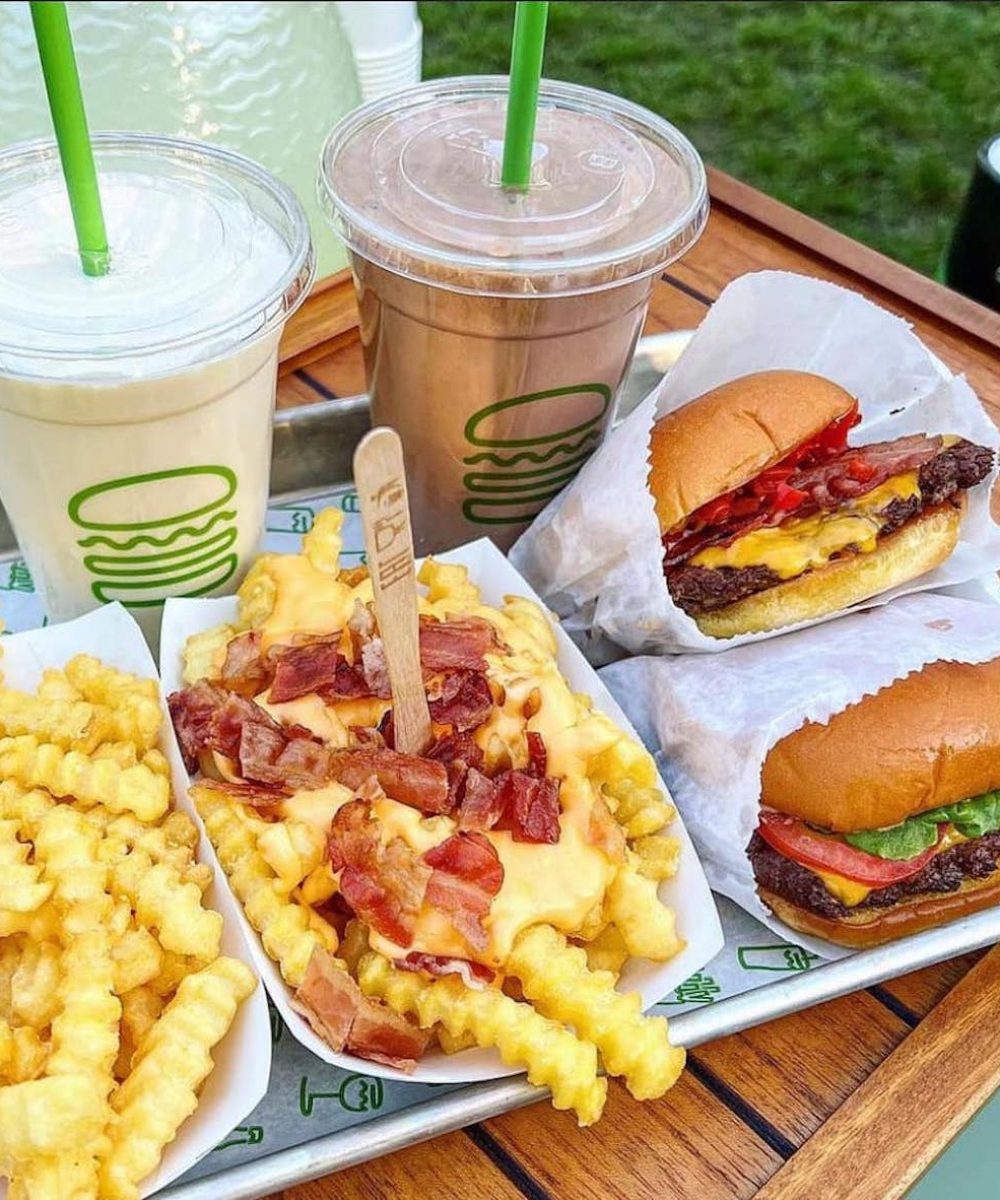
At the heart of the Shake Shack brand is its product. While the menu is deliberately concise, each item is crafted to a high standard, becoming a signature element of the brand’s appeal. The ShackBurger, with its proprietary blend of beef, special ShackSauce, and potato bun, is arguably the brand’s most recognizable product, symbolizing its commitment to quality ingredients and perfected execution. Beyond burgers, the crinkle-cut fries, flat-top hot dogs, and rich frozen custard also contribute to the brand’s cult following.
Crucially, the brand’s sourcing integrity is not merely a backend operational detail; it’s a front-and-center brand message. Shake Shack prominently communicates its use of premium, ethically sourced ingredients. This transparency builds trust and aligns with the values of increasingly conscious consumers who prioritize not just taste but also the origin and production methods of their food. This commitment to quality and ethical sourcing serves as a powerful differentiator against competitors and reinforces the brand’s premium “fine casual” positioning.
The “Shack Vibe”: Ambiance and Design as Brand Assets
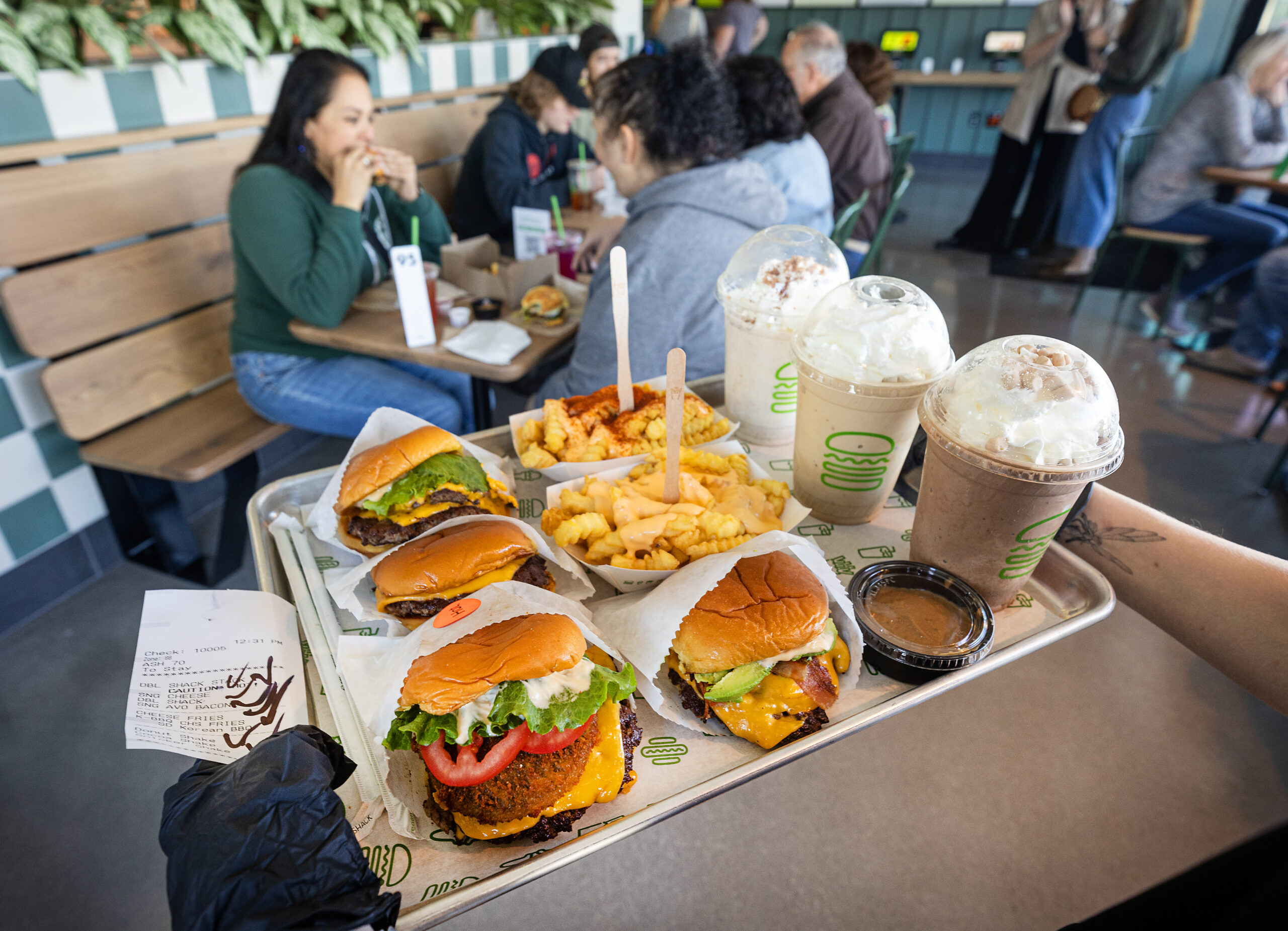
Shake Shack understands that the dining experience extends far beyond the food itself. The physical environment – the “Shack Vibe” – is a critical component of its brand identity. Each Shake Shack location is designed to evoke a sense of modern nostalgia, combining clean, contemporary aesthetics with elements that feel warm and inviting.
The brand often incorporates natural materials, ample lighting, and thoughtfully designed seating arrangements, frequently including outdoor patios that harken back to its park origins. These spaces are configured to encourage community and social interaction, fostering an atmosphere that is both bustling and comfortable. Unlike the utilitarian design of many fast-food chains, Shake Shack’s design language is considered, intentional, and integral to the overall brand experience, reinforcing its “fine casual” promise of an elevated, yet relaxed, setting. This consistent design strategy ensures that whether a customer dines in New York, London, or Tokyo, they recognize and connect with the distinctive Shake Shack brand aesthetic.

Hospitality as a Cornerstone
Building on Danny Meyer’s foundational philosophy, hospitality is not merely good service at Shake Shack; it is a core brand tenet. The brand emphasizes genuine human connection and a welcoming attitude, focusing on training employees to embody the “enlightened hospitality” ethos. This means creating an atmosphere where guests feel valued and cared for, transforming a simple meal into a memorable encounter.
From friendly order-takers to attentive dining room staff, the emphasis is on creating a positive emotional connection with customers. This approach distinguishes Shake Shack from competitors, where transactional efficiency often takes precedence over genuine guest interaction. By prioritizing staff welfare and empowering employees to deliver exceptional experiences, Shake Shack cultivates a strong internal culture that translates directly into a superior external brand perception and stronger customer loyalty.
Strategic Growth and Market Positioning
Shake Shack’s impressive growth trajectory highlights a strategic balance between expansion and preservation of its core brand values, a challenge for any rapidly scaling business.
Navigating Expansion while Preserving Brand Essence
From its single kiosk, Shake Shack embarked on a rapid expansion, both domestically and internationally, culminating in a successful IPO in 2015. This period of intense growth presented significant brand management challenges. The key was to scale operations without diluting the unique “Shack Vibe” or compromising on its commitment to quality and hospitality – elements that formed the bedrock of its brand equity.
The brand’s strategy has involved meticulous site selection, adapting store designs to local contexts while maintaining a consistent brand aesthetic, and rigorous training programs to instill its hospitality culture in new teams globally. Partnerships with local suppliers, where feasible, have also helped maintain the perception of freshness and quality. By strategically controlling its growth and investing heavily in operational consistency and brand stewardship, Shake Shack has largely succeeded in preserving its brand essence, ensuring that new locations deliver an experience consistent with its original promise. This careful approach contrasts sharply with the often-rapid, generalized expansion models of traditional fast-food brands.
Differentiation in a Crowded Market
In a quick-service restaurant market saturated with options, Shake Shack has masterfully differentiated itself. It positioned itself not as another burger joint, but as a lifestyle brand offering a thoughtfully curated experience. While it competes tangentially with traditional fast-food giants like McDonald’s and Burger King, its direct competitors are often other “better burger” chains such as Five Guys or In-N-Out Burger.
However, Shake Shack’s brand positioning elevates it beyond even these competitors through its “fine casual” approach. Its emphasis on a more sophisticated menu, ethical sourcing, thoughtful design, and particularly, its hospitality-driven service model, creates a distinct value proposition. Customers are not just buying a meal; they are buying into a premium experience, a conscious choice, and a brand that aligns with modern values around quality, transparency, and community. This differentiation allows Shake Shack to command a higher price point and cultivate a highly loyal customer base who perceive tangible added value in the brand’s offerings.
The Shake Shack Brand Legacy and Future Outlook
Shake Shack’s continued evolution demonstrates a dynamic brand strategy focused on sustained relevance and connection with its community.
Cultivating a Loyal Community
Shake Shack has excelled at building not just a customer base, but a devoted community. This is achieved through a multi-faceted brand strategy that extends beyond the transactional. Local engagement, such as supporting park conservancies or collaborating with local artists and chefs for limited-time menu items, fosters a sense of belonging and community goodwill. Its strong presence on social media platforms allows for direct engagement, reinforcing its brand personality and sharing behind-the-scenes glimpses that build authenticity.
The brand also cultivates loyalty through a sense of exclusivity and innovation. Limited-edition menu items and seasonal specials create excitement and encourage repeat visits, while the brand’s consistent delivery of quality ensures satisfaction. By actively listening to its community and responding with relevant offerings and experiences, Shake Shack transforms casual diners into brand advocates.
Evolving Brand Strategy and Innovation
To remain relevant in a dynamic market, Shake Shack continually evolves its brand strategy through innovation. This includes exploring new menu items, such as vegetarian and plant-based options, to cater to changing dietary preferences and expand its appeal. Digital transformation, including mobile ordering, delivery partnerships, and loyalty programs, is another key area of focus, streamlining the customer experience while maintaining brand control.
Despite these innovations, Shake Shack remains steadfast in its core brand principles: quality ingredients, enlightened hospitality, and a commitment to community. This ability to innovate while staying true to its founding ethos is crucial for its long-term brand health. By consistently delivering on its “fine casual” promise and adapting to consumer trends without losing its distinctive character, Shake Shack continues to solidify its position as a leading brand in the global restaurant industry, demonstrating the power of a well-defined and passionately executed brand strategy.
aViewFromTheCave is a participant in the Amazon Services LLC Associates Program, an affiliate advertising program designed to provide a means for sites to earn advertising fees by advertising and linking to Amazon.com. Amazon, the Amazon logo, AmazonSupply, and the AmazonSupply logo are trademarks of Amazon.com, Inc. or its affiliates. As an Amazon Associate we earn affiliate commissions from qualifying purchases.