
In the crowded landscape of global food service, few names carry the same cultural currency and brand prestige as Shake Shack. What began as a humble hot dog cart in Manhattan’s Madison Square Park has transformed into a multi-billion-dollar empire that serves as a case study in modern brand strategy. To understand what Shake Shack is known for is to understand the intersection of “fine casual” dining, high-concept design, and a philosophy known as “Enlightened Hospitality.”
Shake Shack is not merely a fast-food chain; it is a lifestyle brand that has successfully positioned itself as the premium alternative to the traditional burger joints of the 20th century. By prioritizing quality, community, and aesthetic consistency, the brand has cultivated a loyal following that treats a burger launch with the same fervor as a tech product release.
The Genesis of Fine Casual: Redefining Fast Food Expectations
The primary pillar of Shake Shack’s brand identity is its role as the pioneer of the “Fine Casual” category. This segment bridges the gap between traditional fast food and casual sit-down dining, offering the speed and convenience of the former with the ingredient quality and atmosphere of the latter.
Breaking the Fast Food Mold
Before Shake Shack’s rise, the quick-service industry was largely defined by a “race to the bottom” in terms of pricing and ingredient transparency. Shake Shack disrupted this by applying the standards of fine dining—specifically those practiced by its founder, Danny Meyer—to the most democratic of American foods: the burger. The brand is known for its commitment to 100% all-natural Angus beef, free of hormones and antibiotics, and its refusal to use the mechanized shortcuts common in the industry. This focus on “culinary integrity” shifted the consumer’s perception of what a burger stand could be.
The Danny Meyer Influence
The brand’s DNA is inseparable from its founder, Danny Meyer, a titan of the New York fine-dining scene. Meyer’s Union Square Hospitality Group (USHG) brought a level of sophistication to Shake Shack that was previously unheard of in the burger space. The brand is known for incorporating the same principles used in Michelin-starred kitchens—attention to detail, rigorous sourcing, and a focus on the guest experience—into a setting where customers order at a counter. This pedigree provides the brand with an inherent “cool factor” and a level of trust that traditional fast-food competitors struggle to replicate.
Visual Identity and the “Pentagram” Effect
In the world of brand strategy, Shake Shack is renowned for its visual cohesion and sophisticated design language. Unlike the garish primary colors and plastic interiors often associated with fast food, Shake Shack opted for a modern, architectural aesthetic that feels rooted in the urban landscape.
Visual Cohesion and Modernism
Working with the world-renowned design agency Pentagram, Shake Shack developed a visual identity that is both iconic and flexible. The brand is known for its minimalist neon burger logo and its signature green-and-black color palette. The typography is clean, and the environmental graphics are designed to feel like a part of the neighborhood rather than a corporate imposition. This design-forward approach tells the consumer that the brand is thoughtful, modern, and high-quality before they even take a bite of the food.
Site-Specific Architecture
One of the most significant aspects of the Shake Shack brand is its commitment to site-specific design. While most chains utilize a “cookie-cutter” model to minimize costs, Shake Shack is known for designing each location to reflect its environment. Whether it is a converted historical building in London or a sleek, glass-fronted kiosk in Dubai, the brand maintains a “community-first” design philosophy. This strategy prevents “brand fatigue” and makes each new opening feel like a local event rather than a corporate expansion.
Enlightened Hospitality: The Internal Brand Strategy
Beyond the food and the decor, Shake Shack is known for its unique corporate culture, which Danny Meyer famously termed “Enlightened Hospitality.” This strategy posits that to provide the best customer service, a company must first take care of its employees.

Putting Employees First
The brand’s identity is built on the idea that happy employees lead to happy guests, which in turn leads to a healthy business. Shake Shack is known for offering higher-than-average wages, comprehensive benefits, and a clear path for professional growth. In the brand world, this is a form of internal marketing; it ensures that the front-line staff—the “face” of the brand—are engaged and motivated. This philosophy has helped Shake Shack maintain a level of service consistency that is rare in the high-turnover world of food service.
The Emotional Connection with Guests
Enlightened Hospitality is also about the “emotional revenue” generated by the brand. Shake Shack is known for creating an atmosphere where customers feel seen and valued. This is achieved through small touchpoints: a staff member helping a guest find a table, the cheerful delivery of a “Concrete” (their signature frozen custard), or the dog-friendly “Pooch-ini” treats offered at the counter. By fostering an emotional connection, Shake Shack transforms a transactional meal into a brand experience, driving long-term loyalty.
Culinary Integrity and Menu Engineering
While many brands thrive on endless menu rotations and gimmickry, Shake Shack is known for a disciplined, high-quality core menu that emphasizes consistency over variety. Every item on the menu is engineered to reinforce the brand’s premium positioning.
The ShackBurger as a Brand Icon
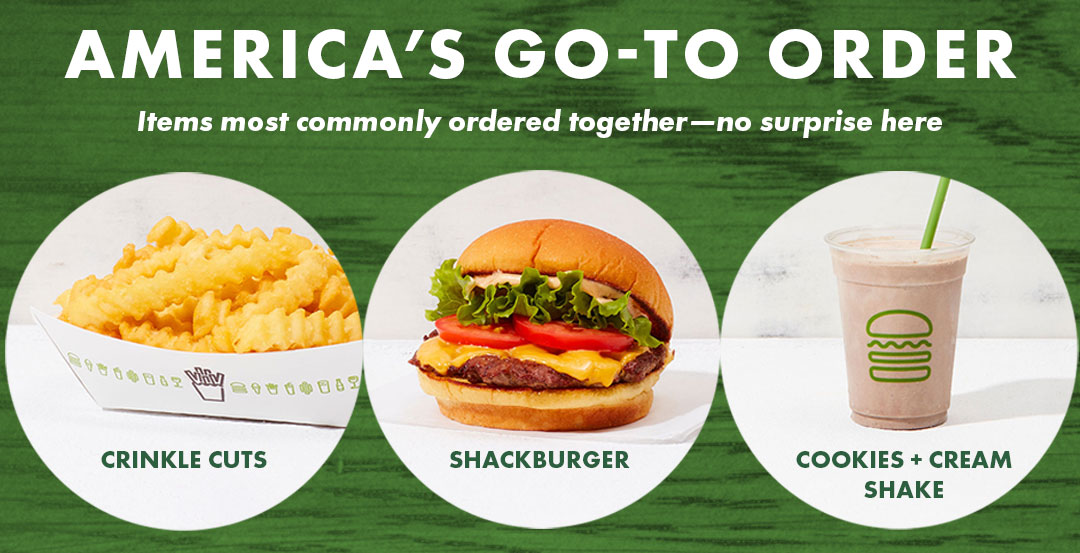
The ShackBurger is the centerpiece of the brand’s identity. It is known for its specific proportions: the custom-blend beef patty, the proprietary “ShackSauce,” the melted American cheese, and the non-GMO Martin’s Potato Roll. By perfecting a single, iconic item, Shake Shack created a benchmark for the industry. The brand is known for its “never frozen” beef policy, which serves as a constant marketing proof point for its quality claims.
Strategic Partnerships and Limited-Time Offerings
Shake Shack is also a master of the “brand collab.” They are known for partnering with world-class chefs, local breweries, and artisanal food producers to create limited-time offerings (LTOs). From collaborations with Momofuku’s David Chang to regional exclusives like the “Bourbon Bacon Jam Burger,” these partnerships keep the brand relevant and exciting. This strategy allows Shake Shack to borrow the “cool” of other brands while reinforcing its own status as a culinary innovator.
Cult Marketing and the Power of the “Cool” Factor
In its early years, Shake Shack famously spent zero dollars on traditional advertising (TV, radio, or billboards). Instead, the brand is known for its masterful use of “earned media” and community-led growth.
Leveraging Instagrammability
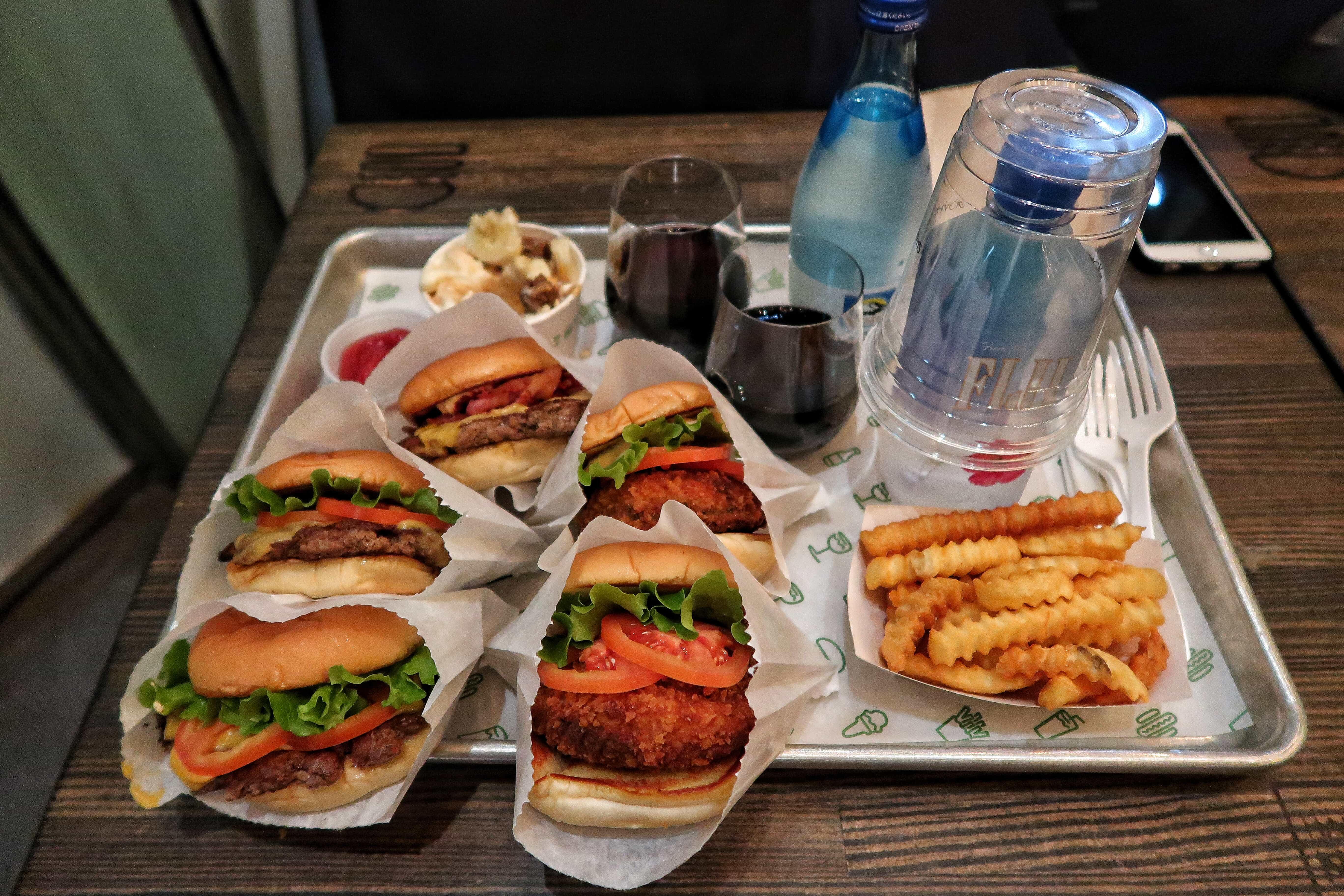
Long before “Instagrammable” was a marketing buzzword, Shake Shack was designing food and spaces that begged to be photographed. The brand is known for its highly photogenic products—from the vibrant green of the lettuce to the perfectly melted cheese draped over a burger. This visual appeal turned every customer into a brand ambassador. Social media became the primary vehicle for the Shake Shack brand, fueled by user-generated content that felt more authentic and trustworthy than any paid advertisement.
From Local Secret to Global Status Symbol
The brand is known for its “slow-growth” strategy in its early years, which helped cultivate an aura of scarcity and exclusivity. By keeping locations limited to high-traffic, prestigious areas, Shake Shack became a “must-visit” destination for tourists and locals alike. Even as it has scaled globally, the brand has managed to maintain its status as a “cool” brand by selecting high-profile locations—such as airports, luxury malls, and iconic city centers—that align with its premium identity.
Conclusion
Shake Shack is known for more than just a great burger; it is known for reinventing the relationship between the consumer and the fast-food experience. Through the lens of brand strategy, Shake Shack’s success is a result of its unwavering commitment to its core values: quality ingredients, sophisticated design, and a culture of hospitality.
By positioning itself as a “Fine Casual” icon, the brand has successfully navigated the transition from a single park kiosk to a global powerhouse without losing its soul. It serves as a reminder that in a world of commoditized products, a strong, well-executed brand identity—rooted in authenticity and a clear mission—is the ultimate competitive advantage. Whether through the specific sear on a patty or the modern glow of a neon sign, Shake Shack has built a brand that people don’t just eat at, but one they truly belong to.
aViewFromTheCave is a participant in the Amazon Services LLC Associates Program, an affiliate advertising program designed to provide a means for sites to earn advertising fees by advertising and linking to Amazon.com. Amazon, the Amazon logo, AmazonSupply, and the AmazonSupply logo are trademarks of Amazon.com, Inc. or its affiliates. As an Amazon Associate we earn affiliate commissions from qualifying purchases.