
In the realm of real estate, finance, and property ownership, acronyms often carry significant weight and implications. Among these, SFHA stands out as a critical term that can profoundly impact a property’s value, insurance costs, and development potential. SFHA, or Special Flood Hazard Area, designates geographical regions that have been identified by the Federal Emergency Management Agency (FEMA) as having a 1-in-100 annual chance of flooding. This means there is a 1% chance or greater of a flood occurring in any given year, a risk substantial enough to necessitate specific regulations and financial considerations for property owners.

Understanding SFHAs is not merely a matter of geography; it’s a fundamental aspect of financial literacy for anyone involved in purchasing, owning, or insuring property. These designations are derived from extensive hydrological studies, historical flood data, and sophisticated mapping techniques, culminating in detailed Flood Insurance Rate Maps (FIRMs). These maps serve as the definitive tool for identifying areas prone to flooding, thereby influencing everything from mortgage requirements to urban planning. For prospective homeowners, existing property owners, real estate professionals, and lenders, deciphering the nuances of SFHA classification is indispensable for making informed financial decisions and mitigating potential risks associated with flood events.
Understanding Special Flood Hazard Areas
The concept of a Special Flood Hazard Area (SFHA) is central to flood risk management in the United States, carrying direct financial consequences for property owners. At its core, an SFHA is an area that has a statistically significant risk of flooding, typically defined as having a 1% or greater chance of being inundated by floodwaters in any given year. This is often referred to as a “100-year flood plain,” though this term can be misleading as it does not imply floods only occur once every 100 years, but rather describes the probability within a year.
Defining SFHA
FEMA is the primary federal agency responsible for identifying and mapping SFHAs across the nation. Through the National Flood Insurance Program (NFIP), FEMA provides flood insurance to property owners in participating communities and manages the floodplain management regulations that apply to these areas. An SFHA is not merely a label; it’s a critical designation that triggers mandatory flood insurance purchase requirements for federally regulated or insured mortgages. This is because properties within an SFHA are deemed to be at a higher risk of flood damage, making standard homeowner’s insurance policies, which typically exclude flood damage, insufficient for comprehensive protection.
The Role of FEMA and Flood Maps
FEMA’s role in SFHA identification is paramount. The agency undertakes comprehensive flood studies and uses advanced Geographic Information Systems (GIS) to produce detailed Flood Insurance Rate Maps (FIRMs). These maps are dynamic, regularly updated to reflect new hydrological data, land-use changes, and improved mapping technologies. Each FIRM depicts a community’s flood zones, base flood elevations (BFEs), and floodways, providing critical information for local planners, emergency managers, and property stakeholders. Access to and interpretation of these maps are essential for understanding a property’s specific flood risk and the associated financial obligations.
Types of SFHA Zones
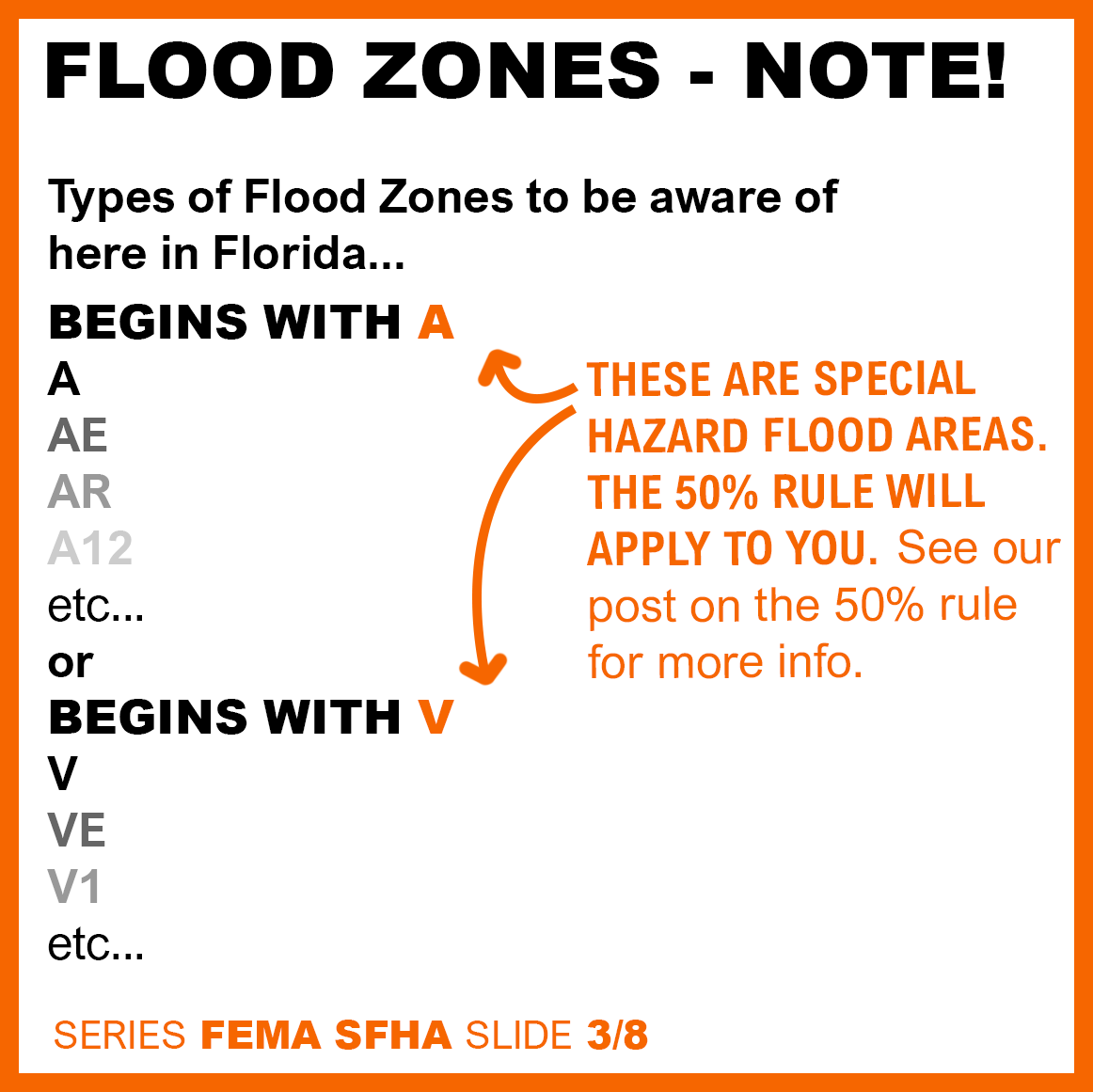
FEMA’s FIRMs categorize SFHAs into various zones, each indicating a specific level and type of flood risk. Understanding these distinctions is vital for assessing financial exposure and insurance requirements:
- Zone A: Areas with a 1% annual chance of flooding and no determined Base Flood Elevation (BFE). This means the flood elevation is not precisely known, but the risk is present.
- Zone AE: Areas with a 1% annual chance of flooding, where BFEs have been determined. This is one of the most common SFHA designations and provides specific flood elevation data crucial for construction and insurance.
- Zone AH: Areas with a 1% annual chance of shallow flooding (1 to 3 feet of ponding) with average depths derived from detailed analyses. BFEs are shown within these zones.
- Zone AO: Areas with a 1% annual chance of shallow flooding (1 to 3 feet of sheet flow) with average depths derived from detailed analyses. Flow paths are usually well-defined, and BFEs are shown.
- Zone V (and VE): Coastal flood areas with a 1% annual chance of flooding and an additional hazard associated with storm-induced velocity wave action. Zone VE includes determined BFEs. These zones represent the highest risk and often come with more stringent building codes and higher insurance premiums due to the destructive force of waves.
Areas outside of SFHAs are typically designated as Zone X (or Zones B and C on older maps), indicating moderate to minimal flood risk. While flood insurance is not federally mandated in these zones, it is still available and often recommended, as floods can occur outside designated high-risk areas.
Financial Implications for Property Owners
The designation of a property within an SFHA carries significant and often mandatory financial implications that every property owner or prospective buyer must consider. These implications extend beyond immediate costs, affecting long-term property value, lending options, and overall financial planning.
Mandatory Flood Insurance Requirements
Perhaps the most direct financial consequence of owning property in an SFHA is the mandatory requirement for flood insurance. If a property is located in an SFHA and has a mortgage from a federally regulated or insured lender, federal law mandates the purchase of flood insurance. This insurance must be maintained for the life of the loan. Unlike standard homeowner’s insurance, which typically covers perils like fire, theft, and wind damage, flood insurance specifically protects against losses directly caused by flooding. The cost of this insurance, known as the premium, can vary significantly based on the property’s flood zone designation, its elevation relative to the Base Flood Elevation (BFE), the age of the structure, and other factors. For many, this represents a substantial annual expense that must be factored into their budget.
Impact on Property Value and Mortgage Lending
The SFHA designation can have a multifaceted impact on property values and the mortgage lending process. While a property’s value is influenced by numerous factors, being in an SFHA can introduce an additional layer of complexity. Some buyers may be deterred by the mandatory flood insurance costs, the perceived risk of flooding, or the potential for building restrictions, which could, in turn, affect market demand and property valuations. Lenders, too, have a vested interest in flood risk. They are obligated to ensure that properties within an SFHA are adequately insured to protect their investment. This can sometimes lead to more rigorous appraisal processes, potentially higher closing costs, and, in some cases, a limited pool of lenders willing to finance properties in the highest-risk zones. The requirement for flood insurance also adds to the total monthly housing cost, which can impact a buyer’s debt-to-income ratio and their overall affordability for a mortgage.
Cost Considerations and Premiums
Flood insurance premiums are not static; they are determined by a complex underwriting process, especially under FEMA’s new Risk Rating 2.0 methodology. This new system aims to provide more equitable and individualized pricing, taking into account a broader range of flood risk variables. Factors influencing premiums include:
- Foundation Type: Properties with basements typically face higher premiums than those on slabs or elevated foundations.
- Elevation: The elevation of the lowest floor relative to the BFE is a critical determinant. Properties built above the BFE often qualify for lower rates.
- Replacement Cost: The cost to rebuild the structure.
- Prior Claims History: Properties with a history of flood claims may incur higher premiums.
- Distance to Water: Proximity to a body of water can influence risk.
- Flood Zone Designation: While Risk Rating 2.0 places less emphasis on the flood zone itself, it still plays a role in identifying areas where flood risk is present.
Property owners must be prepared for these ongoing costs and understand that premiums can change over time based on updated flood maps, new risk assessments, or changes in federal policy. Budgeting for these expenses is a crucial part of responsible financial management for properties within SFHAs.
Navigating SFHA Regulations and Requirements

Understanding the financial implications of an SFHA is only one piece of the puzzle; navigating the associated regulations and requirements is equally crucial for property owners and developers. These regulations are designed to minimize flood damage, protect lives, and ensure the long-term viability of communities.
Obtaining Flood Zone Information
The first step for any property owner or prospective buyer is to accurately determine a property’s flood zone status. The most reliable source for this information is FEMA’s Flood Map Service Center (MSC) website (msc.fema.gov). By entering an address, users can view the latest Flood Insurance Rate Map (FIRM) for their area, identify the specific flood zone designation, and determine the Base Flood Elevation (BFE) if applicable. Additionally, local planning departments or building officials are excellent resources, as they maintain copies of FIRMs and can provide guidance on local floodplain management ordinances. Real estate agents, insurers, and land surveyors also often assist in obtaining and interpreting this critical information during property transactions.
Building Codes and Development Restrictions
Properties within an SFHA are subject to specific building codes and development restrictions that go beyond standard construction requirements. These regulations, often enforced at the local level through floodplain management ordinances, aim to reduce future flood risks. Common requirements include:
- Elevation Requirements: New construction and substantial improvements to existing structures in SFHAs often must have their lowest floor (including basements) elevated to or above the BFE. This can involve elevating the entire structure on stilts, piers, or fill.
- Flood-Resistant Materials: Materials used below the BFE must be resistant to flood damage. This includes specific types of insulation, wallboard, and flooring that can withstand water exposure.
- Anchoring and Venting: Structures must be adequately anchored to resist flotation, collapse, or lateral movement. Enclosures below elevated floors (e.g., garages or storage areas) typically require flood vents to allow floodwaters to enter and exit, equalizing pressure and preventing structural damage.
- Restrictions on Fill and Development: Communities often have limits on the amount of fill material that can be brought into an SFHA to prevent displacement of floodwaters, which could increase flooding elsewhere. There may also be restrictions on development in designated floodways, which are areas reserved for the discharge of floodwaters.
These regulations can significantly impact construction costs, design choices, and the feasibility of certain development projects. Property owners planning renovations or new construction in an SFHA must consult with local floodplain administrators early in the process to ensure compliance and avoid costly errors.
The Letter of Map Amendment (LOMA) Process
In some instances, a property or a portion of it may be inadvertently mapped into an SFHA, even though the lowest ground elevation on the property is actually above the BFE. This can occur due to inconsistencies between the ground elevation shown on the flood map and the actual ground elevation, or because of new development that has altered local topography. For such cases, FEMA offers a process called a Letter of Map Amendment (LOMA) or a Letter of Map Revision Based on Fill (LOMR-F).
A LOMA is an official amendment to the effective FIRM. If FEMA approves a LOMA, it removes the federal flood insurance requirement for a property, though flood insurance would still be available voluntarily. The application process typically requires a property owner to submit an application to FEMA, along with a certified elevation survey prepared by a licensed land surveyor. While obtaining a LOMA can be a complex and time-consuming process, it can lead to significant financial savings by eliminating mandatory flood insurance premiums. It’s an important financial tool for property owners who believe their property’s flood risk has been overestimated by existing flood maps.
Mitigating Risk and Protecting Your Investment
Living or owning property in a Special Flood Hazard Area (SFHA) inherently involves a degree of risk, but this does not mean property owners are powerless. Proactive strategies for risk mitigation, adequate financial protection, and informed long-term planning can significantly reduce potential financial losses and enhance the safety of inhabitants.
Strategies for Flood Preparedness
Effective flood preparedness is the first line of defense against the financial and personal devastation a flood can cause. Property owners in SFHAs should develop a comprehensive preparedness plan that includes:
- Emergency Kit: Assemble a kit with essential supplies like water, non-perishable food, flashlights, batteries, a first-aid kit, and important documents (insurance policies, identification, financial records) stored in waterproof containers.
- Evacuation Plan: Establish clear evacuation routes and meeting points for all household members, including pets. Familiarize yourself with local emergency alerts and evacuation procedures.
- Property Protection Measures: Implement physical measures to protect your property. This can include elevating critical utilities (electrical panels, furnaces, water heaters) above the BFE, installing backflow valves in sewer lines, and securing outdoor furniture or equipment. For properties at severe risk, consider installing floodgates or barriers for doors and windows.
- Landscaping Solutions: Strategic landscaping can help divert water away from your home. This might involve grading your yard, installing rain gardens, or ensuring proper drainage systems are in place.
These actions, while requiring initial investment of time and resources, can significantly reduce the extent of damage and disruption should a flood occur, thereby safeguarding your financial assets.
The Importance of Adequate Coverage
While mandatory flood insurance is a given for many in SFHAs, ensuring adequate coverage is paramount. Property owners should not simply purchase the minimum required coverage but rather assess their true replacement costs and potential economic losses.
- Review Policy Limits: Standard NFIP policies have coverage limits (e.g., $250,000 for building coverage and $100,000 for contents). If your home’s value or contents exceed these limits, consider supplementing your NFIP policy with an excess flood insurance policy from the private market.
- Contents Coverage: Many homeowners overlook contents coverage. Inventory your personal belongings, especially high-value items, and ensure your policy adequately covers their replacement cost.
- Deductibles: Understand your deductible options. A higher deductible can lower premiums but means a greater out-of-pocket expense in the event of a claim. Choose a deductible that aligns with your financial comfort level.
- Business Interruption: For business owners in SFHAs, consider business interruption insurance as part of your overall flood protection strategy, which can cover lost income and operating expenses if your business is forced to close due to flood damage.
Regularly review your flood insurance policy with your agent to ensure it accurately reflects your property’s value, any improvements made, and current risk assessments. Relying solely on federal disaster assistance is not a viable long-term strategy, as it often comes in the form of low-interest loans that must be repaid.
Long-Term Financial Planning in Flood Zones
Owning property in an SFHA requires a forward-thinking approach to financial planning. This includes:
- Emergency Fund: Maintain a robust emergency fund specifically for unexpected home repairs or extended living expenses in the event of a flood, even with insurance. There are always uncovered costs, deductibles, and delays.
- Property Upgrades: Invest in flood-resistant improvements over time. Elevating a home, installing dry floodproofing (for non-residential structures), or implementing wet floodproofing (designing a building to withstand flooding with minimal damage) can reduce future premiums and increase resilience.
- Resale Value Considerations: Understand that the SFHA designation and associated costs will likely be a factor for future buyers. Transparently communicating these aspects and showcasing any flood mitigation efforts can help maintain property appeal.
- Stay Informed: Keep abreast of changes to FEMA flood maps, local floodplain ordinances, and flood insurance program reforms (like Risk Rating 2.0). These changes can directly impact your premiums and property requirements.
By proactively addressing flood risk through preparedness, comprehensive insurance, and strategic financial planning, property owners in SFHAs can better protect their investments, minimize financial hardship, and foster a greater sense of security in the face of natural hazards.
aViewFromTheCave is a participant in the Amazon Services LLC Associates Program, an affiliate advertising program designed to provide a means for sites to earn advertising fees by advertising and linking to Amazon.com. Amazon, the Amazon logo, AmazonSupply, and the AmazonSupply logo are trademarks of Amazon.com, Inc. or its affiliates. As an Amazon Associate we earn affiliate commissions from qualifying purchases.