
Serology, the scientific study of blood serum and other bodily fluids, stands as a fundamental pillar in modern medicine, offering critical insights into disease diagnosis, immunity, and overall health status. While its core principles delve into the biological interactions of antibodies and antigens, the remarkable advancements in serologic testing over recent decades are inextricably linked to a relentless march of technological innovation. Far from being a mere biological process, serology today is a sophisticated field driven by cutting-edge engineering, advanced software, artificial intelligence, and digital connectivity, firmly placing it within the realm of crucial health technology.
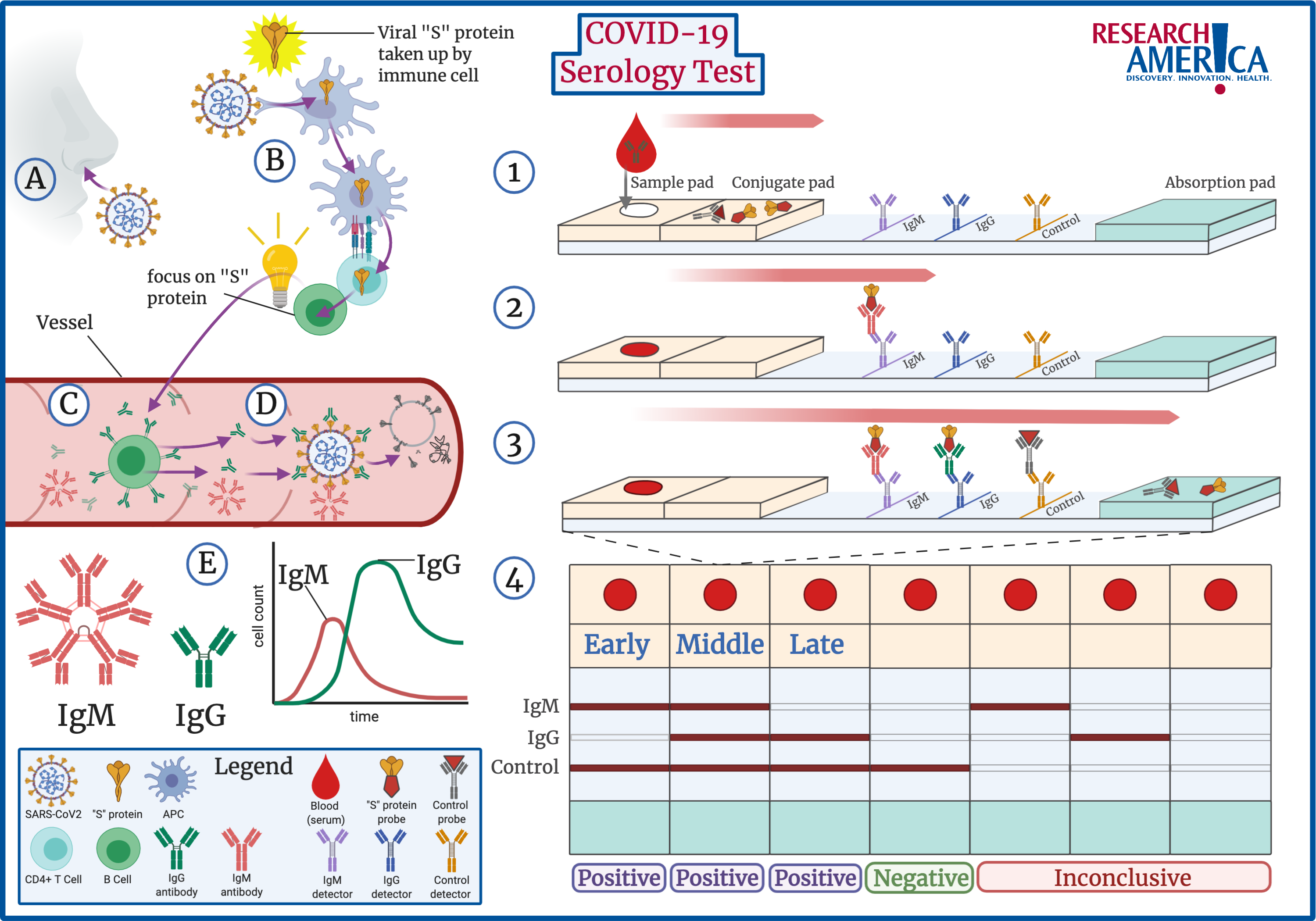
At its heart, serologic testing reveals the body’s immune response to various pathogens, allergens, or even self-components in autoimmune conditions. It is the primary method for detecting past or present infections, assessing vaccine effectiveness, blood typing, and diagnosing a myriad of conditions from infectious diseases like HIV and hepatitis to autoimmune disorders such as lupus. What began with relatively simple agglutination reactions has evolved into a high-throughput, data-rich diagnostic enterprise, thanks to an array of technological breakthroughs that have transformed laboratory practices, enhanced analytical capabilities, and broadened its applicability across the healthcare spectrum. Understanding “what is serologic” in today’s context means appreciating its profound technological underpinnings and its vital role in the health tech ecosystem.
The Core Science and Its Technological Evolution
The journey of serology from a manual, often subjective science to a highly automated, objective discipline is a testament to technological progress. The fundamental principle remains the detection of specific antibodies produced by the immune system or antigens from pathogens, but the methods of detection, quantification, and interpretation have been revolutionized by engineering and computational advancements.
Defining Serology in the Age of Information
Traditionally, serologic tests relied on observable reactions like clumping (agglutination) when antibodies bound to antigens. While still relevant in some contexts, the demand for higher sensitivity, specificity, and throughput has ushered in an era dominated by advanced immunoassay techniques. Technologies like Enzyme-Linked Immunosorbent Assay (ELISA), Western Blot, Immunofluorescence Assay (IFA), and various chemiluminescence immunoassays (CLIAs) now form the backbone of serologic diagnostics. These methods leverage sophisticated detection systems, often involving spectrophotometers, fluorimeters, or luminometers, which are themselves highly precise technological instruments.
The shift isn’t just in the assay chemistry but also in the digital capture and analysis of results. Modern serology is defined by precise measurements of light intensity, fluorescence, or luminescence, converted into digital data points. This data is then processed by specialized software, enabling accurate quantification of antibody or antigen levels, far surpassing the capabilities of visual interpretation. This digital transformation has not only improved diagnostic accuracy but also paved the way for unprecedented data management and analysis capabilities.
From Benchtop to Automation: The Rise of Robotic Labs
Perhaps one of the most visible technological transformations in serology is the widespread adoption of automation. Manual pipetting, reagent addition, washing steps, and incubation times in traditional assays were laborious, prone to human error, and severely limited throughput. The advent of robotics and laboratory automation systems has entirely reshaped this landscape.
Today’s serology labs feature sophisticated liquid handling systems, robotic plate handlers, automated incubators, and integrated readers that can process hundreds, if not thousands, of samples simultaneously with minimal human intervention. These systems are programmed to perform complex assay protocols with incredible precision and speed, ensuring consistency and reproducibility across batches. This technological leap has been critical, especially during global health crises like the COVID-19 pandemic, where rapid and high-volume serologic testing was essential for tracking infection spread and vaccine efficacy. Automation not only boosts efficiency and reduces operational costs but also enhances biosafety by minimizing direct human contact with potentially infectious samples. This integration of robotics and precision engineering makes modern serology a prime example of advanced health technology in action.
Digitalizing Serology: Software, Data, and Connectivity
The sheer volume of data generated by automated serologic testing necessitates robust digital infrastructure. Beyond the physical automation of laboratory processes, the digitalization of serology encompasses sophisticated software solutions for data management, analysis, and integration with broader healthcare systems.
Laboratory Information Systems (LIS) and Data Management
At the core of digital serology labs are Laboratory Information Systems (LIS). These comprehensive software platforms are essential for managing every aspect of the testing workflow, from sample registration and tracking through analysis and result reporting. When a sample enters the lab, the LIS assigns it a unique identifier, tracks its journey through various automated instruments, collates results, and performs quality control checks. The LIS ensures data integrity, audit trails, and compliance with regulatory standards.
Moreover, LIS integration with Electronic Health Records (EHRs) is paramount for seamless patient care. Serologic test results are automatically transmitted to a patient’s digital health record, providing clinicians with immediate access to vital diagnostic information. This connectivity streamlines workflows, reduces transcription errors, and enables a holistic view of a patient’s health, facilitating faster clinical decisions and improved patient outcomes. The security of this data, often sensitive health information, is maintained through advanced encryption and cybersecurity protocols, making digital security a critical component of serologic technology.
The Power of AI and Machine Learning in Serologic Analysis

The explosion of serologic data has opened unprecedented opportunities for leveraging artificial intelligence (AI) and machine learning (ML). AI algorithms are increasingly employed to interpret complex serologic patterns, especially in assays that produce intricate visual data, such as Western Blots or multi-parametric panels. Machine learning models can be trained on vast datasets of known positive and negative samples to identify subtle patterns that might be missed by the human eye or even conventional statistical methods, leading to more accurate and objective interpretations.
Beyond simple interpretation, AI is transforming serology into a predictive science. By analyzing longitudinal serologic data alongside clinical outcomes, ML algorithms can identify biomarkers or serological “signatures” that predict disease progression, response to therapy, or vaccine durability. For instance, AI could analyze a person’s antibody profile to forecast their long-term immunity against a particular virus or identify individuals at higher risk for developing autoimmune complications. This capability shifts serology from purely diagnostic to truly prognostic, unlocking new frontiers in personalized medicine and public health surveillance. The development of AI-powered diagnostic platforms represents a significant leap in using intelligent software to enhance the utility and impact of serologic testing.
Cutting-Edge Technologies Driving Serologic Innovation
The technological evolution in serology is continuous, driven by the demand for faster, more accurate, and more accessible diagnostic tools. Researchers and engineers are constantly pushing boundaries, integrating advancements from diverse fields into serologic applications.
Miniaturization and Point-of-Care (POC) Serology
One of the most impactful technological trends in serology is miniaturization, leading to the development of Point-of-Care (POC) testing devices. These compact, often handheld instruments enable serologic testing outside traditional laboratory settings, bringing diagnostics closer to the patient. Microfluidics, the science of manipulating fluids at the micro-scale, is central to many POC devices. “Lab-on-a-chip” technologies integrate all the necessary components for an immunoassay onto a small chip, requiring minimal sample volume and producing rapid results.
The integration of POC serology with smartphone technology further enhances accessibility. Devices that connect to smartphones can leverage the phone’s camera for reading results, its processing power for analysis, and its connectivity for data transmission to cloud platforms or EHRs. This has profound implications for global health, enabling rapid screening for infectious diseases in remote areas, facilitating timely clinical decisions in emergency departments, and empowering individuals with personal health monitoring tools. The development of these user-friendly, high-tech devices exemplifies the convergence of engineering, software, and medical diagnostics.
Next-Generation Serologic Assays and Biomarker Discovery
Innovation in serology also involves the development of next-generation assays that offer enhanced capabilities. Multiplexing technologies, for instance, allow for the simultaneous detection of multiple antibodies or antigens from a single small sample. Technologies like bead-based arrays or protein microarrays can screen for dozens or even hundreds of targets at once, providing a comprehensive serologic profile. This is invaluable for differential diagnosis, vaccine development, and understanding complex immune responses.
Furthermore, high-resolution mass spectrometry is increasingly being employed in serology for novel biomarker discovery. By precisely identifying and quantifying proteins, peptides, or metabolites in serum, mass spectrometry can uncover new serologic markers for early disease detection, disease subtyping, or monitoring treatment efficacy. The integration of these advanced analytical techniques with genomic and proteomic data promises a more holistic and predictive understanding of human health and disease. These sophisticated instruments and analytical software tools are at the forefront of biomedical technology, pushing the boundaries of what serologic analysis can reveal.
The Future Landscape: Serology at the Forefront of Health Tech
Looking ahead, serology is poised to play an even more critical role in the future of health technology, driven by its potential for personalization, prediction, and seamless integration with digital health ecosystems.
Personalized Medicine and Predictive Diagnostics
Advanced serologic profiling will become a cornerstone of personalized medicine. By providing detailed insights into an individual’s immune status, exposure history, and potential disease risks, serology can help tailor preventive strategies, vaccination schedules, and therapeutic interventions. Predictive diagnostics, powered by AI analysis of serologic signatures, will enable earlier detection of diseases, sometimes even before symptoms appear. For chronic conditions or cancer, serologic biomarkers could monitor disease activity, predict relapse, or assess the effectiveness of targeted therapies. The concept of “companion diagnostics,” where a serologic test guides the selection of a specific drug for a patient, will become more prevalent, ensuring that treatments are optimized for individual biological profiles. This shift transforms serology from reactive diagnosis to proactive health management.

Bridging Serology with Digital Health and Telemedicine
The future will see tighter integration of serologic data with broader digital health platforms and telemedicine services. Remote monitoring devices, potentially incorporating micro-sampling or continuous sensing technologies, could provide real-time or near real-time serologic data. This data could feed into digital health applications, offering personalized health insights, alerts, and recommendations directly to individuals and their healthcare providers.
Imagine a “digital twin” of a patient, a virtual representation of their health state, constantly updated with data streams including serologic profiles. This digital twin, powered by AI and vast health datasets, could simulate disease progression, predict responses to different interventions, and optimize health management strategies. Telemedicine consultations could be augmented with remotely collected serologic data, enabling comprehensive diagnostics and follow-ups without requiring in-person lab visits. This seamless integration of serology with digital health ecosystems underscores its growing importance as a vital component of future health technology.
In conclusion, “what is serologic” transcends a simple biological definition. It represents a dynamic field where scientific understanding merges with groundbreaking technological innovation to deliver essential insights into human health. From automated laboratories and sophisticated software to AI-powered analytics and miniaturized point-of-care devices, technology has not just facilitated serology but has fundamentally redefined it. As health tech continues its rapid evolution, serology will undoubtedly remain at the forefront, leveraging new engineering marvels, data science breakthroughs, and digital connectivity to drive personalized medicine, enhance public health surveillance, and unlock unprecedented avenues for disease prevention and treatment. Its ongoing transformation solidifies its position as a critical, ever-evolving pillar within the expansive domain of medical technology.
aViewFromTheCave is a participant in the Amazon Services LLC Associates Program, an affiliate advertising program designed to provide a means for sites to earn advertising fees by advertising and linking to Amazon.com. Amazon, the Amazon logo, AmazonSupply, and the AmazonSupply logo are trademarks of Amazon.com, Inc. or its affiliates. As an Amazon Associate we earn affiliate commissions from qualifying purchases.