
In a world increasingly characterized by instant gratification, fleeting trends, and complex financial landscapes, the concept of self-mastery stands as a powerful, enduring beacon. While often discussed in psychological or philosophical terms, its profound implications for our financial lives are frequently underestimated. Self-mastery, at its core, is the ability to control one’s own desires, impulses, emotions, and actions to achieve long-term goals and live in alignment with one’s values. For anyone aspiring to build wealth, achieve financial independence, or simply manage their money more effectively, self-mastery is not merely a desirable trait—it is an indispensable skill.
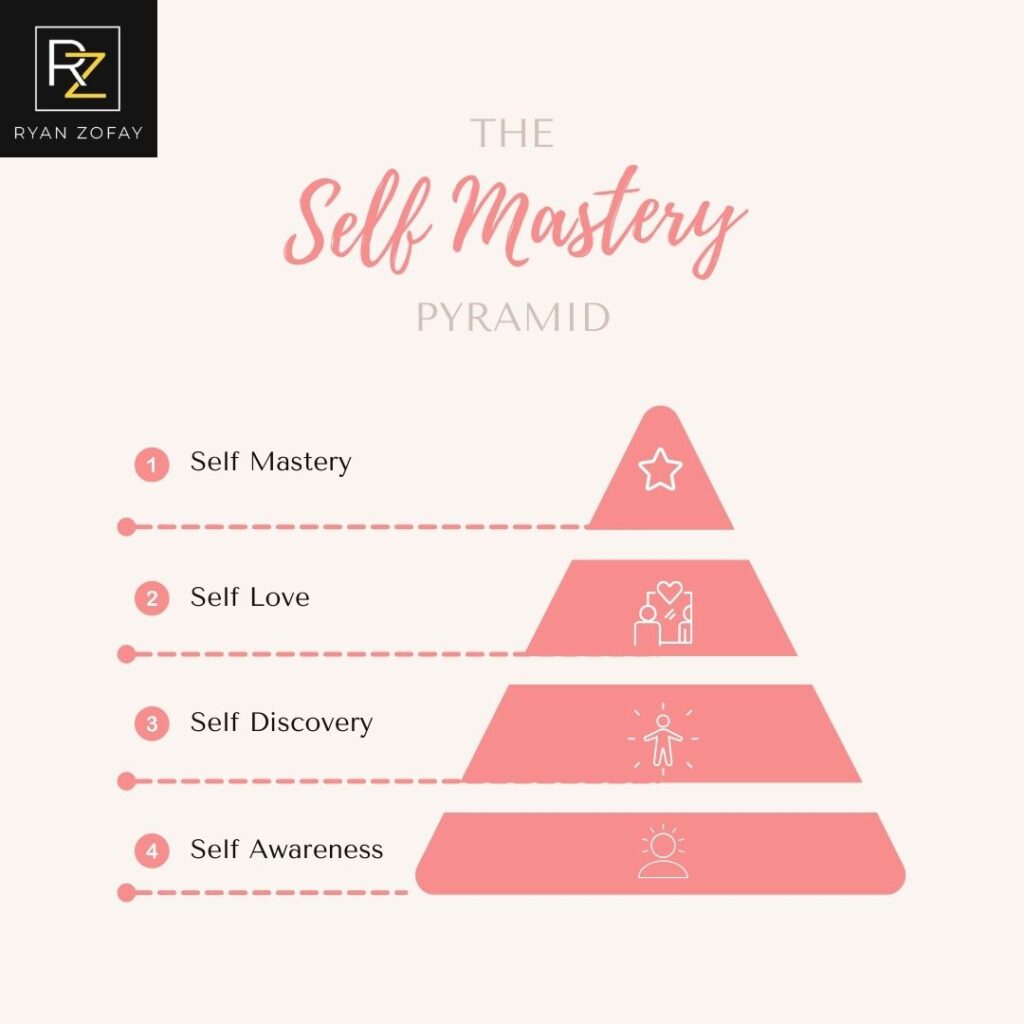
This article delves into the essence of self-mastery through a financial lens, exploring how cultivating this inner discipline can profoundly impact your personal finance, investing strategies, online income generation, and overall business acumen. It’s about more than just budgeting or knowing which financial tools to use; it’s about mastering yourself so you can master your money.
The Foundation of Financial Self-Mastery
Before we can even talk about spreadsheets and investment portfolios, the journey to financial self-mastery begins with a deep dive into our own internal workings. Our relationship with money is often a reflection of our psychology, habits, and emotional responses.
Understanding Your Financial Psychology: Addressing Impulses, Fears, and Biases
Every financial decision we make, from a spontaneous online purchase to a long-term investment strategy, is influenced by a complex interplay of psychological factors. Without self-mastery, we are often unwitting puppets of these internal forces. Impulsivity, for instance, drives many people into debt, fueled by the immediate gratification of acquiring something new versus the delayed reward of saving. Fear can paralyze investors, leading them to sell valuable assets during market downturns, locking in losses rather than patiently waiting for recovery. Greed can push others into speculative ventures without adequate research, chasing quick riches that rarely materialize.
Financial self-mastery requires an honest appraisal of these psychological tendencies. It involves identifying your personal money biases – perhaps an inherent aversion to risk, a tendency to “keep up with the Joneses,” or an emotional attachment to certain spending habits. Once acknowledged, these tendencies can be consciously managed. It’s about building awareness around why you spend, save, or invest the way you do, rather than simply what you do. This self-awareness is the first critical step toward gaining control over your financial destiny.
Cultivating Discipline and Delayed Gratification: Essential for Saving, Investing, and Avoiding Debt
Perhaps no two traits are more synonymous with financial success than discipline and delayed gratification. Self-mastery in finance is fundamentally about making the choice to forgo immediate pleasure for greater future reward. This might mean consistently contributing to a retirement fund instead of upgrading to the latest gadget, sticking to a strict budget even when tempted by enticing sales, or patiently allowing your investments to compound over decades rather than cashing out prematurely.
Delayed gratification is a muscle that strengthens with use. It’s the ability to pause, reflect, and make a conscious decision that aligns with your long-term financial goals, even if it feels uncomfortable in the short term. This discipline translates directly into consistent saving, strategic investing, and effective debt avoidance. It enables you to resist lifestyle creep, adhere to a financial plan, and make prudent choices that pave the way for true financial freedom. Without this inner strength, even the best financial advice will fall flat, as inconsistent action undermines even the most well-intentioned plans.
Setting Clear, Actionable Financial Goals: Linking Self-Mastery to Goal Setting
Self-mastery isn’t just about restraint; it’s also about proactive direction. It’s the drive to define a compelling future and then align every action towards its realization. In finance, this translates into setting clear, actionable, and ambitious goals. Whether it’s saving for a down payment, launching a side hustle, achieving early retirement, or paying off student loans, these goals provide the necessary framework for applying self-mastery.
Without clear goals, discipline can feel arbitrary, and delayed gratification can seem pointless. Self-mastery empowers you to not only set these goals but also to break them down into manageable, actionable steps. It provides the resilience to stay committed when progress is slow, the focus to avoid distractions, and the adaptability to adjust your approach when circumstances change. A master of self doesn’t just dream; they meticulously plan and execute, using their inner control to navigate the path to their desired financial future.
Practical Applications of Self-Mastery in Personal Finance
With a strong foundation of self-awareness, discipline, and goal-setting, self-mastery can be applied to the everyday mechanics of personal finance, transforming mundane tasks into powerful tools for wealth building.
Budgeting and Mindful Spending: Beyond Numbers – Mastering Your Consumption Habits
Budgeting is often perceived as restrictive and tedious, a mere exercise in tracking numbers. However, with self-mastery, budgeting transcends simple arithmetic and becomes an active practice of mindful spending. It’s about consciously allocating your resources in a way that reflects your values and propels you towards your goals, rather than passively letting money slip through your fingers.
Self-mastery here means resisting impulsive purchases, questioning every expense, and differentiating between needs and wants. It’s about developing the discipline to say “no” to immediate desires in favor of long-term financial health. Mindful spending, enabled by self-mastery, transforms budgeting from a chore into a powerful mechanism for controlling your consumption habits. You become the conductor of your financial orchestra, directing where every dollar plays its part, rather than letting your money be spent by default or external pressures. This deep engagement with your spending cultivates a sense of empowerment and control.
Strategic Saving and Investing: The Discipline of Consistent Contribution and Patience
Saving and investing are the twin pillars of wealth accumulation, and both demand a high degree of self-mastery. Consistent saving requires the discipline to regularly set aside a portion of your income, regardless of immediate wants or even temporary financial pressures. It’s about automating savings, treating your future self as a priority, and resisting the urge to dip into your nest egg prematurely.
Investing, on the other hand, demands patience, emotional regulation, and a long-term perspective. Self-mastery allows you to stay the course during market volatility, resisting the panic selling that often dooms less disciplined investors. It enables you to consistently contribute to your investment portfolio, leveraging the power of dollar-cost averaging and compounding. It’s about adhering to your investment strategy, understanding that true wealth is built steadily over time, not through speculative gambles. The ability to endure short-term fluctuations and trust in the long-term growth of your assets is a hallmark of the financially self-mastered individual.
Debt Management and Avoidance: Self-Mastery in Making Smart Borrowing Decisions and Adhering to Repayment Plans
Debt can be a powerful inhibitor of financial freedom. Self-mastery plays a crucial role not only in managing existing debt but also in preventing its accumulation. When faced with debt, self-mastery provides the resolve to create and stick to a rigorous repayment plan, prioritizing debt payments over discretionary spending. This might involve adopting strategies like the debt snowball or avalanche methods, both of which require unwavering commitment.
Furthermore, self-mastery helps in making smart borrowing decisions. It’s the inner strength to question whether a loan is truly necessary, to understand the full implications of interest rates, and to avoid taking on debt for depreciating assets or non-essential items. It’s about recognizing the psychological trap of easy credit and choosing financial prudence over immediate gratification. By mastering your desires and understanding the long-term consequences of your financial choices, you can effectively manage existing debt and build a robust defense against future borrowing pitfalls.

Self-Mastery for Wealth Creation and Entrepreneurship
Beyond managing personal finances, self-mastery is an indispensable trait for those looking to actively create wealth, whether through online income streams, side hustles, or full-fledged entrepreneurial ventures.
Building and Scaling Online Income Streams: The Resilience and Focus Required for Side Hustles and Businesses
The digital age offers unprecedented opportunities for generating income outside of traditional employment, from freelancing and e-commerce to content creation and app development. However, building and scaling these online income streams demands significant self-mastery. It requires the resilience to push through initial failures, the focus to dedicate consistent effort outside of your primary job, and the discipline to continuously learn new skills and adapt to evolving markets.
An aspiring entrepreneur or side hustler must master their time management, allocate resources wisely, and maintain motivation even when results are slow to materialize. They must overcome procrastination, manage distractions, and develop a strong work ethic without external supervision. Self-mastery allows you to remain persistent, refine your strategies, and make the difficult decisions necessary to grow your venture from a nascent idea into a profitable enterprise. It’s the inner drive that keeps you researching, building, and marketing, even after a long day at your primary job.
Entrepreneurial Mindset and Financial Resilience: Overcoming Setbacks, Continuous Learning, and Adapting
Entrepreneurship is a roller coaster of highs and lows, successes and inevitable setbacks. True self-mastery equips entrepreneurs with the financial resilience to navigate these turbulent waters. It involves mastering your emotional responses to financial losses, market shifts, or business failures, preventing despair from derailing your entire endeavor. Instead of succumbing to frustration, the self-mastered entrepreneur views setbacks as learning opportunities, analyzes what went wrong, and pivots with renewed determination.
This also extends to a commitment to continuous learning. The financial landscape, especially in online business, is constantly evolving. Self-mastery fosters an insatiable curiosity and the discipline to stay updated on new technologies, marketing strategies, and financial tools. It allows you to adapt quickly to changing market conditions, identifying new opportunities while mitigating emerging risks. This proactive and adaptive mindset, rooted in self-mastery, is crucial for long-term financial success in the entrepreneurial arena.
Smart Risk-Taking and Opportunity Recognition: Mastering Fear and Leveraging Calculated Risks
All wealth creation involves some degree of risk. However, there’s a vast difference between reckless gambling and smart, calculated risk-taking. Self-mastery empowers individuals to assess risks objectively, rather than being swayed by fear or excessive optimism. It allows you to analyze potential rewards against potential downsides, make informed decisions, and move forward with conviction.
Furthermore, self-mastery sharpens your ability to recognize genuine financial opportunities. This could be an undervalued investment, a gap in the market for a new product, or an innovative way to leverage existing resources. Without self-mastery, fear of the unknown can lead to paralysis, causing you to miss out on significant growth opportunities. Conversely, an overinflated sense of self-belief can lead to taking on excessive, unmanaged risks. The sweet spot, where opportunities are seized and risks are intelligently managed, is precisely where self-mastery truly shines.
Sustaining Financial Self-Mastery for Long-Term Prosperity
Financial self-mastery isn’t a destination; it’s an ongoing journey. Maintaining discipline, focus, and adaptability is crucial for long-term prosperity in an ever-changing world.
Continuous Learning and Adaptability: Staying Updated with Financial Tools and Market Changes
The financial world is dynamic. New investment vehicles emerge, economic theories are challenged, and digital tools revolutionize how we manage our money. Self-mastery involves a commitment to continuous learning. This means dedicating time to read financial news, explore new investment platforms, understand emerging economic trends, and familiarize yourself with advanced financial tools that can optimize your wealth-building efforts.
Without this adaptability, even the most disciplined individual can find their strategies becoming obsolete. Self-mastery instills the humility to acknowledge what you don’t know and the drive to acquire new knowledge, ensuring your financial strategies remain relevant, efficient, and effective in a constantly evolving market landscape. It’s about proactively seeking out information and integrating it into your financial decision-making process.
Emotional Regulation in Market Volatility: Mastering Fear and Greed in Investing
Market volatility is a given. Stock market crashes, economic recessions, and periods of inflation are an inevitable part of the financial cycle. For many, these periods trigger intense emotions – panic, fear, or, conversely, irrational exuberance. Self-mastery is perhaps most evident in an investor’s ability to regulate these emotions.
It’s the disciplined choice to stick to a well-researched investment plan during a downturn, resisting the urge to sell out of fear. It’s the wisdom to avoid chasing speculative bubbles during periods of irrational exuberance, resisting the temptation of quick, unsustainable gains driven by greed. Mastering fear and greed allows you to act rationally, making decisions based on your long-term strategy and fundamental analysis, rather than succumbing to the emotional swings of the market. This emotional fortitude is a cornerstone of long-term investment success.
Building Habits for Lasting Financial Health: The Power of Routines and Consistency
Ultimately, self-mastery manifests as consistent, positive habits. Financial success isn’t typically the result of one-off grand gestures but rather the accumulation of small, disciplined actions performed repeatedly over time. Automating savings, regularly reviewing your budget, consistently contributing to investment accounts, and continuously educating yourself are all habits forged through self-mastery.
These routines create a powerful compounding effect, not just on your money, but on your character. Each time you make a financially prudent decision, you reinforce the underlying self-mastery that drove it, making the next good decision easier. Building these lasting financial habits means that even when motivation wanes, the established routine carries you forward, ensuring sustained progress toward your financial goals and ultimately, a life of enduring prosperity.
Conclusion
Self-mastery is not a mystical quality reserved for a select few; it is a skill that can be developed, honed, and applied to every aspect of our lives, particularly our financial ones. From understanding our psychological relationship with money to setting clear goals, from budgeting mindfully to investing strategically, and from building resilient side hustles to navigating market volatility, self-mastery is the unseen force that underpins enduring financial success.
By cultivating discipline, embracing delayed gratification, mastering our emotions, and committing to continuous learning, we unlock our potential to not only manage our money but to truly master it. The journey to financial freedom is less about external opportunities and more about internal control. Embrace self-mastery, and you will not only transform your financial future but also empower yourself to live a life of purpose, control, and lasting prosperity.
aViewFromTheCave is a participant in the Amazon Services LLC Associates Program, an affiliate advertising program designed to provide a means for sites to earn advertising fees by advertising and linking to Amazon.com. Amazon, the Amazon logo, AmazonSupply, and the AmazonSupply logo are trademarks of Amazon.com, Inc. or its affiliates. As an Amazon Associate we earn affiliate commissions from qualifying purchases.