
When a global brand decides to expand into Spanish-speaking territories, the first hurdle is often deceptively simple: language. However, as any seasoned brand strategist knows, language is never just about translation; it is about localization. A prime example of this complexity is found in a basic culinary staple. If you ask, “What is sandwich in Spanish?” you won’t get a single answer. Depending on whether you are in Mexico City, Madrid, Buenos Aires, or Bogotá, the answer fluctuates between sándwich, bocadillo, torta, emparedado, or lonche.
For a business, this linguistic variance represents the “Sandwich Strategy”—the art of layering global brand consistency with deep local relevance. This article explores how brands navigate these cultural nuances to build a cohesive corporate identity that resonates across the diverse Spanish-speaking world.

The Linguistic Complexity of a Simple Word
The diversity of the Spanish language is a testament to the rich, fragmented history of the territories where it is spoken. For a brand, treating the Spanish-speaking market as a monolith is a foundational error. The word “sandwich” serves as a perfect microcosm for the broader challenges of brand messaging.
“Bocadillo” vs. “Sándwich”: Understanding Regional Nuances
In Spain, a bocadillo specifically refers to a sandwich made with a rustic baguette or crusty bread. If a brand markets a premium “sandwich” using the English loanword sándwich, the Spanish consumer will likely expect sliced pullman bread (square bread). Using the wrong term doesn’t just confuse the customer; it misaligns the product’s perceived value. A bocadillo feels traditional and hearty, while a sándwich feels light, modern, or perhaps even “fast food.”
In Mexico, the term torta reigns supreme for traditional sandwiches on crusty rolls, while sándwich is reserved almost exclusively for sliced bread. In contrast, Panama and parts of Colombia might use emparedado in formal or traditional contexts. For a brand strategist, choosing the right term is the difference between being perceived as a “local favorite” or a “foreign intruder.”
Why Direct Translation Fails Brand Recognition
Direct translation is the enemy of emotional resonance. When brands rely on literal translations, they often lose the “flavor” of their identity. If a brand’s identity is built on “comfort food,” using a clinical or overly formal term like emparedado in a market that prefers the colloquial sándwich creates a psychological barrier.
Effective branding requires “transcreation”—the process of adapting a message from one language to another while maintaining its intent, style, tone, and context. By understanding that a “sandwich” isn’t just a sandwich, but a cultural touchstone, brands can tailor their copy to fit the specific rhythmic and emotional expectations of their target demographic.
Localization as a Core Brand Pillar
In the modern marketplace, localization is no longer an optional “add-on” for international business; it is a core pillar of brand strategy. The ability to speak the local “slang” of a market—both literally and figuratively—builds a level of trust that global advertising cannot buy.
Adapting Product Names for Cultural Resonance
When a global brand enters a Spanish-speaking market, it faces a critical choice: keep the English name to maintain global prestige, or translate it to foster local intimacy. Many successful brands opt for a hybrid approach. They may keep the overarching brand name in English but localize the product categories.
Consider a hypothetical coffee chain. While the brand name remains “Global Brew,” their menu in Spain might feature bocadillos artesanales, while their menu in Mexico features tortas de la casa. This subtle shift signals to the consumer that the brand has done its homework and respects the local culture. It transforms the brand from a sterile international entity into a participant in the local lifestyle.
The Case Study of Global Fast-Food Giants
Looking at industry leaders like McDonald’s or Subway provides a masterclass in the “Sandwich Strategy.” Subway, for instance, maintains its “Sub” branding globally because the shape of the bread is its visual identity. However, their marketing campaigns in Latin America often lean heavily into local ingredients and regional naming conventions for limited-time offers.
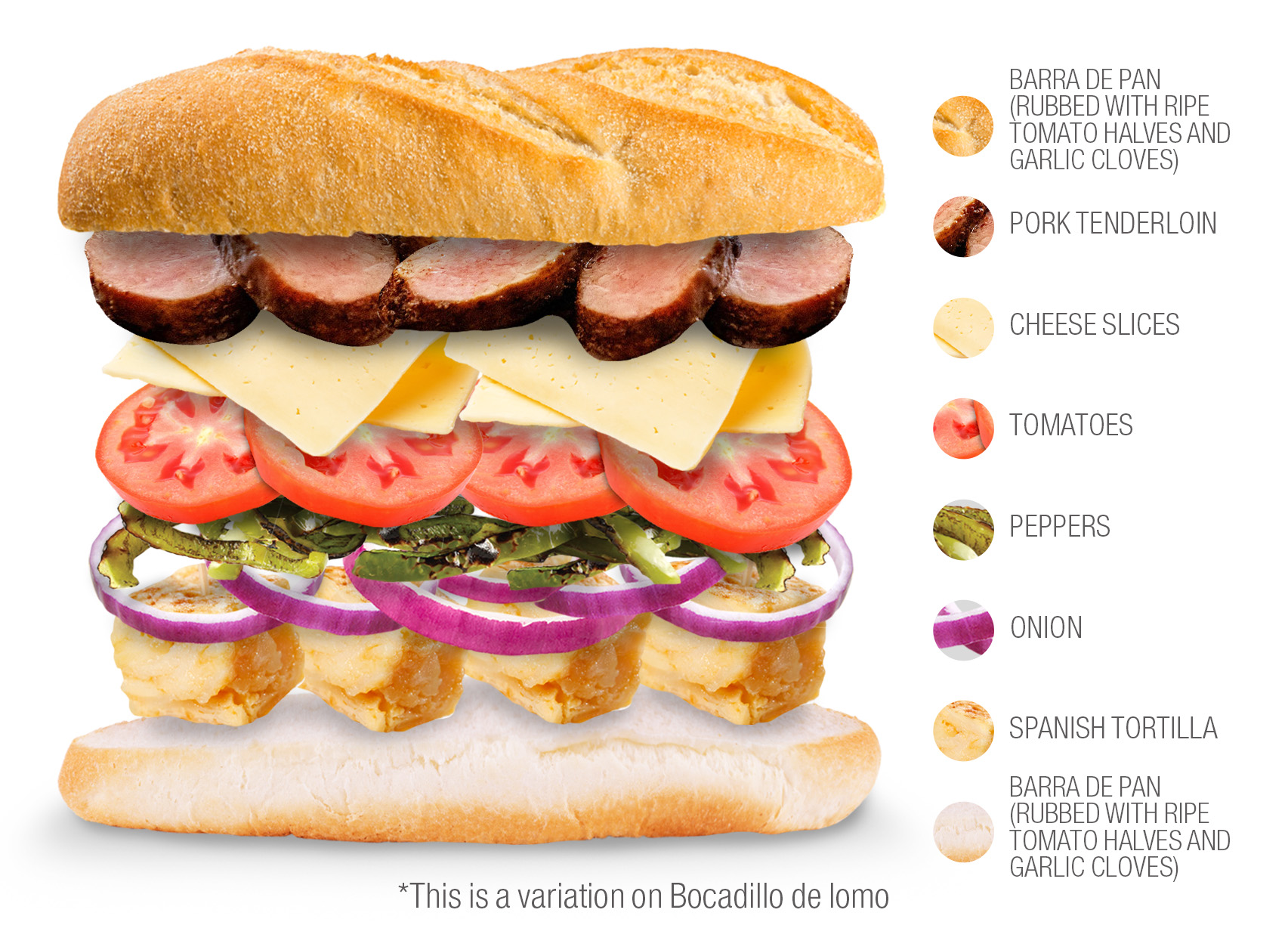
By maintaining a consistent visual “top layer” (the logo and store design) and a consistent “bottom layer” (service standards and quality), they can change the “filling” (the local language, flavors, and marketing hooks). This ensures that while the brand feels familiar anywhere in the world, it never feels out of place.
Visual Identity and Semantic Meaning
Branding is as much about what people see as what they hear. In the Spanish-speaking world, visual cues often work in tandem with linguistic choices to define a brand’s personality.
Color Theory and Food Imagery in Hispanic Branding
Cultural associations with color can vary significantly. In many Spanish-speaking cultures, vibrant colors are associated with freshness and authenticity. When branding a “sandwich” or food product, the visual presentation must match the linguistic choice. A bocadillo marketed with rustic, earth-toned packaging appeals to the Spanish sense of tradition. Conversely, a sándwich marketed with bright, high-contrast colors might appeal to a younger, urban demographic in Chile or Argentina who associate the term with a quick, modern lifestyle.
The imagery must also be localized. A sandwich in a US-based advertisement might feature specific types of lettuce or cheese that are uncommon in the Southern Cone of South America. If the visual doesn’t match what the local consumer recognizes as a “sandwich,” the brand identity suffers a “semantic gap”—a disconnect between what the brand says it is and what the consumer perceives.
Bridging the Gap Between Global Standards and Local Slang
One of the greatest challenges for a brand manager is maintaining “Brand Guidelines” while allowing for local flexibility. The solution lies in creating a framework that defines what is “non-negotiable” (e.g., the logo, the core mission) and what is “adaptable” (e.g., product names, social media tone).
In digital marketing, this is especially prevalent. A brand’s Instagram account for Spain will use different hashtags and slang than its account for Colombia. By empowering local managers to use terms like lonche or torta in their social media copy, the brand maintains an authentic voice that feels human, rather than corporate.
Implementing a “Sandwich Strategy” in Modern Marketing
To successfully implement a localization strategy, brands must adopt a layered approach. This “Sandwich Strategy” involves three distinct layers of corporate communication.
Layering Values: Global Consistency and Local Specificity
- The Top Layer (Global Identity): This is the overarching brand promise. Whether it’s “Quality,” “Speed,” or “Innovation,” this message remains the same regardless of geography.
- The Middle Layer (Regional Localization): This is where the “sandwich” vs. “bocadillo” debate lives. This layer involves adapting marketing materials, product names, and customer service protocols to fit regional linguistic and cultural expectations.
- The Bottom Layer (Foundational Research): This is the data-driven understanding of the market. It involves consumer insights, ethnographic research, and linguistic analysis to ensure the middle layer is executed correctly.
Metrics for Success in Cross-Cultural Brand Expansion
How does a brand know if its “Sandwich Strategy” is working? The metrics go beyond mere sales figures. Brand sentiment analysis is crucial. Are consumers in Mexico talking about the brand as a “cool new option for tortas,” or are they complaining that the brand “doesn’t get us”?
Tracking engagement rates on localized social media content vs. translated global content usually reveals a stark truth: localized content performs significantly better. High-performing brands are those that see a “Sandwich” in Spanish not as a problem to be solved by a dictionary, but as an opportunity to demonstrate cultural intelligence.
Conclusion
The question “What is sandwich in Spanish?” is a gateway into the complex world of global brand strategy. For a business, the answer isn’t a single word—it is a comprehensive plan for localization. By recognizing the regional nuances between a bocadillo, a torta, and a sándwich, a brand demonstrates respect for its audience.
Successful branding in the Spanish-speaking world requires more than just a translation team; it requires a commitment to the “Sandwich Strategy”—layering a consistent global vision with a deep, authentic understanding of local culture. In the end, the brands that thrive are those that realize that while the bread might change from country to country, the heart of the brand must always remain delicious, relatable, and true to its identity.
aViewFromTheCave is a participant in the Amazon Services LLC Associates Program, an affiliate advertising program designed to provide a means for sites to earn advertising fees by advertising and linking to Amazon.com. Amazon, the Amazon logo, AmazonSupply, and the AmazonSupply logo are trademarks of Amazon.com, Inc. or its affiliates. As an Amazon Associate we earn affiliate commissions from qualifying purchases.