
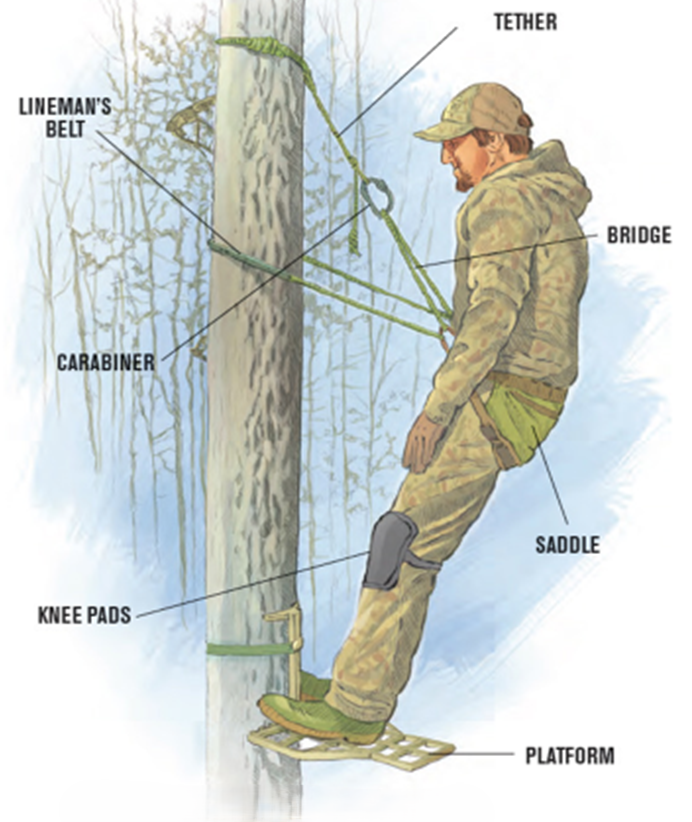
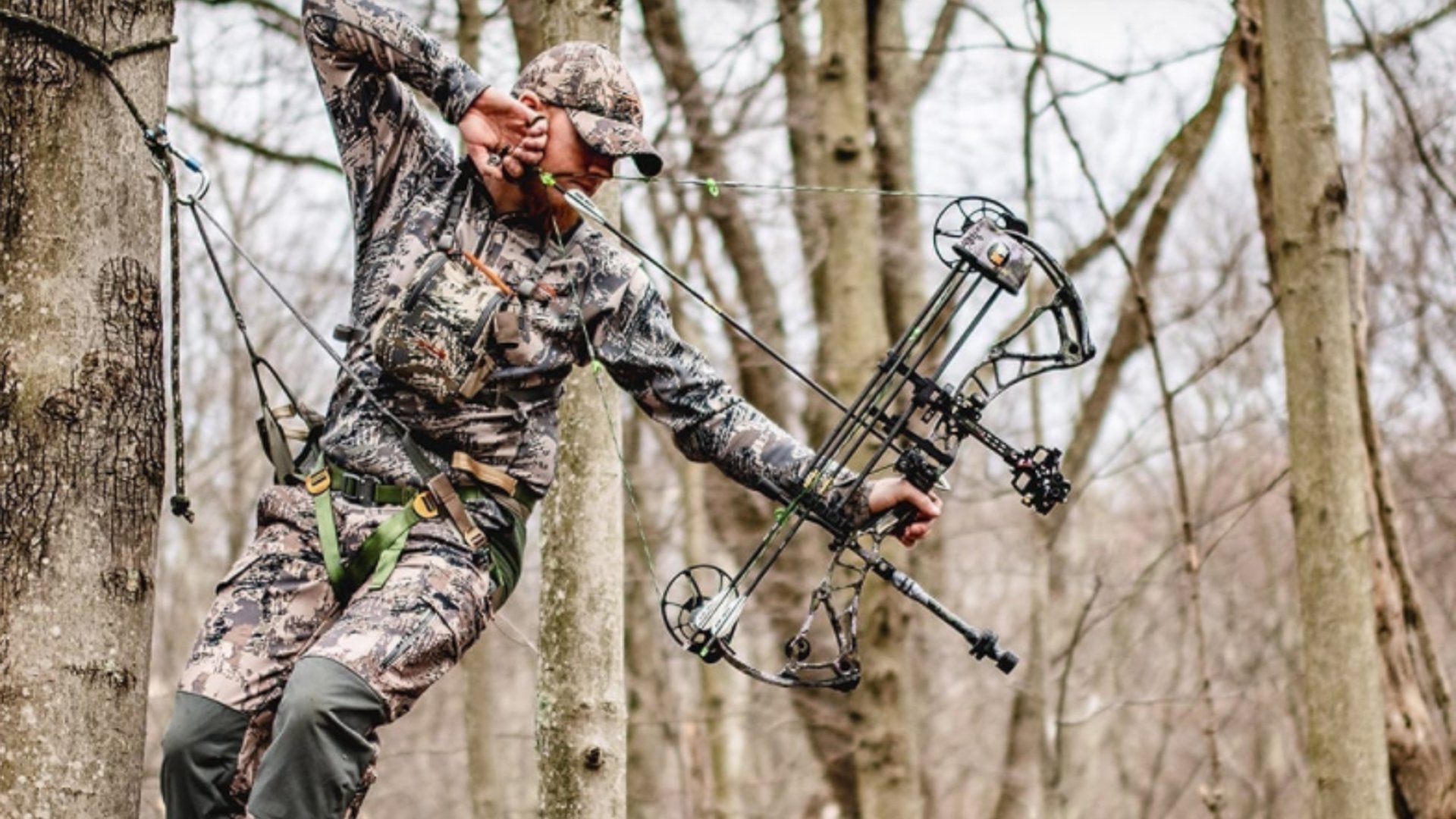
Saddle hunting represents a revolutionary approach to deer hunting, gaining significant traction among enthusiasts seeking greater mobility, efficiency, and often, a more financially astute strategy. At its core, saddle hunting involves using a specialized harness, or “saddle,” worn by the hunter, which attaches to a tree via a tether and a mobile climbing system, typically climbing sticks or an aider. Unlike traditional fixed tree stands or ladder stands, the saddle allows the hunter to ascend a tree and hunt from a seated or leaning position, offering a 360-degree range of motion and an unparalleled level of adaptability to varying terrain and timber.

The burgeoning popularity of saddle hunting is not merely a trend driven by novelty; it’s a calculated shift driven by economic factors, logistical advantages, and a redefined understanding of value in the hunting world. For many, the move to a saddle system is a direct response to the escalating costs and limitations associated with conventional hunting methods, offering a compelling alternative that promises both freedom and fiscal prudence.
The Economic Appeal of Saddle Hunting
The financial benefits are a cornerstone of saddle hunting’s rise. Hunters are increasingly scrutinizing their investments in gear and access, and saddle systems often present a superior return on investment when compared to traditional setups.
Initial Investment vs. Traditional Methods
When evaluating the upfront costs, a complete saddle hunting system—comprising the saddle itself, a set of climbing sticks or a one-stick system, a tether, a lineman’s belt, and ropes—can range from $500 to $1,500. While this might seem comparable to a single high-quality hang-on tree stand or a premium ground blind, the critical difference lies in versatility and longevity.
Traditional methods often necessitate multiple stands strategically placed across various properties or hunting zones. A hunter might invest hundreds or thousands of dollars in multiple hang-on stands, ladder stands, or even expensive fixed blind setups, each permanently or semi-permanently affixed to a specific location. These assets are then subject to theft, weather damage, or obsolescence if hunting patterns change.
In contrast, a single saddle system serves as a portable, all-in-one solution. This initial investment provides a complete hunting platform that can be used day after day, year after year, in any suitable tree across any accessible property. The ability to deploy a single system across diverse hunting grounds significantly reduces the need for redundant equipment purchases, making the saddle a highly efficient capital expenditure for the committed hunter.
Long-Term Savings and Efficiency
The financial advantages of saddle hunting extend far beyond the initial purchase. The sheer portability of a saddle system translates into tangible long-term savings and operational efficiencies.
- Reduced Equipment Costs: By eliminating the need for multiple stands, hunters save significantly on future purchases, maintenance, and replacement costs. The lightweight nature of saddle gear also reduces wear and tear on personal vehicles, as heavy, bulky stands no longer need to be transported.
- Fuel and Time Savings: A lightweight saddle setup allows hunters to traverse greater distances on foot, access remote areas unreachable by ATV, and set up quickly. This efficiency can lead to more successful hunts, reducing the number of trips required and, consequently, fuel consumption. Less time spent scouting for stand locations or struggling with heavy equipment means more valuable hunting time in the field.
- Maximizing Public Land Value: Public land hunting often presents challenges due to varying regulations, heavy pressure, and the need for adaptable strategies. Saddle hunting excels here, allowing hunters to penetrate deep into public land, access overlooked pockets of timber, and set up in trees that might be unsuitable for traditional stands. This capability maximizes the utility and value derived from publicly available hunting resources, effectively extending a hunter’s accessible territory without incurring additional land access fees or leases.
Versatility and Asset Utilization
The inherent versatility of saddle hunting gear directly impacts its financial value. A saddle system is a multi-functional asset, adaptable to almost any huntable tree that can support a hunter’s weight. This contrasts sharply with fixed stands, which are often limited by tree diameter, branch structure, or placement restrictions. The ability to climb higher, position oneself around branches for better concealment, and achieve optimal shot angles from any direction ensures that the investment in a saddle is consistently leveraged to its full potential, providing maximal utility in diverse hunting scenarios.
Saddle Hunting as a Business Catalyst
The rise of saddle hunting has not only transformed individual hunting practices but has also spurred significant entrepreneurial activity, creating new markets and revenue streams within the outdoor industry.
Gear Manufacturing and Retail Opportunities
The specialized nature of saddle hunting has fueled a vibrant ecosystem of gear manufacturers and retailers. Companies, both large and small, are investing heavily in research and development to create lighter, stronger, and more ergonomic saddles, climbing sticks, ropes, and accessories. This niche market, characterized by passionate and often demanding consumers, allows for premium pricing on innovative, high-performance products.
From advanced materials like ultralight aluminum and carbon fiber to sophisticated rope management systems, the demand for cutting-edge solutions drives manufacturing innovation. Retailers, both brick-and-mortar and online, have capitalized on this trend by stocking dedicated saddle hunting sections, hosting educational events, and fostering communities around the equipment. This specialization has created new jobs and investment opportunities, contributing directly to the outdoor recreation economy.
Guiding and Outfitting Services
For professional guides and outfitters, saddle hunting offers a distinct competitive advantage. Guides can leverage the mobility and low-impact nature of saddle systems to offer unique hunting experiences, particularly in areas where traditional stand placement is difficult or prohibited. This allows for tailored hunts, quick adaptations to changing animal patterns, and a lighter footprint on the land, appealing to a growing segment of environmentally conscious hunters.
Furthermore, specialized saddle hunting clinics and guided trips have emerged as lucrative offerings. Guides can teach aspiring saddle hunters the intricacies of safe climbing, optimal setup, and effective hunting techniques, transforming an initial curiosity into a skill set. This educational component adds significant value, positioning guides as experts in a burgeoning field and expanding their service offerings beyond traditional hunt packages.
Monetizing the Saddle Hunting Lifestyle
Beyond direct gear sales and guiding, the saddle hunting phenomenon has opened avenues for individuals to generate income through content creation and bespoke product development.
Content Creation and Influencer Marketing
The visually engaging and skill-intensive nature of saddle hunting makes it ripe for content creation. YouTube channels, blogs, podcasts, and social media platforms dedicated to saddle hunting tutorials, gear reviews, hunt vlogs, and technique breakdowns have cultivated massive followings.
Successful content creators can monetize their platforms through various channels:
- Ad Revenue: From video views and website traffic.
- Affiliate Marketing: Promoting and linking to saddle hunting gear, earning commissions on sales.
- Brand Sponsorships: Collaborating with gear manufacturers for sponsored content, product placements, and long-term partnerships.
- Merchandise Sales: Creating and selling branded apparel or accessories.
- Digital Products: Offering paid masterclasses, e-books, or exclusive content for subscribers.
Individuals with expertise and a strong personal brand can transform their passion into a significant income stream, educating and inspiring a new generation of hunters while providing valuable market insights to manufacturers.
Custom Gear and Modifications
The highly customizable nature of saddle hunting gear has fostered a cottage industry of small businesses and individual artisans. Hunters often seek specific modifications or custom accessories that are not mass-produced, such as specialized ropes, custom sewn gear pouches, unique climbing stick modifications, or hand-crafted accessories that enhance comfort or efficiency.
Entrepreneurs with design skills and manufacturing capabilities can tap into this demand, creating bespoke products that cater to niche preferences. This can range from small-scale operations producing custom paracord accessories to more complex endeavors involving 3D printing or specialized textile work. The direct-to-consumer model allows for high-profit margins and the ability to respond rapidly to market feedback, creating agile and responsive businesses within the saddle hunting community.
Financial Planning for the Saddle Hunter
For individuals considering or already engaged in saddle hunting, strategic financial planning can maximize the benefits and ensure a sustainable, enjoyable pursuit.
Budgeting for Gear Upgrades
As with any specialized hobby, the temptation to constantly upgrade gear is present. A wise financial approach involves differentiating between essential investments and desirable luxuries. Prioritizing core components like a quality saddle, reliable climbing method, and safety gear is paramount. Subsequent upgrades can be budgeted over time, focusing on items that genuinely enhance safety, comfort, or efficiency. Exploring the robust second-hand market for gently used gear can also provide cost-effective entry points or upgrade opportunities.
Maximizing Public Land Value
Saddle hunting’s inherent advantages on public lands cannot be overstated from a financial perspective. By providing access to otherwise challenging or overlooked areas, it reduces or eliminates the need for expensive private land leases or guided hunts, which often run into thousands of dollars annually. For many, saddle hunting democratizes access to quality hunting experiences, allowing individuals to achieve similar success rates to those on private land, but at a fraction of the cost, thus maximizing the “return” on public resources.
Insurance and Safety Investments
While saddle hunting offers numerous advantages, safety must remain a top priority. Investing in quality safety equipment—such as robust ropes, redundant attachment points, and proper rescue devices—is non-negotiable. Furthermore, considering personal liability insurance or gear insurance can provide financial protection against unforeseen accidents or equipment loss. These investments, though not directly related to hunting efficiency, are crucial for mitigating financial risks associated with the activity, ensuring peace of mind and protecting personal assets in the long run.
aViewFromTheCave is a participant in the Amazon Services LLC Associates Program, an affiliate advertising program designed to provide a means for sites to earn advertising fees by advertising and linking to Amazon.com. Amazon, the Amazon logo, AmazonSupply, and the AmazonSupply logo are trademarks of Amazon.com, Inc. or its affiliates. As an Amazon Associate we earn affiliate commissions from qualifying purchases.