
In the realm of modern brand strategy, the term “fascist” is rarely used in a literal political sense, but its underlying mechanics—centralization, totalizing identity, and the uncompromising pursuit of a unified narrative—provide a hauntingly effective blueprint for what we now call “Total Branding.” When we strip away the historical atrocities and examine the psychological framework of how these movements captured the collective imagination, we find the DNA of modern corporate identity. To understand what a fascist brand is, one must look at the transition from simple product marketing to the creation of an all-encompassing reality that demands absolute loyalty and excludes all dissent.
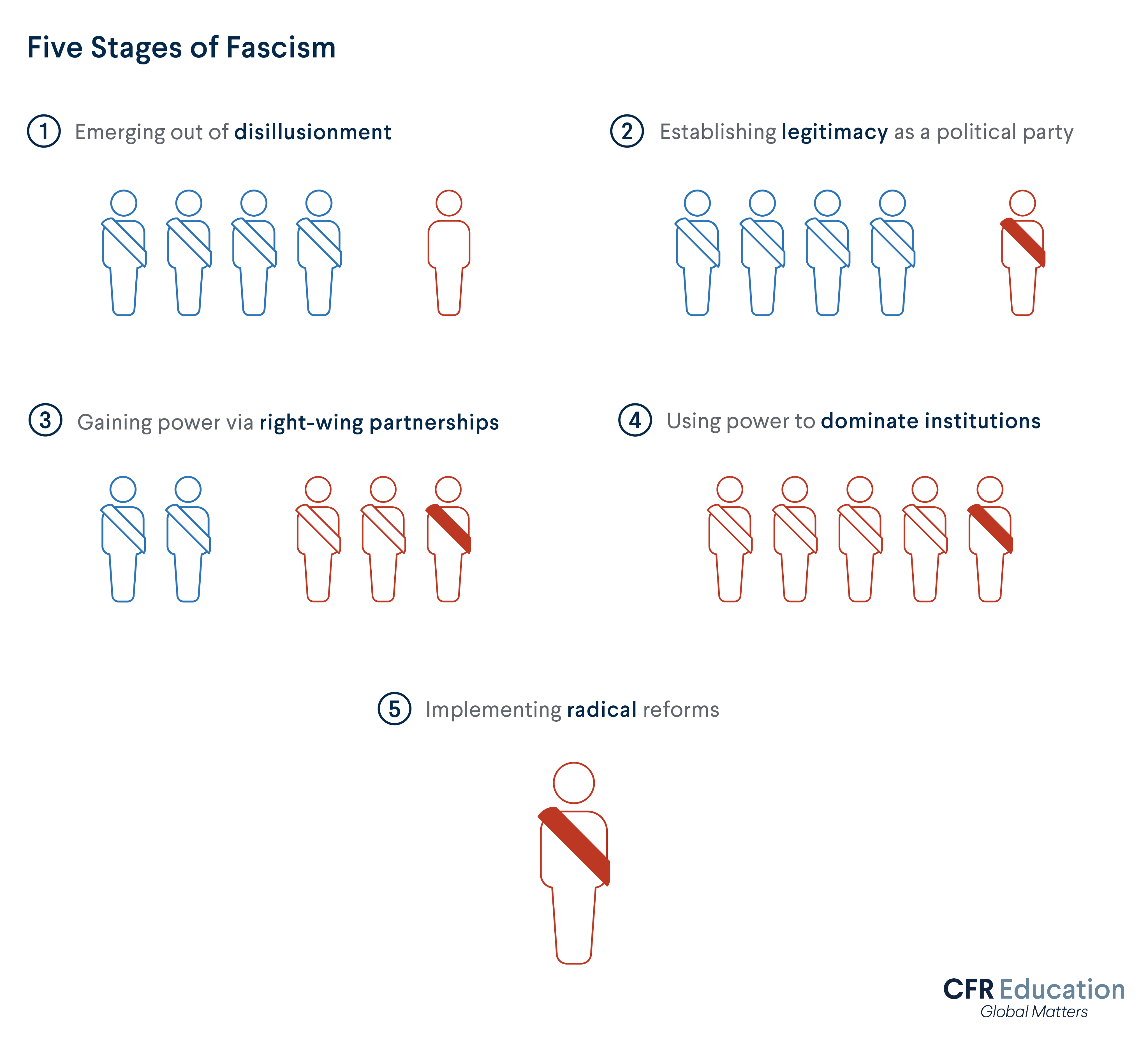
The “fascist” brand archetype is characterized by an obsession with order, the aestheticization of every touchpoint, and a “my way or the highway” approach to the user experience. It is the extreme end of the Ruler archetype, where the brand does not merely serve the consumer but dictates the terms of their lifestyle. In an era of fragmented media and diluted attention, some of the world’s most successful companies have adopted these high-control strategies to build “walled gardens” that function as miniature ideological states.
The Origins of the Unified Identity: How Ideology Shaped Modern Marketing
Modern branding owes an uncomfortable debt to the early 20th-century pioneers of mass persuasion. Before the rise of global corporations, political movements were the first to experiment with the idea of a “corporate identity” that spanned every facet of life. These movements understood that a brand is not a logo, but a feeling of belonging backed by a rigorous visual system.
Visual Consistency and the Power of the Monolith
A fascist brand strategy begins with the elimination of visual noise. In the 1920s and 30s, the world saw the first true implementation of “Brand Guidelines” on a national scale. This involved the use of specific color palettes—usually high-contrast reds, blacks, and whites—and the repetition of a single, powerful icon. In branding today, we see this in the “brutalist” design movement or the “monolithic” identity structures of companies like Apple or Tesla.
These brands do not offer variety; they offer a singular, perfected vision. The consistency is so absolute that it creates a sense of inevitability. When every retail store, every digital interface, and every piece of packaging looks and feels identical, the brand begins to feel less like a choice and more like a fundamental law of nature. This is the first pillar of the totalitarian brand: the psychological comfort of absolute order.
The Myth of the Savior and the Brand Manifesto
The fascist brand always tells a story of “Return” or “Ascension.” It identifies a problem—often a sense of chaos, mediocrity, or a “broken” industry—and positions itself as the only disciplined force capable of fixing it. This is why the Brand Manifesto is such a critical tool. It is not a list of features; it is a declaration of war against the status quo. By framing the brand as a movement, the company transforms customers into “believers.” The product becomes a badge of membership in an elite vanguard that is “thinking different” or “accelerating the world’s transition to sustainable energy.”
The Psychology of the “Ruler” Archetype in Brand Strategy
At the heart of the fascist branding model is the Ruler archetype. This archetype is driven by the desire for control and the fear of chaos. In a commercial context, this manifests as a brand that refuses to compromise its vision to suit the whims of the market. Instead, it forces the market to adapt to its standards.
Establishing Unquestionable Authority
A fascist brand does not ask for feedback; it issues decrees. Think of the removal of the headphone jack by Apple or the move toward entirely buttonless interiors in modern electric vehicles. These are not just engineering decisions; they are assertions of authority. The brand is telling the consumer, “We know what is better for you than you do.”
This creates a high barrier to entry that paradoxically increases the brand’s value. By being “difficult” or uncompromising, the brand signals that it is the leader, not a follower. This authority builds a psychological dependence. The consumer begins to trust the brand’s “vision” over their own preferences, leading to a state where the brand can do no wrong in the eyes of its most ardent supporters.
The “In-Group” vs. “Out-Group” Dynamic
The most potent tool in the fascist brand kit is the creation of the “Other.” For a brand to have a strong identity, it must define what it is not. High-control brands often use aggressive marketing to mock those outside their ecosystem. Historically, this was “Mac vs. PC.” Today, it is “Blue Bubbles vs. Green Bubbles.”
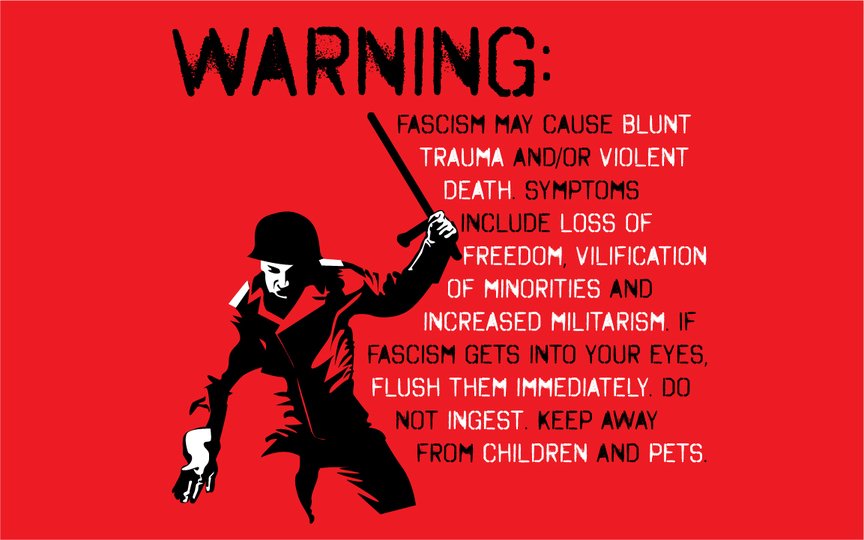
By creating a clear distinction between the “In-Group” (the enlightened, the stylish, the efficient) and the “Out-Group” (the laggards, the uncool, the cluttered), the brand fosters a fierce sense of loyalty. This is “Tribal Branding” taken to its logical extreme. The brand becomes a component of the individual’s identity, making the act of switching to a competitor feel like a betrayal of one’s own values.
Modern Case Studies: When Brand Loyalty Verges on Dogma
To see the “fascist” brand strategy in action today, one only needs to look at the tech and luxury sectors. These industries have perfected the art of the “Total Brand,” where the company controls the hardware, the software, the distribution, and the narrative.
The Walled Garden: Economic Totalitarianism
The “Walled Garden” is the corporate version of a closed state. Once a consumer enters the ecosystem, the “cost” of leaving—both financial and psychological—is made intentionally high. This is achieved through proprietary standards, integrated cloud services, and a seamlessness that only exists within the brand’s own borders.
Within the garden, everything is beautiful and efficient. Outside the garden, everything is portrayed as fragmented and dangerous. This creates a “soft” form of totalitarianism where the consumer willingly surrenders their agency in exchange for the convenience of the brand’s order. The brand becomes the curator of the user’s entire digital or physical reality.
The Cult of Personality: The Founder as Supreme Leader
A hallmark of the fascist brand is the elevation of a single leader to a semi-divine status. The brand’s identity becomes inseparable from the founder’s persona. When the leader speaks, the market moves. This “cult of personality” provides a human face for the brand’s rigid structures.
Followers of these brands don’t just buy products; they follow the leader’s “mission.” This allows the brand to survive failures that would destroy a more traditional company. If a product fails or an ethical lapse occurs, the leader’s vision is used as a shield. The followers believe in the future that the leader promises, making them willing to overlook the flaws of the present.
The Ethical Boundaries of Persuasive Branding
While the “fascist” brand strategy is undeniably effective at generating profit and loyalty, it raises significant ethical questions for modern brand strategists. At what point does a strong brand identity become a manipulative or coercive force?
Information Control and Brand Narratives
The danger of the totalitarian brand is its tendency to control the flow of information. Through sophisticated PR machines and the use of algorithms, brands can create an “echo chamber” where the consumer only hears positive reinforcement about their purchase. This suppresses the “market correction” that usually occurs when a product is subpar. When a brand controls the platform on which it is discussed, it can effectively “gaslight” its audience into believing that its flaws are actually features.
Moving From Manipulation to True Brand Value
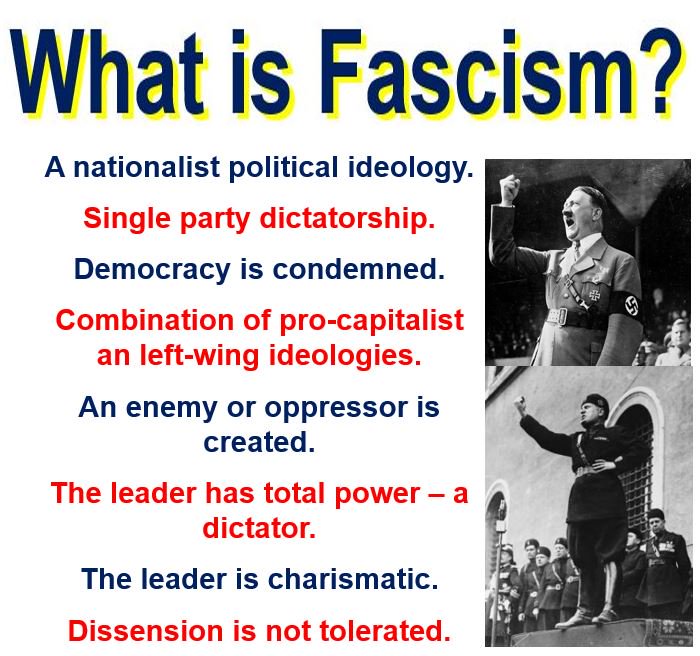
The ultimate lesson of the “fascist” brand model is the power of unity and vision. However, the sustainable path for modern brands lies in using these tools without the coercive “In-Group/Out-Group” dynamics. A brand can be authoritative without being authoritarian. It can have a unified aesthetic without being monolithic.
The most successful brands of the next decade will likely be those that adopt the discipline of the fascist brand—the high-quality design, the clear mission, and the consistent experience—while maintaining an open architecture that respects the consumer’s autonomy. They will provide a “home” for their customers, not a “prison.”
In conclusion, “What is a fascist” in a branding context is an identity that seeks total dominance over a niche through the use of aggressive aesthetics, uncompromising authority, and the creation of an exclusive social reality. By studying these mechanics, brand strategists can learn how to build deep, lasting loyalty, while also recognizing the heavy responsibility that comes with wielding such profound psychological influence. The goal is to lead the market, not to rule it.
aViewFromTheCave is a participant in the Amazon Services LLC Associates Program, an affiliate advertising program designed to provide a means for sites to earn advertising fees by advertising and linking to Amazon.com. Amazon, the Amazon logo, AmazonSupply, and the AmazonSupply logo are trademarks of Amazon.com, Inc. or its affiliates. As an Amazon Associate we earn affiliate commissions from qualifying purchases.