
In the landscape of modern e-commerce, few entities have navigated the intersection of high-end luxury and mass-market accessibility as effectively as Rue La La. To the casual observer, it is a premier flash-sale site offering deep discounts on designer goods. However, from a brand strategy perspective, Rue La La represents a sophisticated execution of scarcity marketing, digital curation, and strategic partnership management. It is a platform that transformed the traditional “sample sale” into a high-octane, digital-first experience, redefining how luxury brands interact with inventory surpluses without compromising their prestigious identity.
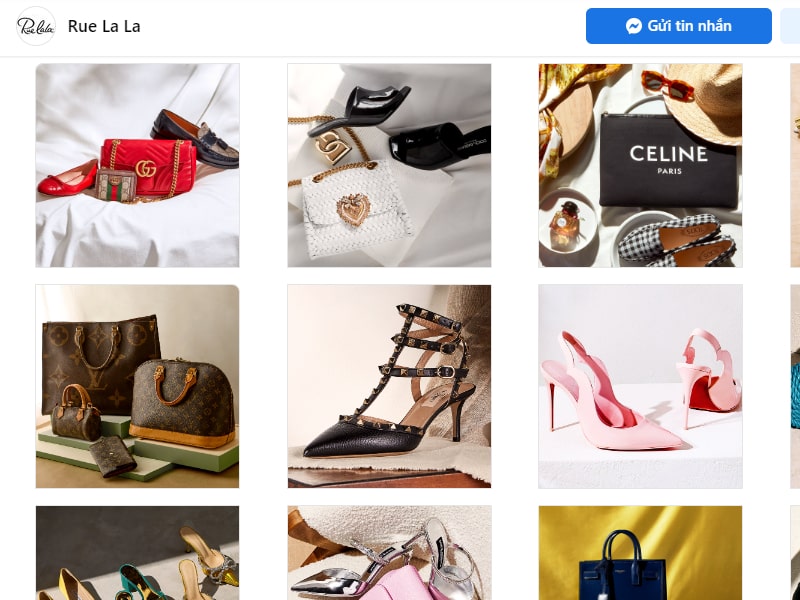
Understanding Rue La La requires looking beyond the price tags. It involves analyzing how a brand can maintain an aura of exclusivity while operating on a business model predicated on volume and rapid turnover. By examining its architectural approach to online retail, its mastery of consumer psychology, and its role as a vital partner for global fashion houses, we gain insight into one of the most successful brand case studies in the digital age.
The Architecture of Exclusive Access: Understanding the Rue La La Identity
At its core, Rue La La’s brand identity is built on the concept of “The Boutique.” Unlike traditional e-commerce giants that function as massive, searchable catalogs, Rue La La operates through time-limited, curated events. This structural choice is a deliberate branding move designed to mimic the high-end boutique shopping experience, where discovery and curation take precedence over a utilitarian search-and-buy process.
The Boutique Concept and Digital Curation
The Rue La La brand does not view itself as a discount warehouse. Instead, it positions itself as a digital tastemaker. Each “boutique” on the site is a temporary storefront focused on a specific brand, theme, or category—ranging from Italian leather goods to high-end home décor. This curation serves a dual purpose: it simplifies the decision-making process for the consumer and provides a prestigious environment for the brands being sold.
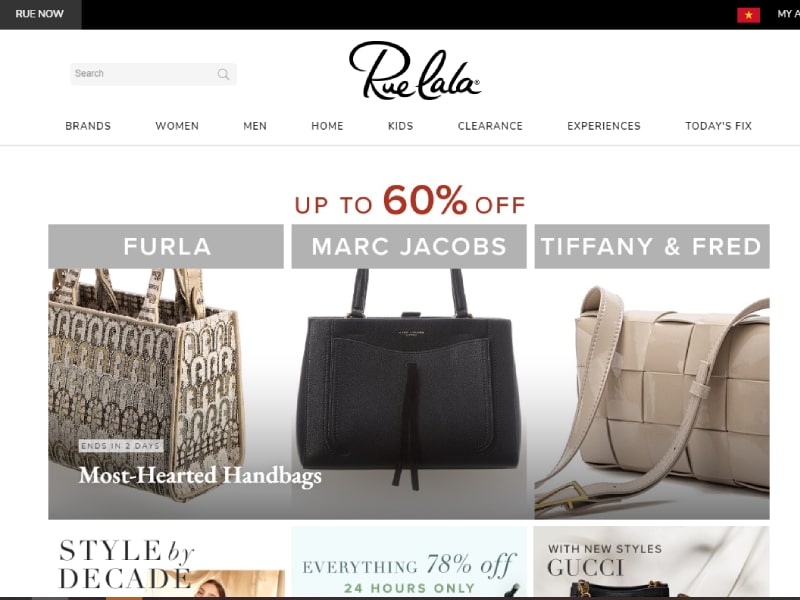
By framing sales as “events” rather than “clearance sections,” Rue La La elevates the perceived value of the products. The visual language of the site—clean lines, high-resolution editorial photography, and minimalist design—reinforces this luxury positioning. The brand’s voice is consistently sophisticated and urgent, ensuring that even at a 70% discount, the consumer feels they are participating in a premium experience.
Maintaining Luxury Equity in a Discount Environment
One of the greatest challenges in brand management is the “dilution risk” associated with discounting. For heritage brands like Prada, Gucci, or Burberry, appearing on a discount rack can signal a loss of exclusivity. Rue La La mitigates this through its membership-only model. While registration is free and open, the psychological barrier of “joining” a community creates a sense of a private club.
This “closed-door” strategy allows luxury brands to move excess inventory while keeping the sale somewhat shielded from the general public and search engine crawlers. It preserves the brand equity of the partner labels, as the transaction feels like an exclusive perk for Rue La La members rather than a desperate attempt by the manufacturer to offload goods. This strategic alignment is why Rue La La has remained a preferred partner for brands that are otherwise highly protective of their market positioning.
The Psychology of Urgency: Mastering the Flash Sale Business Model
The success of the Rue La La brand is inextricably linked to its mastery of behavioral economics. The flash-sale model relies on two primary psychological triggers: scarcity and urgency. In a world of infinite digital inventory, Rue La La creates artificial limits that drive consumer action and brand engagement.
The Role of Scarcity in Brand Desirability
Human beings are hardwired to value things that are perceived as rare or difficult to obtain. Rue La La leverages this by offering limited quantities of highly desirable items. The brand’s interface often shows real-time updates on stock levels, such as “Only 2 left” or “In someone else’s bag.” This visibility of competition turns shopping into a competitive sport.
From a branding standpoint, this scarcity reinforces the “luxury” aspect of the products. If an item is available indefinitely at a low price, it is a commodity. If it is available for only 48 hours in limited quantities, it is a “find.” This “treasure hunt” mentality is a cornerstone of the Rue La La brand experience, ensuring that users return to the site daily to see what new opportunities have been unlocked.
Behavioral Marketing and the “Thrill of the Hunt”
The brand has successfully institutionalized the “11 AM habit.” By launching new boutiques at a consistent time every day, Rue La La has integrated itself into the daily routines of its target demographic. This is a masterclass in brand consistency and habit formation.
This sense of urgency—enhanced by countdown timers and expiring carts—short-circuits the long consideration phase typical of luxury purchases. It forces a “buy now, think later” mentality. For the Rue La La brand, this translates to high conversion rates and a remarkably high level of repeat traffic. The brand isn’t just selling products; it’s selling the adrenaline of a successful hunt.
Strategic Brand Partnerships: How Rue La La Benefits High-End Labels
A significant portion of Rue La La’s brand strength lies in its B2B (business-to-business) reputation. To maintain its status as a premier destination, it must secure high-quality inventory from the world’s most prestigious labels. This requires a brand strategy that emphasizes partnership and protection.
Inventory Management as a Brand Preservation Tool

For a luxury fashion house, overstock is a logistical and branding nightmare. Destroying unsold goods is increasingly seen as environmentally and socially irresponsible, yet selling them in traditional “off-price” retail stores can damage the brand’s image. Rue La La offers a “third way.”
Rue La La positions itself as a sophisticated liquidator. It provides brands with a discreet channel to manage inventory cycles, seasonal transitions, and canceled orders. Because Rue La La controls the presentation, the timing, and the audience, the original brand maintains a degree of control over its narrative. This symbiotic relationship is the engine of Rue La La’s business model: the site gets the prestige of the designer labels, and the labels get an efficient, brand-safe way to manage their bottom line.
Reaching the “Aspirational” Demographic
Every luxury brand needs a pipeline of future customers. Rue La La serves as an entry point for the “aspirational” consumer—individuals who desire luxury goods but may not yet be ready or able to pay full retail prices. By introducing these consumers to a brand through a Rue La La boutique, the platform acts as a marketing funnel for the luxury labels.
A consumer who buys their first pair of high-end designer shoes on Rue La La develops brand affinity. As their purchasing power grows, they are more likely to become full-price customers at the brand’s flagship stores. In this way, Rue La La is not just a sales channel; it is a brand discovery platform that helps luxury labels expand their reach without lowering their entry price points in their primary retail environments.
Digital Brand Experience: Design, UX, and the Mobile-First Strategy
In the digital era, the brand is the user experience (UX). Rue La La’s brand identity is delivered through its app and website, and the company has invested heavily in ensuring that this experience feels as premium as the products it sells.
Visual Storytelling in E-Commerce
Rue La La employs a high-standard editorial approach to its product presentation. This isn’t just about showing the item; it’s about selling a lifestyle. Through expert styling, professional photography, and curated “lookbooks,” the platform provides inspiration to its members. This visual storytelling elevates the brand from a simple e-commerce site to a digital fashion magazine.
The design language is purposefully streamlined to reduce friction. On the mobile app—where a vast majority of Rue La La’s transactions occur—the interface is optimized for speed. This is crucial for the flash-sale model, where seconds can be the difference between securing an item and missing out. The brand’s commitment to a seamless, high-speed mobile experience reflects its understanding of its modern, on-the-go consumer base.
Retention and the Membership-Based Ecosystem
The Rue La La brand strategy places a heavy emphasis on Lifetime Value (LTV) rather than one-off transactions. This is achieved through sophisticated loyalty mechanisms, such as “The Rue 30,” which offers 30 days of free shipping after a single purchase. This tactic encourages “cluster shopping” and keeps the brand top-of-mind during the crucial month following a purchase.
Furthermore, the brand’s communication strategy—email marketing and push notifications—is highly personalized. By using data to understand a member’s preferences (e.g., specific brands or sizes), Rue La La ensures its messaging is relevant and welcomed rather than seen as intrusive. This data-driven branding allows Rue La La to maintain a personal connection with millions of members.
The Evolution of Rue La La in the Global Marketplace
The e-commerce landscape has shifted dramatically since Rue La La’s inception. The rise of Direct-to-Consumer (DTC) brands, the growth of the resale market (like The RealReal), and the evolution of Amazon have all challenged the flash-sale model. Yet, Rue La La has remained a dominant force by evolving its brand strategy to meet these changes.
Competing with Direct-to-Consumer (DTC) Trends
As more luxury brands build their own e-commerce capabilities, the role of the “middleman” has been questioned. However, Rue La La provides something a single brand’s site cannot: a multi-brand, curated ecosystem. The brand has leaned into this “department store of the future” identity, offering a breadth of choice that single-label sites lack.
Additionally, by merging with Gilt Groupe (under the parent company Rue Gilt Groupe), the brand has consolidated its market share and solidified its position as the undisputed leader in the North American flash-sale space. This consolidation allowed for shared resources in logistics and technology while maintaining the distinct brand identities of both Rue La La and Gilt.
The Future of Discounted Luxury Branding
Looking forward, the Rue La La brand is likely to focus even more on personalization and artificial intelligence. By predicting what a consumer wants before they even know it, Rue La La can move from being a “daily check-in” site to a proactive personal shopper.
The brand also faces the challenge of sustainability. As consumers become more conscious of the environmental impact of fashion, Rue La La’s role in the “circular economy”—helping brands manage overstock rather than letting it go to waste—will become a more prominent part of its brand narrative. By framing its business model as a solution to industry waste, Rue La La can align itself with the values of a younger, more ethically-minded generation of luxury shoppers.
Ultimately, Rue La La is more than just a place to find a deal. It is a sophisticated marketing engine that has mastered the art of digital scarcity. It serves as a bridge between the exclusive world of high fashion and the inclusive world of the internet, proving that with the right brand strategy, you can offer a discount without ever looking cheap.
aViewFromTheCave is a participant in the Amazon Services LLC Associates Program, an affiliate advertising program designed to provide a means for sites to earn advertising fees by advertising and linking to Amazon.com. Amazon, the Amazon logo, AmazonSupply, and the AmazonSupply logo are trademarks of Amazon.com, Inc. or its affiliates. As an Amazon Associate we earn affiliate commissions from qualifying purchases.