
In the intricate symphony of life on Earth, certain molecules play pivotal roles, often unseen but utterly indispensable. Ribulose-1,5-bisphosphate, or RuBP, is one such molecule. At first glance, it might appear to be a mere biochemical compound, residing within the complex world of plant physiology. However, a deeper dive reveals that RuBP is far more than just a biological participant; it is a fundamental pillar upon which many cutting-edge technologies are being built. From revolutionizing agricultural yields and ensuring global food security to pioneering sustainable energy solutions and advanced carbon capture, understanding RuBP’s mechanism is paramount for technological innovation.
In an era driven by technological advancement, the insights gleaned from fundamental biological processes are increasingly informing engineering solutions. RuBP, at the heart of carbon fixation, serves as a prime example of how dissecting nature’s genius provides a blueprint for human ingenuity. This article will explore what RuBP is, its central role in sustaining life, and, crucially, how this foundational biological understanding is being leveraged across various technological frontiers to address some of humanity’s most pressing challenges.
The Core Mechanism: RuBP’s Role in Carbon Fixation and Life on Earth
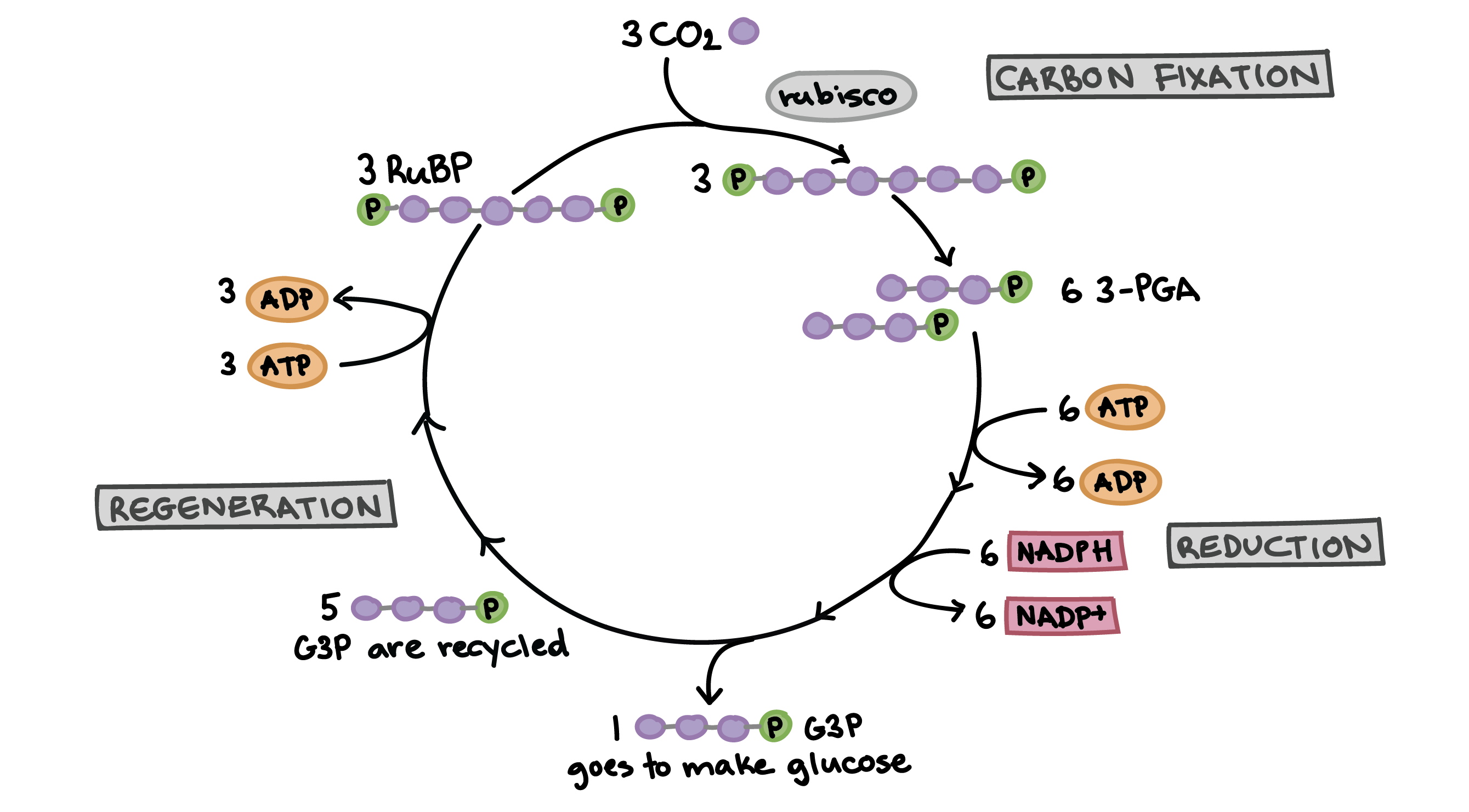
To truly grasp RuBP’s technological significance, we must first understand its biological imperative. RuBP is a five-carbon organic molecule that acts as the primary acceptor of carbon dioxide (CO2) during the first major step of the Calvin cycle, the series of biochemical reactions that occur in the stroma of chloroplasts in photosynthetic organisms. This process is nothing short of miraculous, transforming atmospheric CO2 into the organic compounds that form the basis of nearly all life on Earth.
Photosynthesis: The Engine of Life
Photosynthesis is the unparalleled biological process by which green plants, algae, and some bacteria convert light energy into chemical energy. It’s the ultimate solar-powered engine, taking in CO2, water, and sunlight to produce glucose (sugar) and oxygen. This process is divided into two main stages: the light-dependent reactions, where light energy is converted into ATP and NADPH, and the light-independent reactions, collectively known as the Calvin cycle, where the ATP and NADPH are used to fix CO2 into organic molecules. RuBP is the linchpin of this latter stage.
RuBP Carboxylase/Oxygenase (Rubisco) and the Calvin Cycle
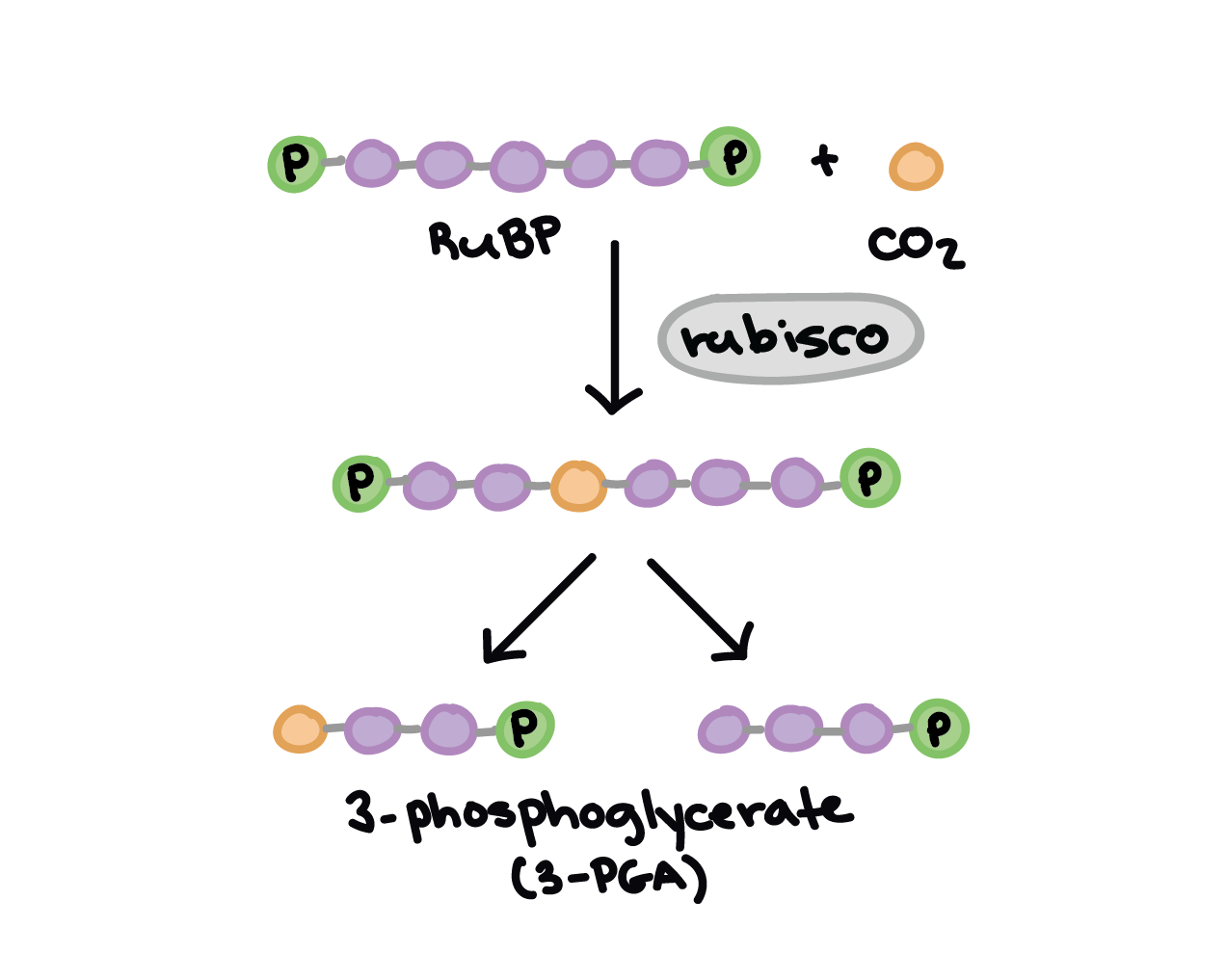
The magic begins when atmospheric CO2 enters a plant cell. Here, it meets RuBP, and the enzyme that orchestrates their union is arguably the most abundant protein on Earth: Ribulose-1,5-bisphosphate carboxylase/oxygenase, universally known as Rubisco. This enzyme catalyzes the carboxylation of RuBP, meaning it adds a molecule of CO2 to RuBP. This six-carbon intermediate is highly unstable and immediately splits into two molecules of 3-phosphoglycerate (3-PGA). These 3-PGA molecules are then subjected to a series of reactions, powered by ATP and NADPH from the light-dependent reactions, eventually regenerating RuBP so the cycle can continue, and also producing sugars like glucose.
This cycle, powered by RuBP and Rubisco, is the fundamental biochemical pathway that underpins global primary productivity. Every mouthful of food we eat, every breath of oxygen we take, can be traced back to this elegantly simple yet profoundly powerful process.
The Fundamental Challenge: Rubisco’s Inefficiency
Despite its critical role and abundance, Rubisco is notoriously inefficient. It has a relatively slow turnover rate, meaning it processes substrates at a slower pace compared to many other enzymes. More importantly, Rubisco suffers from a significant limitation: its “oxygenase” activity. Beyond its primary function of binding CO2 (carboxylation), Rubisco can also bind oxygen (O2) in a process called photorespiration. When Rubisco binds O2 instead of CO2, it initiates a wasteful pathway that consumes energy and releases CO2, effectively undoing some of the plant’s carbon fixation efforts. This inefficiency is particularly pronounced in hot, dry conditions where plants close their stomata to conserve water, leading to a build-up of O2 and a depletion of CO2 inside the leaf.
This inherent inefficiency of Rubisco, and by extension the RuBP-centric carbon fixation pathway, represents a major bottleneck for natural photosynthesis. For technologists and scientists, this bottleneck isn’t a limitation but an immense opportunity. Understanding these inefficiencies is the first step toward engineering solutions that can overcome them, leading to significant technological advancements in agriculture, energy, and environmental management.
RuBP as a Blueprint for Agricultural Technology and Food Security
The global population continues to grow, demanding ever-increasing food production. Traditional agricultural methods are reaching their limits, pushing the need for innovative technological solutions. The deep understanding of RuBP and its role in photosynthesis is proving to be a fertile ground for developing advanced agricultural technologies aimed at enhancing crop yields and ensuring food security.
Enhancing Crop Yields Through Genetic Engineering
Genetic engineering stands at the forefront of leveraging RuBP-related knowledge for agricultural advancement. By understanding the structure and function of Rubisco and the genes that encode it, scientists are actively pursuing strategies to improve its efficiency. One promising approach involves engineering the more efficient C4 photosynthetic pathway (found in plants like corn and sugarcane) into C3 plants (like rice and wheat, which rely solely on the less efficient Calvin cycle). This complex undertaking requires modifying numerous genes, including those that regulate RuBP regeneration and Rubisco activity, to create a more effective CO2 concentrating mechanism.
Other efforts focus directly on optimizing Rubisco itself, either by finding naturally occurring variants with better CO2 specificity or by using synthetic biology techniques to engineer novel versions. Tools like CRISPR-Cas9 allow for precise edits to plant genomes, enabling researchers to tweak RuBP-related enzymes and pathways with unprecedented accuracy, promising higher yields with fewer resources.
Precision Agriculture and Biomimicry
Precision agriculture, utilizing AI, IoT sensors, drones, and data analytics, is revolutionizing how we manage crops. While these technologies monitor external factors, their effectiveness is greatly enhanced by an understanding of internal plant biochemistry, including how RuBP pathways respond to environmental stresses. For instance, models fed with real-time data can predict optimal irrigation and fertilization strategies that indirectly enhance photosynthetic efficiency by ensuring ideal conditions for RuBP carboxylation.
Biomimicry, drawing inspiration from RuBP’s role, extends to designing advanced CO2 delivery systems in controlled environments or developing smarter nutrient delivery that supports robust Calvin cycle activity. The goal is to create agricultural systems that mimic nature’s best designs, but with engineered precision to overcome natural limitations.
Future of Food Production: Vertical Farms and Controlled Environments
Vertical farms and other controlled environment agriculture (CEA) systems represent a significant technological leap in food production. These high-tech facilities rely heavily on a detailed understanding of plant physiology, including the RuBP cycle. By precisely controlling light spectrum, CO2 concentration, temperature, and humidity, engineers can optimize conditions to maximize photosynthetic efficiency and minimize photorespiration. For example, enriching CO2 levels within a vertical farm directly provides more substrate for Rubisco, enhancing its carboxylation activity over oxygenation, thereby boosting growth. This meticulous environmental control, informed by RuBP’s biochemical needs, allows for unprecedented yield densities and resource efficiency, drastically reducing water and land usage.
Bio-Inspired Energy Solutions and Carbon Capture Technologies
The global energy crisis and the urgent need to address climate change have spurred intense research into sustainable energy and carbon capture technologies. The natural carbon fixation process, centered around RuBP, serves as a powerful inspiration and a practical blueprint for developing groundbreaking bio-inspired solutions.
Artificial Photosynthesis: Mimicking Nature’s Design
One of the most ambitious technological endeavors is artificial photosynthesis – the attempt to create synthetic systems that can replicate the efficiency of natural photosynthesis in converting sunlight into chemical energy. While natural photosynthesis produces sugars, artificial systems often aim to produce hydrogen fuel or other valuable chemicals directly from CO2 and water using solar energy.
Researchers are studying the RuBP-Rubisco mechanism to design highly efficient catalysts that can fix CO2. This involves combining principles from materials science, nanotechnology, and synthetic biology to engineer artificial enzymes or inorganic catalysts that mimic Rubisco’s CO2-binding capability. Developing devices that can directly convert atmospheric CO2 into useful fuels or building blocks for industrial chemicals, inspired by the RuBP pathway, holds immense promise for a carbon-neutral future.
Direct Air Capture (DAC) and Bio-Sequestration
Direct Air Capture (DAC) technologies aim to pull CO2 directly from the ambient air. While many DAC systems are purely chemical or mechanical, there is a growing interest in bio-inspired approaches that draw heavily on our understanding of natural carbon fixation pathways. For example, engineering microorganisms or enhancing algae growth for bio-sequestration involves optimizing their internal RuBP pathways to maximize CO2 uptake and conversion into biomass or stable carbon compounds.
Furthermore, insights from RuBP’s interaction with Rubisco could inspire the design of novel porous materials or chemical sorbents with enhanced selectivity and binding affinity for CO2, making DAC systems more energy-efficient and cost-effective. The biological template provides clues for creating the next generation of CO2 capture solutions.
Sustainable Biofuel Production
The production of sustainable biofuels from biomass requires efficient conversion of CO2 into energy-rich organic compounds. Algae and cyanobacteria are particularly attractive candidates for biofuel production due to their rapid growth rates and high lipid content. Engineers are applying genetic and metabolic engineering techniques to these photosynthetic microbes, focusing on optimizing their RuBP pathways to enhance CO2 assimilation and redirect metabolic flux towards the synthesis of desired biofuels like biodiesel or bioethanol. By tweaking the expression levels of RuBP-related enzymes or introducing novel carbon fixation pathways, scientists aim to create biological factories that convert sunlight and CO2 into clean energy carriers more efficiently than ever before.
Computational Biology and AI in Understanding and Optimizing RuBP Pathways
The complexity of biological systems, particularly intricate metabolic networks like the Calvin cycle, presents both a challenge and an opportunity for advanced computational tools. The era of big data, artificial intelligence (AI), and sophisticated simulation models is revolutionizing how we understand, predict, and ultimately engineer RuBP-centric processes for technological gain.
Modeling Biological Systems
Computational biology plays a critical role in deciphering the nuances of the Calvin cycle. Sophisticated mathematical models and simulations are developed to map the entire network of reactions, enzyme kinetics, and metabolic fluxes involved in RuBP regeneration and carbon fixation. These models allow researchers to test hypotheses in silico (via computer simulation) before expensive and time-consuming laboratory experiments. By simulating different environmental conditions or genetic modifications, computational biologists can predict how changes in RuBP levels or Rubisco activity might impact overall photosynthetic efficiency, providing invaluable guidance for biotechnological interventions.
High-Throughput Screening and Data Analytics
The vast amount of genomic, proteomic, and metabolomic data generated from biological experiments related to photosynthesis requires powerful data analytics tools. High-throughput screening (HTS) technologies, combined with advanced statistical analysis and machine learning algorithms, enable rapid identification of genetic variations or environmental factors that influence RuBP pathway performance. For instance, researchers can screen thousands of plant varieties or microbial strains for improved Rubisco characteristics, quickly identifying candidates for further engineering or breeding programs. This data-driven approach significantly accelerates the research and development cycle in synthetic biology and agricultural biotechnology.
AI-Driven Enzyme Engineering
Perhaps one of the most exciting applications of AI in the context of RuBP is in enzyme engineering. Given Rubisco’s inherent inefficiencies, there’s a strong drive to design novel enzymes with superior catalytic properties. AI, particularly machine learning algorithms, can analyze vast datasets of protein sequences and structures, predicting how specific amino acid changes might alter Rubisco’s CO2 specificity or turnover rate. Generative AI models can even propose entirely new enzyme designs from scratch, potentially overcoming the evolutionary constraints that have shaped natural Rubisco. This AI-driven approach to enzyme design holds the promise of creating “super-Rubiscos” or other carbon-fixing enzymes that could dramatically boost photosynthetic efficiency in engineered crops or artificial systems.

Conclusion
Ribulose-1,5-bisphosphate (RuBP) is far more than an obscure biochemical compound; it is a fundamental molecular actor whose profound significance transcends the realms of pure biology into the very heart of modern technological innovation. As we navigate the complex landscape of climate change, food security, and sustainable energy, the insights derived from understanding RuBP’s role in carbon fixation are proving indispensable.
From genetically engineering crops for enhanced yields and designing precision agricultural systems, to developing cutting-edge artificial photosynthesis and advanced carbon capture technologies, and leveraging the power of AI and computational biology to optimize natural processes, RuBP serves as a constant touchstone. Its study informs the engineering of more efficient biological systems and inspires the creation of novel synthetic ones. The journey from comprehending a basic biological molecule to deploying advanced technological solutions underscores a powerful truth: the deepest understanding of nature’s mechanisms often provides the most potent tools for human progress. Continued interdisciplinary research, bridging biology with engineering, computer science, and material science, will undoubtedly unlock even greater potential from this cornerstone of life on Earth, driving innovations that promise a more sustainable and prosperous future.
aViewFromTheCave is a participant in the Amazon Services LLC Associates Program, an affiliate advertising program designed to provide a means for sites to earn advertising fees by advertising and linking to Amazon.com. Amazon, the Amazon logo, AmazonSupply, and the AmazonSupply logo are trademarks of Amazon.com, Inc. or its affiliates. As an Amazon Associate we earn affiliate commissions from qualifying purchases.