
In the vast landscape of industrial automation and remote monitoring, certain technologies act as the silent sentinels of our infrastructure. Among the most critical of these is the Remote Terminal Unit, or RTU. As we move deeper into the era of Industry 4.0 and the Industrial Internet of Things (IIoT), understanding the role, functionality, and evolution of the RTU is essential for anyone involved in technology, engineering, or digital infrastructure management.
At its core, an RTU is a microprocessor-based electronic device that interfaces physical objects in the real world with a distributed control system or SCADA (Supervisory Control and Data Acquisition) system. It acts as a bridge, collecting data from sensors, converting that data into a digital format, and transmitting it to a central monitoring station. While they may often go unnoticed, RTUs are the reason our power grids remain stable, our water systems flow efficiently, and our remote oil pipelines operate safely.

Understanding the Core Architecture of Remote Terminal Units
To appreciate what an RTU does, one must first look at what it is made of. Unlike a standard consumer computer, an RTU is designed for high reliability in harsh environments. Its architecture is purpose-built for data integrity and consistent communication over long distances.
Hardware Components: The Building Blocks
The physical makeup of an RTU typically includes a central processing unit (CPU), volatile and non-volatile memory, and a communication interface. Because these units are often deployed in the “field”—which could mean a sweltering desert or a freezing mountain range—the hardware is ruggedized. Most RTUs are housed in protective enclosures that shield them from electromagnetic interference (EMI), moisture, and extreme temperature fluctuations.
Input/Output (I/O) Modules and Signal Conversion
The defining feature of an RTU is its I/O capability. RTUs possess various “ports” or modules designed to handle different types of signals.
- Analog Inputs: These monitor continuous variables such as temperature, pressure, or flow rates. The RTU converts these varying voltages or currents into digital values.
- Digital (Discrete) Inputs: These monitor “on/off” states, such as whether a security gate is open or a circuit breaker has tripped.
- Control Outputs: RTUs don’t just listen; they can also act. Through digital or analog outputs, an RTU can send a command to close a valve, start a motor, or adjust a thermostat.
Processing and Memory Capabilities
While early RTUs were simple relay devices, modern units are sophisticated computers. They feature powerful microprocessors capable of running complex algorithms locally. This allows the RTU to perform “edge processing,” where it can filter data or perform calculations before sending only the most relevant information to the central server, thereby saving bandwidth and reducing latency.
How RTUs Function within SCADA Systems
The RTU does not operate in a vacuum; it is a vital component of a larger SCADA ecosystem. Its primary job is to serve as the “eyes and ears” for the Master Terminal Unit (MTU) or the central control room.
Data Acquisition and Real-Time Monitoring
The process begins with data acquisition. The RTU continuously polls its connected sensors to gather real-time status updates. This data is then time-stamped. In critical infrastructure, knowing exactly when a pressure spike occurred is just as important as knowing that it occurred. This chronological logging ensures that engineers can perform accurate forensic analysis if a system failure occurs.
Communication Protocols: Talking to the Master Station
Once the data is collected, it must be transmitted. This is where the “Remote” in Remote Terminal Unit becomes significant. RTUs often communicate over vast distances using various media, including radio telemetry, cellular networks (4G/5G), satellite links, or fiber optics.
To ensure the central system understands the data, RTUs use standardized industrial protocols. Common protocols include:
- Modbus: A veteran protocol known for its simplicity and wide adoption.
- DNP3 (Distributed Network Protocol): Highly robust and common in the electric and water utility industries.
- IEC 60870-5: A standard used heavily in European power systems.
Modern RTUs are also increasingly adopting MQTT, a lightweight messaging protocol optimized for IoT devices with limited bandwidth.
Local Control and Logic Execution
One of the most powerful features of a modern RTU is its ability to execute local logic. If the communication link to the central office is severed, a “dumb” device would simply stop working. A “smart” RTU, however, can be programmed with autonomous safety routines. For instance, if a sensor detects a dangerous gas leak, the RTU can independently trigger a shutdown sequence without waiting for a command from the human operator miles away.
RTU vs. PLC: Choosing the Right Controller

In the world of industrial tech, there is often confusion between the RTU and the Programmable Logic Controller (PLC). While they share similarities, they are designed for different environments and challenges.
Environmental Resilience and Remote Locations
PLCs are the kings of the factory floor. They are designed for high-speed, high-volume assembly lines where they are housed in climate-controlled cabinets with stable power. RTUs, conversely, are built for the “wild.” They are optimized for low-power consumption, often running on solar panels and batteries. They can survive the electrical noise of a high-voltage substation or the vibration of a pumping station.
Communication Distance and Connectivity Options
A PLC usually communicates over a local area network (LAN) within a single building. An RTU is built for wide-area networks (WAN). RTUs have sophisticated “store-and-forward” capabilities; if a satellite link goes down, the RTU will store all the data in its internal memory and upload it once the connection is restored, ensuring no data loss occurs during the outage.
Power Efficiency and Autonomy
Because RTUs are often located in areas without access to the electrical grid, their design prioritizes power management. Many RTUs feature “sleep modes,” where they remain in a low-power state and only “wake up” to transmit data at scheduled intervals or when an alarm threshold is triggered. This level of power autonomy is rarely a requirement for standard PLCs.
Key Applications and Industry Use Cases
The versatility of RTUs makes them indispensable across various sectors that require wide-scale geographic monitoring.
Power Distribution and Smart Grids
In the electrical power industry, RTUs are deployed at substations to monitor transformers, line voltages, and current flow. They play a pivotal role in “Smart Grids” by providing the data necessary for automated load balancing. When a fault occurs on a line, RTUs help the system isolate the fault and reroute power, minimizing the number of customers affected by a blackout.
Water and Wastewater Management
Water utilities manage thousands of miles of pipes and numerous remote tanks. RTUs monitor tank levels, water flow, and chemical compositions (like chlorine levels). They also detect leaks by comparing flow data between two points; if more water enters a pipe than exits it, the RTU flags the discrepancy, allowing for rapid repairs and resource conservation.
Oil, Gas, and Pipeline Monitoring
The oil and gas industry relies on RTUs to monitor wellheads and pipelines that span entire continents. These units track pressure, temperature, and flow, ensuring that volatile materials are transported safely. In these environments, the RTU’s ability to operate in hazardous, explosive atmospheres (often requiring ATEX or Class I Div 2 certifications) is a critical safety requirement.
The Future of RTUs in the Age of IIoT and Cyber Security
As technology evolves, the line between traditional industrial hardware and modern IT systems is blurring. The RTU is currently undergoing a digital transformation of its own.
Integrating with the Industrial Internet of Things (IIoT)
The rise of IIoT is turning RTUs into “Edge Gateways.” Instead of just sending raw data, these next-generation units use cloud connectivity to integrate with Big Data analytics platforms. This allows companies to use machine learning to predict when a piece of equipment is likely to fail (predictive maintenance), rather than waiting for it to break.
Strengthening Digital Security in Critical Infrastructure
As RTUs become more connected to the internet, they also become targets for cyberattacks. Historically, industrial protocols lacked encryption. However, modern “Secure RTUs” now incorporate advanced security features such as TLS/SSL encryption, digital signatures, and firewalls. Securing the RTU is now recognized as a matter of national security, as these devices guard the “on/off” switches of our civilization.
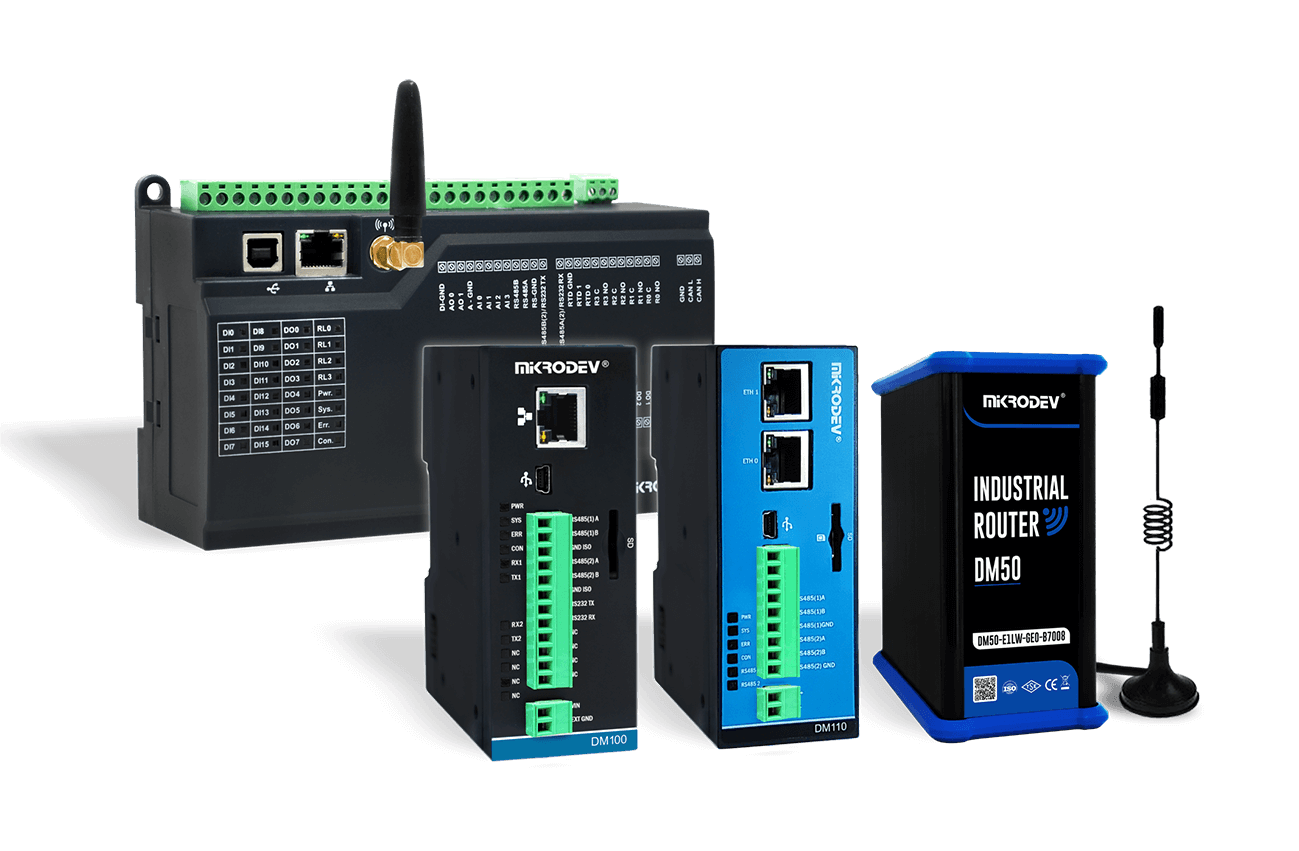
Edge Computing: Bringing Intelligence to the Field
The future of the RTU lies in increased intelligence. We are moving toward a model where the RTU doesn’t just report data but analyzes it locally. By utilizing “Edge Computing,” an RTU can run complex diagnostic models on-site. This reduces the need to send massive amounts of data to the cloud, lowering operational costs and allowing for near-instantaneous decision-making in the field.
In conclusion, the Remote Terminal Unit is far more than a simple data collector. It is a sophisticated, ruggedized computer that ensures the reliability of the services we depend on every day. As we continue to bridge the gap between physical machinery and digital intelligence, the RTU will remain at the forefront, evolving from a basic telemetry tool into a powerful edge-computing hub for the modern world.
aViewFromTheCave is a participant in the Amazon Services LLC Associates Program, an affiliate advertising program designed to provide a means for sites to earn advertising fees by advertising and linking to Amazon.com. Amazon, the Amazon logo, AmazonSupply, and the AmazonSupply logo are trademarks of Amazon.com, Inc. or its affiliates. As an Amazon Associate we earn affiliate commissions from qualifying purchases.