
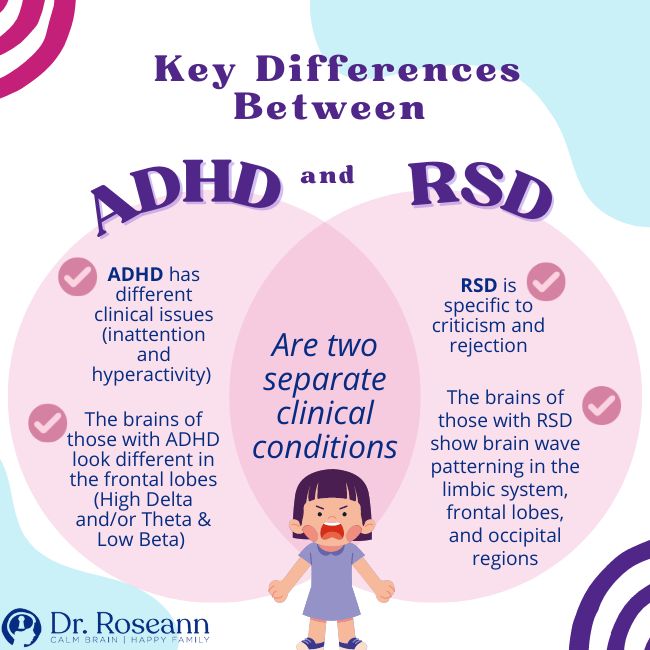
The intersection of neurodiversity and technology has birthed a new era of “Neuro-Tech” designed to bridge the gap between cognitive challenges and professional success. Among the most misunderstood components of Attention Deficit Hyperactivity Disorder (ADHD) is Rejection Sensitive Dysphoria (RSD). While ADHD is often associated with distractibility and hyperactivity, RSD introduces a profound emotional dimension—an intense, often agonizing sensitivity to perceived rejection or criticism.
In a modern workforce and social landscape dominated by digital communication, those with ADHD and RSD face unique hurdles. However, the rapid advancement of software, artificial intelligence (AI), and wearable gadgets is providing a new toolkit for managing these symptoms. This article explores how technology trends and digital tools are revolutionizing the way individuals with RSD and ADHD navigate their internal and external worlds.

1. Understanding the Neurotech Landscape for RSD and ADHD
To understand how technology assists with Rejection Sensitive Dysphoria, we must first define its role within the ADHD framework through a technical lens. RSD is not a standalone diagnosis but a symptomatic experience where the nervous system overreacts to the idea of failure. In the workplace, this often manifests as “procrastination due to perfectionism” or total avoidance of high-stakes digital interactions.
Defining RSD within the Digital Context
In the digital realm, RSD is often triggered by “neutral” stimuli—an unpunctuated Slack message, a delayed response to an email, or a “thumbs down” emoji. These digital micro-signals are processed by the neurodiverse brain as catastrophic social failures. Technology serves as a mediator here. By using sentiment analysis tools and structured communication platforms, users can filter these triggers before they cause an emotional spiral. Tech-driven solutions seek to provide the “objective layer” that the RSD brain often lacks during moments of high stress.
The Intersection of Executive Function and Software Solutions
ADHD is primarily characterized by executive dysfunction—difficulties with working memory, task switching, and emotional regulation. Software developers are increasingly focusing on “Executive Function Support” as a niche in the app market. Apps like Tiimo or Sunsama aren’t just calendars; they are externalized pre-frontal cortexes. For someone with RSD, these tools prevent the “task paralysis” that often follows a perceived criticism, using automated workflows to keep the user moving even when their emotional state suggests withdrawal.
2. AI-Powered Emotional Regulation and Sensory Tech
The rise of Generative AI and Large Language Models (LLMs) has introduced a transformative “buffer” for people with RSD. One of the greatest challenges for those with ADHD is the inability to regulate the intensity of an emotional response in real-time. Modern AI tools are now acting as a corrective lens for these interactions.
AI-Driven Sentiment Analysis and Communication Buffers
New AI plugins for email and messaging platforms are being developed to help neurodiverse users interpret tone. For a user with RSD, an email from a manager saying, “Let’s discuss this later,” can trigger a fight-or-flight response. AI tools like “Grammarly’s Tone Detector” or specialized ADHD-focused “Tone Checkers” allow users to scan incoming messages for objective intent. Furthermore, AI writing assistants (like ChatGPT or Claude) allow individuals to draft responses in a “neutral” or “professional” tone, removing the emotional labor and the fear of being “misunderstood” or “rejected” due to impulsive phrasing.
Biofeedback and Wearable Tech for Physiological Tracking
RSD is a physiological experience as much as a psychological one; it often involves a sudden spike in heart rate and cortisol. Wearable technology, such as the Apple Watch, Oura Ring, or Whoop, provides the data-driven insights necessary to catch an RSD episode before it peaks. By monitoring Heart Rate Variability (HRV) and skin conductance, these gadgets can alert a user to rising stress levels. Some niche wearables, like the “Apollo Neuro,” use silent, soothing vibrations to signal the nervous system to shift from a sympathetic (stress) state to a parasympathetic (calm) state, providing a hardware-based solution to an emotional neurological trigger.
3. Productivity Software as a Protective “Digital Shield”

For the ADHD professional, the greatest threat to productivity is the “RSD spiral”—a period of total shutdown following a perceived slight. Technology can act as a shield, structuring the environment to minimize the frequency of these triggers and providing a safe space for “asynchronous” work.
Minimizing Social Friction in Project Management Tools
Modern project management software like Notion, Monday.com, and ClickUp are inadvertently designed to help those with RSD. By moving feedback into a structured, visual format rather than a verbal, face-to-face confrontation, the “sting” of criticism is lessened. These tools allow for “asynchronous feedback,” where a user can process a critique in private, on their own time, without the immediate pressure of a live social response. This “buffer time” is essential for the ADHD brain to move from an emotional reaction to a logical, task-oriented response.
Gamification and Rewarding Feedback Loops
One of the core issues in ADHD is a dopamine deficiency. Tech developers have capitalized on this by “gamifying” productivity. Apps like Habitica or Forest transform mundane tasks into RPG-style quests. For someone with RSD, the primary motivator is often the avoidance of negative feedback. Gamification flips this script by replacing the “fear of rejection” with the “pursuit of a digital reward.” By focusing on the “streak” or the “level up,” the user’s brain shifts focus away from potential social judgment and toward quantifiable, tech-driven success.
4. The Future of Neuro-Inclusive Design in Tech
As we look toward the future, “Neuro-inclusive Design” is becoming a standard in UI/UX (User Interface/User Experience) circles. Companies are realizing that software that works for the ADHD brain—clear, low-friction, and high-reward—actually works better for everyone.
Moving Toward “Calm Tech” and Minimalist Interfaces
The tech trend of “Calm Tech” focuses on reducing cognitive load. For those with ADHD and RSD, a cluttered interface is an invitation for distraction and subsequent guilt (which feeds the RSD cycle). Future software iterations are leaning toward “distraction-free” modes, automated do-not-disturb settings based on calendar events, and minimalist UI that highlights only the next logical step in a project. This reduces the “decision fatigue” that often leads to the mistakes that trigger rejection sensitivity.
AI Personal Assistants: From Reminders to Emotional Intelligence
The next frontier for AI is the move from “reactive” to “proactive” assistance. We are entering an era where personal AI agents will understand a user’s specific neurodiverse profile. Imagine an AI assistant that notices you haven’t opened your project management app after receiving a tough piece of feedback. The AI could proactively suggest a 5-minute breathing exercise or re-phrase the feedback into actionable, non-emotional bullet points. This level of personalized “Emotional AI” will be the ultimate tool for managing the intersection of RSD and ADHD in high-pressure environments.
5. Security, Ethics, and the Digital Divide in Neurotech
While the benefits of technology for managing RSD and ADHD are clear, the integration of mental health data into our gadgets raises significant questions regarding digital security and accessibility.
Data Privacy in Mental Health and Productivity Apps
When a user relies on an app to manage their emotional regulation or executive function, they are handing over highly sensitive “neuro-data.” There is an increasing need for robust digital security standards in the neurotech space. Users must be wary of how their “productivity data” is used. Is your employer tracking your “focus time”? Is an app selling your emotional volatility data to advertisers? As we lean more on tech to manage ADHD, the demand for end-to-end encrypted, privacy-first neuro-tools will become a major trend in the digital security sector.
Bridging the Digital Divide in Neurodiversity Support
Finally, there is the issue of the “Digital Divide.” The most effective tools—high-end wearables, premium AI subscriptions, and sophisticated project management software—often come with a high price tag. For technology to truly revolutionize the lives of those with RSD and ADHD, there must be a move toward open-source tools and affordable tech interventions. The future of tech must not only be neuro-inclusive in its design but also equitable in its distribution, ensuring that everyone, regardless of socio-economic status, has access to the “digital scaffolding” they need to thrive.
In conclusion, while RSD and ADHD present significant challenges in a world that demands constant attention and social grace, the tech industry is providing a way forward. Through the strategic use of AI, wearable biofeedback, and specialized software, the intense emotional spikes of RSD can be dampened and redirected. As we continue to innovate, the goal is clear: to create a digital environment where the neurodiverse brain is not just accommodated, but empowered to excel.
aViewFromTheCave is a participant in the Amazon Services LLC Associates Program, an affiliate advertising program designed to provide a means for sites to earn advertising fees by advertising and linking to Amazon.com. Amazon, the Amazon logo, AmazonSupply, and the AmazonSupply logo are trademarks of Amazon.com, Inc. or its affiliates. As an Amazon Associate we earn affiliate commissions from qualifying purchases.