
In the intricate world of personal finance, precision is the cornerstone of security and efficiency. Whether you are setting up your first paycheck for direct deposit, paying off a credit card balance, or transferring funds to a high-yield savings account, you will inevitably encounter the request for a “routing number.” For customers of JPMorgan Chase, one of the largest financial institutions in the world, understanding how these numbers work is essential for navigating the modern banking ecosystem.
A routing number is much more than a random string of digits; it is a financial GPS coordinate that ensures your money reaches its intended destination. This guide provides an in-depth exploration of Chase Bank routing numbers, their various applications in personal finance, and how you can manage your banking tools to optimize your financial health.

What is a Chase Bank Routing Number and Why Does It Matter?
At its core, a routing number—also known as an ABA (American Bankers Association) routing transit number (RTN)—is a nine-digit code used to identify a specific financial institution within the United States. Established in 1910, this system was designed to facilitate the sorting, bundling, and shipment of paper checks. In the digital age, these numbers have evolved to become the backbone of electronic transfers.
The Anatomy of an ABA Routing Number
The nine digits of a Chase routing number are not assigned arbitrarily. The first two digits represent the Federal Reserve district where the bank is located. The third digit indicates the Federal Reserve check processing center originally assigned to the bank. The fourth digit denotes the state where the bank is headquartered. Digits five through eight identify the specific institution (in this case, Chase), and the final ninth digit is a “check digit” used by automated systems to verify the validity of the previous eight numbers.
Routing Numbers vs. Account Numbers: Knowing the Difference
One of the most common mistakes in personal finance management is confusing the routing number with the account number. Think of the routing number as the address of the “apartment building” (the bank) and the account number as the specific “apartment unit” (your individual account). While thousands of Chase customers in a specific region may share the same routing number, your account number is unique to you. For a transaction to be successful, both pieces of information must be perfectly accurate.
How to Find Your Chase Bank Routing Number: Multiple Methods
Because Chase is a national bank with a massive footprint, it does not use a single routing number for all its customers. Instead, routing numbers are typically assigned based on the state or region where you originally opened your account. Misidentifying this number can lead to rejected transfers or, in worse cases, funds being sent to the wrong regional clearinghouse.
Locating Numbers via Mobile App and Online Banking
For the modern consumer, the Chase Mobile® app and the Chase online portal are the fastest ways to verify banking details. Once logged in, you can typically find your routing number by selecting your specific checking or savings account. Under “Account Details” or “Show Details,” the app will display both your 9-digit routing number and your account number. This method is highly recommended as it ensures you are looking at the specific number tied to your account’s home branch.
Reading Your Paper Checks
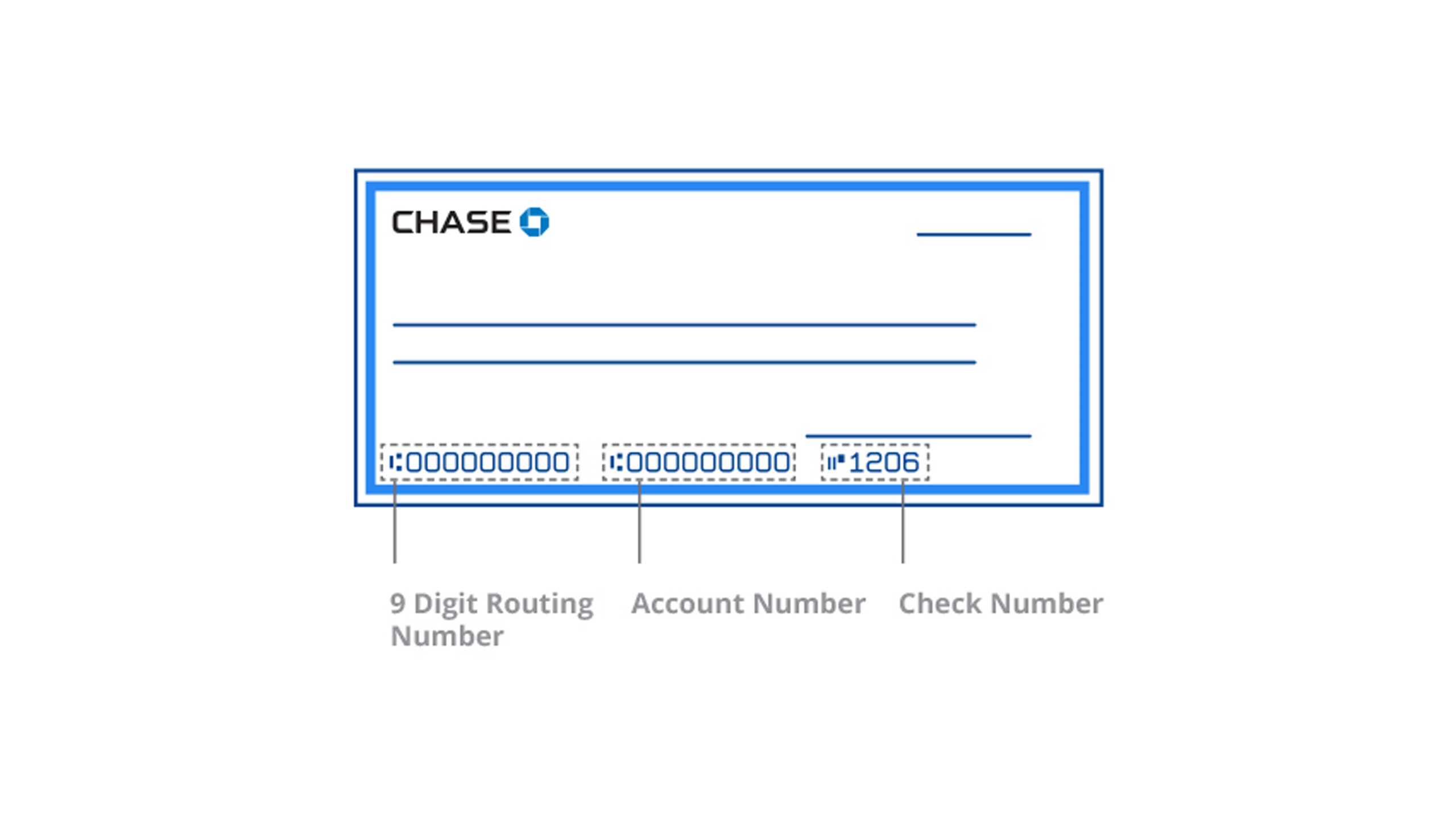
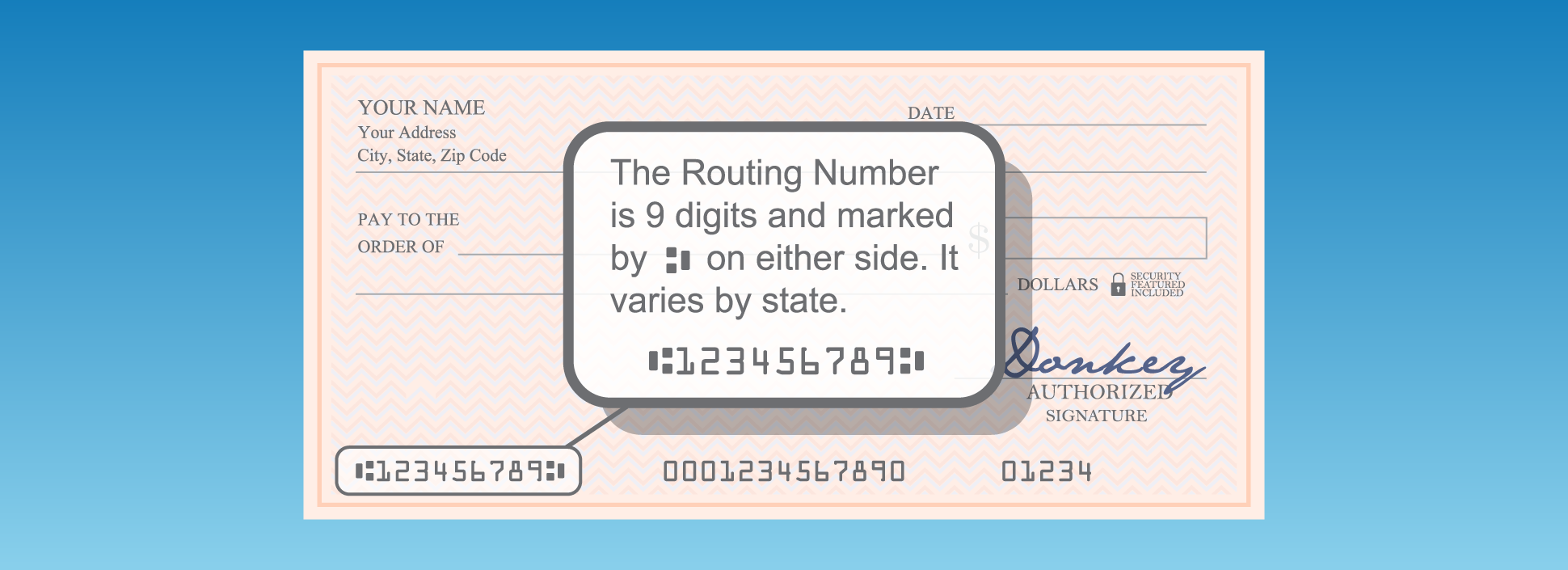
If you still use paper checks, the routing number is readily available at your fingertips. At the bottom of every check, you will see a series of numbers printed in a special magnetic ink (MICR). The first set of nine digits on the far left is your routing number. The second set of numbers is your account number, and the final set is the specific check number. This visual reference is often the most reliable way to confirm the numbers required for setting up automated billing.
Regional Variations: Why Routing Numbers Differ by State
If you opened your account in New York, your routing number will differ from a customer who opened their account in Texas or California. For example, Chase customers in Illinois often use a specific number, while those in Florida use another. It is vital to use the routing number associated with the state where your account was opened, even if you have since moved. If you are unsure, the Chase website provides a comprehensive table listing routing numbers by state for both electronic transfers and paper checks.
When and Where You’ll Need Your Chase Routing Number
Effective financial management requires knowing exactly when to deploy your banking information. The routing number is a prerequisite for several key personal finance activities that help automate wealth-building and bill management.
Setting Up Direct Deposits and Automated Payments
Direct deposit is the “gold standard” for receiving income. By providing your employer with your Chase routing and account numbers, your salary bypasses the delays of physical checks and becomes available in your account immediately. Similarly, “Auto-Pay” features for mortgages, car loans, and utility bills rely on the ACH (Automated Clearing House) network, which requires your routing number to pull funds accurately each month.
Domestic Wire Transfers vs. ACH Transfers
It is important to note that Chase sometimes uses different routing numbers for ACH transfers (like your paycheck) and domestic wire transfers. A wire transfer is a more immediate, real-time method of sending money, often used for large transactions like a down payment on a home. Before initiating a wire, always confirm with Chase if a specific “Wire Routing Number” is required, as using the standard ACH routing number can cause significant delays in high-stakes financial situations.
International Transfers and SWIFT Codes
In the realm of global finance, routing numbers are strictly a domestic U.S. tool. If you are receiving money from abroad or sending funds to a relative in another country, a routing number will not suffice. Instead, you will need Chase’s SWIFT/BIC code. The SWIFT code (Society for Worldwide Interbank Financial Telecommunication) is an international version of a routing number that identifies Chase on the global stage. Understanding this distinction is crucial for anyone engaging in international investing or commerce.
Security and Best Practices for Financial Tool Management
While routing numbers are technically public information—often listed on bank websites—they are a critical component of your financial identity. When combined with an account number, they grant access to your liquid assets. Protecting this data is a vital part of personal financial security.
Protecting Your Banking Information from Fraud
In an era of increasing digital fraud, you should be cautious about where you share your routing and account numbers. Only provide these details to trusted entities, such as your employer’s HR department or verified government agencies (like the IRS for tax refunds). Be wary of “phishing” emails or suspicious websites that ask for your full banking details under the guise of “verifying your account.”
Common Mistakes to Avoid When Entering Routing Data
A single transposed digit can result in a “failed transaction” fee or a delay in receiving your funds. When setting up a new financial tool, such as a brokerage account or a peer-to-peer payment app, always double-check the nine digits. A pro-tip for financial management: after entering the number, most systems will automatically display the name of the bank (e.g., “JPMorgan Chase”). If the system identifies a different bank, you have likely entered the number incorrectly.
Optimizing Your Banking Experience with Chase Financial Tools
Banking is no longer a passive activity. By mastering the tools provided by Chase, you can turn your checking account into a hub for sophisticated financial planning.
Leveraging Chase Online for Seamless Transfers
Chase offers a suite of tools that allow you to move money between accounts internally and externally. By linking your Chase account to other financial institutions via your routing number, you can easily fund investment accounts or move money into “buckets” for specific savings goals. The “Real-Time Payments” (RTP) network is also expanding, making these transfers faster than ever before, provided your routing information is accurate.
Future-Proofing Your Personal Finances
Understanding the mechanics of your bank account—from routing numbers to interest rates—is the first step toward financial literacy. As you grow your net worth, you may find yourself managing multiple accounts across different regions. Keeping an organized digital “vault” of your routing numbers and account details ensures that you can react quickly to investment opportunities or manage emergencies without the stress of hunting for paperwork.
In conclusion, while the Chase routing number may seem like a minor technicality, it is a fundamental pillar of your personal finance infrastructure. It enables the flow of your income, the payment of your obligations, and the growth of your investments. By knowing how to find it, how to use it, and how to protect it, you empower yourself to navigate the financial world with confidence and precision. Whether you are a student opening your first account or a seasoned investor managing a diverse portfolio, the humble nine-digit routing number remains your most essential tool for financial connectivity.
aViewFromTheCave is a participant in the Amazon Services LLC Associates Program, an affiliate advertising program designed to provide a means for sites to earn advertising fees by advertising and linking to Amazon.com. Amazon, the Amazon logo, AmazonSupply, and the AmazonSupply logo are trademarks of Amazon.com, Inc. or its affiliates. As an Amazon Associate we earn affiliate commissions from qualifying purchases.