
In the intricate world of modern finance, where money flows at the speed of light across digital networks, a crucial identifier ensures that every transaction reaches its precise destination: the bank routing number. Often encountered when setting up direct deposits, paying bills online, or initiating wire transfers, this unassuming nine-digit code is the backbone of the U.S. banking system, quietly orchestrating the seamless movement of funds between different financial institutions. For anyone navigating personal finance, managing business accounts, or simply engaging with the broader financial ecosystem, understanding what a routing number is, its purpose, and how to use it correctly is not just helpful—it’s essential for financial fluency and security.
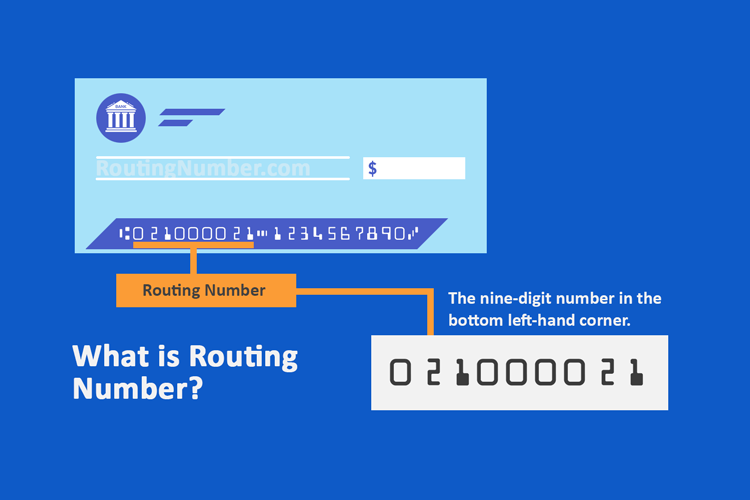
A routing number, officially known as an ABA (American Bankers Association) routing transit number, serves as a unique identifier for a specific financial institution within the United States. Its primary role is to identify the bank or credit union responsible for receiving or sending a payment, much like a street address directs mail to a particular building. Without this critical piece of information, electronic funds transfers (EFTs) would be akin to sending a letter without a destination postcode, prone to delays, errors, or even being lost in transit. This article delves into the fundamental aspects of bank routing numbers, exploring their anatomy, their vital role in financial transactions, how to locate them, and the crucial distinctions that prevent common financial missteps. By the end, you’ll have a comprehensive understanding of this cornerstone of financial infrastructure, empowering you to handle your money matters with greater confidence and precision.
The Core Function of a Routing Number
At its heart, a bank routing number is a navigational tool for financial transactions. It ensures that when you send money, or money is sent to you, it lands in the correct bank. Imagine the sheer volume of transactions occurring daily – millions of direct deposits, bill payments, and transfers. Without a standardized system for identifying the recipient bank, this immense network would collapse into chaos. The routing number provides that standardization, acting as a digital signpost that guides funds accurately and efficiently.
Facilitating Electronic Funds Transfers (EFTs)
Electronic Funds Transfers (EFTs) encompass a wide array of digital transactions, from Automated Clearing House (ACH) transfers to wire transfers. The routing number is indispensable for these operations. When you initiate an ACH payment, such as paying a utility bill online, your bank uses the routing number of the utility company’s bank to direct the funds. Similarly, when your employer sends your paycheck via direct deposit, their bank uses your bank’s routing number to ensure your wages arrive in your account. This system significantly reduces the need for physical checks, accelerating transaction times and enhancing convenience for both consumers and businesses. The speed and reliability of EFTs, underpinned by accurate routing numbers, are fundamental to the fluidity of the modern economy, enabling everything from real-time payments to international trade settlements.
Key Role in Direct Deposits and Bill Payments
Perhaps the most common encounters with routing numbers for the average individual are setting up direct deposits and recurring bill payments. For direct deposits, employees provide their bank’s routing number and account number to their employer. This allows payroll departments to electronically transfer salaries directly into individual bank accounts, bypassing paper checks entirely. This not only offers unparalleled convenience and speed for employees but also reduces administrative overhead for businesses. Similarly, when you set up automatic bill payments for mortgages, loans, or subscriptions, the routing number tells the paying institution which bank to draw funds from and where to send them. This automation relies entirely on the precise identification offered by routing numbers, enabling individuals to manage their finances with minimal manual intervention and ensuring timely payments that safeguard credit scores and avoid late fees.
Distinguishing Between Financial Institutions
The sheer number of banks and credit unions operating in the United States, each with countless branches, necessitates a robust identification system. A routing number uniquely identifies a single financial institution. While a bank might have many branches, they often share the same routing number (or a few specific ones for different types of transactions), ensuring that all funds intended for that bank are routed correctly, regardless of the specific branch. This distinction is crucial in preventing misdirected funds and ensuring that transactions are processed by the intended financial entity, safeguarding the integrity of the banking system. It’s the primary way the banking network differentiates between, say, Bank of America and Chase, or a local credit union versus a large national bank.
Anatomy of a Routing Number: Understanding the 9 Digits
Every U.S. bank routing number is a nine-digit code, a standard established and maintained by the American Bankers Association (ABA). While it might seem like an arbitrary sequence of numbers, each digit, or block of digits, serves a specific purpose, contributing to the overall functionality and integrity of the banking system. Understanding this structure sheds light on how transactions are processed and validated.
The ABA Transit Number System
The ABA Routing Transit Number (RTN) system was first developed in 1910 to identify originating banks on checks, long before the advent of electronic transfers. Its primary goal was to facilitate the sorting and processing of paper checks efficiently. Over time, as banking evolved, the system adapted to electronic transactions, maintaining its core structure. The nine digits are typically broken down into three main parts:
- First four digits (Federal Reserve Routing Symbol): These identify the Federal Reserve Bank district where the financial institution is located and which Federal Reserve processing center it uses. The U.S. is divided into 12 Federal Reserve districts, each served by a main Federal Reserve Bank.
- Next four digits (ABA Institution Identifier): These uniquely identify the specific bank or credit union within that Federal Reserve district. This is the core identifier for the financial institution itself.
- Ninth digit (Check Digit): This final digit is a crucial component for error detection.
Geographical and Institutional Identifiers
The combination of the first eight digits provides both geographical and institutional identification. The first two digits, in particular, often indicate the Federal Reserve district. For instance, numbers starting with ’01’ belong to the Boston Federal Reserve district, while ’12’ refers to the San Francisco district. This geographical component helps in directing interbank transactions to the correct regional clearinghouse before they reach the specific institution. The subsequent digits then pinpoint the precise bank within that region. This multi-layered identification ensures that funds are routed not just to the correct bank, but often through the correct channels depending on its location, which can sometimes impact processing times or specific regional banking practices.
The Importance of the Check Digit
The ninth digit, known as the check digit, is perhaps the most ingenious part of the routing number’s design. It’s a mathematical validation tool. There’s a specific algorithm that uses the first eight digits to calculate what the ninth digit should be. When a bank receives a routing number, it performs this calculation. If the calculated check digit doesn’t match the ninth digit provided, it signals an error in the routing number. This immediate error detection prevents transactions from being sent to the wrong bank due to a simple typo, saving countless hours in reconciliation and preventing misdirected funds. It’s an essential safeguard in an environment where even a single incorrect digit can have significant financial consequences.
How to Locate Your Bank’s Routing Number
Finding your bank’s routing number is usually straightforward, but it’s important to ensure you’re using the correct one, as some banks have different routing numbers for different types of transactions or even for different states or regions. Always verify the number directly with your bank or official sources.
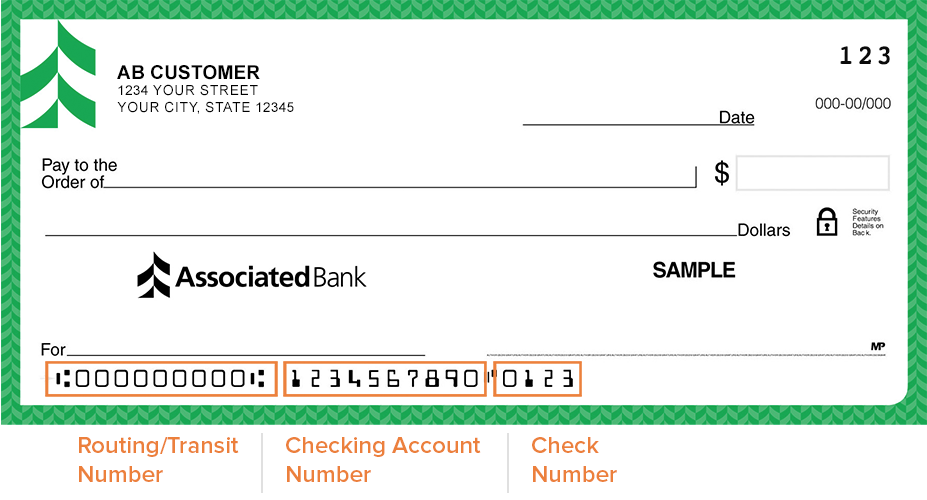
On Your Checks
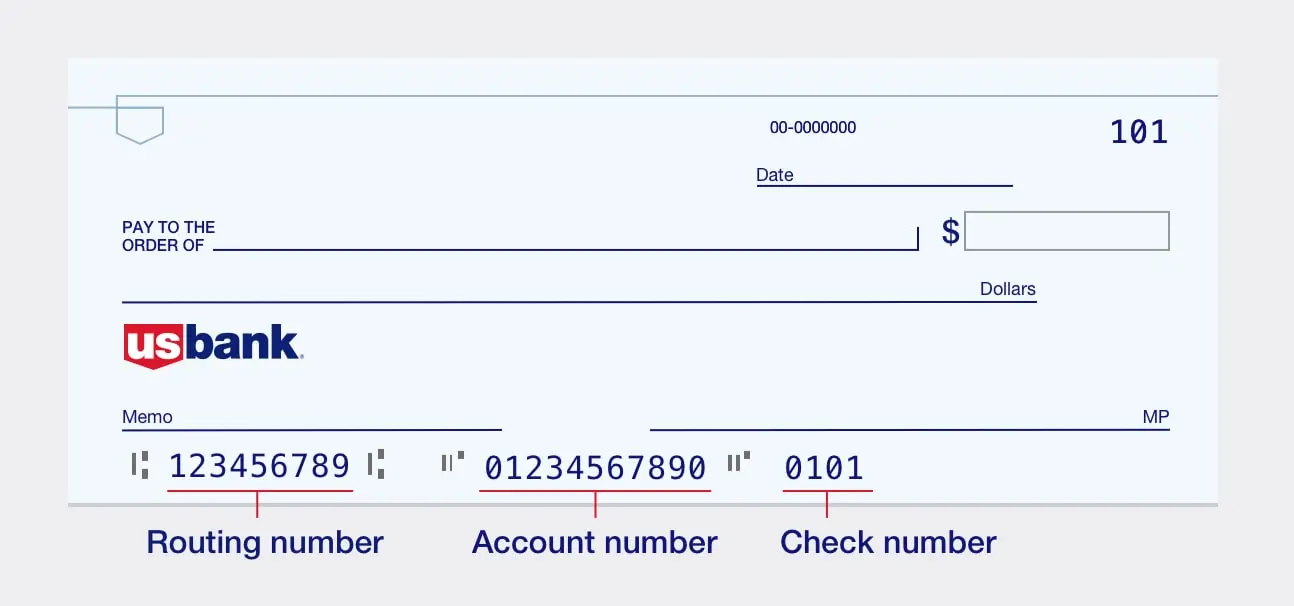
For most personal checking accounts, the quickest and most common place to find your routing number is on a physical check. It’s typically the first set of nine digits printed at the bottom of the check, usually on the left side, preceding your account number. It’s important to note that the routing number on your checks is generally for ACH transactions and electronic payments. While often the same, some banks might use a different routing number for wire transfers, which we’ll discuss later. Always double-check that you’re looking at the correct number, as the sequence is usually “Routing Number | Account Number | Check Number.”
Through Online Banking and Bank Websites
In today’s digital age, your online banking portal is an excellent resource. Most banks prominently display your routing number (or numbers) once you log into your account. Look for sections like “Account Details,” “Direct Deposit Information,” or “Wire Transfer Instructions.” Many banks also have dedicated pages on their public websites (often in the FAQ or “Contact Us” sections) where you can look up routing numbers by state or account type. This is often the most reliable method, especially if you don’t have a checkbook handy or need to confirm specific routing numbers for particular transaction types (e.g., domestic wire vs. international wire, or ACH).
Contacting Your Financial Institution
When in doubt, the most reliable method is to contact your bank or credit union directly. Customer service representatives can provide you with the correct routing number for your specific account and the type of transaction you intend to make. This is particularly important for wire transfers, which often require a specific routing number different from the one used for ACH transfers or found on checks. Before calling, have your account number and any relevant personal identification ready to verify your identity.
Utilizing Public Databases
While generally reliable, using third-party websites or public databases to find routing numbers should be approached with caution. While sites like the ABA’s official routing number lookup tool or reputable financial aggregators exist, always cross-reference the information with your bank’s official website or by contacting them directly. Relying solely on potentially outdated or incorrect information from unofficial sources can lead to significant financial inconvenience and delays. It’s best used as a preliminary check rather than a definitive source.
Beyond the Basics: Importance, Security, and Common Misconceptions
Understanding the mechanics of a routing number is just the beginning. Its proper use and protection are crucial for maintaining financial security and ensuring your transactions are always successful. There are also important distinctions to be made with other financial identifiers to prevent common mistakes.
Why Accuracy is Paramount
The absolute accuracy of a routing number is non-negotiable. A single incorrect digit can cause a transaction to be delayed, rejected, or, in worse cases, sent to the wrong financial institution. While the check digit often catches simple errors, a routing number that is valid but belongs to a different bank could lead to funds being misdirected. Retrieving misdirected funds can be a lengthy, complex, and sometimes impossible process, involving disputes and investigations. This emphasizes the importance of double-checking routing numbers, especially for large sums or critical recurring payments. Errors can lead to late fees, missed payments, or even fraudulent activity if funds end up in malicious hands.
Protecting Your Financial Information
While routing numbers are widely considered less sensitive than account numbers, they are still part of your financial identity. They are publicly accessible to some degree (e.g., on checks), but it’s always wise to exercise caution. Combined with your account number, a routing number allows someone to initiate transactions from your account. While safeguards like transaction limits and fraud detection systems exist, protecting both your routing and account numbers is a fundamental aspect of digital financial security. Be wary of sharing this information with unverified individuals or websites, and always use secure platforms for online banking and transactions. Understanding phishing scams and identity theft tactics that aim to acquire this information is also vital.
Routing Numbers vs. Account Numbers vs. SWIFT/IBAN
It’s common to confuse routing numbers with other financial identifiers. Understanding these distinctions is key:
- Routing Number: Identifies your specific financial institution within the U.S. for domestic transactions.
- Account Number: Identifies your specific account within that financial institution. Both are needed for a domestic transaction to reach your specific account at your specific bank.
- SWIFT Code (Society for Worldwide Interbank Financial Telecommunication) / BIC (Bank Identifier Code): These are international codes (8 or 11 characters) used to identify a bank in international wire transfers. They are the global equivalent of a routing number, required when sending or receiving money from outside the U.S. A U.S. bank will have both a domestic routing number and an international SWIFT code.
- IBAN (International Bank Account Number): Primarily used in Europe and other regions, an IBAN combines the country code, bank code, and account number into a single, standardized string. It identifies a specific account at a specific bank internationally. U.S. banks do not typically use IBANs for domestic accounts, though they are involved in international transfers where the recipient has an IBAN.
Confusing these identifiers can lead to international wire transfers being rejected or significantly delayed, incurring additional fees and frustration.
When Different Routing Numbers Apply (Wires, ACH)
It’s crucial to be aware that some larger financial institutions use multiple routing numbers. Often, a bank will have one routing number for ACH transactions (like direct deposits and online bill pay) and a different routing number specifically for wire transfers. Furthermore, some banks have different routing numbers based on the state or region where the account was opened. Always verify the correct routing number for the specific type of transaction and your location with your bank to avoid errors, especially for wire transfers which are often irreversible once processed.
Navigating the Financial Landscape with Confidence
The bank routing number, while a seemingly small detail, is a colossal cog in the machinery of modern finance. It is the silent workhorse that ensures your paycheck arrives on time, your bills are paid seamlessly, and your investments move efficiently across the financial network. From its historical roots in paper check processing to its indispensable role in today’s digital economy, this nine-digit code remains a testament to the need for precision and standardization in financial operations.
By understanding its core function, the anatomy of its digits, and the correct methods for locating it, individuals and businesses alike can navigate their financial affairs with greater confidence. Moreover, recognizing the distinctions between routing numbers and other financial identifiers, along with appreciating the paramount importance of accuracy and security, empowers you to protect your assets and ensure the smooth flow of your money. In a world where financial transactions are increasingly digital and instantaneous, a firm grasp of the bank routing number is not just a technicality, but a fundamental skill for financial literacy, ensuring your money always finds its way home.
aViewFromTheCave is a participant in the Amazon Services LLC Associates Program, an affiliate advertising program designed to provide a means for sites to earn advertising fees by advertising and linking to Amazon.com. Amazon, the Amazon logo, AmazonSupply, and the AmazonSupply logo are trademarks of Amazon.com, Inc. or its affiliates. As an Amazon Associate we earn affiliate commissions from qualifying purchases.