
In the intricate world of finance, where transactions traverse digital landscapes at lightning speed, certain foundational identifiers ensure that money reaches its intended destination securely and accurately. Among these, the routing number stands out as a critical, yet often under-explained, element of the banking system. For anyone managing their finances, setting up direct deposits, or initiating transfers, understanding what a routing number is and its significance is not just helpful—it’s essential. This unique nine-digit code acts as a digital fingerprint for your bank, guiding funds through the vast network of financial institutions across the United States.
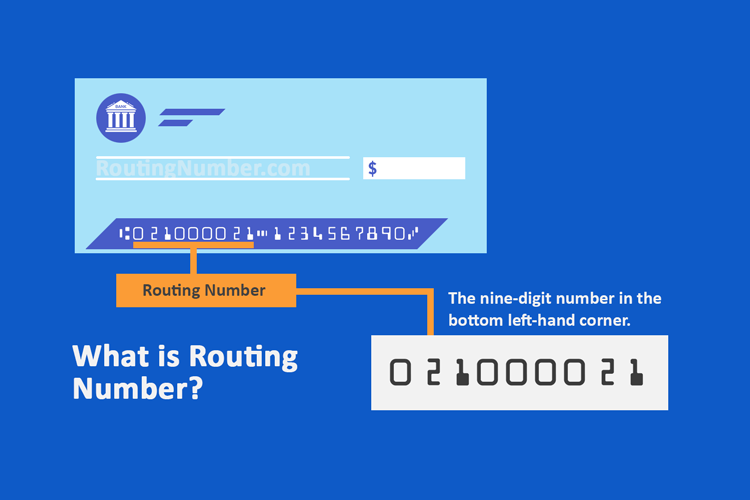
At its core, a routing number serves to identify the specific financial institution that holds an account. It’s like a postal code for your bank, ensuring that when you send or receive money, the transaction is routed to the correct bank branch or central processing center. Without this vital piece of information, the seamless flow of electronic funds transfers (EFTs), direct deposits, and online bill payments would be impossible, leading to delays, errors, and significant financial frustration. Delving deeper into its structure and purpose reveals why this seemingly simple number is a cornerstone of modern financial operations, impacting everything from your paycheck to your online shopping experience.
The Core Purpose of a Routing Number
The routing number, also known as an ABA (American Bankers Association) routing transit number, was originally developed in 1910 to identify paper checks and ensure they were processed at the correct bank. In today’s digital age, its role has expanded dramatically, becoming indispensable for nearly all electronic transactions. Its primary function remains steadfast: to precisely identify the financial institution involved in a transaction, acting as a crucial intermediary in the secure movement of funds.
Facilitating Financial Transactions
Imagine a vast network of thousands of banks, credit unions, and other financial entities, all processing millions of transactions daily. Without a standardized system for identifying each institution, chaos would ensue. This is precisely where the routing number steps in. When you make an electronic payment, receive your salary via direct deposit, or transfer money between accounts, the routing number directs the funds to the correct receiving bank. It’s the first critical piece of information that payment systems use to determine the bank’s identity, ensuring that the subsequent account number directs the funds to the correct account within that bank. This two-tiered identification system—routing number for the bank, account number for the individual—is fundamental to the accuracy and efficiency of modern banking.
Identifying Financial Institutions
Every financial institution in the U.S. that participates in the federal banking system is assigned at least one routing number. Larger banks, especially those with national footprints or multiple specialized divisions (e.g., for consumer banking, commercial banking, or wealth management), may have several different routing numbers. These variations can depend on the geographic region, the type of transaction (e.g., wire transfer vs. ACH), or even the specific branch where an account was opened. The nine digits themselves hold meaning: the first four digits identify the Federal Reserve routing symbol, the next four identify the ABA institution number, and the final digit is a checksum digit used for error detection. This structured format ensures uniqueness and helps prevent fraudulent or incorrect transfers.
Beyond Domestic Transfers: International Context
While routing numbers are primarily a U.S.-specific system for domestic transactions, their concept has parallels in international banking. For cross-border payments, different identifiers come into play, such as SWIFT (Society for Worldwide Interbank Financial Telecommunication) codes or BIC (Bank Identifier Codes). However, even for international transfers, the domestic routing number might still be required by the originating foreign bank to properly identify the U.S. recipient bank before the funds can enter the U.S. banking system and be directed to the final account. This interplay highlights the global interconnectedness of financial systems and the need for various identification codes to ensure funds reach their destination safely, whether it’s across town or across an ocean.
Where to Find Your Routing Number
Locating your routing number is usually straightforward, as banks ensure this information is readily accessible. However, it’s important to know where to look and, crucially, to confirm the correct number, especially since some banks may have multiple routing numbers depending on the transaction type or account origin.
Checking Your Checks
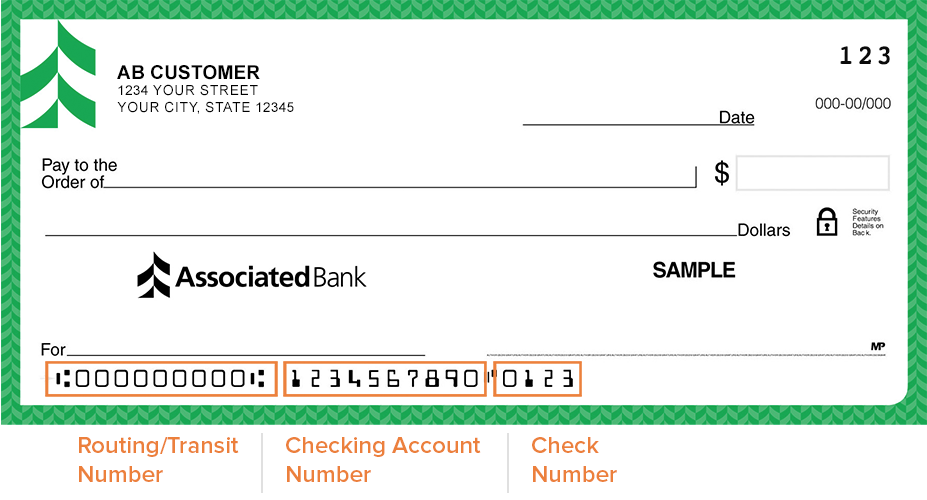
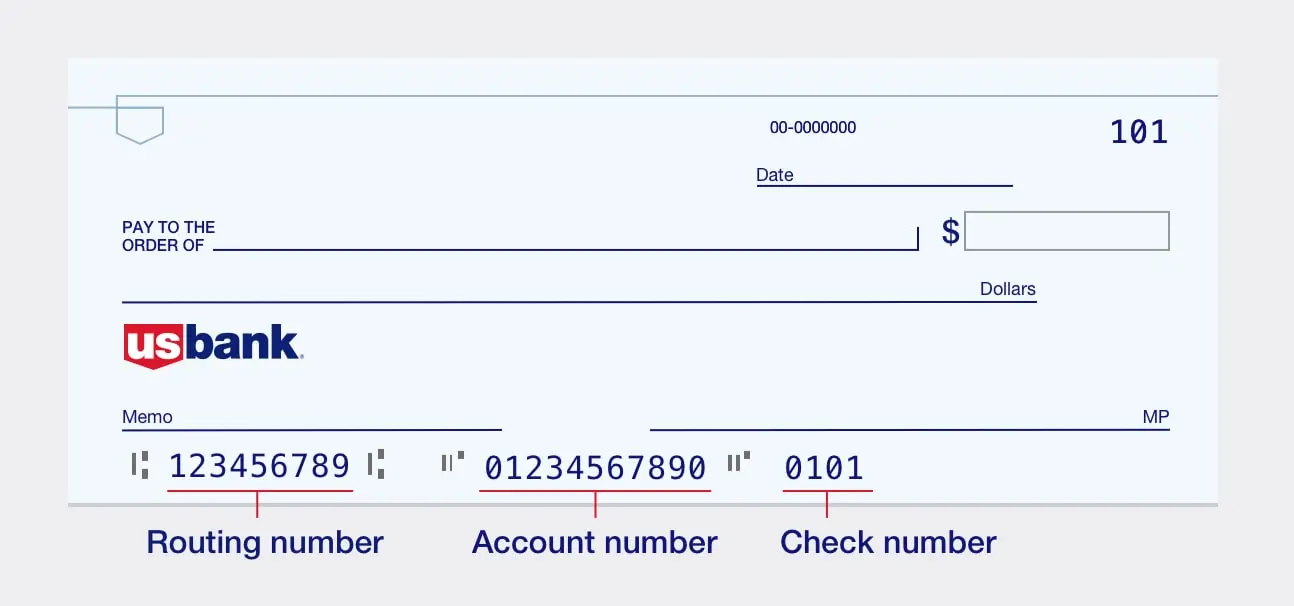
The most traditional and often easiest place to find your routing number is on a physical check. Look at the bottom of a check; you’ll typically see three sets of numbers. From left to right, these are usually:
- Routing Number (9 digits): This is the leftmost set of numbers.
- Account Number (variable length): This is the middle set of numbers.
- Check Number (variable length): This is the rightmost set of numbers, which also appears in the top right corner of the check.
Always double-check that the leftmost number is indeed the routing number, as the order can sometimes vary slightly, though it’s rare. A quick visual confirmation of 9 digits usually confirms its identity.
Online Banking Portals
In today’s digital age, accessing your routing number through your bank’s online portal or mobile app is increasingly common. After logging into your account, navigate to your account details or profile section. Most banks display your routing number alongside your account number. Some platforms might require you to click on a specific account (e.g., checking or savings) to reveal its associated routing and account numbers. This method is convenient and secure, offering instant access without needing a physical checkbook.
Contacting Your Bank Directly
If you’re unable to find your routing number through checks or online banking, or if you simply prefer direct confirmation, contacting your bank’s customer service is a reliable option. You can call their customer service line, visit a local branch, or use their online chat support. Be prepared to verify your identity with personal information such as your account number, address, or date of birth to ensure you receive the correct and secure information. This method is particularly useful if you have multiple accounts or are unsure which routing number to use for a specific type of transaction.
Bank Statements and Apps
Many banks also print your routing number on your monthly or quarterly bank statements. While this isn’t the quickest method if you need the number immediately, it serves as another reliable source for verification. Additionally, most modern banking apps, much like online portals, provide easy access to your account details, including the routing number, often just a few taps away from the main account overview screen. This digital accessibility underscores the importance banks place on making this information readily available to their customers for everyday financial management.
Understanding Different Types of Routing Numbers
While “routing number” often sounds like a singular concept, financial institutions, especially larger ones, may operate with several distinct routing numbers. These variations are not arbitrary; they serve specific purposes related to the type and speed of the transaction, enhancing efficiency and security within the banking network.
ACH Routing Numbers
The most commonly encountered routing number is for Automated Clearing House (ACH) transactions. ACH is an electronic network for financial transactions in the United States, processing large volumes of credit and debit transfers in batches. This is the system used for:
- Direct Deposit: Your paycheck, government benefits, or tax refunds.
- Automatic Bill Payments: Utility bills, loan payments, insurance premiums.
- Person-to-Person (P2P) payments: Through services like Zelle or bank-specific transfers.
- E-commerce payments: When you authorize a merchant to debit your account.
ACH transfers are generally less expensive than wire transfers and typically take 1-3 business days to clear. The ACH routing number is the one most commonly found on personal checks and through online banking portals.
Wire Transfer Routing Numbers
Unlike ACH transactions, wire transfers are typically used for high-value or time-sensitive transactions. They are processed in real-time and provide immediate availability of funds once received by the beneficiary bank. Because of their speed and irrevocability, wire transfers often use a different routing number than ACH transactions, even for the same bank. This is due to the distinct processing networks and security protocols involved.
When initiating or receiving a wire transfer, it is absolutely crucial to verify the specific wire transfer routing number with your bank. Using an ACH routing number for a wire transfer will almost certainly lead to the transaction being rejected, delayed, or even lost. Banks often have dedicated wire transfer departments or specific instructions on their websites for obtaining this specialized number.
The Role of the ABA
All routing numbers are assigned by the American Bankers Association (ABA) in coordination with the Federal Reserve. The ABA is responsible for ensuring that each financial institution has a unique identifier that fits within the standardized nine-digit format. The structure of the routing number itself reflects this system:
- First four digits: Federal Reserve routing symbol, indicating the specific Federal Reserve Bank district responsible for processing transactions for that financial institution.
- Next four digits: The ABA institution identifier, uniquely identifying the bank.
- Ninth digit: A checksum digit, used to mathematically validate the entire nine-digit number and catch common errors during data entry.
This standardized assignment and structure, overseen by the ABA, underpins the reliability and accuracy of the entire U.S. banking system, ensuring that funds are correctly routed from one institution to another.
The Importance of Accuracy and Security
While a routing number is a publicly available identifier for a bank, its accurate use and secure handling are paramount in preventing financial mishaps and protecting against fraud. Understanding these aspects is crucial for every account holder.
Preventing Transaction Errors
The most immediate consequence of using an incorrect routing number is a transaction error. If you input the wrong routing number for a direct deposit, the funds might be rejected and returned to the sender, causing significant delays in receiving your money. For automatic payments, an incorrect routing number could lead to failed payments, potentially incurring late fees or impacting your credit score. In some rare and unfortunate cases, if an incorrect routing number happens to correspond to another valid bank, your funds could be misdirected to an unintended institution, requiring a complex and lengthy recovery process. Therefore, always double-check the routing number, especially for new setups or significant transactions.
Safeguarding Against Fraud
While a routing number alone is generally not enough for someone to access your bank account, its combination with other personal banking details can pose a significant risk. Fraudsters often attempt to phish for both routing and account numbers, which, when combined with your name and address, could potentially be used to create fraudulent checks or authorize unauthorized debits.
It’s important to remember that routing numbers are designed for public identification of a bank, but vigilance is always necessary. Be cautious about sharing your routing number in unsecured environments or with unverified parties. Reputable institutions will use secure, encrypted channels for collecting this information.
When and When Not to Share Your Routing Number
Knowing when and when not to share your routing number is a vital aspect of financial security.
When to Share:
- Setting up Direct Deposit: With your employer or government agency.
- Automatic Bill Payments: With legitimate utility companies, lenders, or service providers.
- Linking External Accounts: When connecting accounts between different banks you own (e.g., for transfers).
- Receiving Wire Transfers: Providing the specific wire transfer routing number to a trusted sender.
- Using Reputable Payment Services: When linking your bank account to trusted platforms like PayPal, Venmo, or Zelle.
When Not to Share (or be extremely cautious):
- Unsolicited Requests: Be wary of emails, calls, or texts asking for your routing number, especially if they seem suspicious or claim an urgent issue. Always verify the sender.
- Untrusted Websites or Individuals: Never enter your routing number on non-secure websites or provide it to individuals you do not fully trust or verify.
- Public Forums or Social Media: Avoid publicly posting any banking details.
Always err on the side of caution. If in doubt, contact your bank directly using a verified phone number or website to confirm any requests for your banking information.
Common Scenarios Requiring a Routing Number
The routing number is not an obscure piece of financial data; it’s a frequently used identifier in many common financial activities. Understanding these scenarios helps you navigate your personal finances with greater ease and confidence.
Setting Up Direct Deposit
Perhaps the most common scenario for needing a routing number is setting up direct deposit for your paycheck, tax refund, or government benefits. Employers and government agencies require your bank’s routing number along with your specific account number to ensure your funds are electronically transferred directly into your bank account. This eliminates the need for physical checks, providing quicker access to your money and enhancing security. When completing direct deposit forms, always double-check both your routing and account numbers to prevent delays.
Paying Bills Electronically
Many individuals opt for electronic bill payments for convenience and to avoid late fees. Whether you’re setting up recurring payments for utilities, mortgage, or credit cards directly from your bank’s online bill pay service, or authorizing a merchant to debit your account, your bank’s routing number is often required. This ensures the electronic funds transfer (EFT) instruction is sent to the correct financial institution for processing. It’s a key component in automating your financial obligations, contributing to better financial management.
Initiating Wire Transfers
For larger, time-sensitive, or international transactions, wire transfers are often the preferred method. As discussed, wire transfers typically require a specific routing number designated for this purpose, which might differ from the standard ACH routing number. When sending or receiving a wire transfer, you’ll need to provide this specific routing number along with the recipient’s bank account details. Due to the immediacy and irrevocability of wire transfers, accuracy is paramount. Confirming the correct wire routing number directly with your bank or the recipient’s bank is a critical step to prevent costly errors.
Linking External Accounts
In today’s interconnected financial landscape, many people manage accounts across multiple financial institutions. To facilitate seamless transfers between your own accounts at different banks—for instance, moving money from a checking account at one bank to a savings account at another—you’ll need to link them. This process usually involves providing the routing and account number of the external account you wish to link. Banks use these details to verify ownership and establish secure channels for inter-bank transfers, making it easier to consolidate funds, manage investments, or simply move money as needed.
In conclusion, the routing number, a seemingly simple nine-digit code, is a vital cog in the complex machinery of the modern financial system. From ensuring your paycheck arrives on time to enabling secure online payments, its role is foundational. By understanding what it is, where to find it, its different types, and how to use it securely, individuals can navigate their financial lives with greater confidence and efficiency, making informed decisions that protect their assets and facilitate their financial goals.
aViewFromTheCave is a participant in the Amazon Services LLC Associates Program, an affiliate advertising program designed to provide a means for sites to earn advertising fees by advertising and linking to Amazon.com. Amazon, the Amazon logo, AmazonSupply, and the AmazonSupply logo are trademarks of Amazon.com, Inc. or its affiliates. As an Amazon Associate we earn affiliate commissions from qualifying purchases.