
In the landscape of modern finance, few names evoke as much passion, controversy, and innovation as Robinhood Markets, Inc. Known primarily for its user-friendly mobile application that brought commission-free trading to the masses, the company transitioned from a disruptive startup to a publicly traded entity in July 2021. For investors asking “what is Robinhood stock,” it is essential to look beyond the interface of the app and examine the financial engine, the regulatory environment, and the strategic roadmap of the company traded under the ticker symbol HOOD on the Nasdaq.
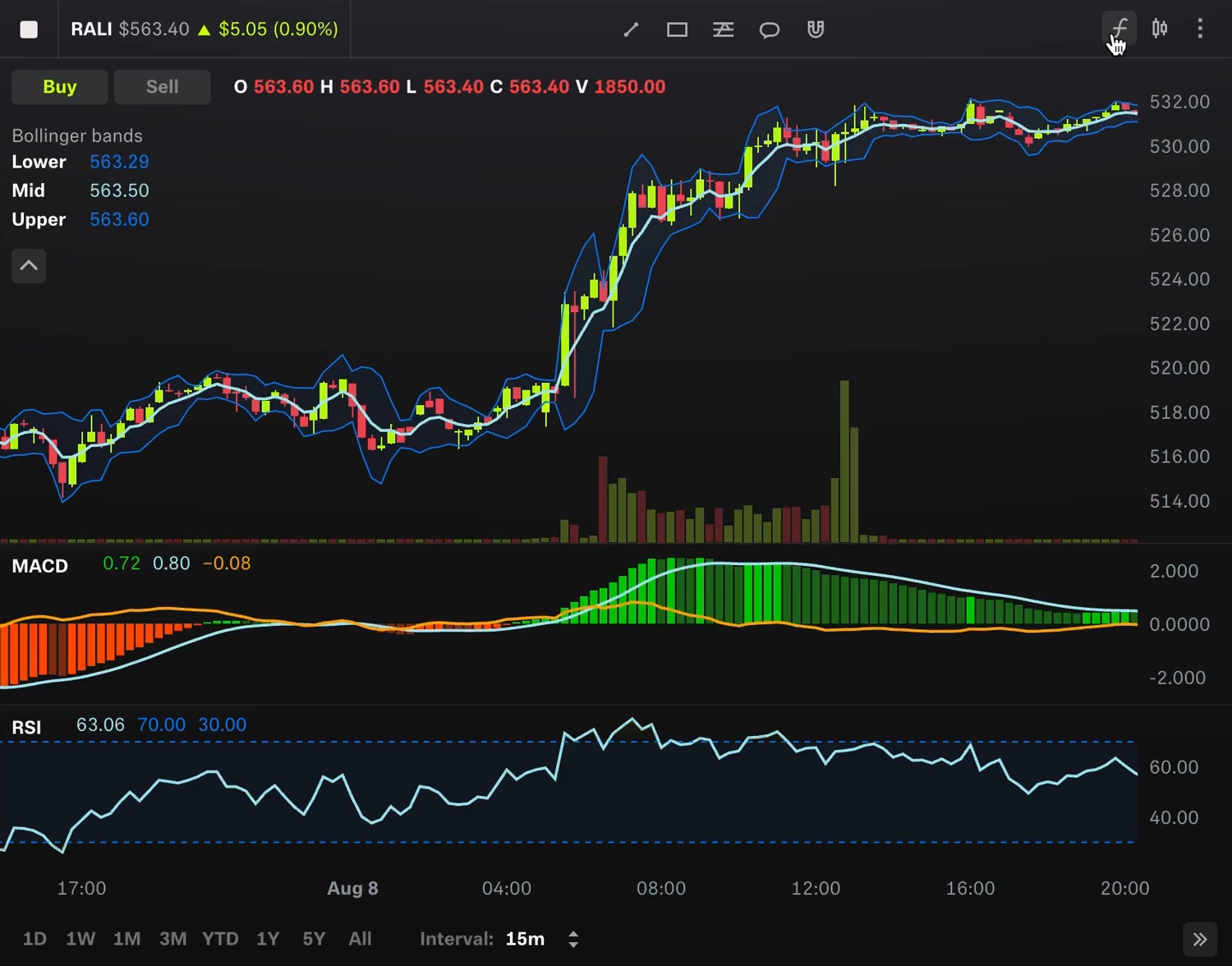
Robinhood stock represents equity in a company that has fundamentally altered the brokerage industry. By eliminating trading commissions and lowering the barriers to entry for retail investors, Robinhood forced legacy institutions to adapt or risk irrelevance. However, as a stock, HOOD is a complex asset influenced by market volatility, interest rate cycles, and the shifting behaviors of the “digital native” investor.
Understanding Robinhood Markets, Inc. (HOOD)
To understand Robinhood stock, one must first understand the company’s core mission: “to democratize finance for all.” Founded by Vlad Tenev and Baiju Bhatt in 2013, the company launched its signature app with a focus on simplicity and accessibility. Before Robinhood, the retail investing experience was often cumbersome and expensive, with commissions frequently eating into the small portfolios of beginning investors.
The IPO and Market Entry
Robinhood’s Initial Public Offering (IPO) was one of the most anticipated financial events of 2021. Unlike traditional IPOs that primarily target institutional investors, Robinhood reserved a significant portion of its shares for its own users, stayng true to its ethos of accessibility. The stock debuted at $38 per share, valuing the company at approximately $32 billion. Since then, the stock has experienced significant volatility, reflecting both the company’s internal growing pains and the broader fluctuations in the fintech sector.
The Brand Identity and Market Position
Robinhood is more than just a brokerage; it is a brand that resonates with Gen Z and Millennial investors. This demographic advantage is a key component of the stock’s value proposition. As the “great wealth transfer” occurs over the next two decades, Robinhood is positioned to capture a significant portion of the assets moving from older generations to younger, tech-savvy heirs. Investors in HOOD are essentially betting on the company’s ability to retain these users as they grow from novice traders into high-net-worth individuals requiring complex financial services.
How Robinhood Makes Money: The Business Model
A common question regarding Robinhood stock is how a company that offers “free” trading can be profitable. The answer lies in a diversified revenue model that has evolved significantly since the company’s inception.
Payment for Order Flow (PFOF)
The most discussed and debated revenue stream for Robinhood is Payment for Order Flow. When a user executes a trade on the app, Robinhood does not send that order directly to a stock exchange like the NYSE. Instead, it routes the order to market makers—large financial firms that execute the trades. In exchange for this order flow, the market makers pay Robinhood a small fee. While this practice is industry-standard among commission-free brokers, it remains a point of regulatory discussion, making it a critical factor for HOOD investors to monitor.
Robinhood Gold and Subscription Revenue
To reduce its reliance on transaction-based revenue, which can be volatile during market downturns, Robinhood has aggressively pushed its premium subscription service, Robinhood Gold. For a monthly fee, users gain access to higher interest rates on uninvested cash, professional research, Level II market data, and larger instant deposits. This recurring revenue model is highly attractive to Wall Street, as it provides a predictable income stream and increases customer “stickiness.”
Net Interest Income
In a higher interest rate environment, Robinhood earns significant revenue from Net Interest Income (NII). This is the interest the company earns on the cash balances held by its users, as well as the interest charged to users who trade on margin (using borrowed funds from the broker). As interest rates fluctuate, Robinhood’s profitability can shift dramatically, making the stock sensitive to Federal Reserve policies.
Market Performance and Key Value Drivers
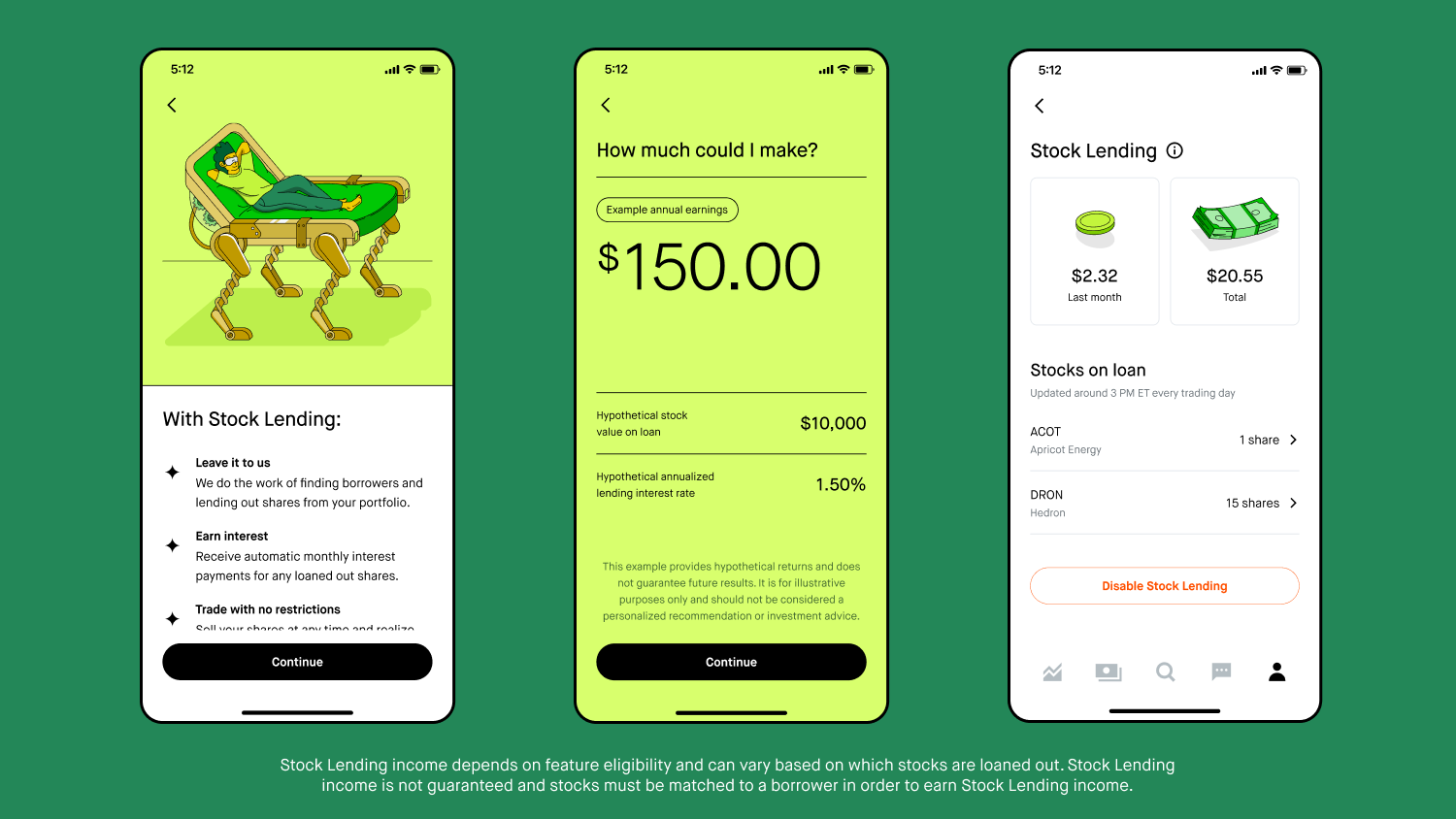
Evaluating Robinhood stock requires an analysis of specific metrics that indicate the health of a fintech ecosystem. Investors typically look at three primary categories: user growth, assets under custody, and product expansion.
Assets Under Custody (AUC) and ARPU
Assets Under Custody represents the total value of all stocks, options, cryptocurrencies, and cash held by users on the platform. Growth in AUC is a strong indicator of trust and platform maturity. Hand-in-hand with AUC is Average Revenue Per User (ARPU). For Robinhood to increase its stock price, it must demonstrate that it can extract more value from each user by offering a broader suite of financial products, such as retirement accounts and credit cards.
The Pivot to Retirement and Long-Term Investing
One of the most significant shifts in Robinhood’s strategy has been the introduction of IRA accounts with a matching contribution. By offering a 1% to 3% match on contributions, Robinhood has successfully attracted longer-term capital. This shift is crucial for the stock’s valuation, as it moves the company away from being seen merely as a platform for “speculative trading” toward being a holistic wealth management solution.
Cryptocurrency Integration
Robinhood was an early adopter of commission-free cryptocurrency trading. The platform allows users to buy, sell, and transfer major digital assets like Bitcoin and Ethereum. Because crypto markets operate 24/7 and often have higher volatility than traditional equities, they can drive significant transaction revenue during “bull runs.” However, this also introduces a layer of volatility to HOOD stock, as its performance can become correlated with the broader crypto market.
Risks and Challenges Facing Robinhood Investors
No investment is without risk, and Robinhood stock carries a unique set of challenges that potential shareholders must weigh against its growth potential.
Regulatory and Legal Headwinds
Because Robinhood disrupted an established industry, it has frequently found itself in the crosshairs of regulators like the SEC and FINRA. Issues such as platform outages during periods of high volatility, the “gamification” of investing, and the transparency of PFOF have led to fines and increased compliance costs. Any new legislation that targets the PFOF model could force Robinhood to reinvent its revenue structure, which poses a risk to the stock’s short-term stability.
Competition in the Fintech Space
The “Robinhood effect” forced giants like Charles Schwab, Fidelity, and E*Trade to eliminate their own commissions. Consequently, Robinhood no longer has a monopoly on low-cost trading. To maintain its market share, Robinhood must constantly innovate its user interface and product offerings. The rise of other “super-apps” and neobanks also presents a competitive threat, as companies vie to become the single destination for a consumer’s entire financial life.
Market Sensitivity and Trading Volumes
As a brokerage, Robinhood’s revenue is tied to market activity. In “bear markets,” retail investors tend to trade less frequently, which can lead to lower transaction revenue. If the broader economy enters a recession, Robinhood may see a decrease in new account openings and a reduction in the amount of disposable income users have available to invest, directly impacting the stock’s bottom line.
The Long-Term Outlook: Is HOOD a Worthy Portfolio Addition?
When assessing the future of Robinhood stock, one must decide if they view the company as a simple trading app or a generational shift in how the world interacts with money.
Expansion into Credit and Banking
The recent launch of the Robinhood Gold Card—a credit card offering significant cash-back rewards—signals the company’s intent to compete directly with traditional banks like JPMorgan Chase and American Express. By moving into the credit and lending space, Robinhood is building a closed-loop ecosystem where a user receives their paycheck, spends money, saves for retirement, and trades stocks all within one app. If successful, this transformation could lead to a massive re-valuation of HOOD stock as it shifts from a “brokerage” multiple to a “big tech” or “prime bank” multiple.
International Growth
While Robinhood has primarily focused on the United States, its recent expansion into the United Kingdom and other international markets represents a new frontier for growth. Global expansion allows the company to diversify its user base and hedge against US-specific regulatory changes.
Conclusion for the Strategic Investor
Robinhood stock is a high-beta play on the future of retail finance. It offers exposure to the intersection of technology, equity markets, and cryptocurrency. For the investor who believes that the digitization of finance is still in its early innings and that Robinhood can successfully transition from a “disruptor” to a “pillar” of the financial establishment, the stock represents a unique opportunity. However, it requires a tolerance for volatility and a keen eye on the evolving regulatory landscape. Understanding “what is Robinhood stock” is ultimately about understanding the democratization of the global markets and the technology that powers it.
aViewFromTheCave is a participant in the Amazon Services LLC Associates Program, an affiliate advertising program designed to provide a means for sites to earn advertising fees by advertising and linking to Amazon.com. Amazon, the Amazon logo, AmazonSupply, and the AmazonSupply logo are trademarks of Amazon.com, Inc. or its affiliates. As an Amazon Associate we earn affiliate commissions from qualifying purchases.